The Bloop Was Not a Sea Monster. It Was Ice.
NOAA hydrophones recorded a strange low-frequency sound in 1997. The famous Bloop turned out to fit the signature of icequakes.
A sound big enough for a legend
In 1997, NOAA hydrophones picked up a powerful low-frequency sound in the Pacific. It was loud, strange, and far-traveling enough to earn a nickname: the Bloop.
For years, that name did exactly what good names do. It made people imagine. A giant animal? A deep-sea unknown? Something huge moving where humans almost never go?
The colder answer
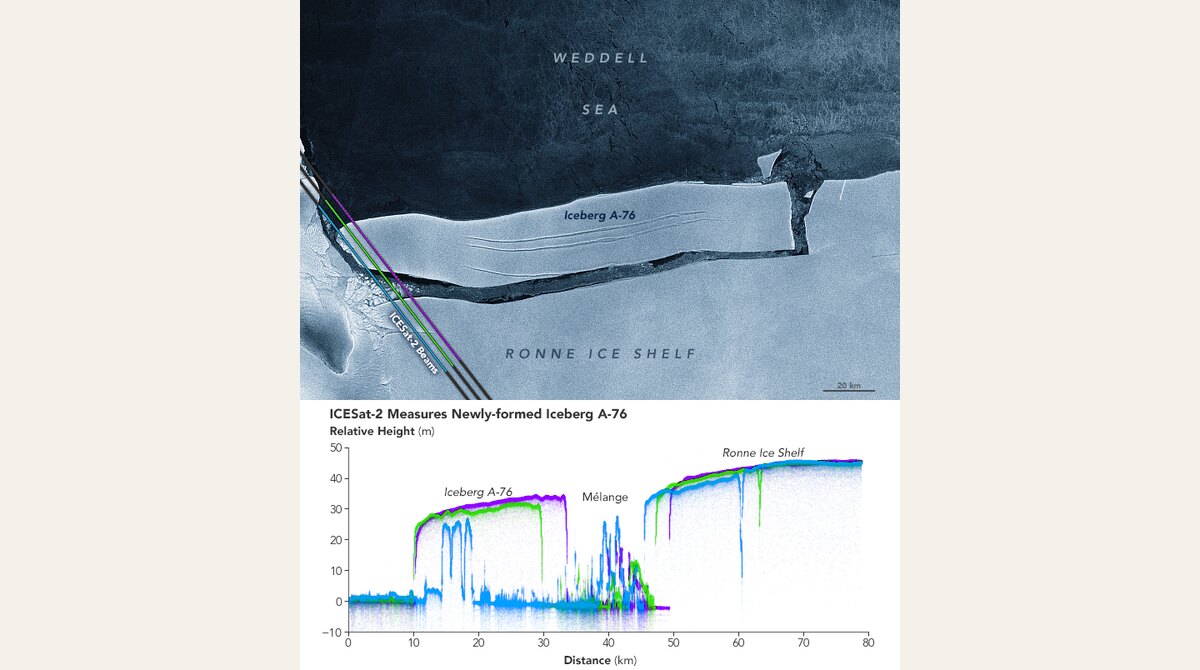
NOAA's answer is less cinematic and more useful. The Bloop matches sounds generated by icequakes: large icebergs cracking, fracturing, or breaking away from Antarctic glaciers.
Hydrophones can carry low-frequency sounds over enormous distances through seawater. Ice can be loud. A cracking glacier does not need lungs to sound alive.
Why solved mysteries still work
The Bloop remains popular because the solved version preserves the scale. It was not a monster, but it was not nothing. It was a planetary sound: ice breaking, ocean transmitting, instruments listening.
That is a good kind of mystery. The answer does not shrink the world. It makes the real mechanism stranger than the rumor.
Sources
- NOAA National Ocean Service: What is the Bloop?
- NOAA PMEL Acoustics Monitoring Program: Icequakes
- NOAA Ocean Exploration: Bloop
Related on Impossible Universe
- Scientists Identified 31 New Deep-Sea Species Off Brazil. The Ocean's Largest Habitat Is Even Stranger Than We Thought. - new species from the deep ocean revealed by cutting-edge imaging technology
- Scientists Found a Golden Orb at the Bottom of the Ocean. They Had No Idea What It Was. - a mysterious golden egg from the deep sea that stumped marine biologists