Explore by Subject
Follow the site's evergreen lanes: space, science, nature, history, and mysteries explained with restraint.
Curated collections
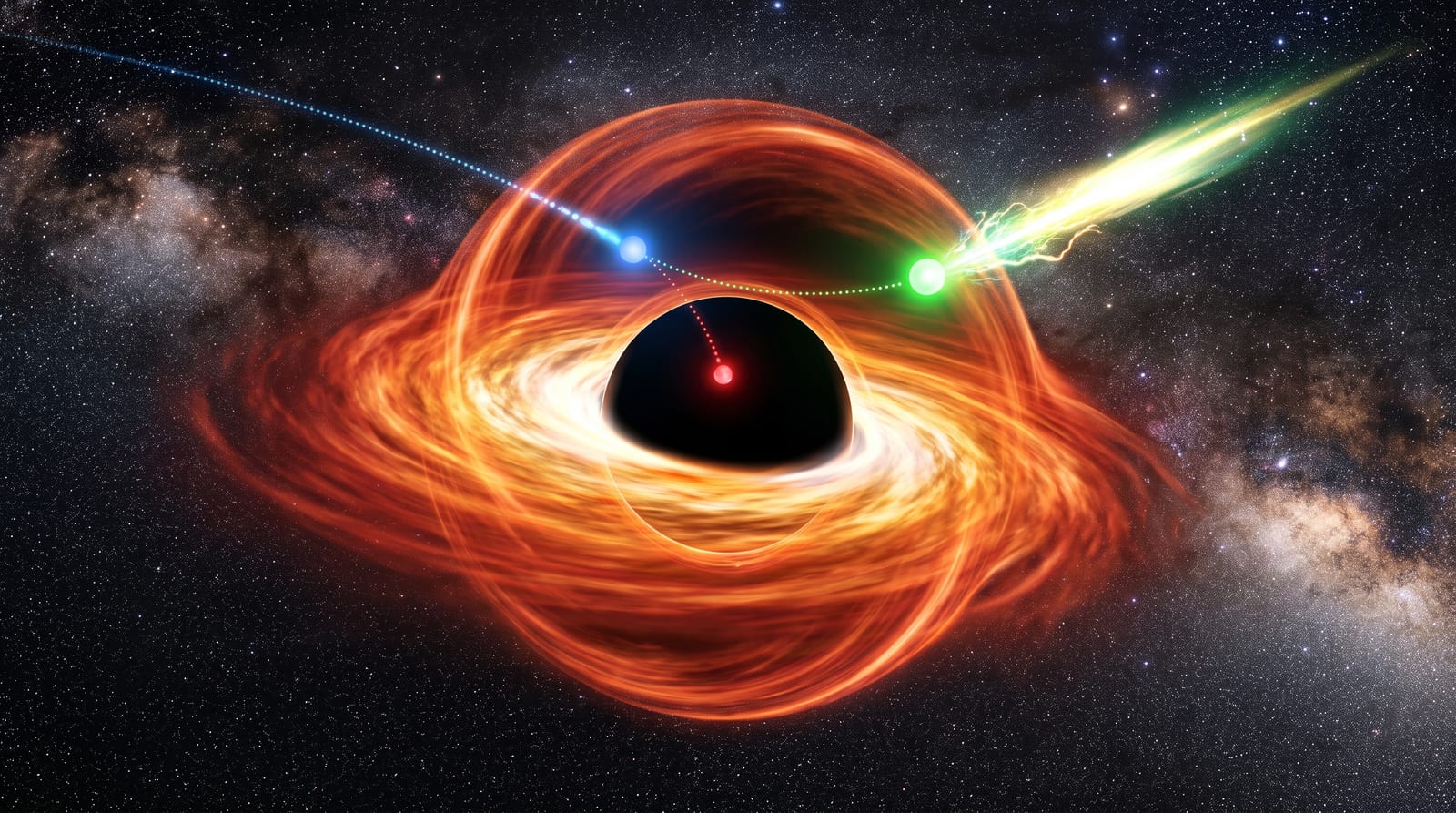
Physicists Recreated Black Hole Energy Extraction in the Lab Using Synthetic Rotation. A 50-Year-Old Theory Finally Works.
Researchers at CUNY's Advanced Science Research Center demonstrated the Penrose-Zel'dovich process in a laboratory for the first time. Using a ring of electronic resonators that simulate extreme rotation without physically moving, they showed that electromagnetic waves can extract energy from synthetic rotation, confirming a black hole energy theory proposed by Roger Penrose in 1969 and extended by Yakov Zel'dovich in 1971. The findings, published in Nature on July 10, 2026, open new avenues in optics, communications, and quantum science while validating one of the most extreme predictions of general relativity.
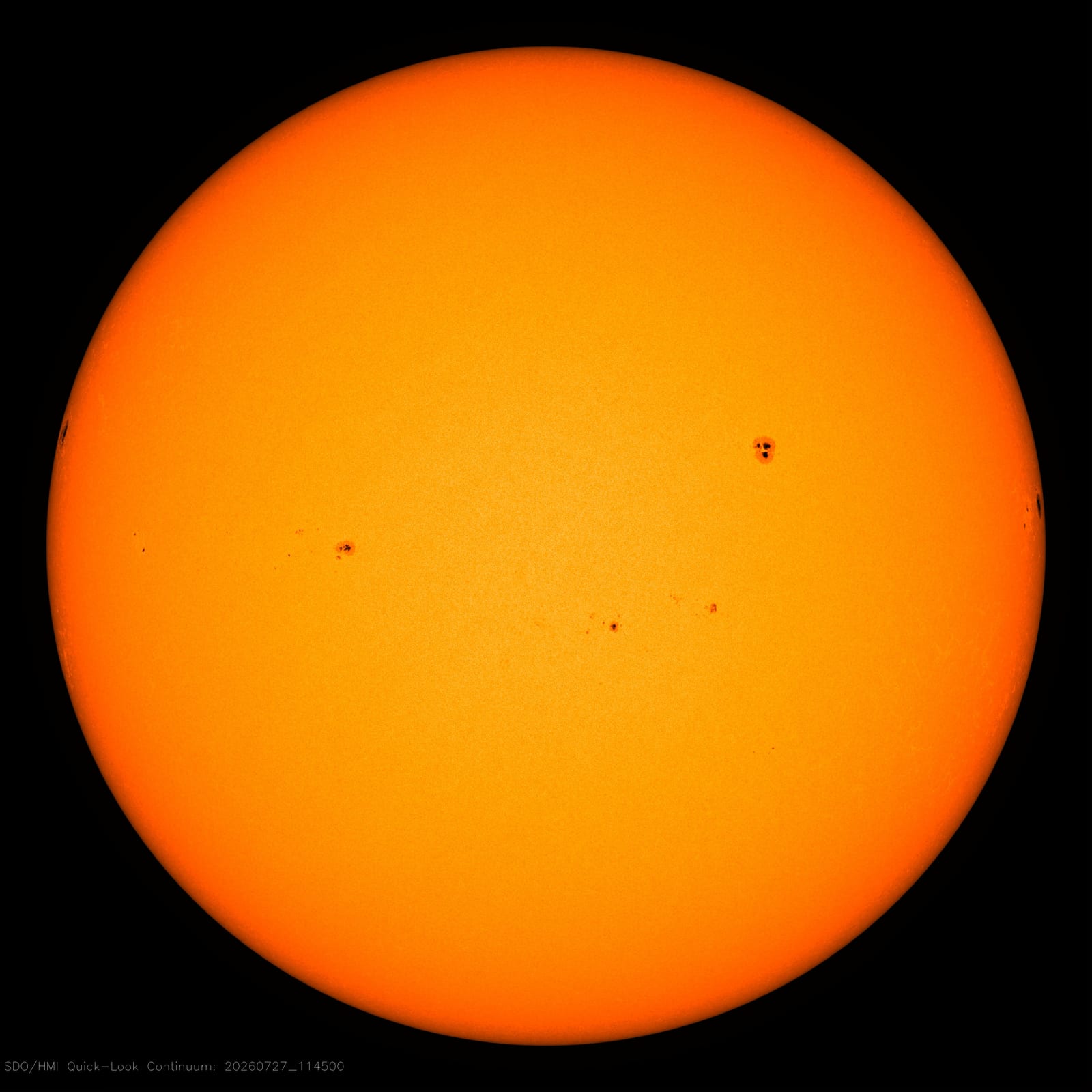
The Sun Has a Hidden Switch-Off Signal That Can Predict the Next Solar Cycle Years in Advance
Scientists discovered that the Sun's most extreme space weather does not fade away gradually. It switches off suddenly at a specific point in every solar cycle, and the number of sunspots at that moment predicts how active the next cycle will be up to seven years before it peaks.
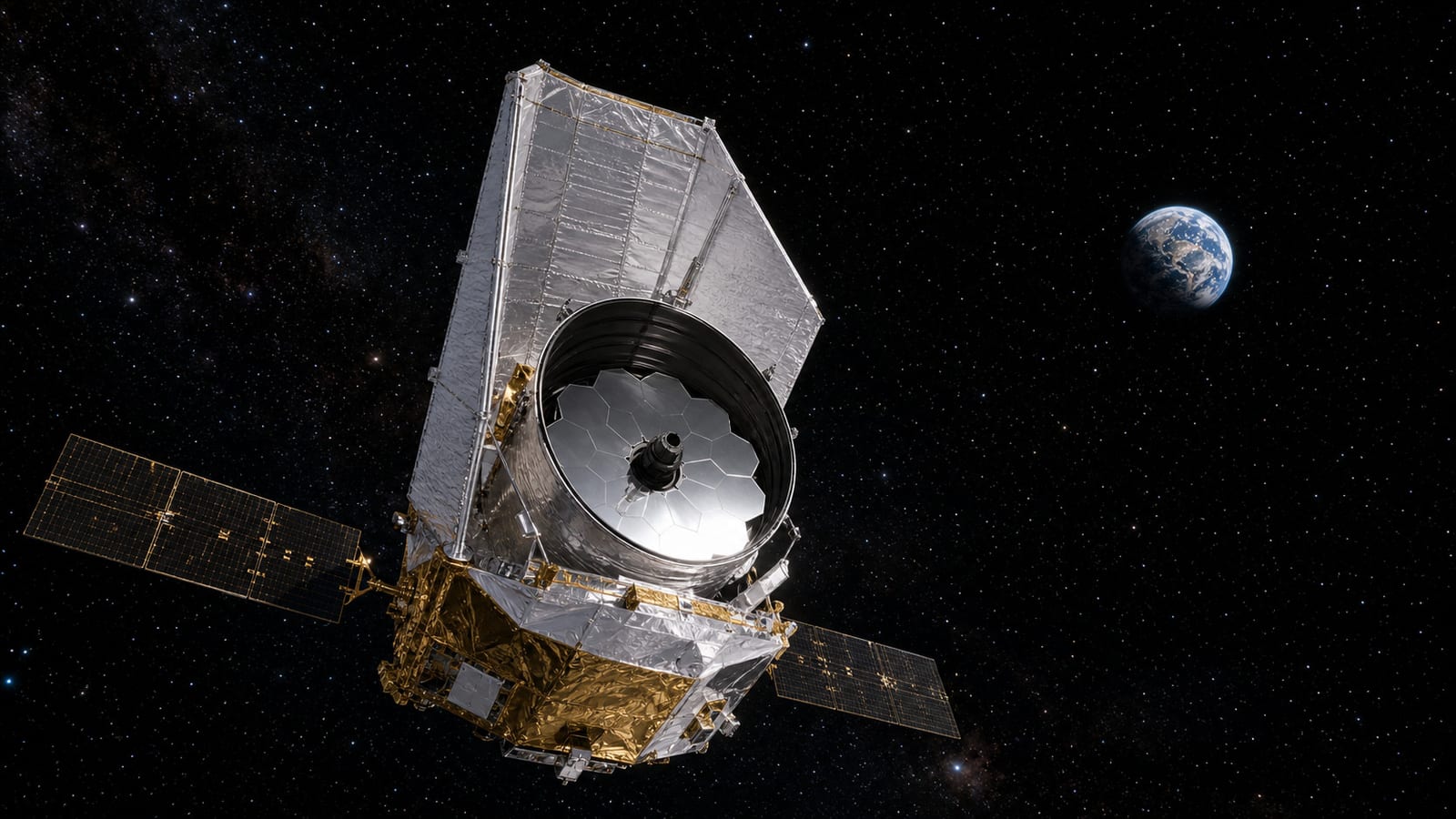
NASA's Roman Space Telescope Launches in 36 Days. It Will Map a Billion Galaxies and Find Thousands of New Worlds.
The Nancy Grace Roman Space Telescope, NASA's next flagship astrophysics observatory, launches August 30 aboard a SpaceX Falcon Heavy. With a field of view 100 times larger than Hubble, a billion-galaxy dark energy survey, and a coronagraph that could pave the way to imaging Earth-like planets, Roman is built to answer questions no existing telescope can touch.
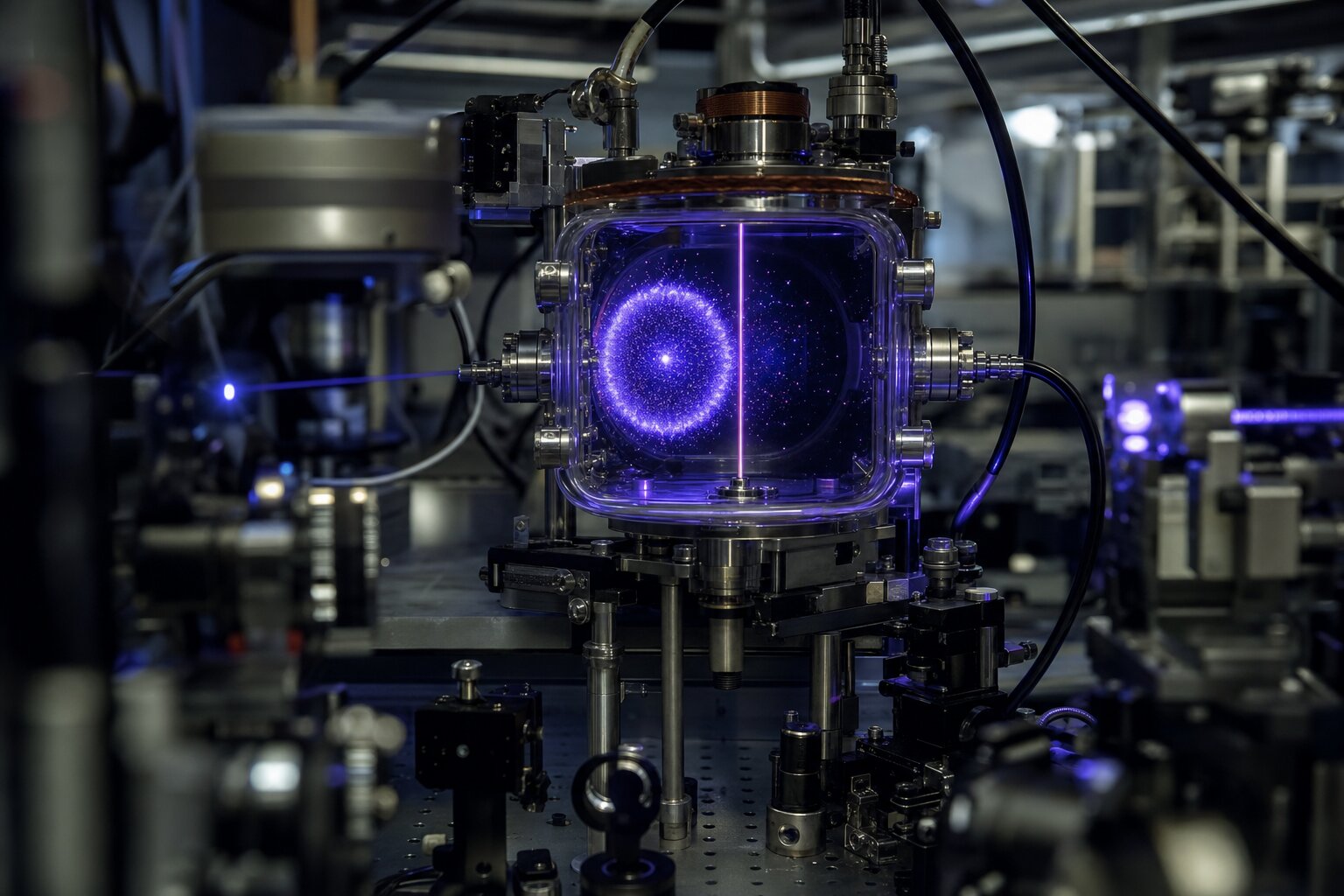
Physicists Created a Tiny Universe From 24,000 Atoms and Watched Time Emerge All by Itself
A physicist at the University of Birmingham sealed 24,000 ultracold atoms inside an isolated chamber and watched as time emerged naturally from the system, without any external clock. When the distribution of atoms stopped changing, time effectively stopped. The experiment tests whether time is fundamental or emerges from change.
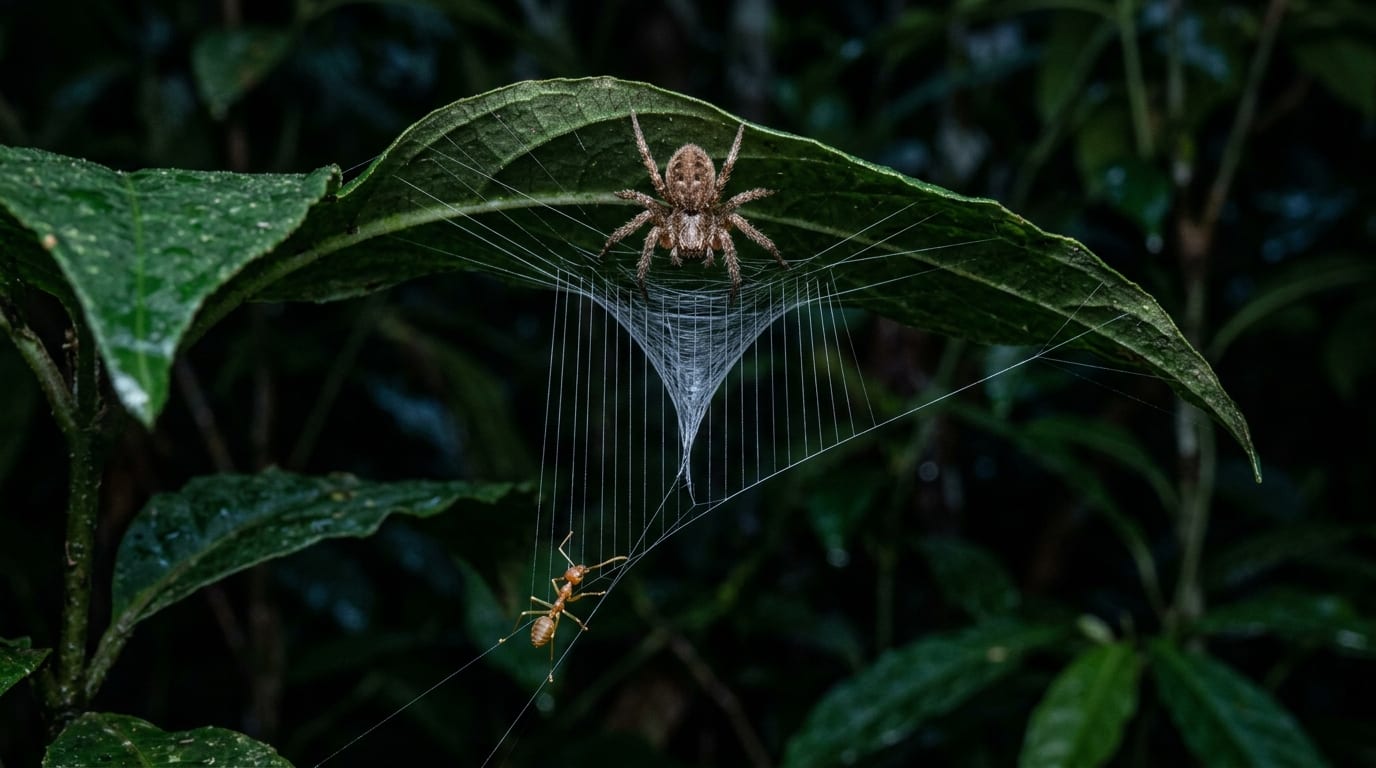
The Ballista Spider Catapults Ants Into Its Web Using a Spring-Loaded Silk Trap
In the rainforests of Queensland, a spider builds a cone-shaped silk trap that launches green tree ants into its web with accelerations of 1,300 m/s2, more than 15 times the G-force of a jet pilot. The ballista spider only hunts one species of ant, making it one of the most specialized predators ever discovered.
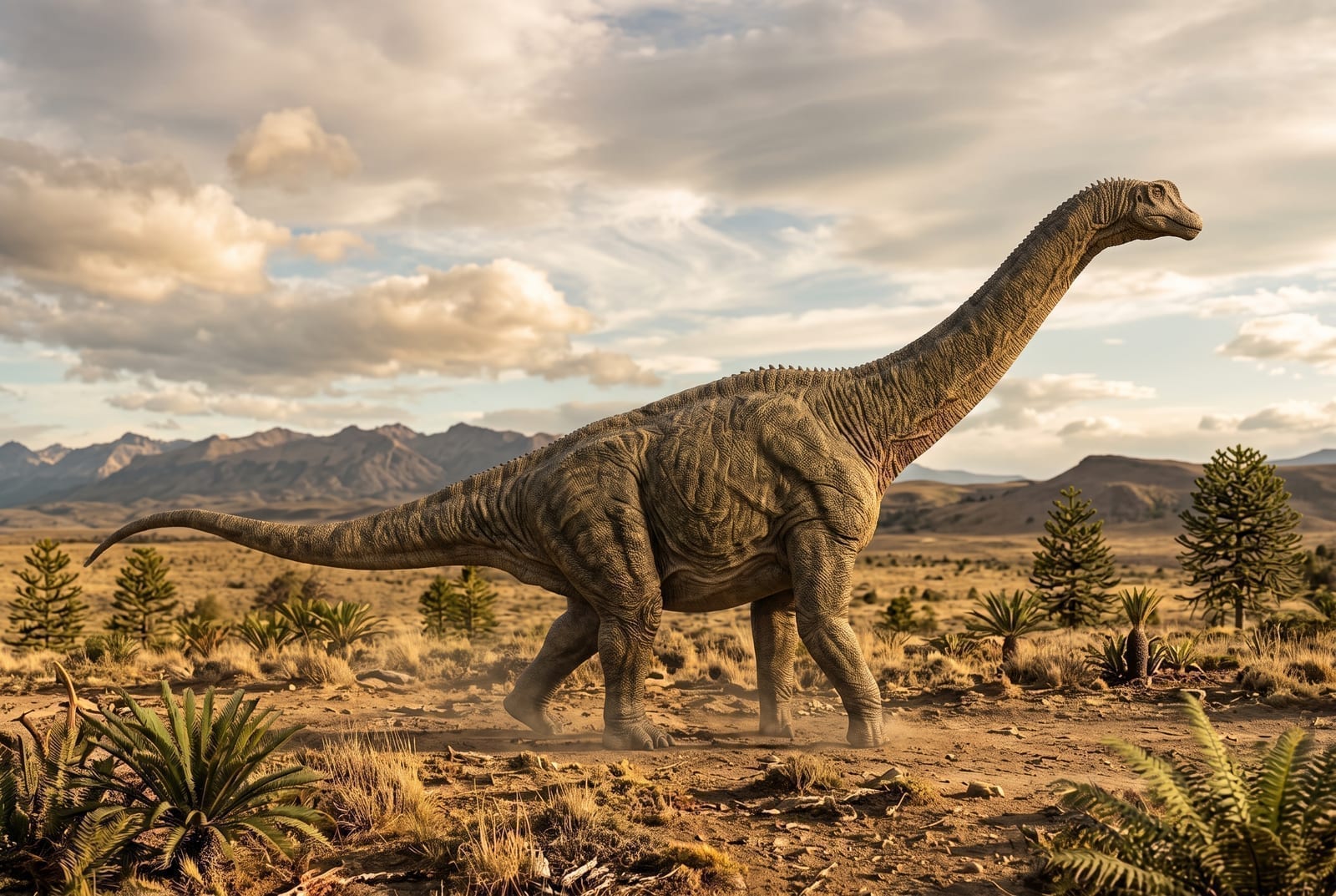
A 65-Foot Dinosaur Found in Argentina Blends Brachiosaurus and Diplodocus Features Into One Puzzle
A new species of sauropod dinosaur discovered in Patagonia, Bicharracosaurus dionidei, carries a mix of features from two major dinosaur lineages: the brachiosaurids and the diplodocids. The 65-foot herbivore from the Late Jurassic is the first brachiosaurid ever found from the Jurassic of South America, filling a long-standing gap in the fossil record.
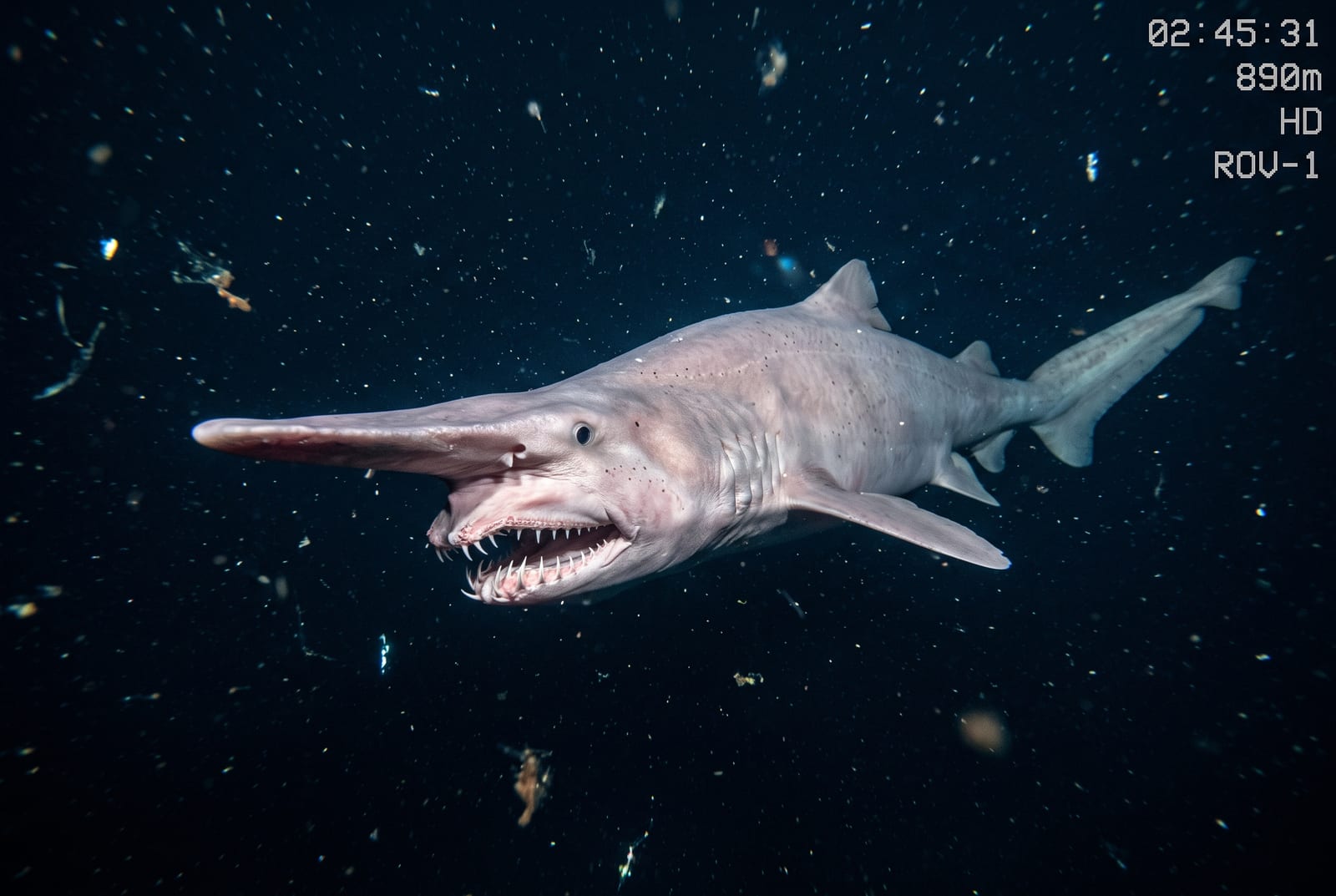
Goblin Shark Filmed Alive in the Deep Ocean for the First Time. A 125-Million-Year-Old Mystery Just Got Answers.
For more than a century, every confirmed sighting of a live goblin shark came only after the animal was caught on a fishing line and hauled to the surface, where it soon died. Now scientists have filmed two healthy goblin sharks swimming in their natural deep-ocean habitat, dramatically expanding the known range of a 125-million-year-old species and setting a depth record for the entire mackerel shark group.
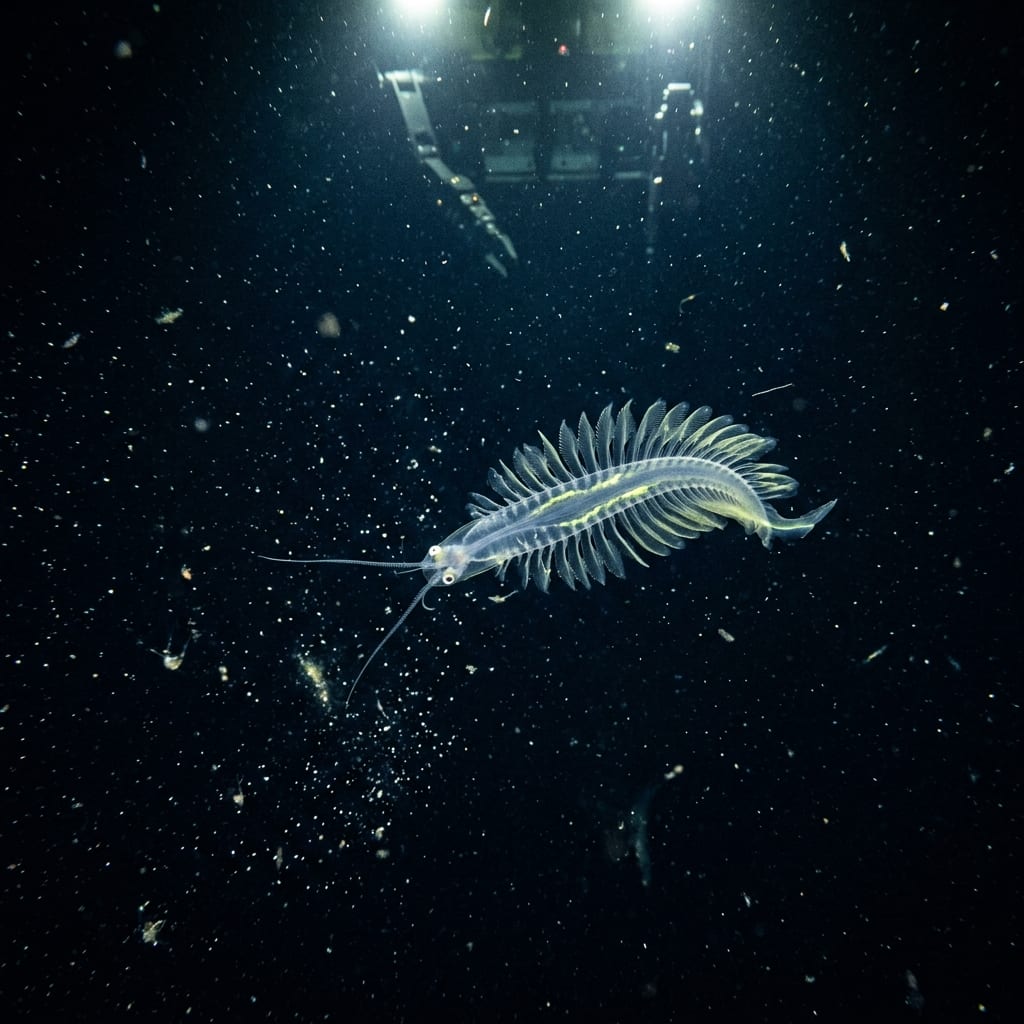
In Two Weeks Off Brazil, Scientists Identified 31 New Deep-Sea Species
An international team aboard Schmidt Ocean Institute research vessel Falkor (too) spent 14 days exploring the midwater off Brazil and identified 31 previously unknown species, from glowing jellyfish to gossamer worms, using laser imaging and onboard genetic sequencing.
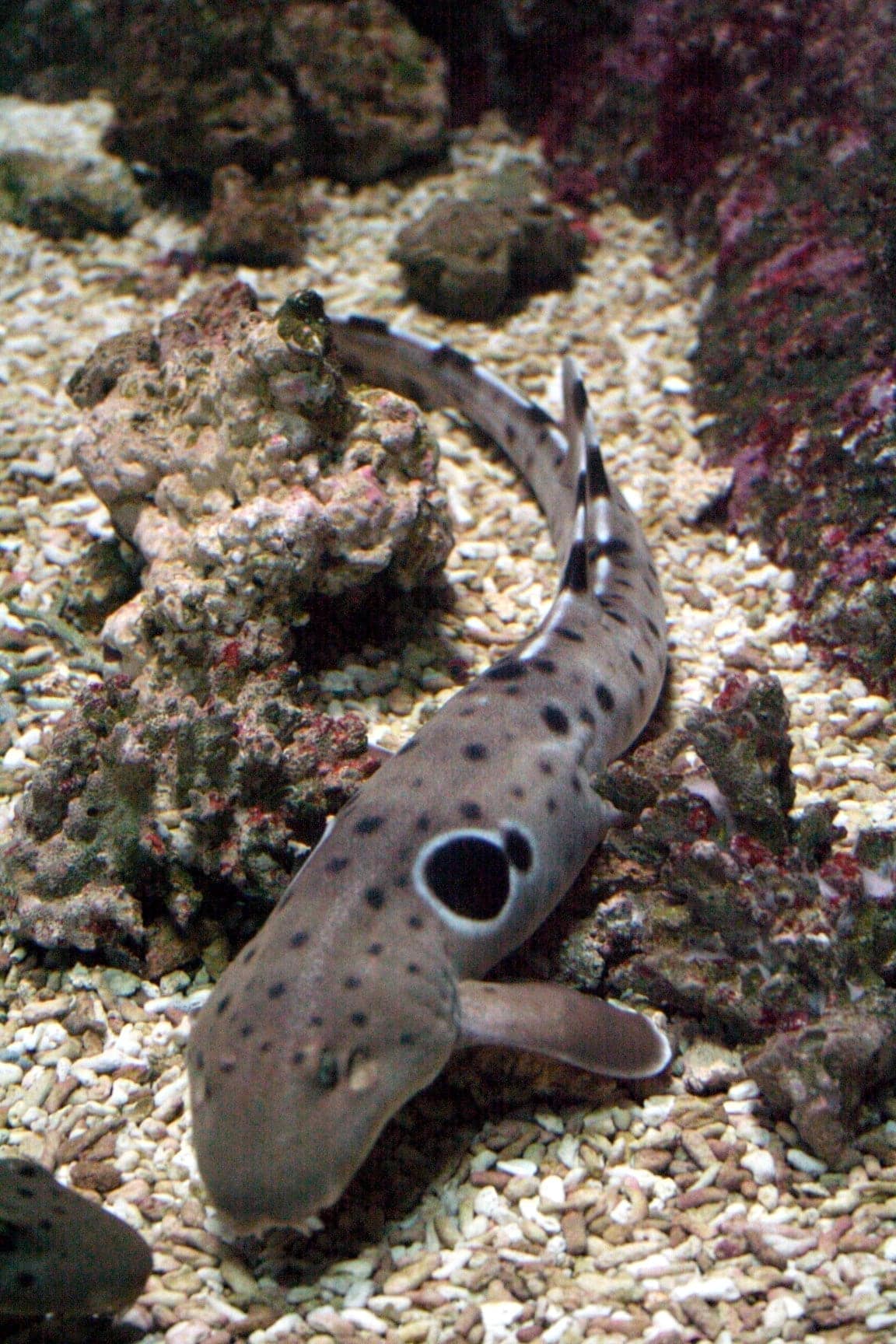
This Shark Walks on Four Fins. Scientists Just Found a New One.
Marine biologists surveying the waters of eastern Papua New Guinea have identified a tenth species of walking shark. Hemiscyllium dudgeonae uses its fins to crawl across the seafloor, and like its cousins, its tiny home range makes it vulnerable to extinction before most people even learn its name.
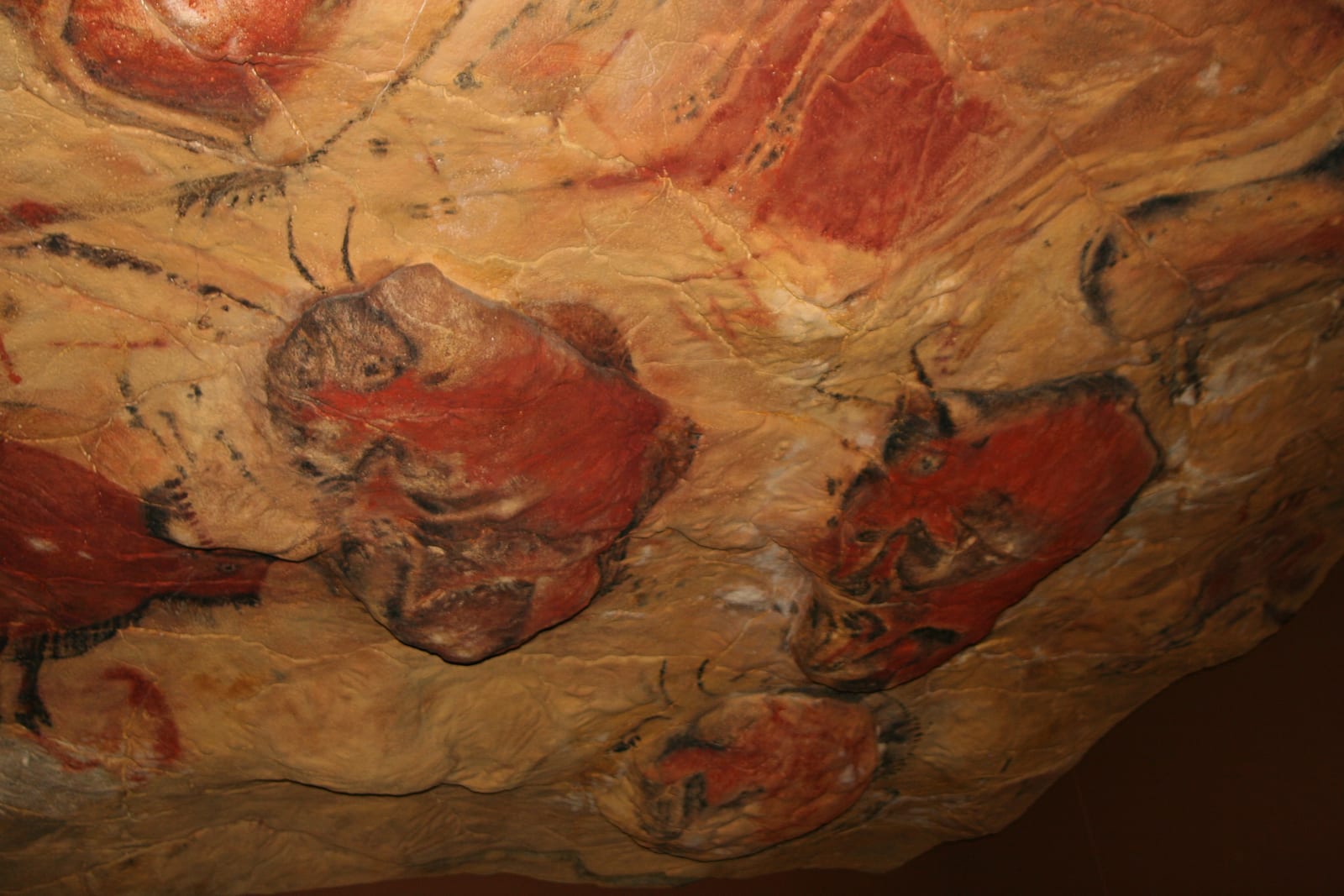
Scientists Pulled Ancient Human DNA From Cave Walls for the First Time
For the first time, researchers recovered ancient human DNA directly from prehistoric cave walls and rock art at sites across Spain and Portugal, including from hand stencils and pigment samples at Altamira, Escoural, and Covaron caves. The discovery opens the possibility of genetically identifying the Ice Age artists who created the world's oldest known paintings.
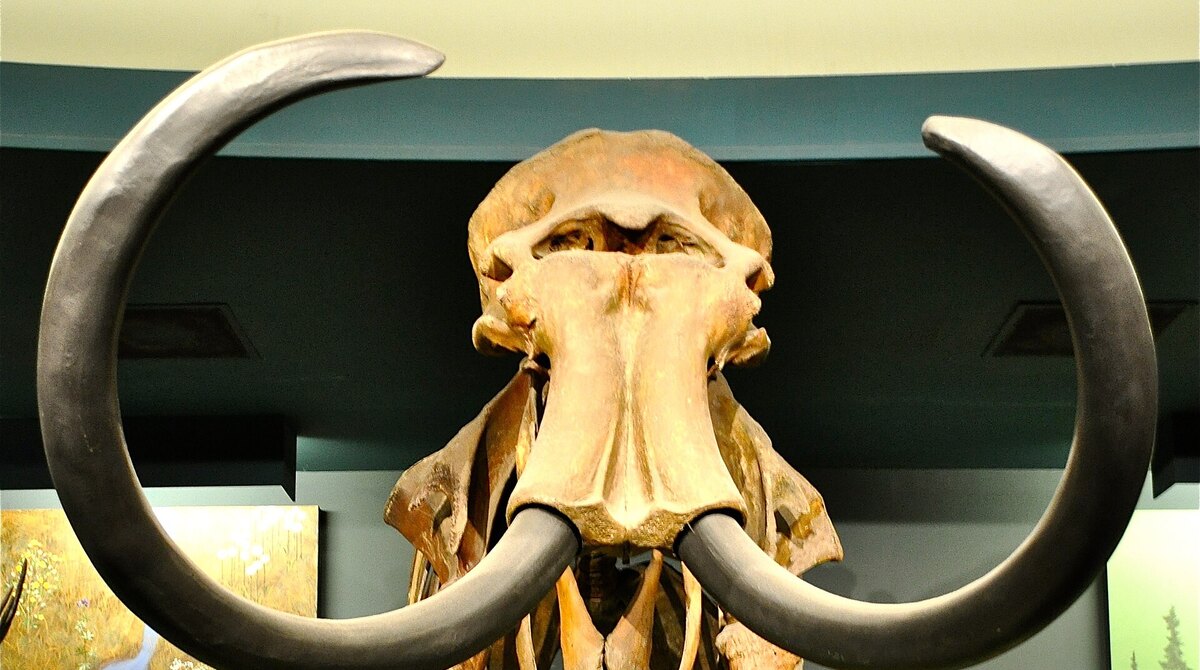
Millions of Smithsonian Objects Are Waiting for Better Stories
Smithsonian Open Access released millions of images and datasets for public reuse, turning museum storage into a giant story mine.
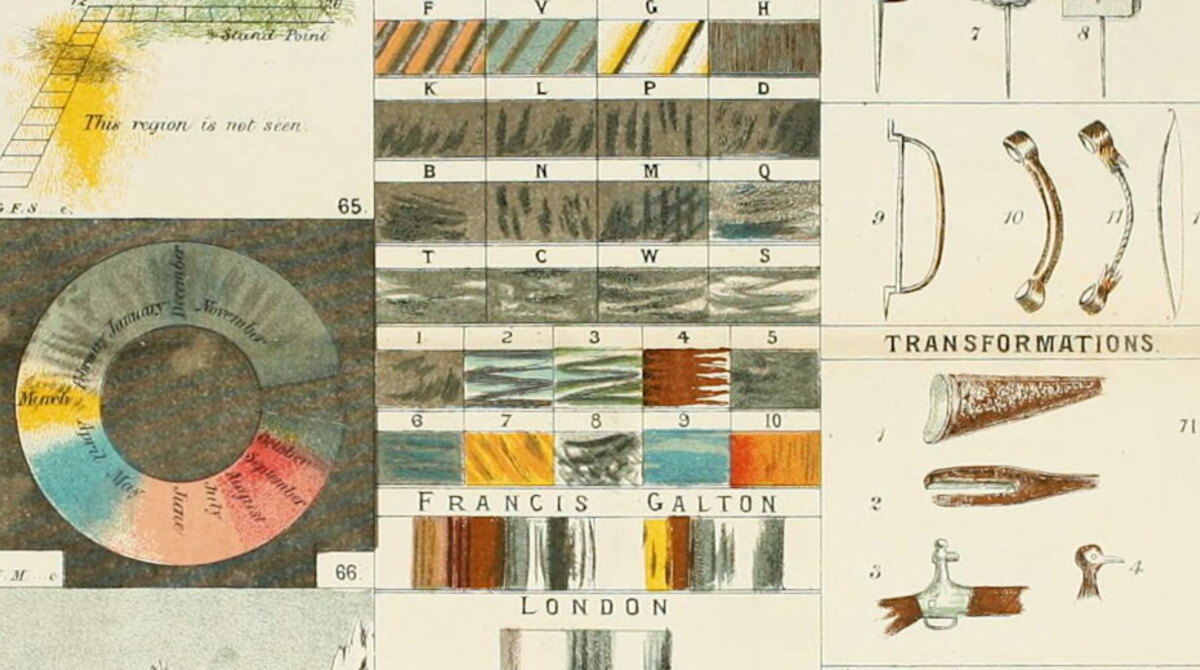
When Victorian Scientists Drew the Colors of Numbers
Francis Galton collected early diagrams of private color and number experiences, creating strange visual records of synaesthesia and mental imagery.
The Unknown
1 story
Curiosities
1 story