Exoplanets: Strange Worlds Beyond Our Solar System
Thousands of planets have been found orbiting distant stars, and each one challenges what we thought we knew about how worlds form, evolve, and survive. Impossible Universe's exoplanet collection spans detection methods, atmospheric chemistry, extreme orbits, and the search for worlds that might host life. Use the links below to jump to a specific angle, or scroll through the full collection.
New discoveries
July 2026 was a banner month for exoplanet discoveries. JWST found a third planet hidden in the Beta Pictoris system by reading its atmospheric fingerprint. An AI pipeline named RAVEN confirmed 118 new worlds in TESS data. And TESS itself caught its first microlensing planet, a super-Jupiter 40,000 light-years away, by watching it warp the light of a background star. These stories show how new tools and techniques are finding planets that traditional methods missed for years.
JWST Found a Third Planet Hiding in the Beta Pictoris System. What Made It Visible Was Not a Picture, but a Chemical Bar Code.
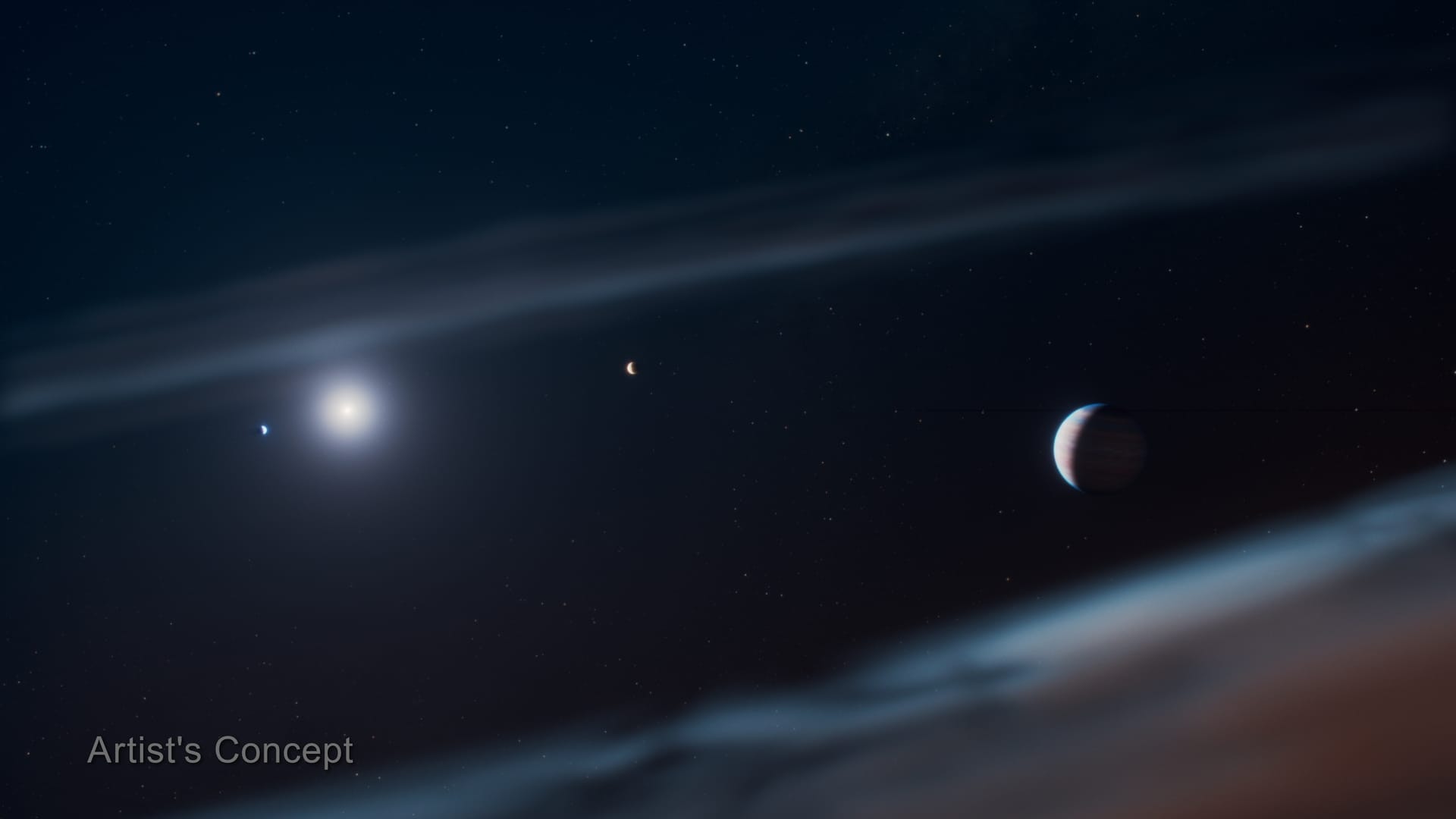
The Beta Pictoris system, one of the most studied young star systems in the galaxy, has been hiding a third giant planet for more than a decade. JWST discovered Beta Pictoris d not by imaging it directly, but by detecting the chemical fingerprint of its atmosphere in spectroscopic data. At 2.4 times the mass of Jupiter, it is the faintest exoplanet ever imaged from Earth.
TESS Found Its First Planet by Watching It Warp Spacetime. A Super-Jupiter 40,000 Light-Years Away Bent Light to Reveal Itself.
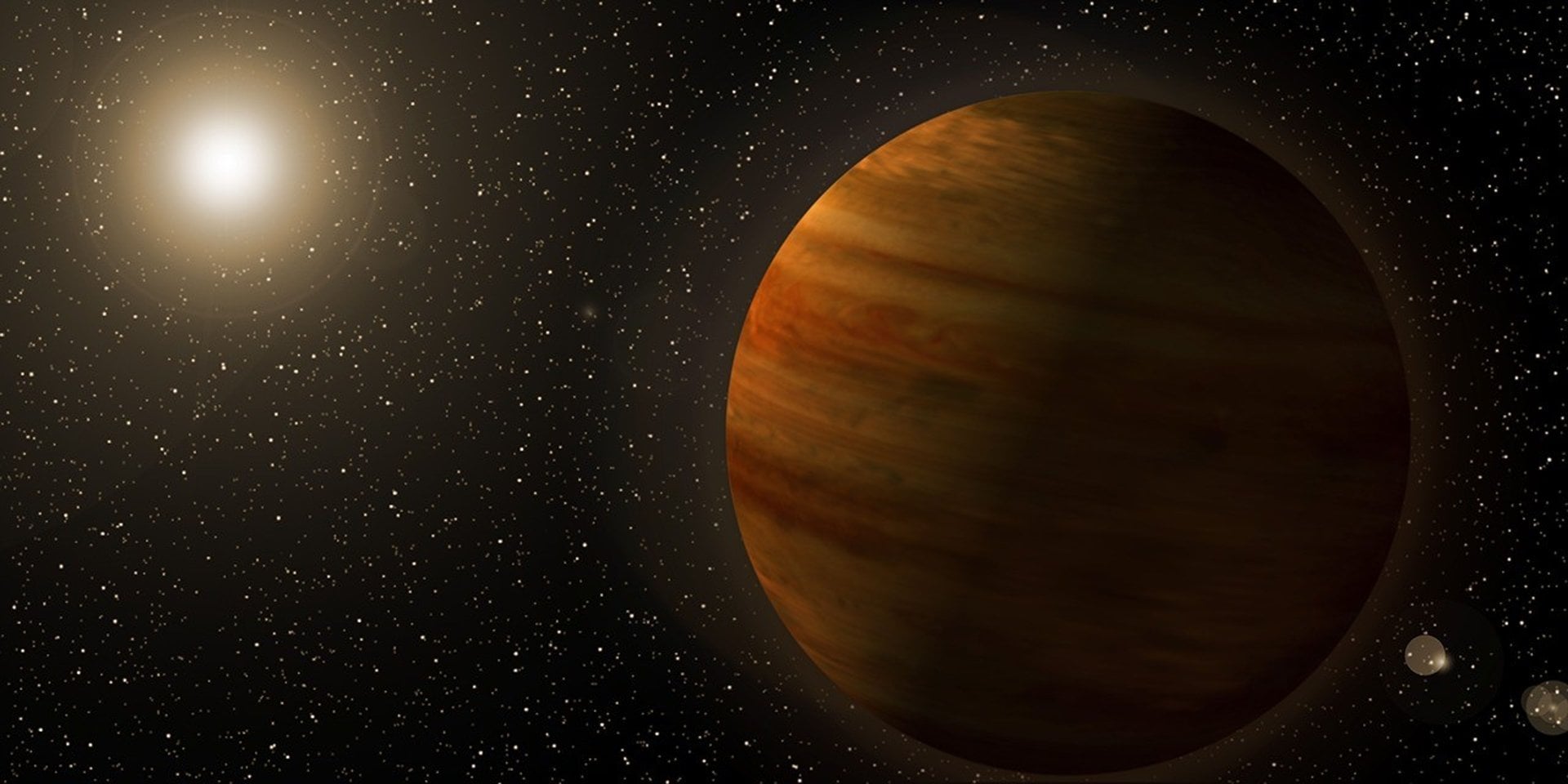
NASA TESS satellite discovered its first planet using gravitational microlensing, a technique that detects planets by how they warp spacetime rather than by blocking starlight. Gaia23bra b, a super-Jupiter 40,000 light-years away, was found hiding in eight years of archived TESS data after being flagged by the Gaia space telescope in 2023.
AI Found 118 Hidden Planets in NASA TESS Data. The Neptunian Desert Just Got Its First Head Count.
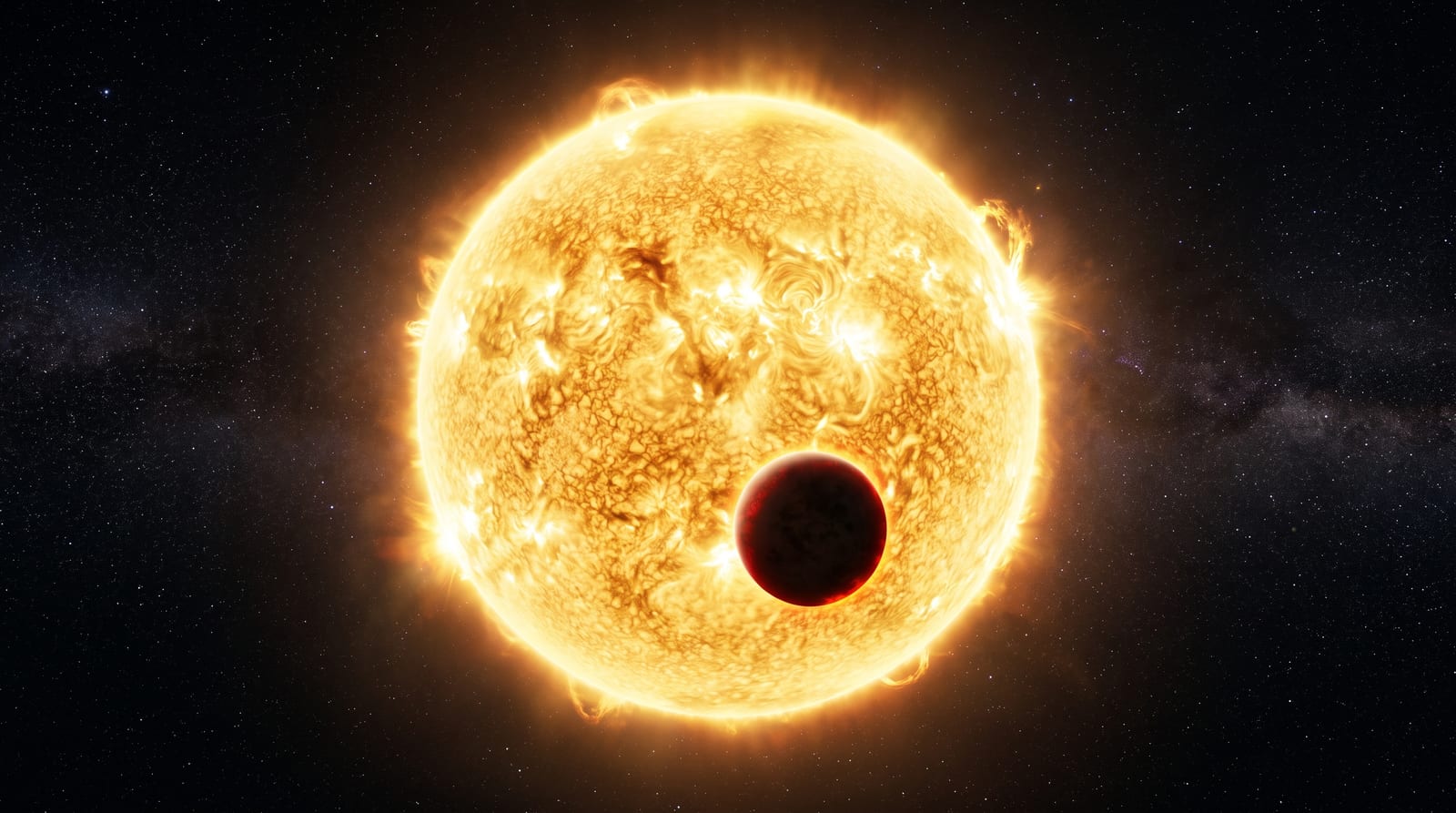
Using a new AI pipeline called RAVEN trained on realistic simulations, astronomers at the University of Warwick validated 118 new exoplanets from 2.2 million stars observed by NASA TESS mission. The haul includes ultra-short-period planets that orbit in under 24 hours and the first direct measurement of how rare Neptunian desert planets really are.
Extreme worlds
Some exoplanets push the boundaries of what a planet can be. HD 80606b swings past its star on an orbit so eccentric that its temperature spikes by 1,100 degrees Fahrenheit in hours. LHS 3844b is tidally locked, with one hemisphere perpetually baked and the other permanently frozen, yet its interior may circulate enough heat to create habitable pockets. TOI-791 hosts planets so light they have been compared to cotton candy. These worlds make our solar system look tame.
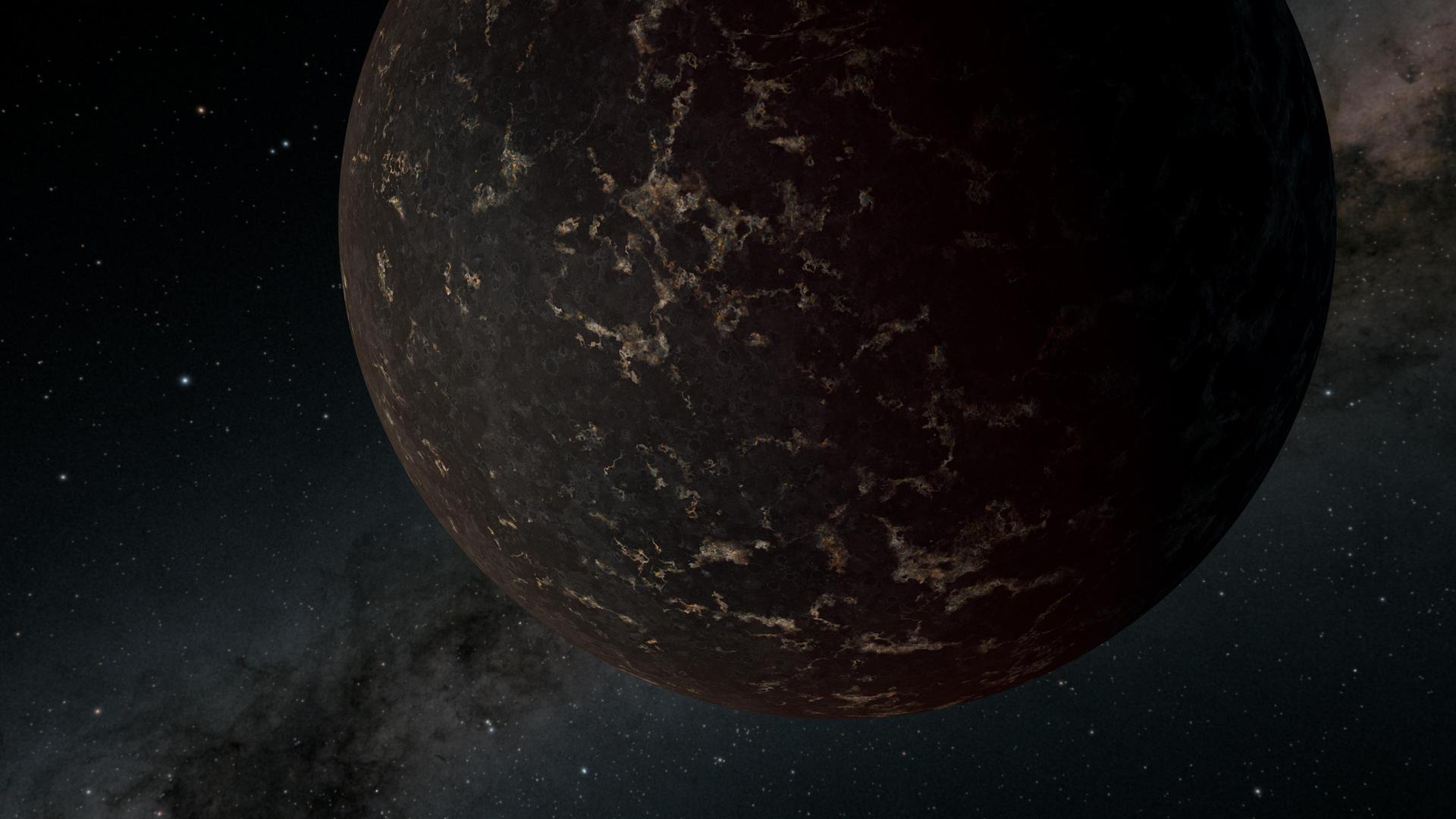
A Planet With Eternal Day and Endless Night. A Tabletop Experiment in a Tank of Glycerol Found a Way Life Could Survive.
LHS 3844b, a tidally locked exoplanet 48.5 light-years away, bakes one side at thousands of degrees while the other hovers near absolute zero. Researchers at the University of Pennsylvania built a physical model of the planet mantle in a lab tank and found that internal heat circulation creates stable moderate-temperature zones that could support life.
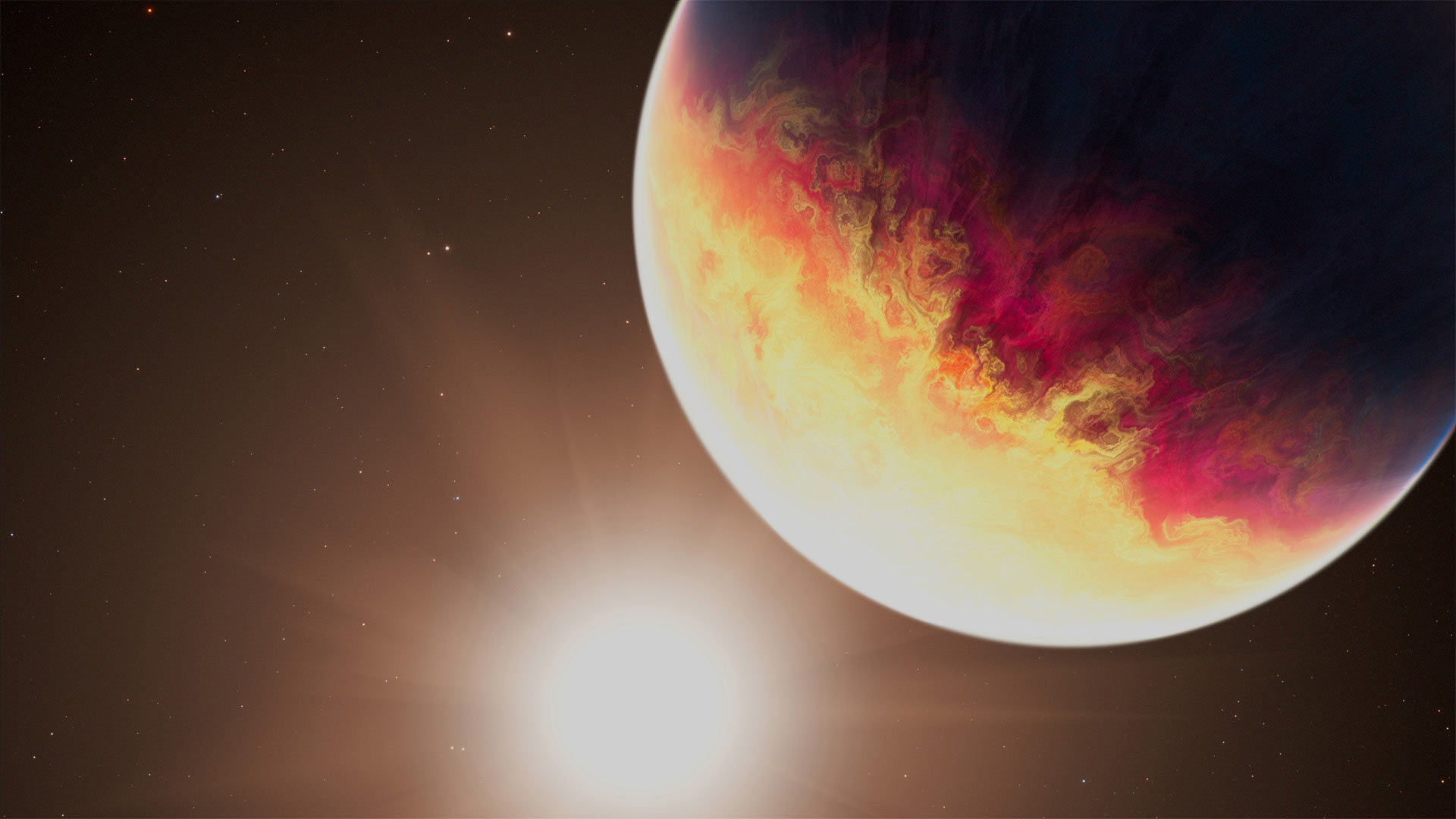
JWST Caught a Hot Jupiter Getting Flash-Heated. The Temperature Spike Was Worse Than Expected.
HD 80606b has one of the most extreme orbits of any known exoplanet, a 111-day elliptical loop that swings from 0.88 AU to 0.03 AU from its star. JWST's MIRI instrument watched the planet whip past its star and measured a temperature spike of 1,100 degrees Fahrenheit, more extreme than Spitzer had predicted.
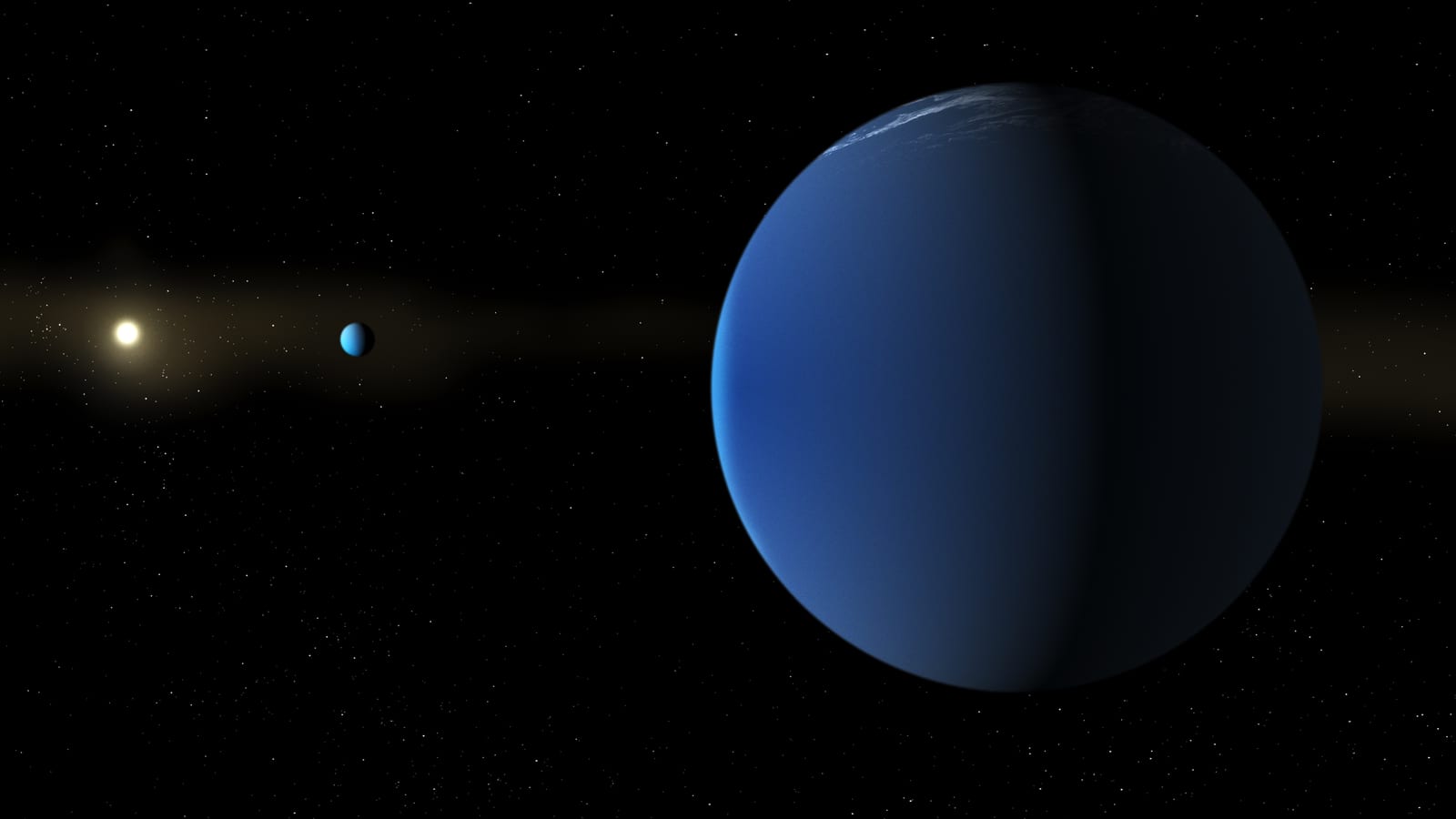
Jupiter-Sized Planets Lighter Than Cotton Candy. The Puffiest Worlds Ever Found.
Two gas giants orbiting a star 1,110 light-years away are roughly the size of Jupiter but have densities lower than cotton candy. A global telescope network spent seven years confirming these are the puffiest planets ever detected.
Atmospheres and chemistry
JWST has revolutionized the study of exoplanet atmospheres. It watched dawn and dusk on WASP-121b and found two completely different chemical regimes on the same planet. It identified salt clouds on GJ 504b, solving a ten-year mystery about the planet's unusual pink color. It measured the chemical composition of Beta Pictoris d's atmosphere to confirm it was a planet in the first place. Each detection adds a piece to the puzzle of how planetary atmospheres work under conditions very different from our own.
JWST Found a Third Planet Hiding in the Beta Pictoris System. What Made It Visible Was Not a Picture, but a Chemical Bar Code.
The Beta Pictoris system, one of the most studied young star systems in the galaxy, has been hiding a third giant planet for more than a decade. JWST discovered Beta Pictoris d not by imaging it directly, but by detecting the chemical fingerprint of its atmosphere in spectroscopic data. At 2.4 times the mass of Jupiter, it is the faintest exoplanet ever imaged from Earth.
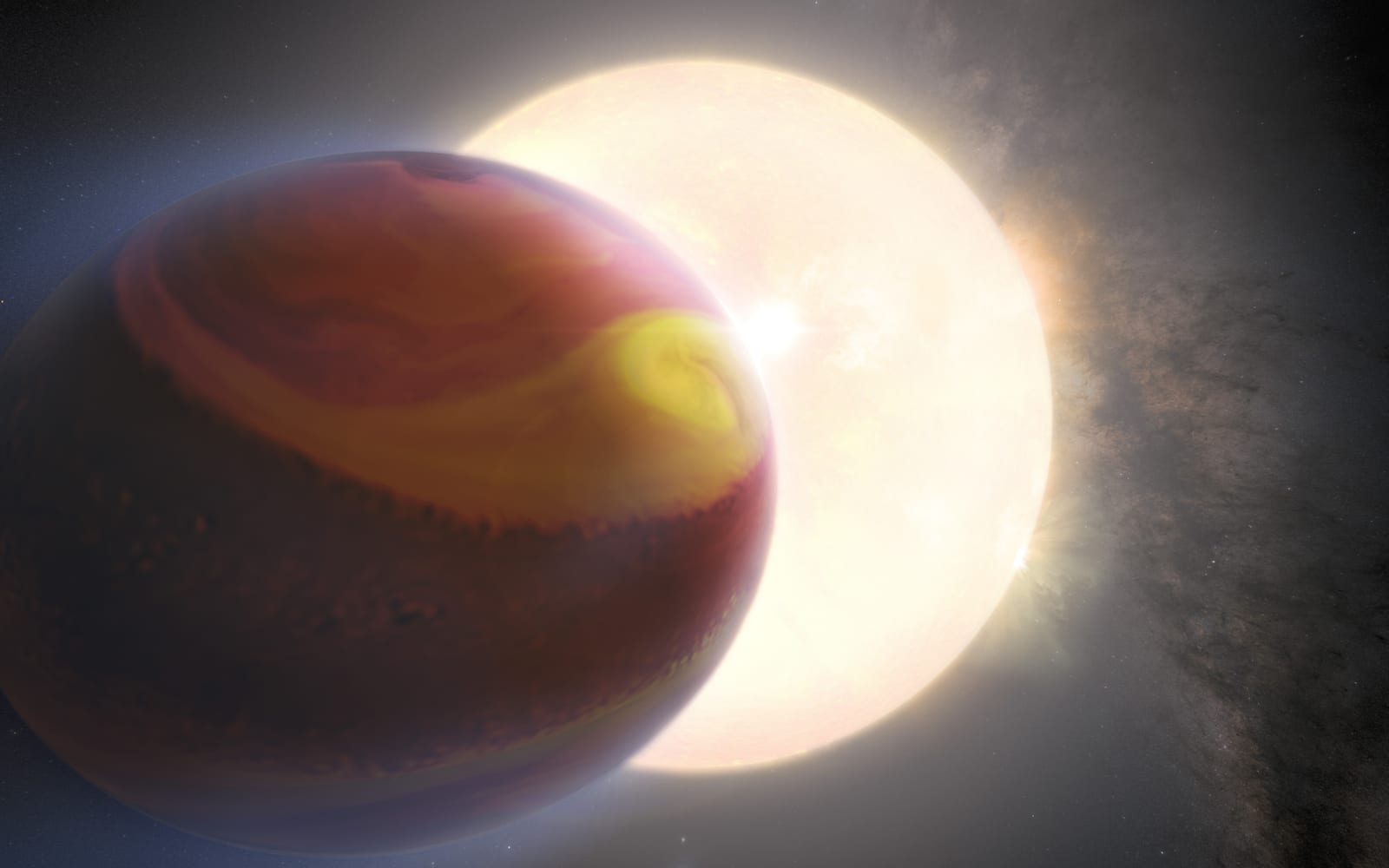
JWST Saw Dawn and Dusk on a Hellish Exoplanet. The Two Faces Could Not Be More Different.
JWST revealed dramatic differences between the permanent dawn and dusk regions of ultra-hot Jupiter WASP-121 b. Fierce winds make evening hundreds of degrees hotter than morning, water molecules are torn apart by the heat, and mineral clouds may shroud the cooler side.
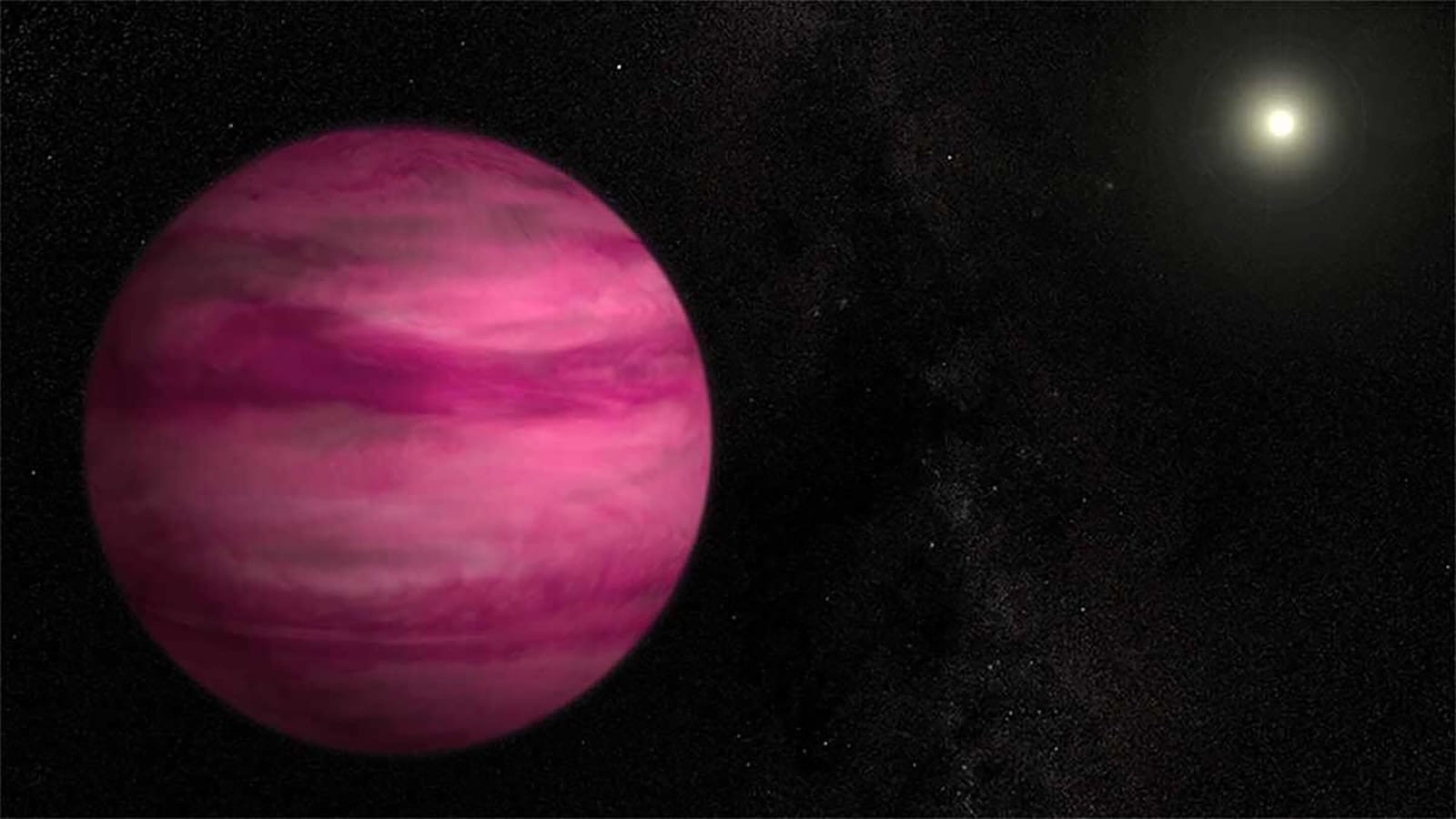
For a Decade, Astronomers Could Not Figure Out the Pink Planet. JWST Just Found Salt Clouds in Its Sky.
An exoplanet 57 light-years away has been too faint for ground-based telescopes to study since its discovery in 2013. The James Webb Space Telescope finally got a clean look and found something theorists predicted but had never confirmed: salt clouds.
Detection methods
Astronomers have built an extraordinary toolkit for finding planets that are invisible to the naked eye. The transit method catches planets as they dim their stars (TESS, RAVEN). Gravitational microlensing detects planets by the way they bend light around them (TESS microlensing). Direct imaging sees the planets themselves as faint specks near much brighter stars (Beta Pictoris, GJ 504b). The different methods complement each other: transit surveys find close-in planets, microlensing finds wide-orbit ones, and direct imaging fills the gap by seeing planets at intermediate distances around young stars.
JWST Found a Third Planet Hiding in the Beta Pictoris System. What Made It Visible Was Not a Picture, but a Chemical Bar Code.
The Beta Pictoris system, one of the most studied young star systems in the galaxy, has been hiding a third giant planet for more than a decade. JWST discovered Beta Pictoris d not by imaging it directly, but by detecting the chemical fingerprint of its atmosphere in spectroscopic data. At 2.4 times the mass of Jupiter, it is the faintest exoplanet ever imaged from Earth.
TESS Found Its First Planet by Watching It Warp Spacetime. A Super-Jupiter 40,000 Light-Years Away Bent Light to Reveal Itself.
NASA TESS satellite discovered its first planet using gravitational microlensing, a technique that detects planets by how they warp spacetime rather than by blocking starlight. Gaia23bra b, a super-Jupiter 40,000 light-years away, was found hiding in eight years of archived TESS data after being flagged by the Gaia space telescope in 2023.
AI Found 118 Hidden Planets in NASA TESS Data. The Neptunian Desert Just Got Its First Head Count.
Using a new AI pipeline called RAVEN trained on realistic simulations, astronomers at the University of Warwick validated 118 new exoplanets from 2.2 million stars observed by NASA TESS mission. The haul includes ultra-short-period planets that orbit in under 24 hours and the first direct measurement of how rare Neptunian desert planets really are.
For a Decade, Astronomers Could Not Figure Out the Pink Planet. JWST Just Found Salt Clouds in Its Sky.
An exoplanet 57 light-years away has been too faint for ground-based telescopes to study since its discovery in 2013. The James Webb Space Telescope finally got a clean look and found something theorists predicted but had never confirmed: salt clouds.