Stories
Curiosities, mysteries, and odd corners of reality. Page 1 of 6.
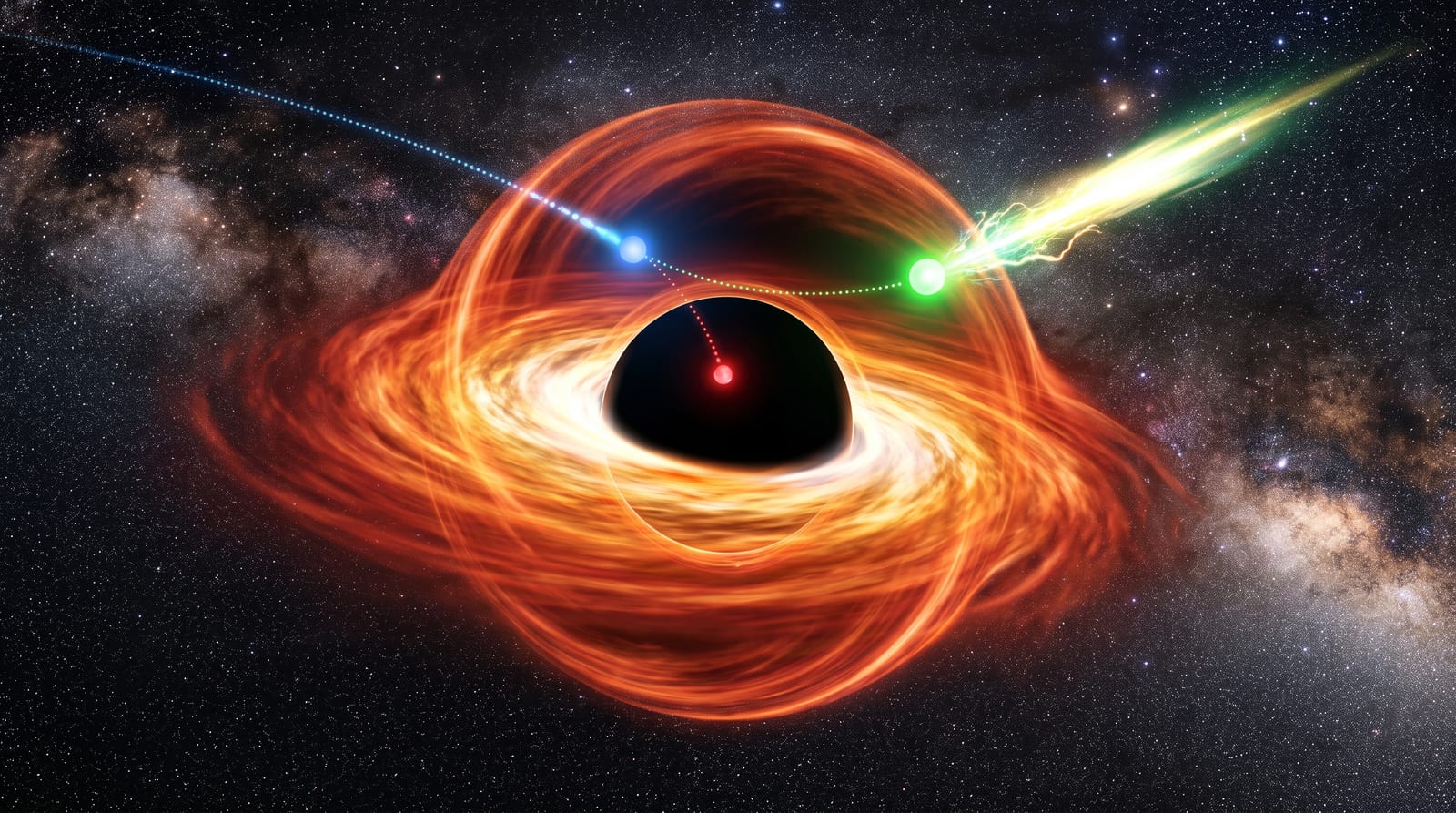
Physicists Recreated Black Hole Energy Extraction in the Lab Using Synthetic Rotation. A 50-Year-Old Theory Finally Works.
Researchers at CUNY's Advanced Science Research Center demonstrated the Penrose-Zel'dovich process in a laboratory for the first time. Using a ring of electronic resonators that simulate extreme rotation without physically moving, they showed that electromagnetic waves can extract energy from synthetic rotation, confirming a black hole energy theory proposed by Roger Penrose in 1969 and extended by Yakov Zel'dovich in 1971. The findings, published in Nature on July 10, 2026, open new avenues in optics, communications, and quantum science while validating one of the most extreme predictions of general relativity.
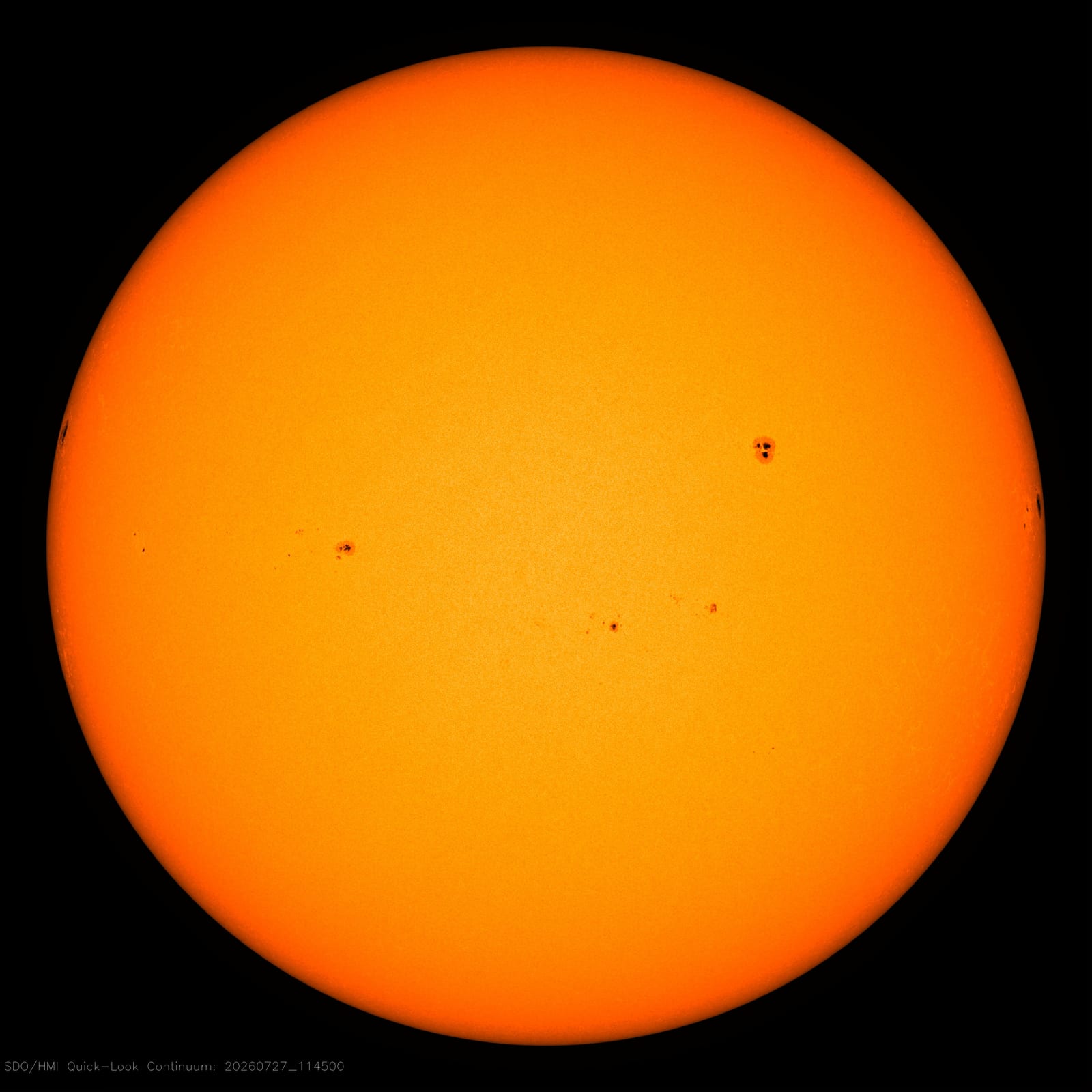
The Sun Has a Hidden Switch-Off Signal That Can Predict the Next Solar Cycle Years in Advance
Scientists discovered that the Sun's most extreme space weather does not fade away gradually. It switches off suddenly at a specific point in every solar cycle, and the number of sunspots at that moment predicts how active the next cycle will be up to seven years before it peaks.
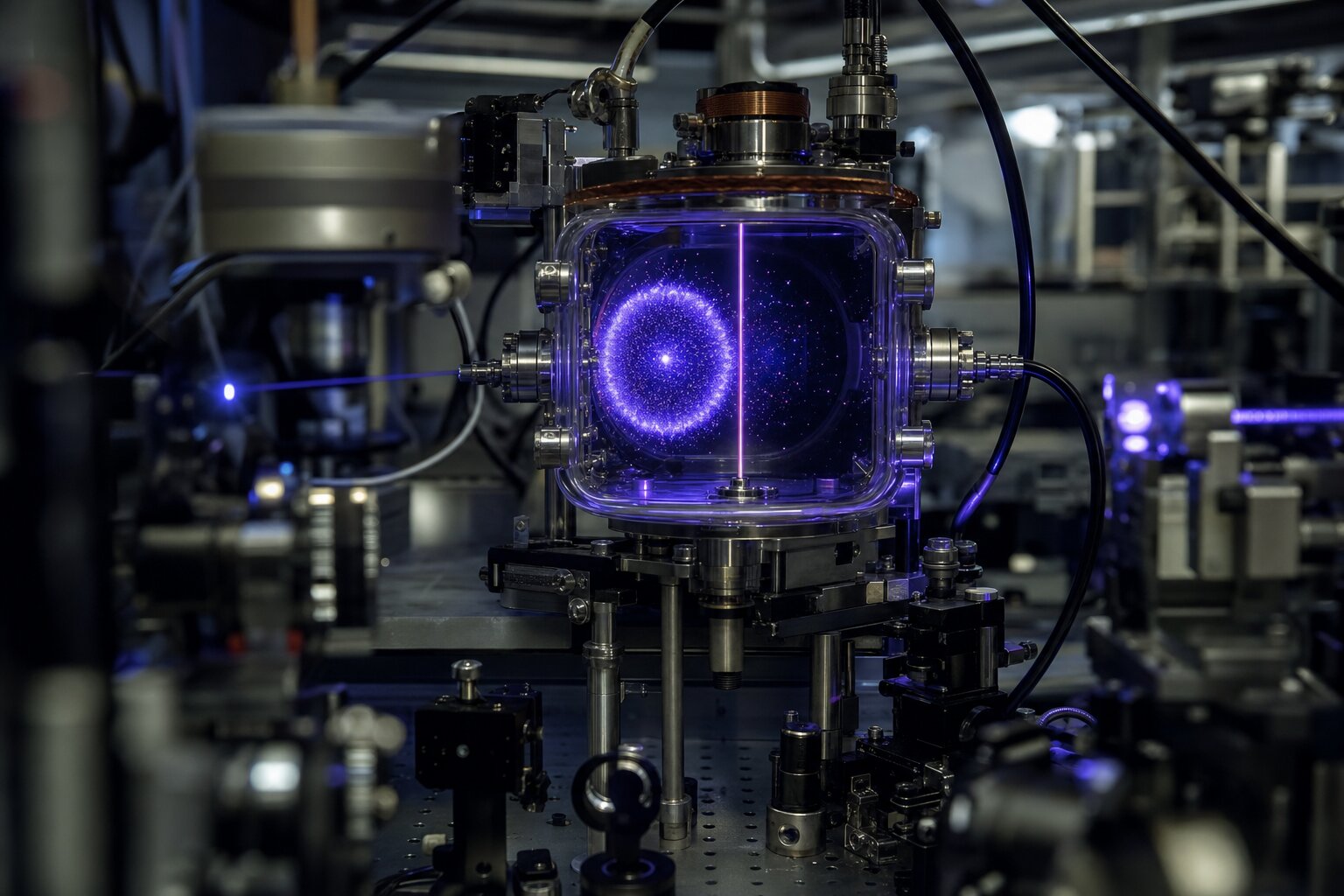
Physicists Created a Tiny Universe From 24,000 Atoms and Watched Time Emerge All by Itself
A physicist at the University of Birmingham sealed 24,000 ultracold atoms inside an isolated chamber and watched as time emerged naturally from the system, without any external clock. When the distribution of atoms stopped changing, time effectively stopped. The experiment tests whether time is fundamental or emerges from change.
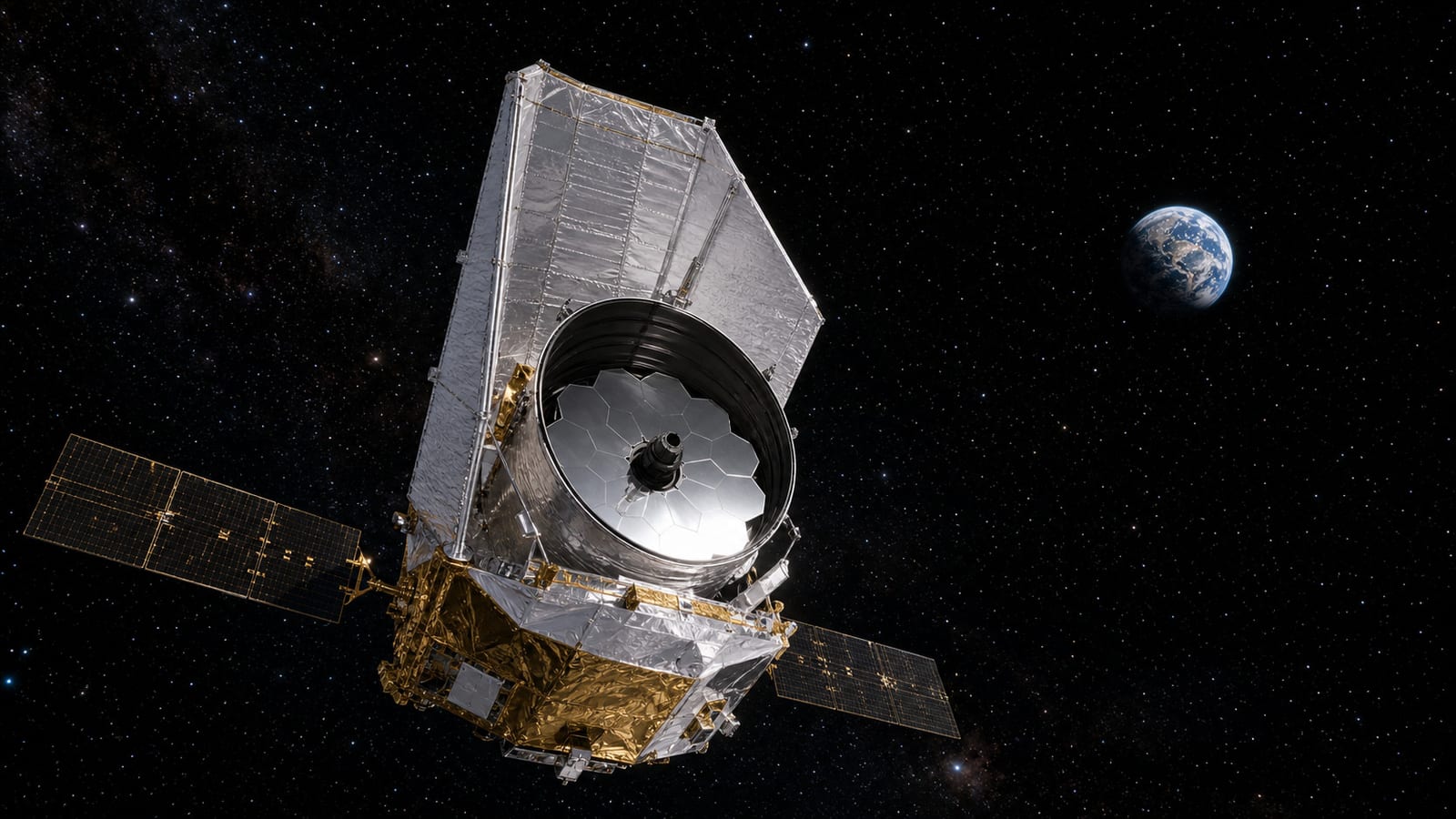
NASA's Roman Space Telescope Launches in 36 Days. It Will Map a Billion Galaxies and Find Thousands of New Worlds.
The Nancy Grace Roman Space Telescope, NASA's next flagship astrophysics observatory, launches August 30 aboard a SpaceX Falcon Heavy. With a field of view 100 times larger than Hubble, a billion-galaxy dark energy survey, and a coronagraph that could pave the way to imaging Earth-like planets, Roman is built to answer questions no existing telescope can touch.
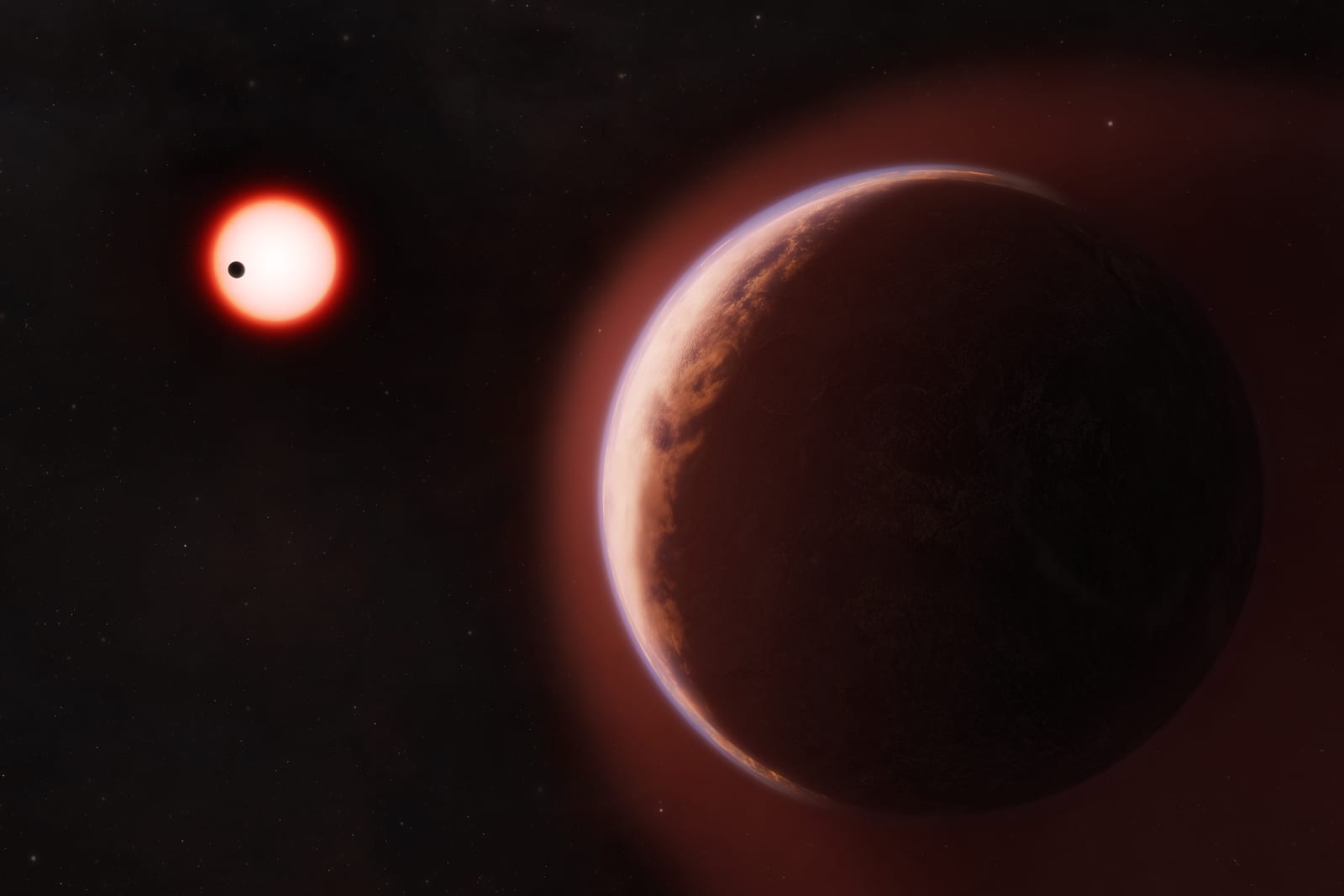
Astronomers Found the First Atmosphere on a Rocky World in the Habitable Zone. A Helium Leak Gave It Away.
For the first time, astronomers have confirmed an atmosphere around a rocky planet orbiting inside another star's habitable zone. LHS 1140 b, 48 light-years away, was found through escaping helium detected by the WINERED spectrograph at Chile's Magellan Observatory. The atmosphere has likely survived for more than 3 billion years, making it the strongest candidate yet for studying potentially habitable worlds beyond our solar system.
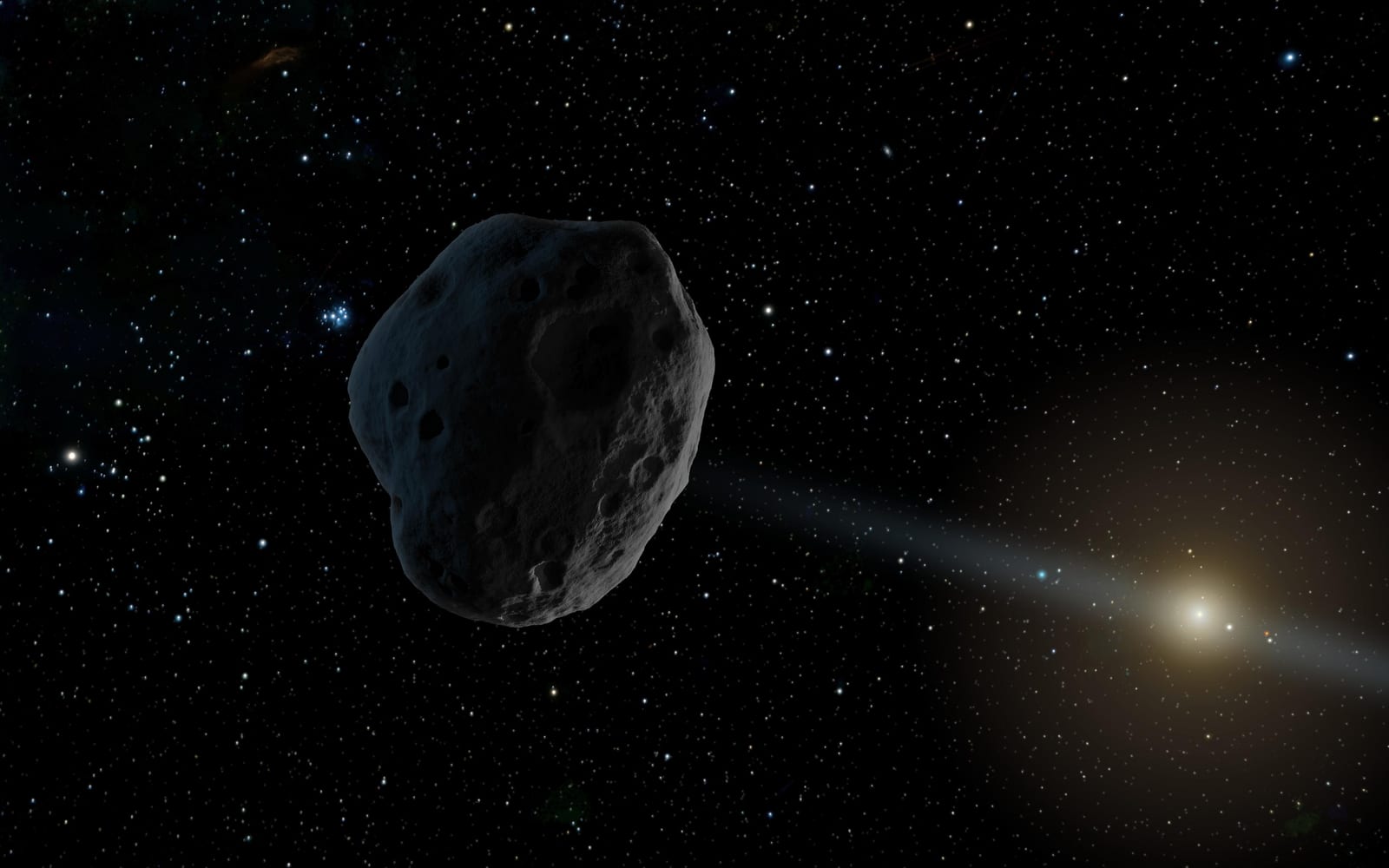
An Asteroid Pretended to Be Normal for 27 Years. Astronomers Finally Caught It Venting Gas.
For 27 years, the near-Earth object 1998 SH2 sat in astronomy catalogs as an ordinary asteroid. Then in August 2025, NASA radar observations found it was not where gravity predicted it should be. Follow-up observations with the Canada-France-Hawaii Telescope and the Very Large Telescope revealed a faint dust tail and coma. After nearly three decades masquerading as an asteroid, 1998 SH2 is actually a "dark comet" generating rocket-like thrust from escaping gas. The discovery was published in Nature Astronomy on July 10, 2026.

Solar Panels Just Hit 35.5% Efficiency. The 43% Ceiling Is Now in Sight.
On July 14, 2026, LONGi announced a certified crystalline silicon-perovskite tandem solar cell efficiency of 35.5%, verified by the European Solar Test Installation. The theoretical limit for these cells is 43%, far above the 33.7% Shockley-Queisser limit that constrains traditional silicon panels. The technology stacks a perovskite layer on top of silicon to capture more of the solar spectrum, and the remaining barriers are manufacturing and stability, not physics.
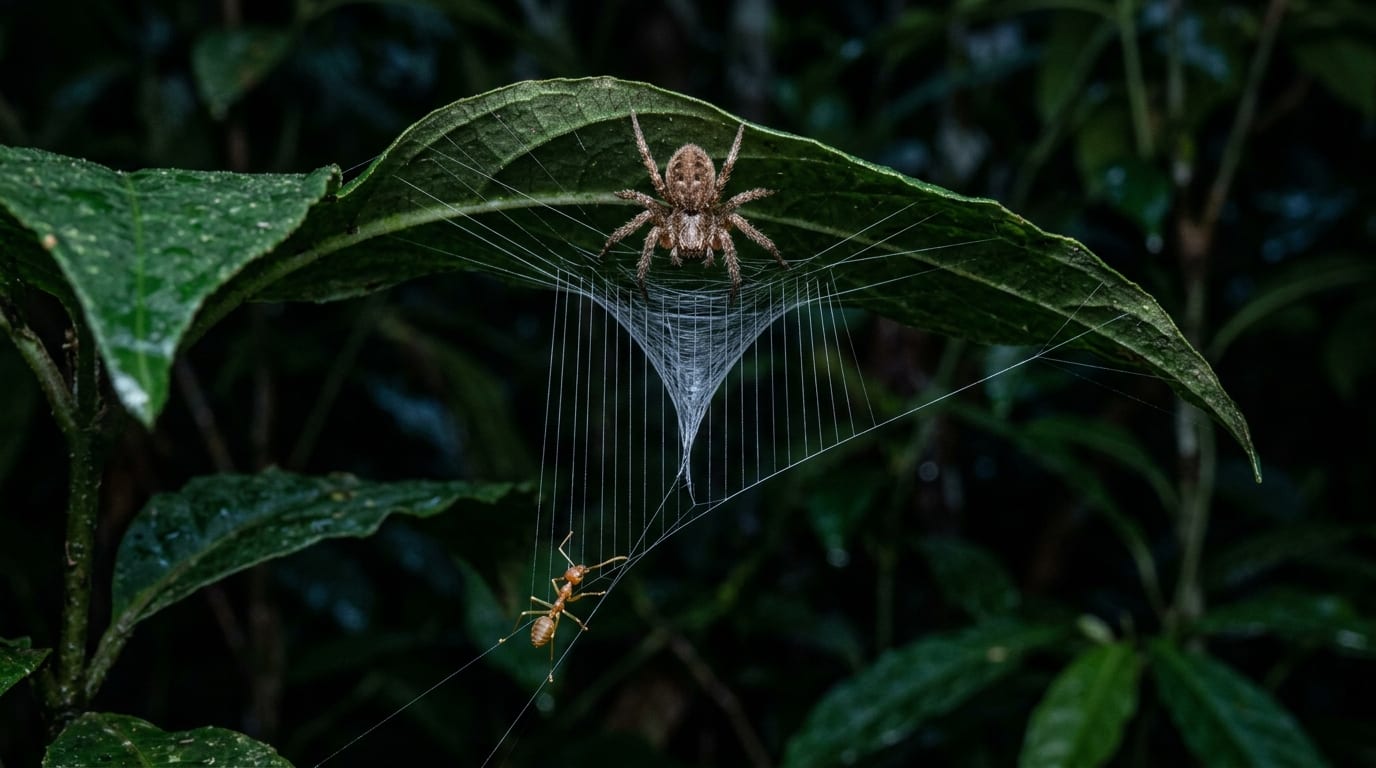
The Ballista Spider Catapults Ants Into Its Web Using a Spring-Loaded Silk Trap
In the rainforests of Queensland, a spider builds a cone-shaped silk trap that launches green tree ants into its web with accelerations of 1,300 m/s2, more than 15 times the G-force of a jet pilot. The ballista spider only hunts one species of ant, making it one of the most specialized predators ever discovered.
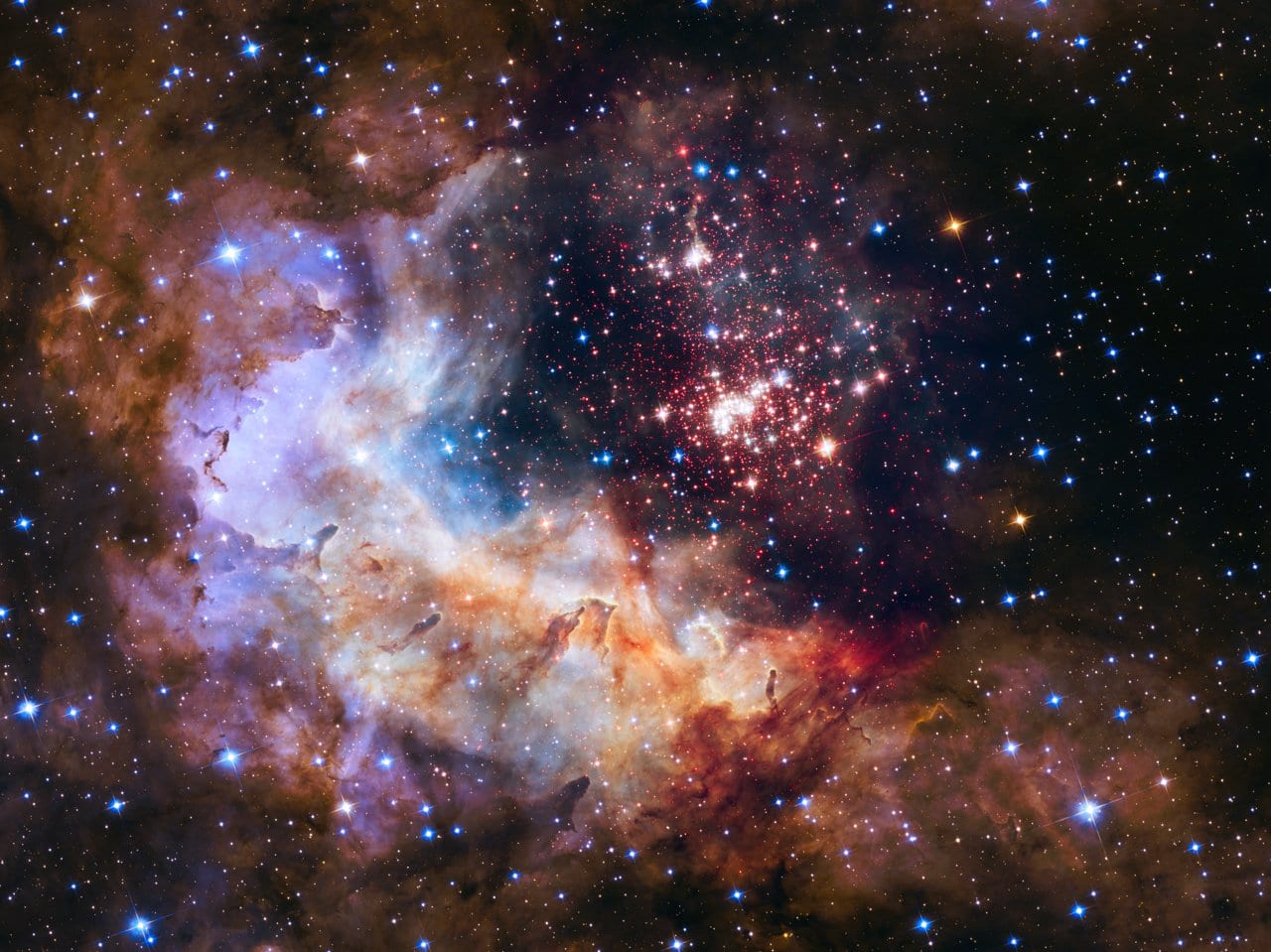
Astronomers Found the First of 10,000 Missing Black Holes in Omega Centauri. It Took Hubble 20 Years to Spot It.
The globular cluster Omega Centauri, a dense ball of 10 million stars 17,000 light-years away, should contain about 10,000 stellar-mass black holes. For decades none were found. Now, using 20 years of Hubble archival data and new JWST observations, astronomers have finally detected the first one: a 4.46-solar-mass black hole tracked by the motion of a visible star in a 94-year orbit.
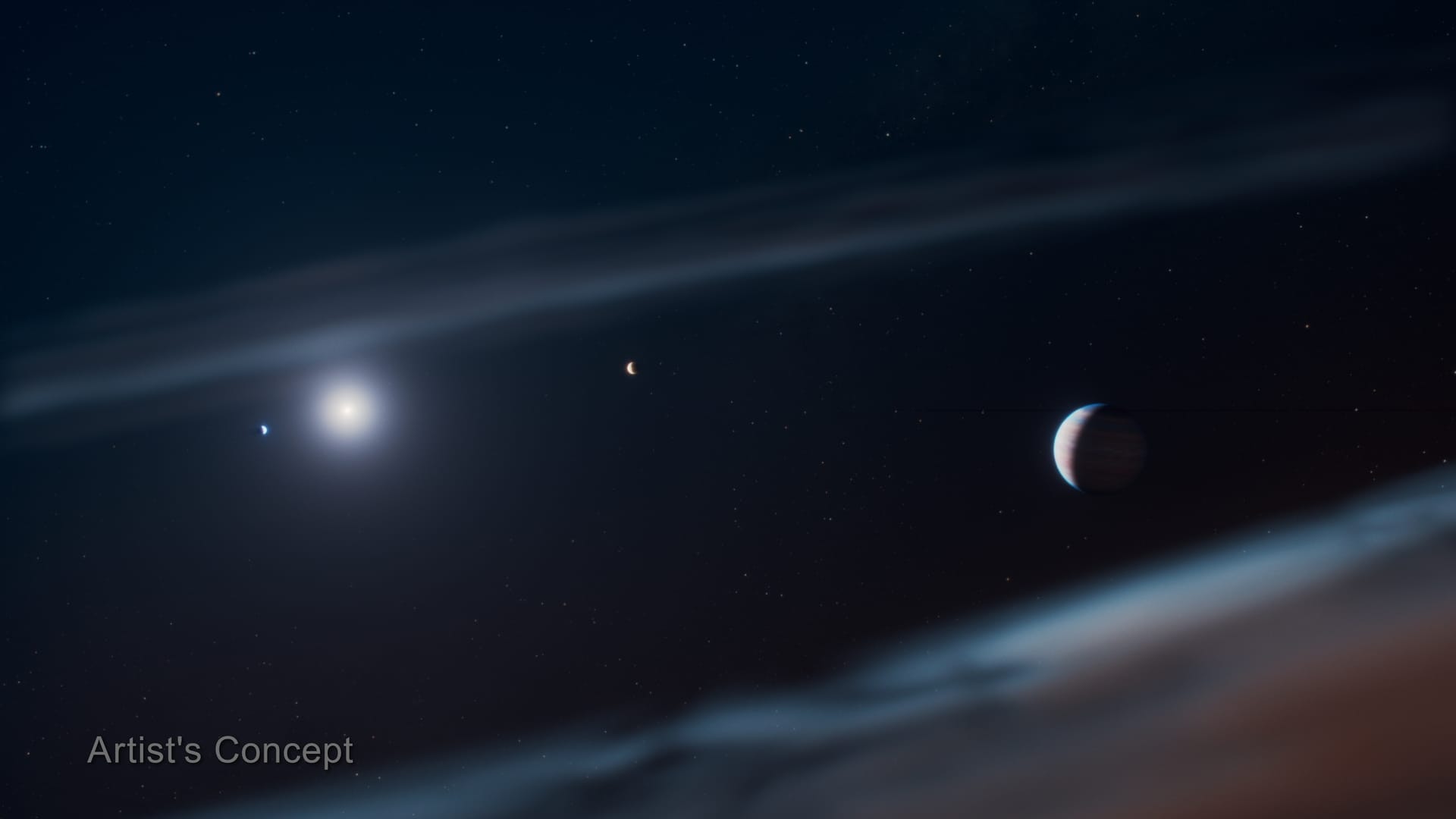
JWST Found a Third Planet Hiding in the Beta Pictoris System. What Made It Visible Was Not a Picture, but a Chemical Bar Code.
The Beta Pictoris system, one of the most studied young star systems in the galaxy, has been hiding a third giant planet for more than a decade. JWST discovered Beta Pictoris d not by imaging it directly, but by detecting the chemical fingerprint of its atmosphere in spectroscopic data. At 2.4 times the mass of Jupiter, it is the faintest exoplanet ever imaged from Earth.
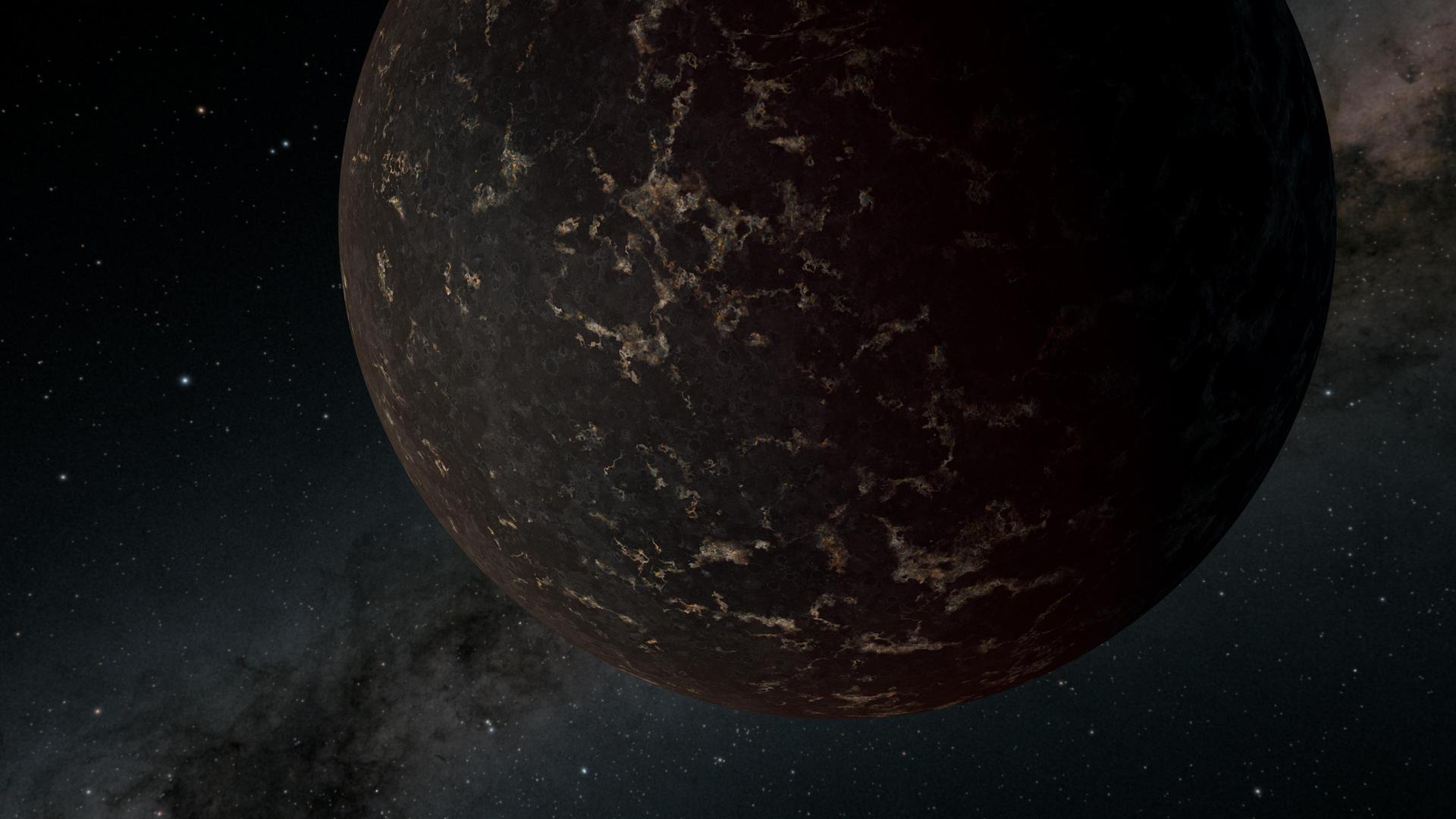
A Planet With Eternal Day and Endless Night. A Tabletop Experiment in a Tank of Glycerol Found a Way Life Could Survive.
LHS 3844b, a tidally locked exoplanet 48.5 light-years away, bakes one side at thousands of degrees while the other hovers near absolute zero. Researchers at the University of Pennsylvania built a physical model of the planet mantle in a lab tank and found that internal heat circulation creates stable moderate-temperature zones that could support life.
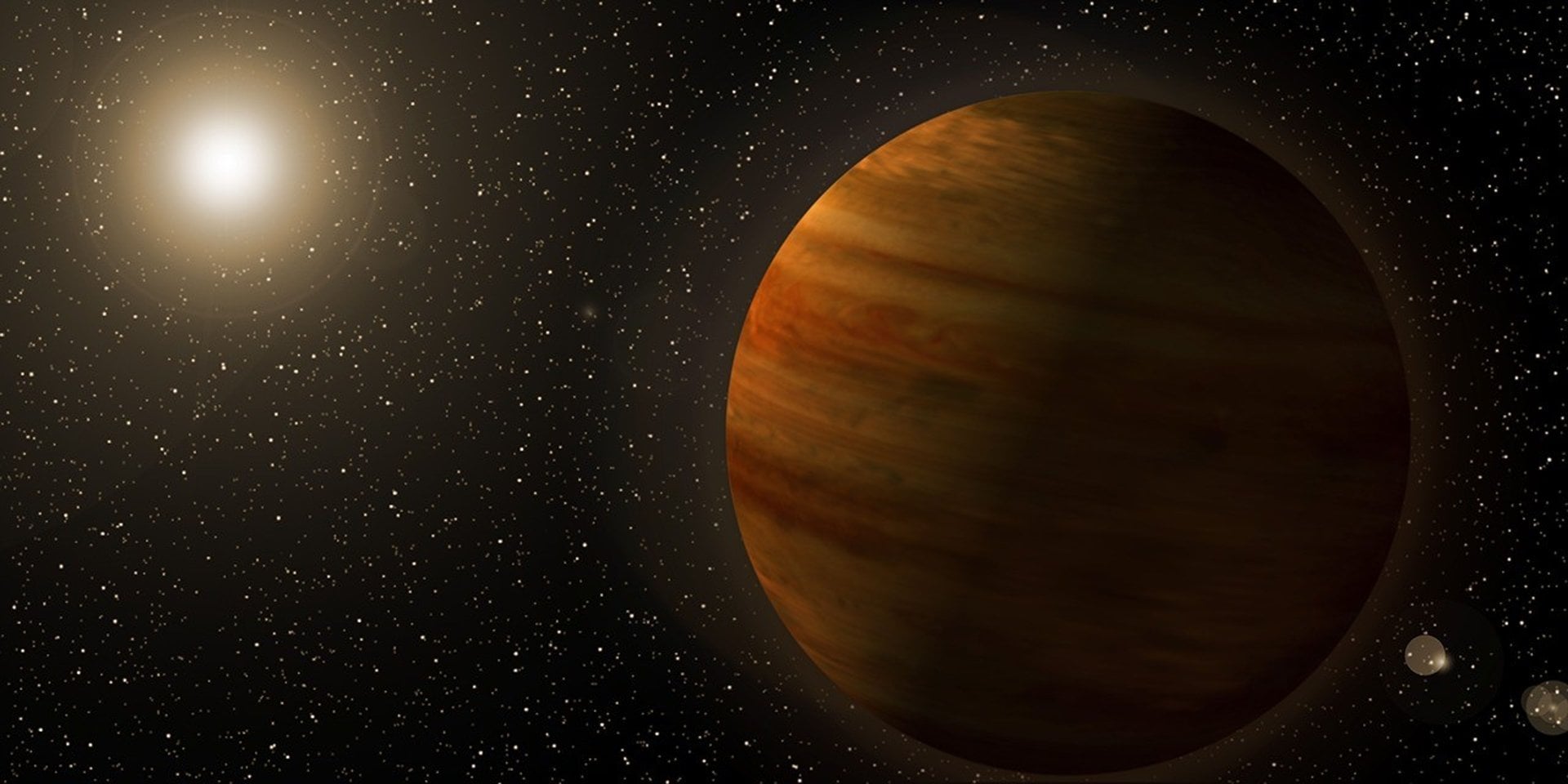
TESS Found Its First Planet by Watching It Warp Spacetime. A Super-Jupiter 40,000 Light-Years Away Bent Light to Reveal Itself.
NASA TESS satellite discovered its first planet using gravitational microlensing, a technique that detects planets by how they warp spacetime rather than by blocking starlight. Gaia23bra b, a super-Jupiter 40,000 light-years away, was found hiding in eight years of archived TESS data after being flagged by the Gaia space telescope in 2023.