Stories
Archive page 2 of 6.
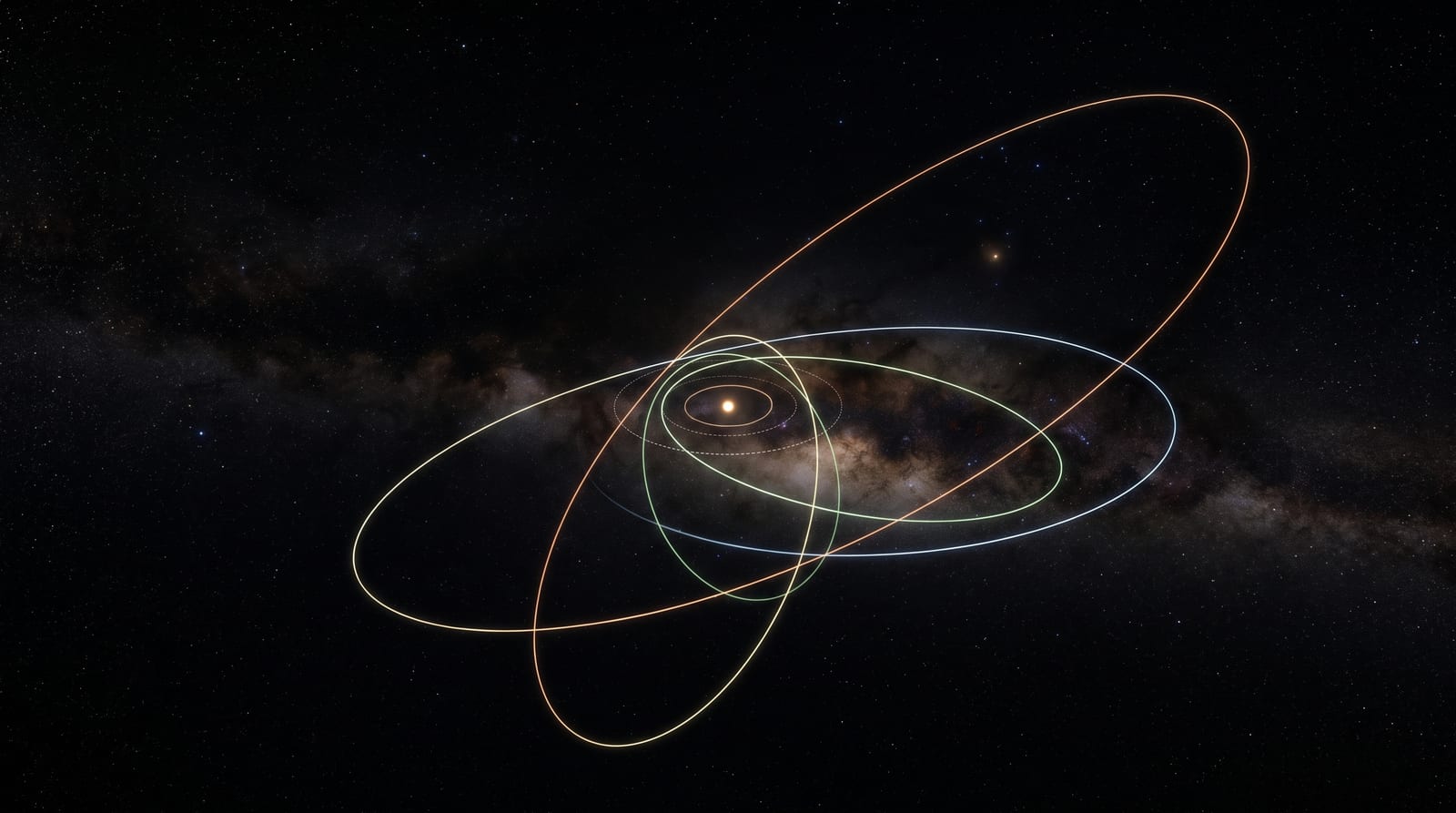
The Planet Nine Mystery Just Got a Twist. A New Frozen Object Called Ammonite Deepens the Debate.
Astronomers using the Subaru Telescope in Hawaii discovered 2023 KQ14, a frozen sednoid nicknamed Ammonite whose orbit is misaligned with the three other known extreme trans-Neptunian objects. The discovery weakens one of the key arguments for Planet Nine but also narrows where a hidden planet could be hiding, as the Vera C. Rubin Observatory begins its search.
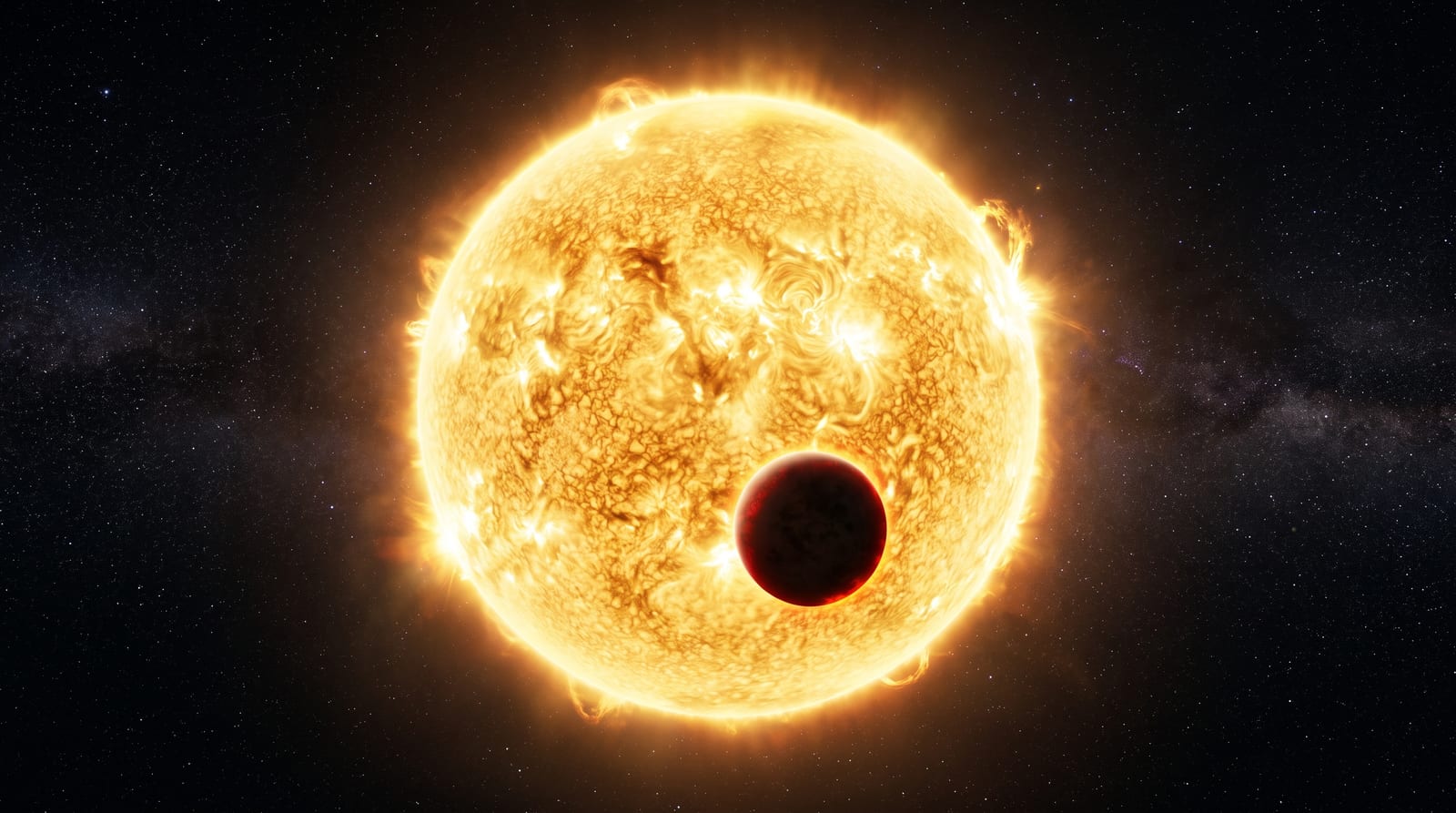
AI Found 118 Hidden Planets in NASA TESS Data. The Neptunian Desert Just Got Its First Head Count.
Using a new AI pipeline called RAVEN trained on realistic simulations, astronomers at the University of Warwick validated 118 new exoplanets from 2.2 million stars observed by NASA TESS mission. The haul includes ultra-short-period planets that orbit in under 24 hours and the first direct measurement of how rare Neptunian desert planets really are.
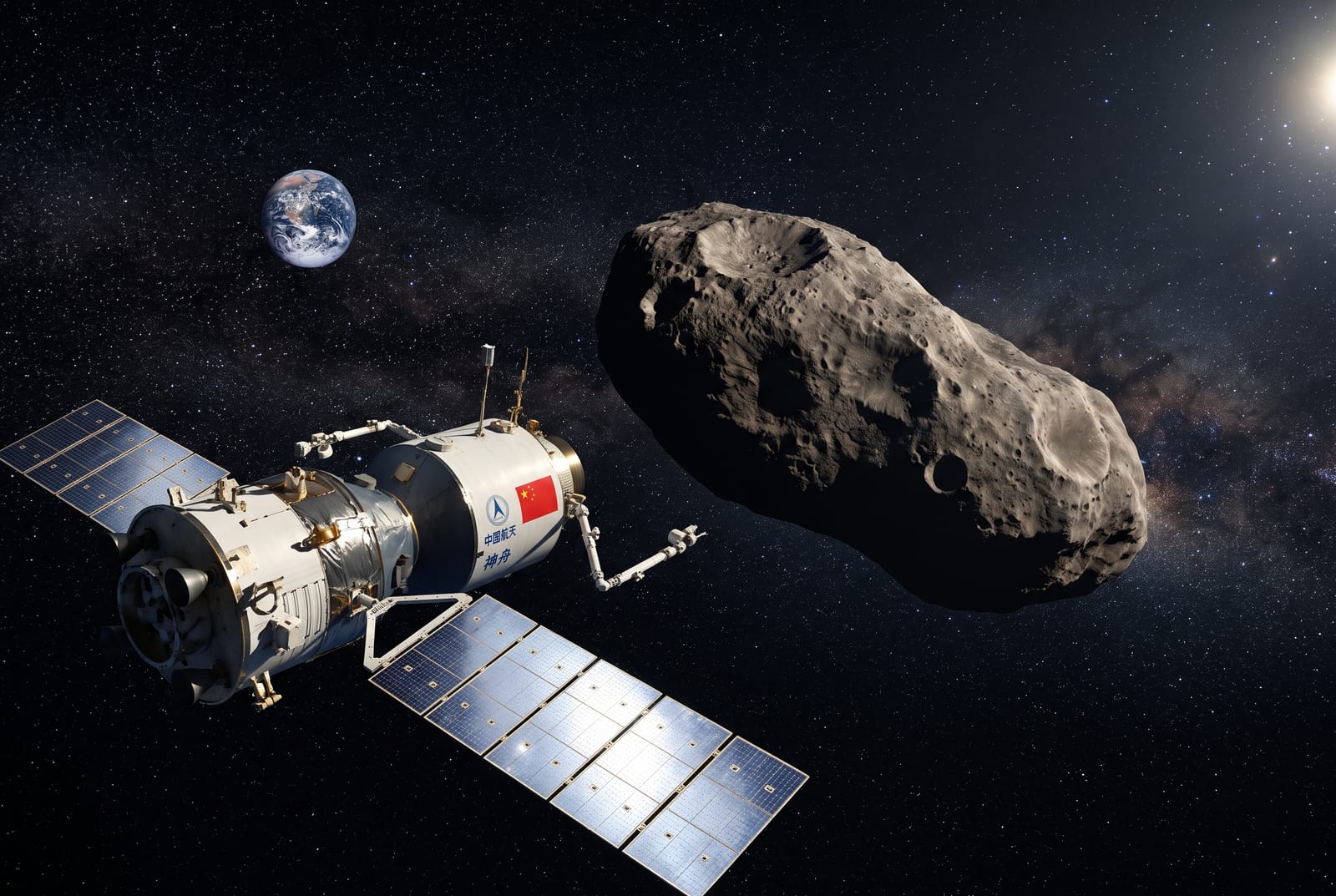
A Chinese Spacecraft Just Arrived at Earth's Tiny Quasi-Moon. The First Close-Up Images Reveal an Asteroid Much Smaller Than Expected.
China's Tianwen-2 spacecraft arrived at the near-Earth asteroid Kamo'oalewa on July 2, 2026, after a 400-day, 1-billion-kilometer journey. The first close-up images from 20 kilometers away reveal an elongated rocky body roughly 20 meters across, far smaller than ground telescopes suggested. New JWST observations challenge the idea that it is a fragment of the Moon.
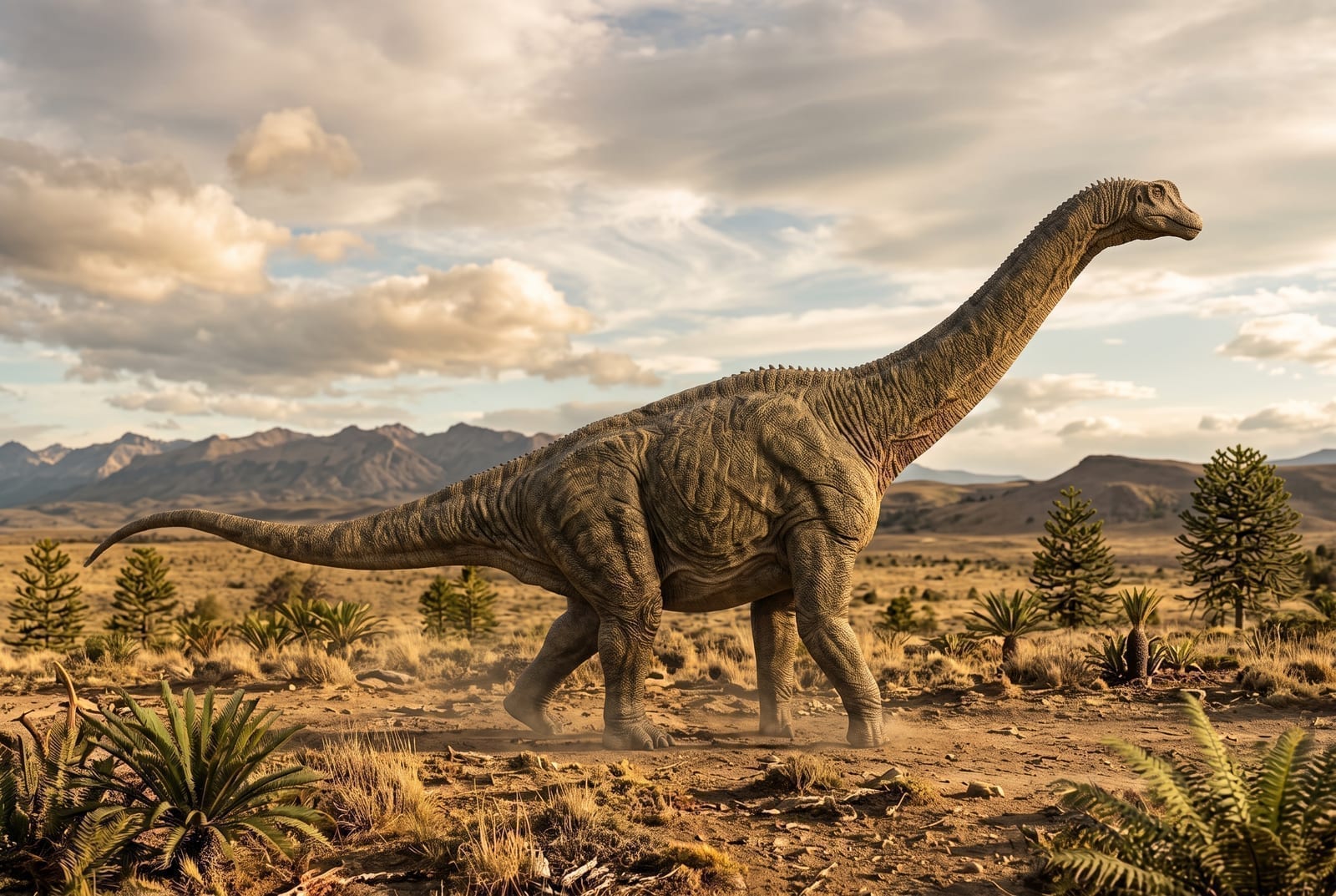
A 65-Foot Dinosaur Found in Argentina Blends Brachiosaurus and Diplodocus Features Into One Puzzle
A new species of sauropod dinosaur discovered in Patagonia, Bicharracosaurus dionidei, carries a mix of features from two major dinosaur lineages: the brachiosaurids and the diplodocids. The 65-foot herbivore from the Late Jurassic is the first brachiosaurid ever found from the Jurassic of South America, filling a long-standing gap in the fossil record.
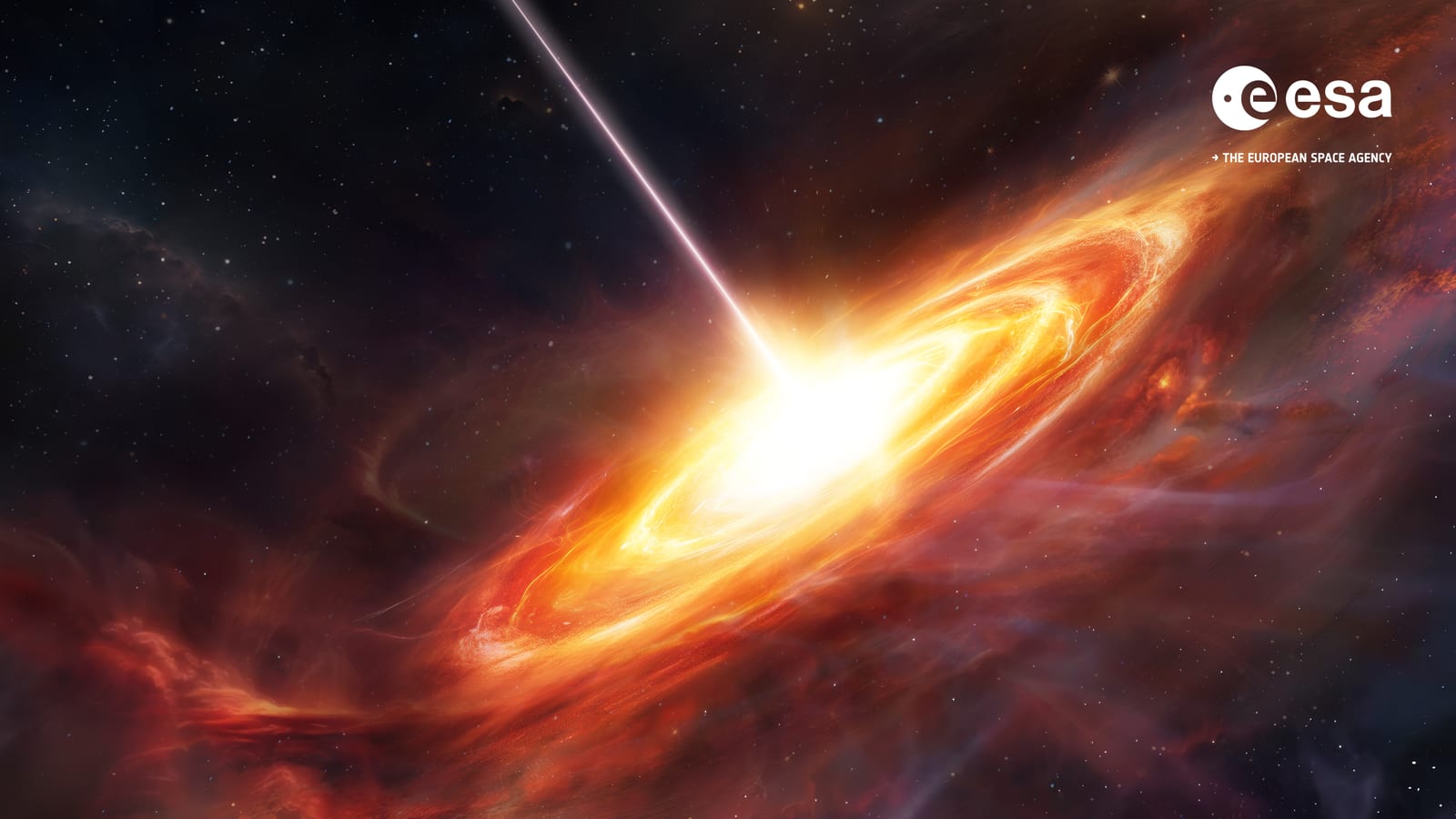
Euclid Found 31 Ancient Quasars From the Universe’s Infancy. Two Are the Most Distant Ever Seen.
The European Space Agency’s Euclid space telescope discovered 31 quasars from the universe’s first 800 million years, more than doubling the known population at those distances. Two of them are the most distant quasars ever observed, existing when the cosmos was just 670 million years old, barely 5 percent of its current age.
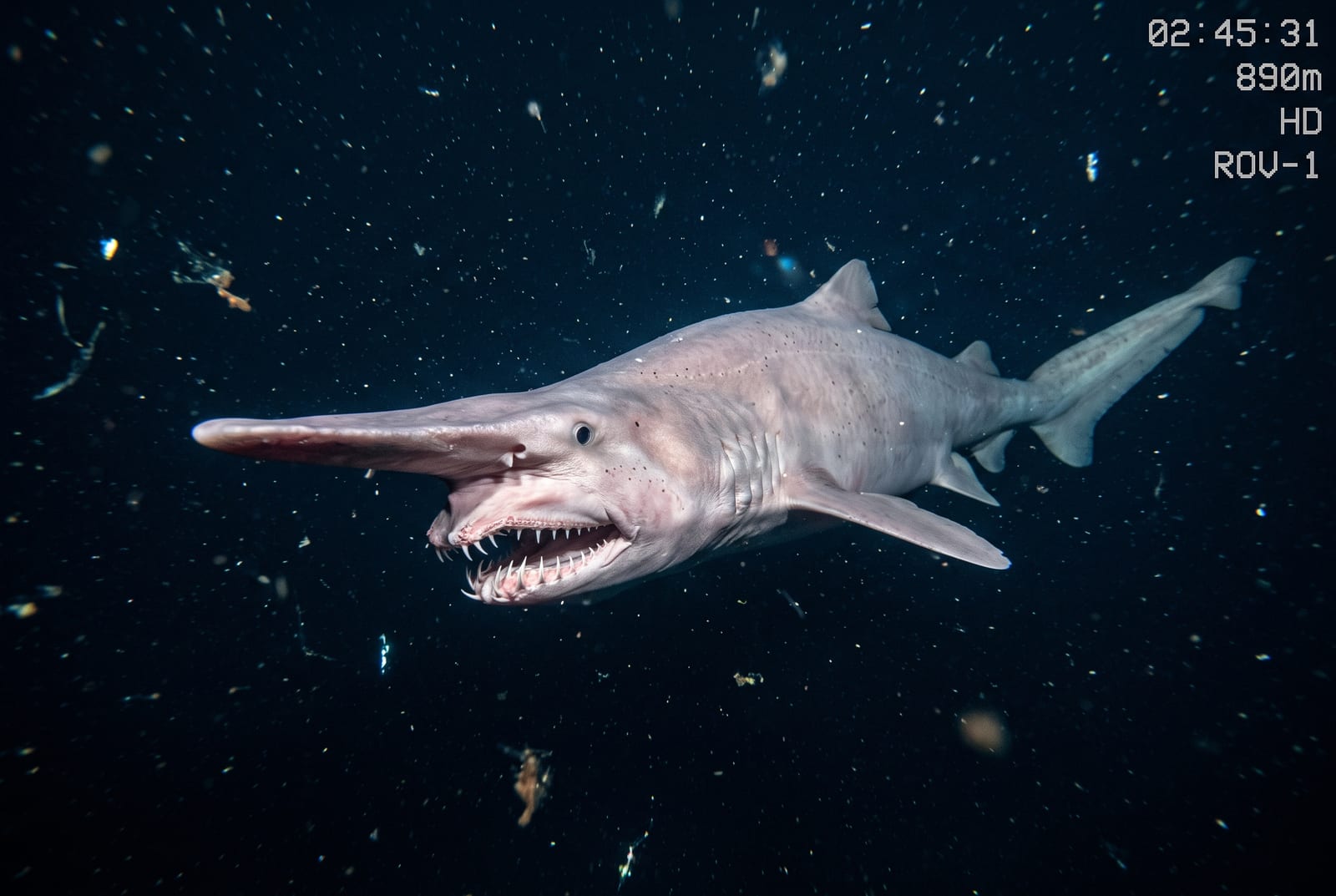
Goblin Shark Filmed Alive in the Deep Ocean for the First Time. A 125-Million-Year-Old Mystery Just Got Answers.
For more than a century, every confirmed sighting of a live goblin shark came only after the animal was caught on a fishing line and hauled to the surface, where it soon died. Now scientists have filmed two healthy goblin sharks swimming in their natural deep-ocean habitat, dramatically expanding the known range of a 125-million-year-old species and setting a depth record for the entire mackerel shark group.
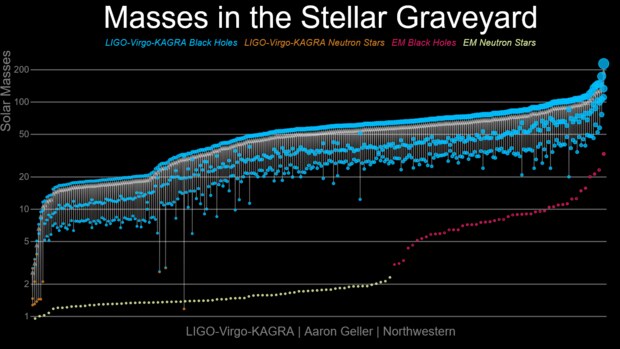
390 Black Hole Mergers and Counting. The Gravitational Wave Catalog Just Got 161 New Entries.
The LIGO-Virgo-KAGRA collaboration released the fifth Gravitational-Wave Transient Catalog (GWTC-5.0) on May 26, 2026, adding 161 new black hole mergers detected in a nine-month stretch. The total confirmed gravitational wave events now stands at 390, up from exactly 1 when the first detection was announced in 2016. The catalog includes the best-localized source ever, the clearest signal ever recorded, and hints of second-generation black holes.
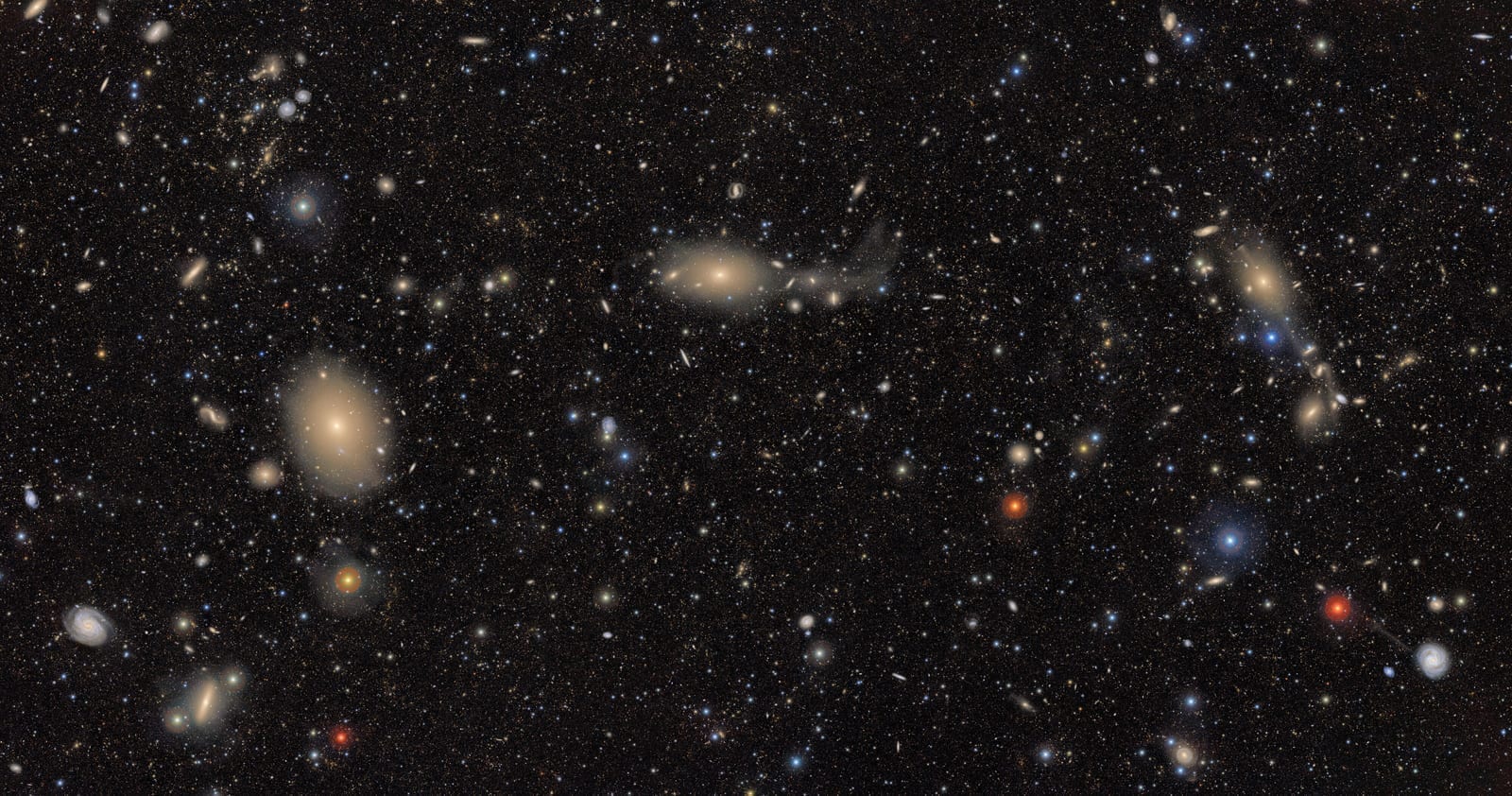
The Greatest Cosmic Movie Ever Made. Rubin Observatory Just Started Filming the Southern Sky for 10 Years.
The Vera C. Rubin Observatory in Chile officially began the Legacy Survey of Space and Time on June 30, 2026. Its 3,200-megapixel camera, the largest ever built, will capture the entire southern sky every few nights for a decade, producing 20 terabytes of data per night and cataloguing 20 billion galaxies. In its first month of early optimization surveys, it already discovered 11,000 never-before-seen asteroids.
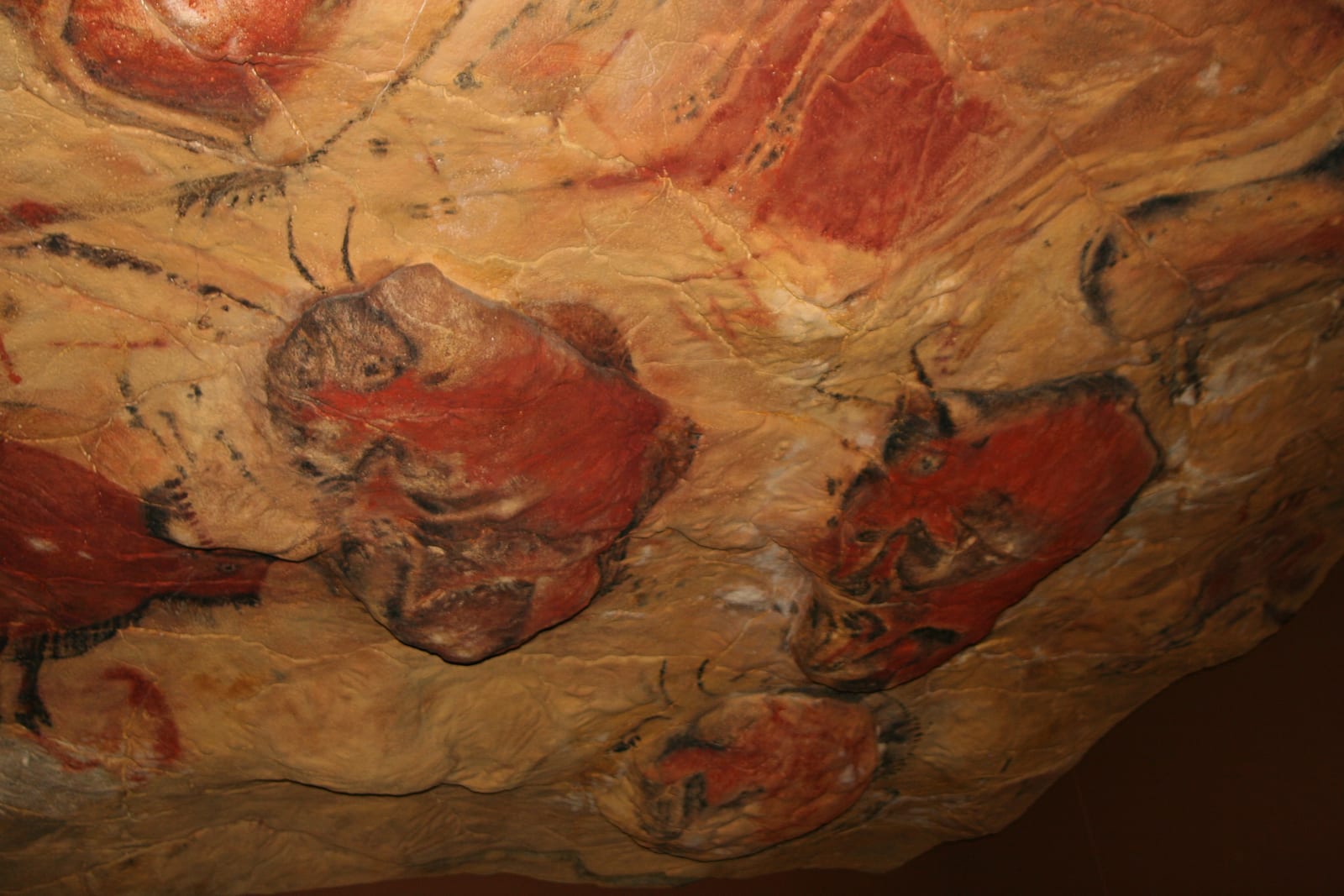
Scientists Pulled Ancient Human DNA From Cave Walls for the First Time
For the first time, researchers recovered ancient human DNA directly from prehistoric cave walls and rock art at sites across Spain and Portugal, including from hand stencils and pigment samples at Altamira, Escoural, and Covaron caves. The discovery opens the possibility of genetically identifying the Ice Age artists who created the world's oldest known paintings.
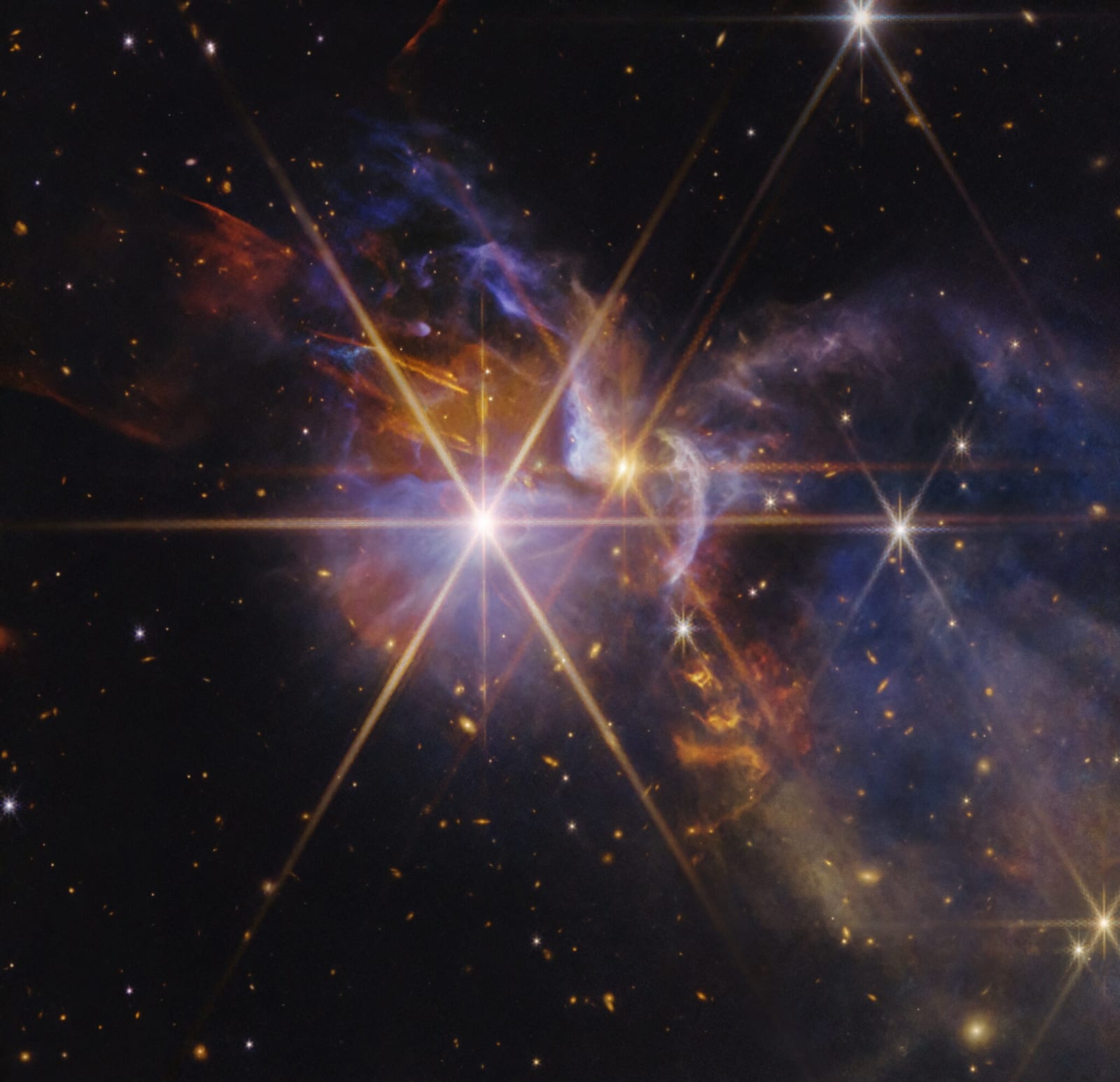
A Near-Invisible Black Hole 6 Billion Times the Sun Mass Was Hiding 10 Billion Light-Years Away. JWST Found It by Watching Stars Orbit Nothing.
Using the James Webb Space Telescope and a natural gravitational lens that magnified the view 30 times, astronomers measured the mass of a dormant supermassive black hole in galaxy MRG-M0138 for the first time at cosmological distances. The black hole clocks in at roughly 6 billion solar masses and is observed as it was when the universe was only 3 billion years old. The previous distance record for this technique was 700 million light-years. This one is 10 billion.
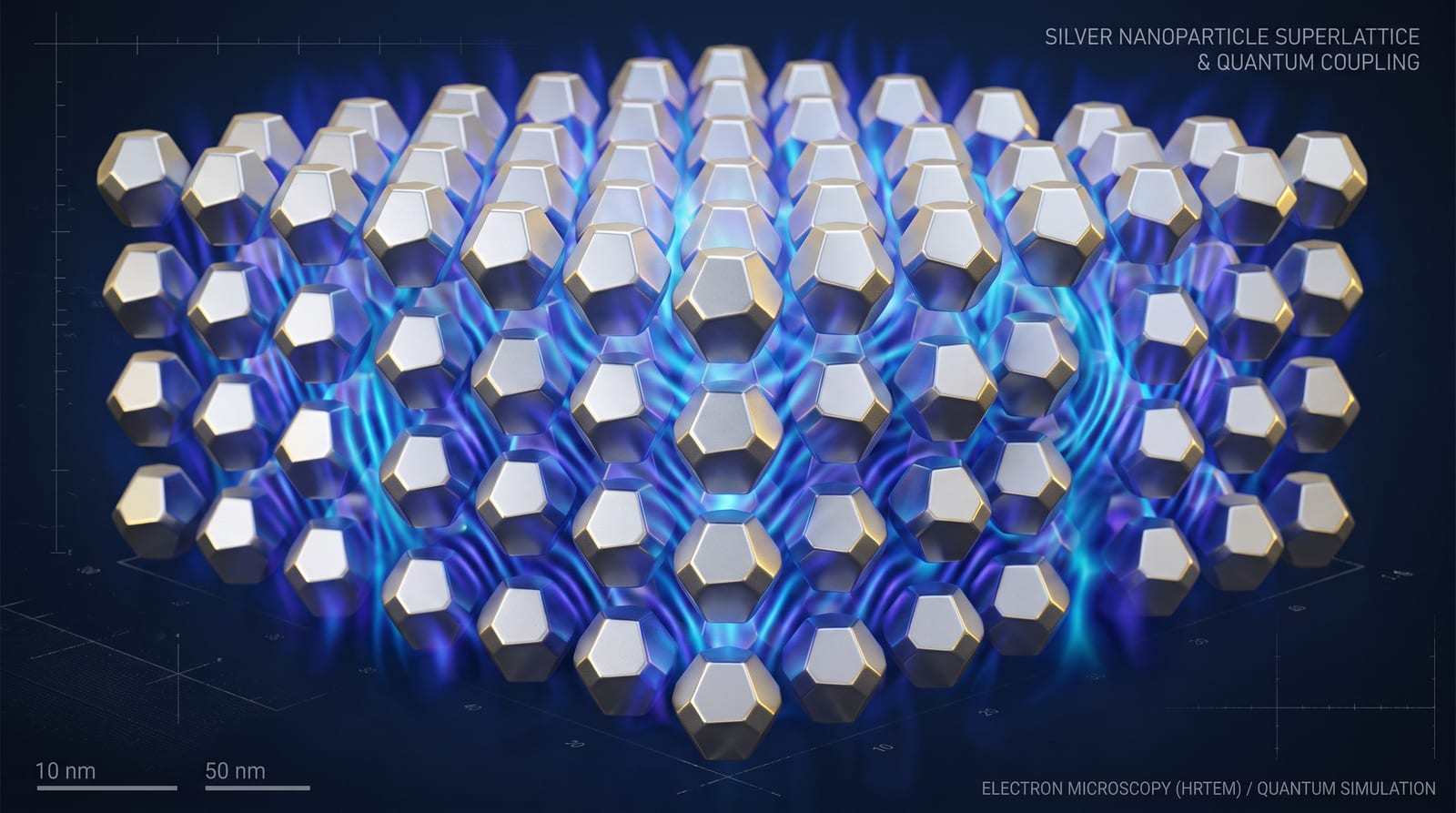
Scientists Built LEGO-Like Nanoparticles Into a Material That Shows Quantum Behavior at Room Temperature
Researchers at Brown University and the University of Michigan used custom-shaped silver nanoparticles to freeze a fleeting structural phase of matter that had been predicted by theory but never captured in a physical material. Under light, the superlattice exhibits deep-strong light-matter coupling at room temperature, a quantum behavior normally seen only near absolute zero.
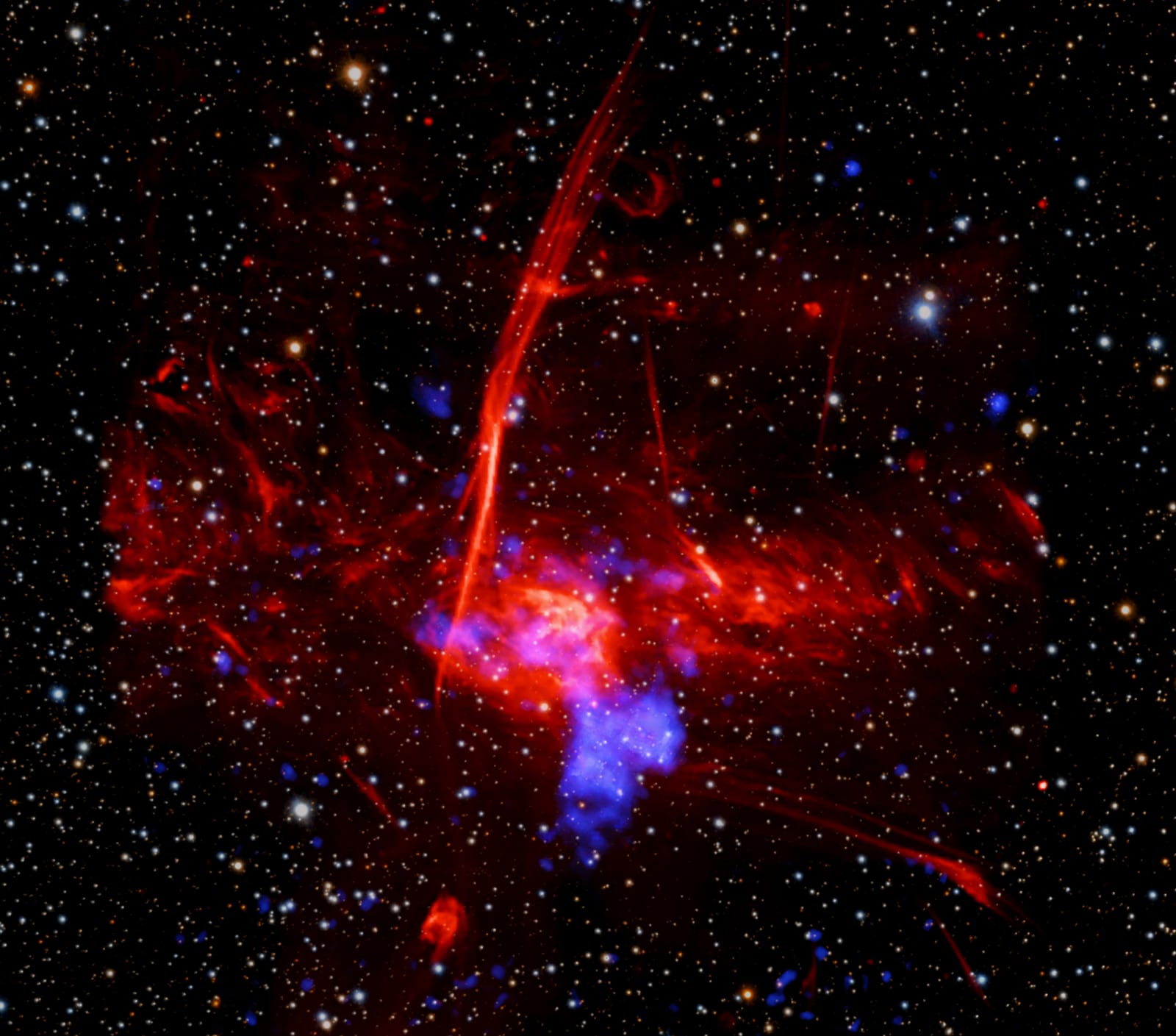
A Supernova Exploded Near the Milky Way Central Black Hole. Astronomers Just Found Its Remains.
A team using NASA Chandra X-ray Observatory and ESA XMM-Newton data has found a possible supernova remnant in Sagittarius C, a star-forming region just a few dozen light-years from the supermassive black hole at the center of the Milky Way. The blast wave is racing through dense molecular clouds at two million miles per hour.