Stories
Archive page 4 of 6.
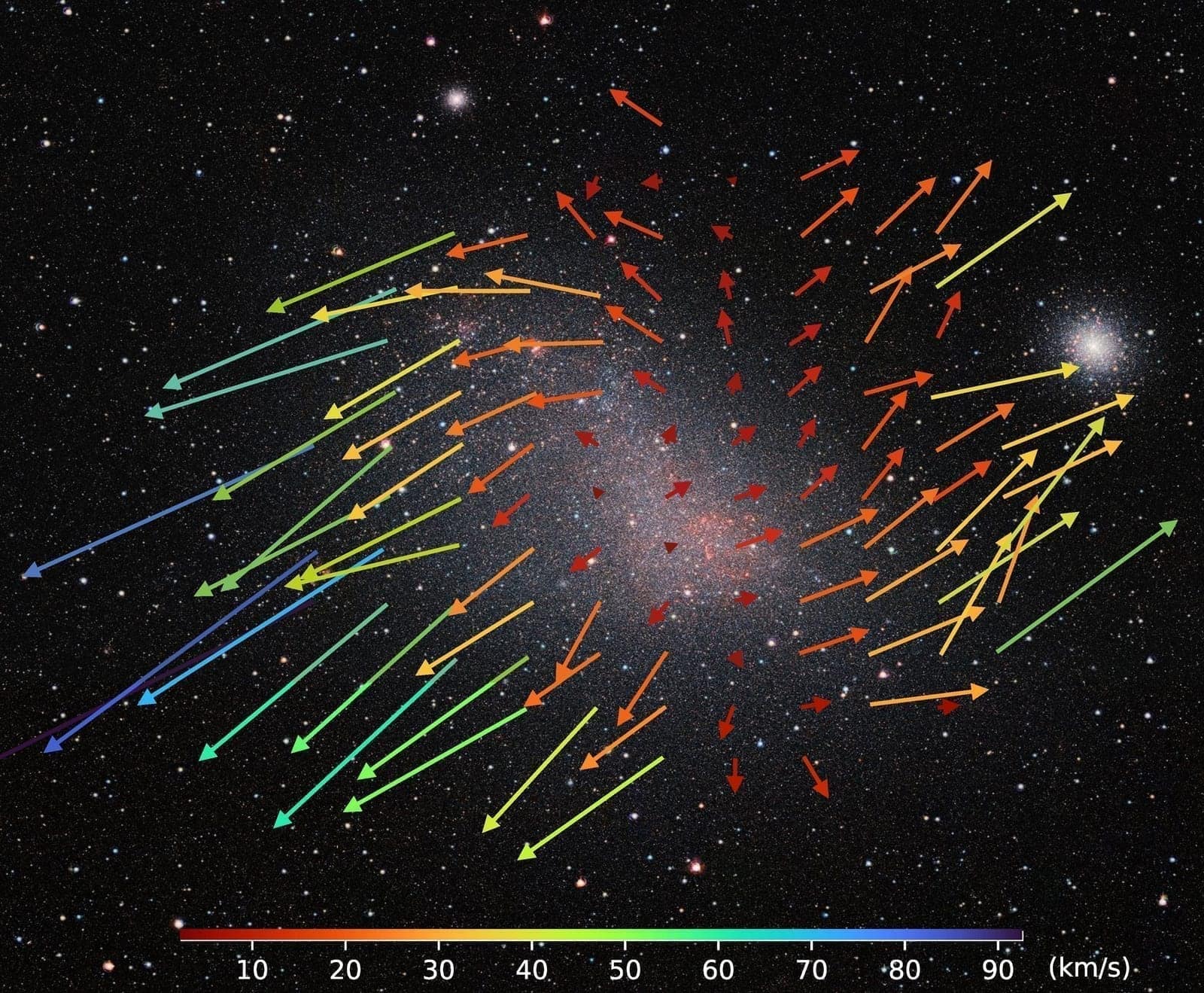
A Neighbouring Galaxy Is Being Pulled Apart, and Astronomers Just Mapped Every Star's Escape
Astronomers assumed the Small Magellanic Cloud was a rotating dwarf galaxy like a scaled-down Milky Way. After tracking millions of stars across 11 years with ESO's VISTA telescope, they found the opposite: the galaxy is expanding, stretched apart by the gravitational pull of its larger neighbour, the Large Magellanic Cloud.
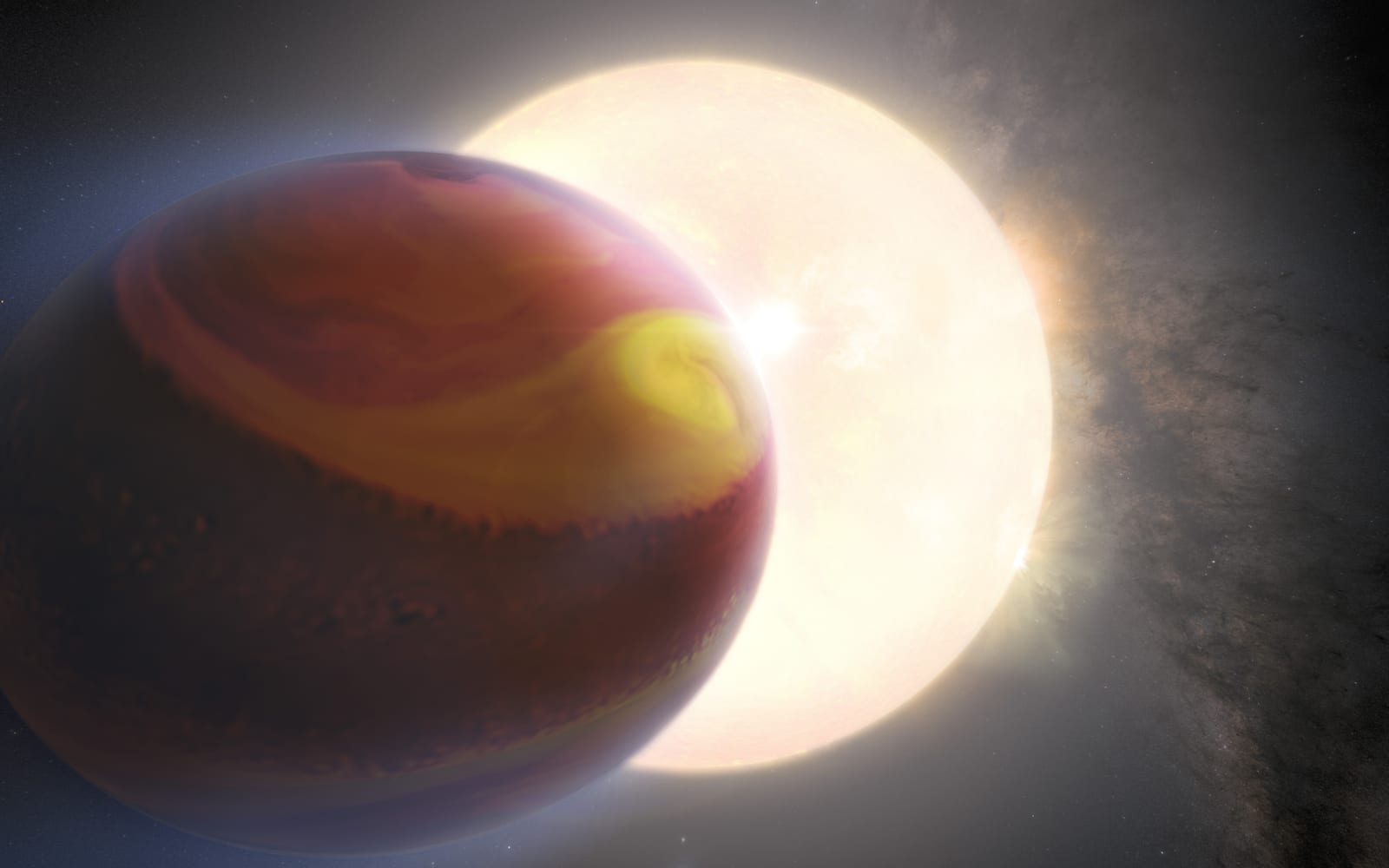
JWST Saw Dawn and Dusk on a Hellish Exoplanet. The Two Faces Could Not Be More Different.
JWST revealed dramatic differences between the permanent dawn and dusk regions of ultra-hot Jupiter WASP-121 b. Fierce winds make evening hundreds of degrees hotter than morning, water molecules are torn apart by the heat, and mineral clouds may shroud the cooler side.
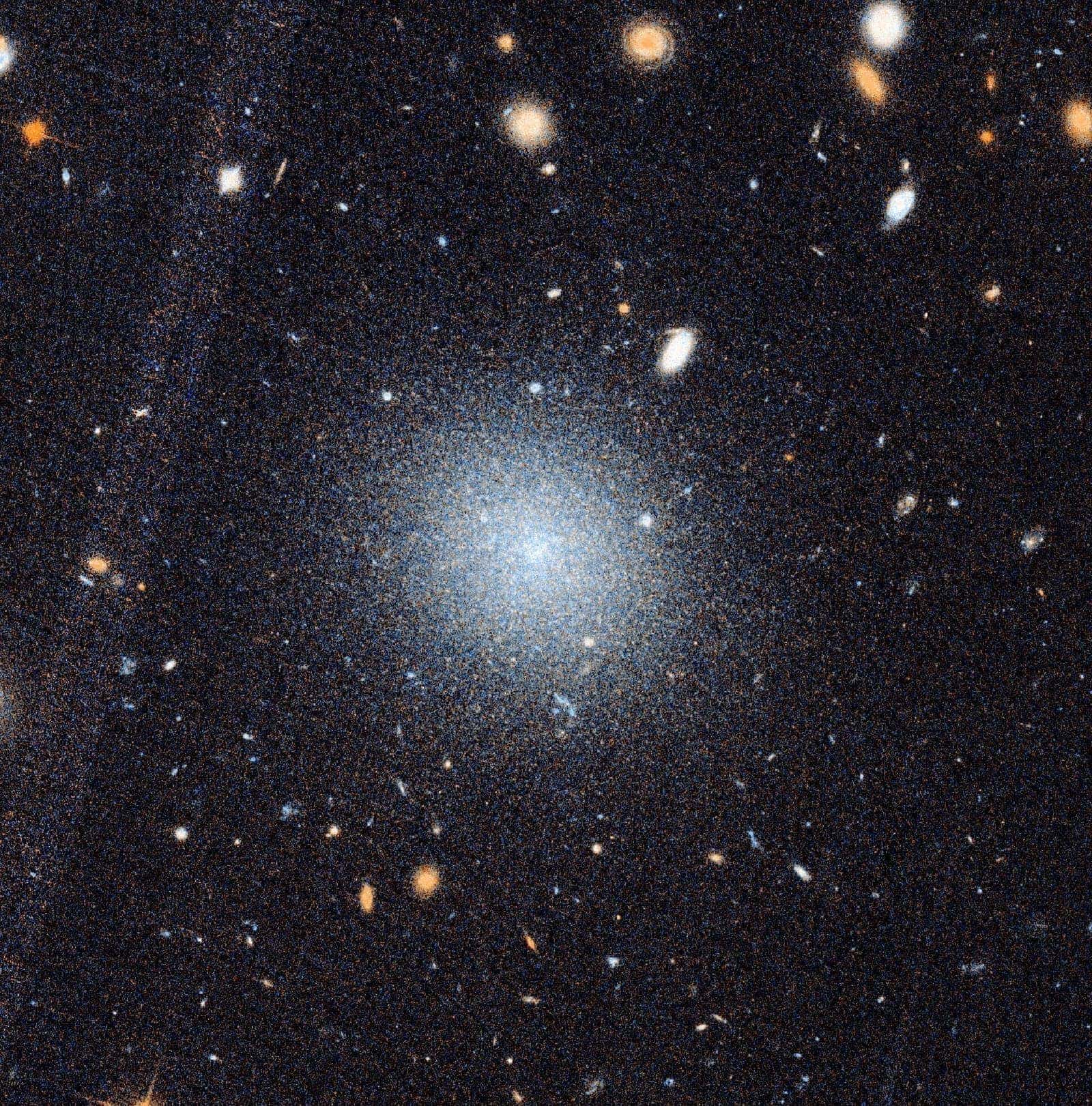
A Third Galaxy Without Dark Matter Just Showed Up. It's Right Where Scientists Predicted.
Astronomers predicted another dark matter-free galaxy would be found along a mysterious chain stretching through space. Then KCWI at Keck Observatory confirmed one. The third such galaxy ever discovered, NGC 1052-DF9, completes a pattern that scientists say points to a violent collision that tore ordinary matter from its invisible halo.
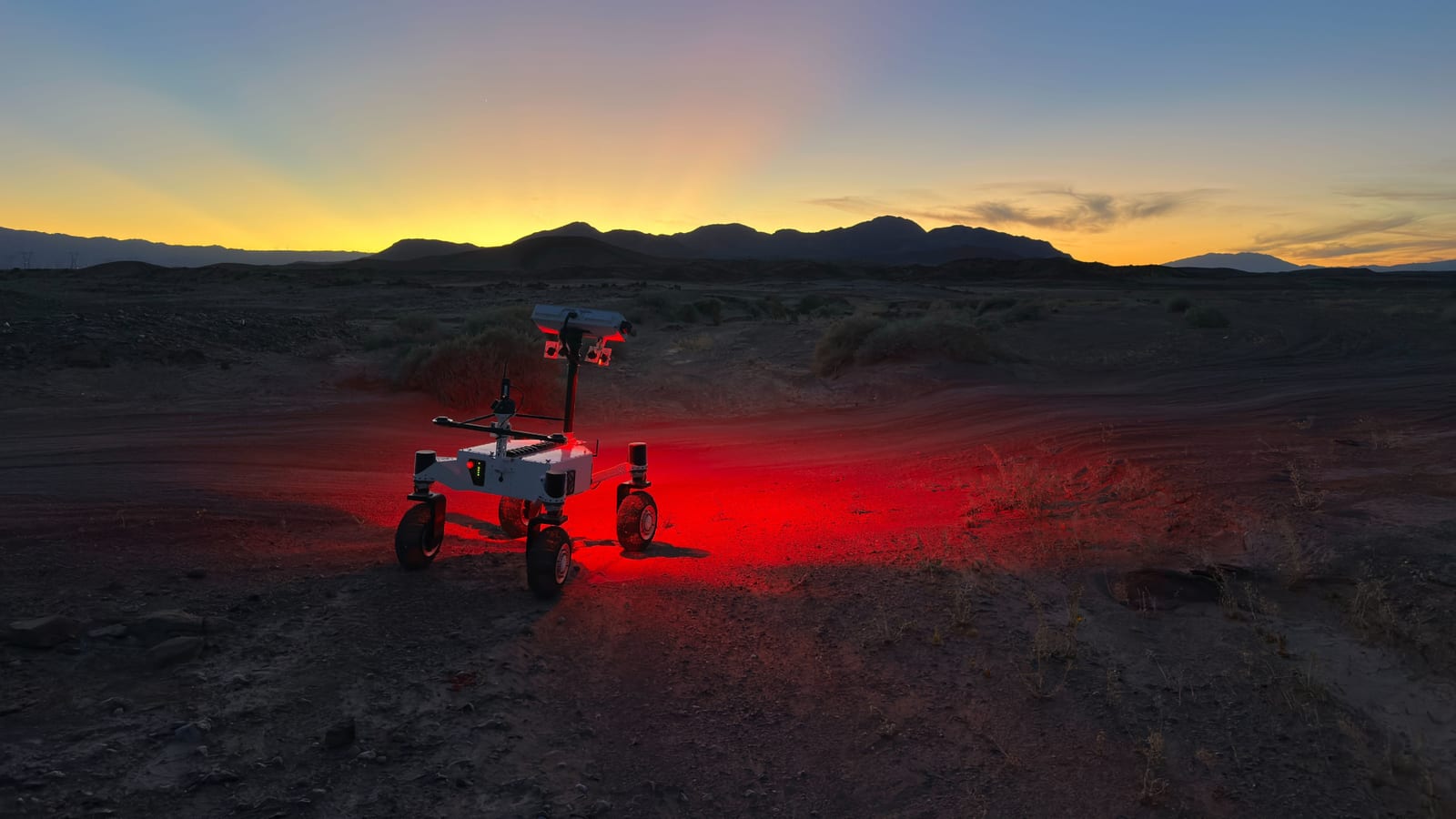
This NASA Rover Walks, Squirms, and Drives Sideways. It Just Finished a 16-Mile Desert Trek.
A four-wheeled prototype called ERNEST just drove 16 miles through the Colorado Desert at ten times the speed of any Mars rover, lifting its wheels over rocks and navigating the worst terrain by itself. The active suspension, reinforcement learning, and nighttime testing point to a future where rovers go farther and faster than anyone thought possible.
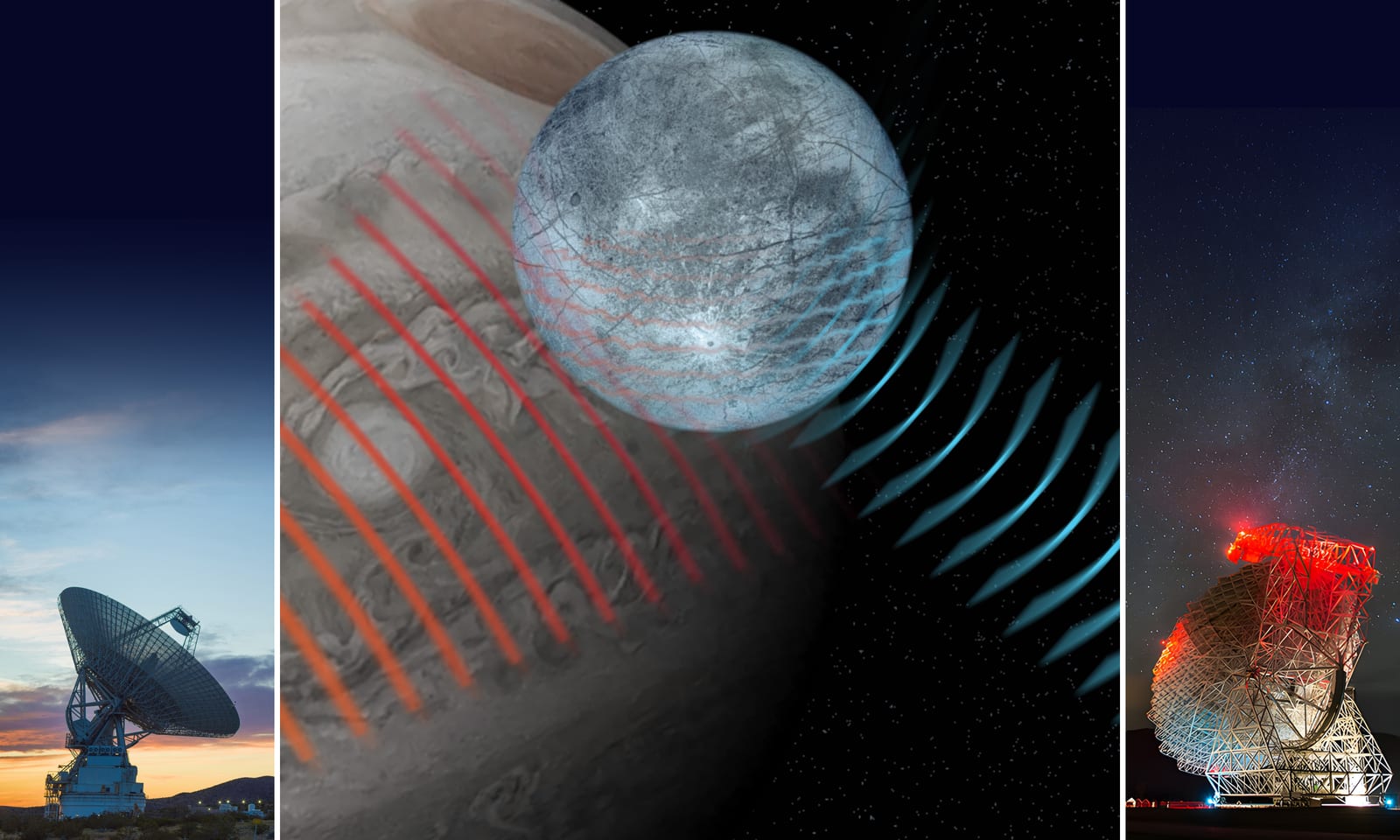
For 13 Years, Scientists Pelted Europa With Radar From Earth. What Bounced Back Changed How We'll Explore It.
A 13-year campaign using NASA's Goldstone radar and the Green Bank Telescope produced the most extensive ground-based radar study of Europa ever. The echoes confirmed its ice is clean, porous, and scatters radio energy in a way not seen on any rocky world, setting new constraints for two spacecraft already on their way.
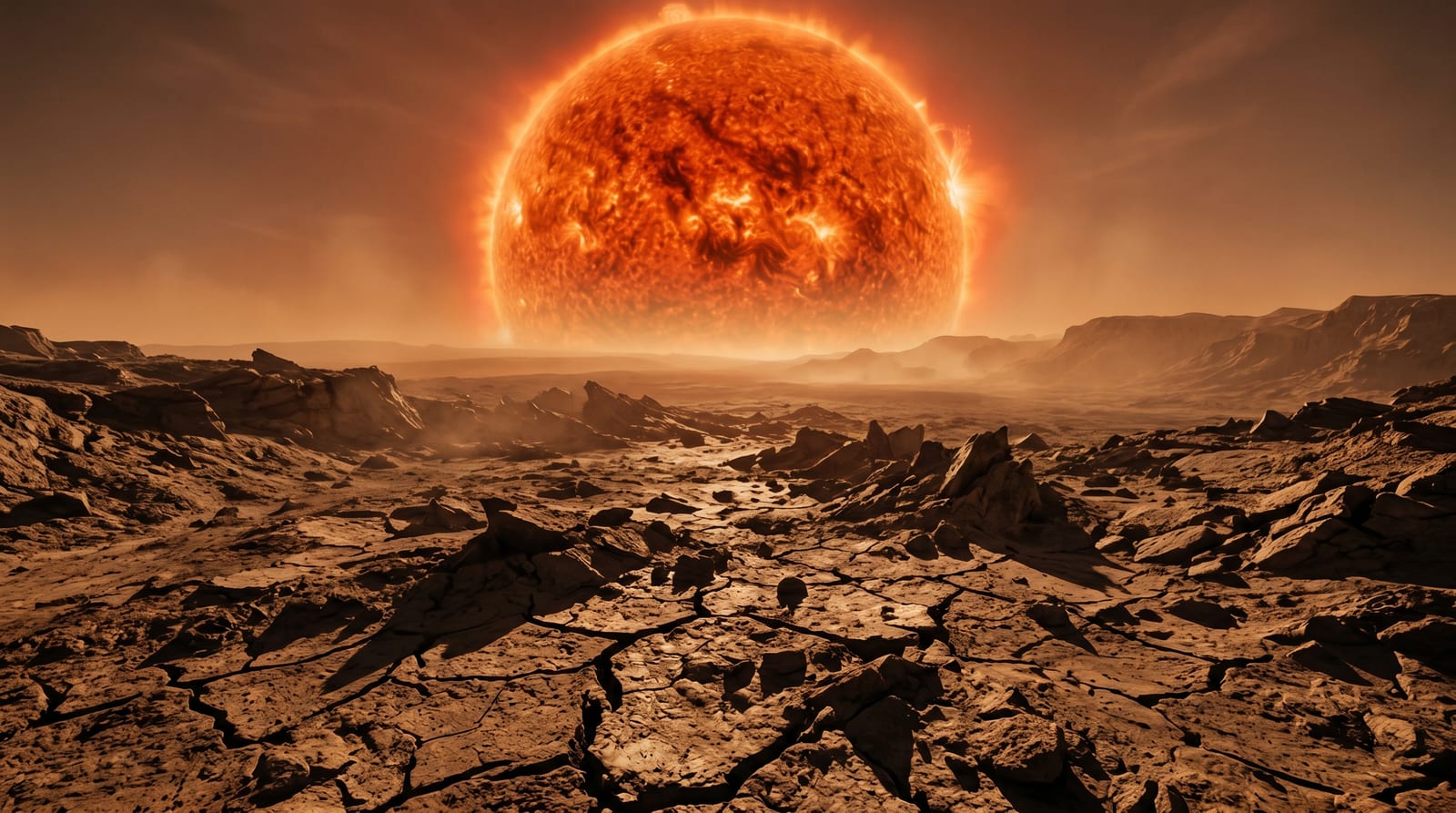
The Sun Might Not Swallow Earth After All. A New Model Just Made the Case.
For decades, astronomers assumed Earth would be swallowed by the Sun when it becomes a red giant in 5 billion years. A new model using improved tidal physics and observations of a nearby star suggests our planet might escape.

A Mars Meteorite Just Revealed a Mineral Nobody Knew Was There
Inside a fragment of Martian rock stored at the Royal Ontario Museum, researchers found grains of garnet, a mineral that had never been identified on Mars before. The discovery, published in Geochemical Perspectives Letters, opens a new window into the planet's 4.5-billion-year history.
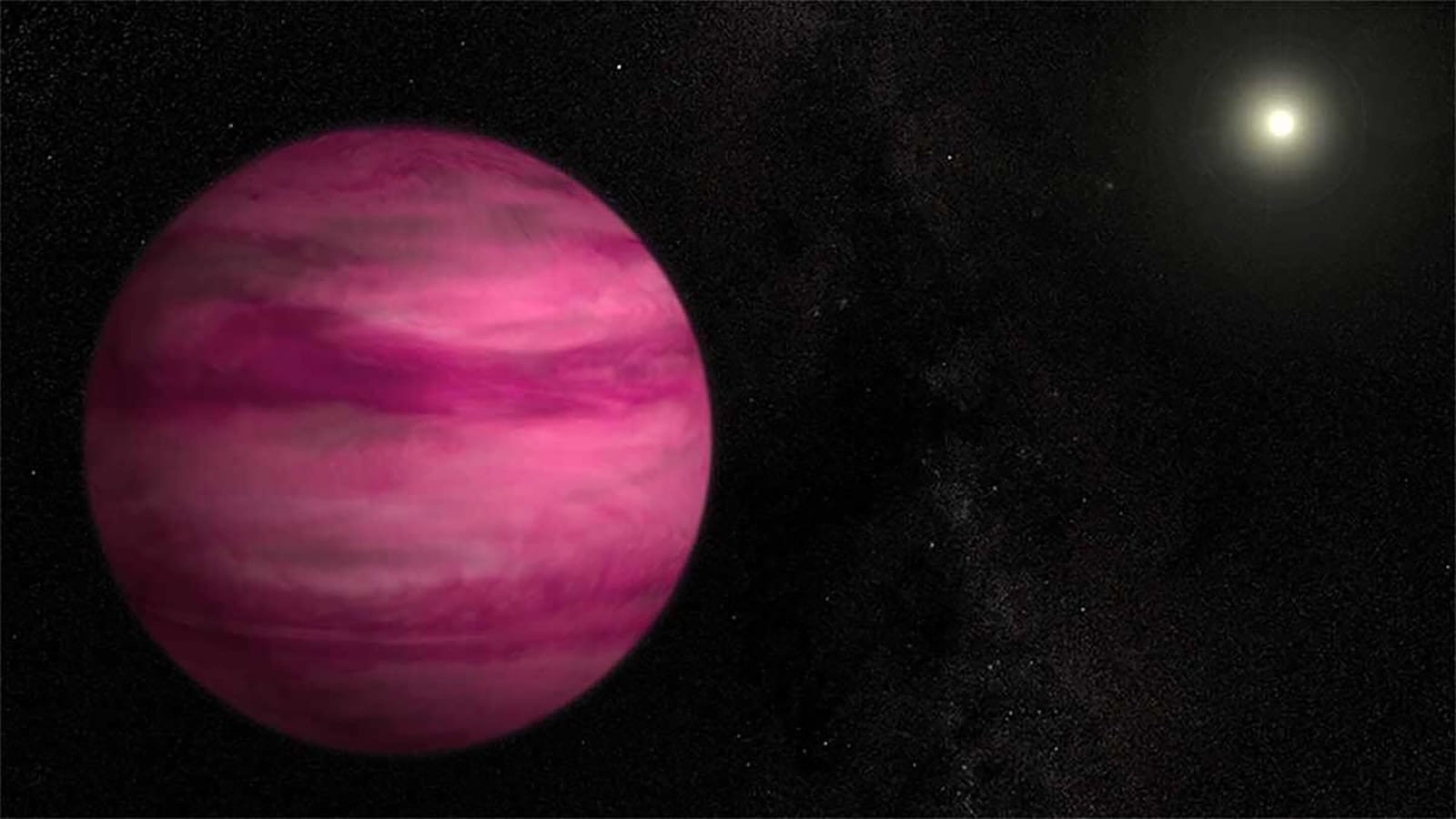
For a Decade, Astronomers Could Not Figure Out the Pink Planet. JWST Just Found Salt Clouds in Its Sky.
An exoplanet 57 light-years away has been too faint for ground-based telescopes to study since its discovery in 2013. The James Webb Space Telescope finally got a clean look and found something theorists predicted but had never confirmed: salt clouds.

For 100 Years, Scientists Could Not Explain Where Cosmic Rays Come From. Juno Just Watched Them Form.
In October 2023, NASA's Juno spacecraft crossed Jupiter's invisible bow shock and caught electrons moving near the speed of light. The discovery, published in Nature in June 2026, confirms a universal scaling law that connects particle acceleration in our solar system to the cosmic rays that stream across the galaxy.
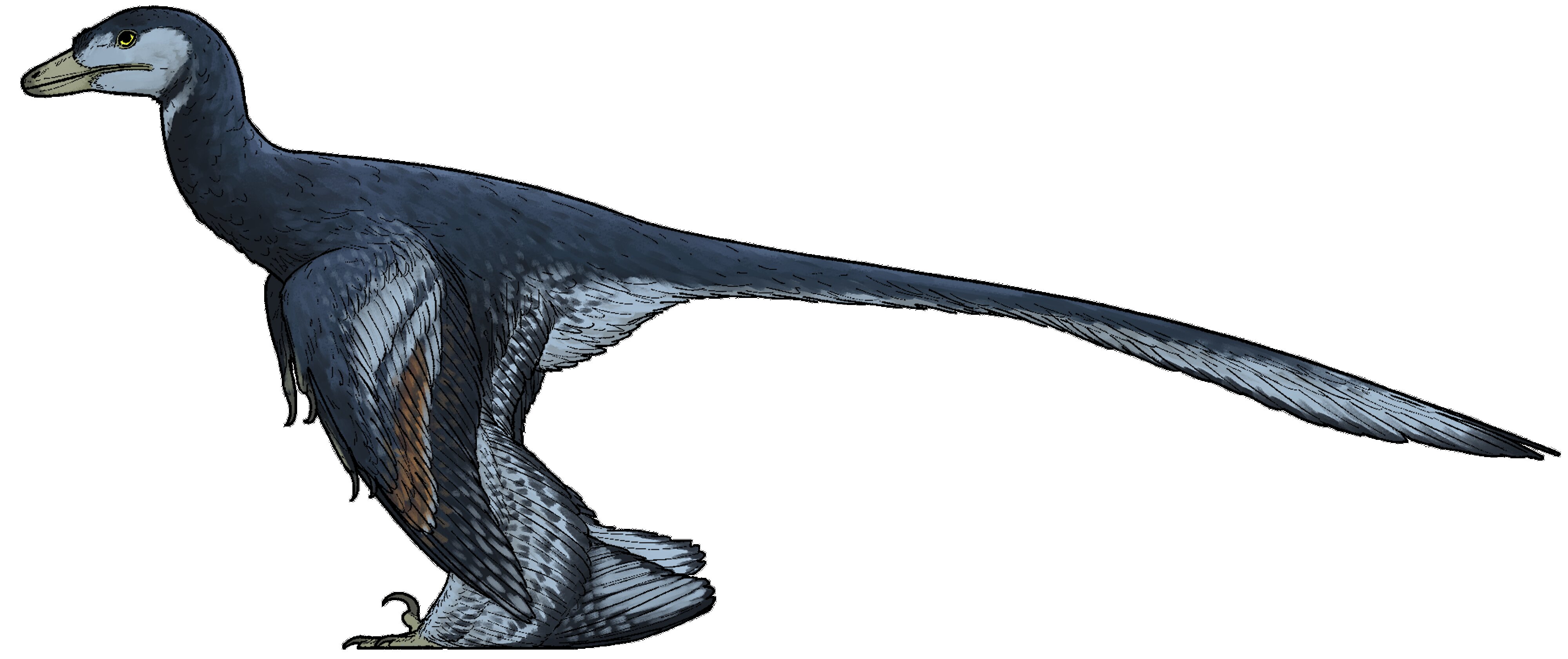
This Four-Winged Dinosaur Glided Like a Flying Squirrel. It Hunted Early Birds.
A fossil bed in China held hundreds of ancient birds and mysterious pellets of crushed bone. The missing predator that made them has finally been discovered: a feathered, four-winged cousin of Velociraptor named Jian changmaensis.
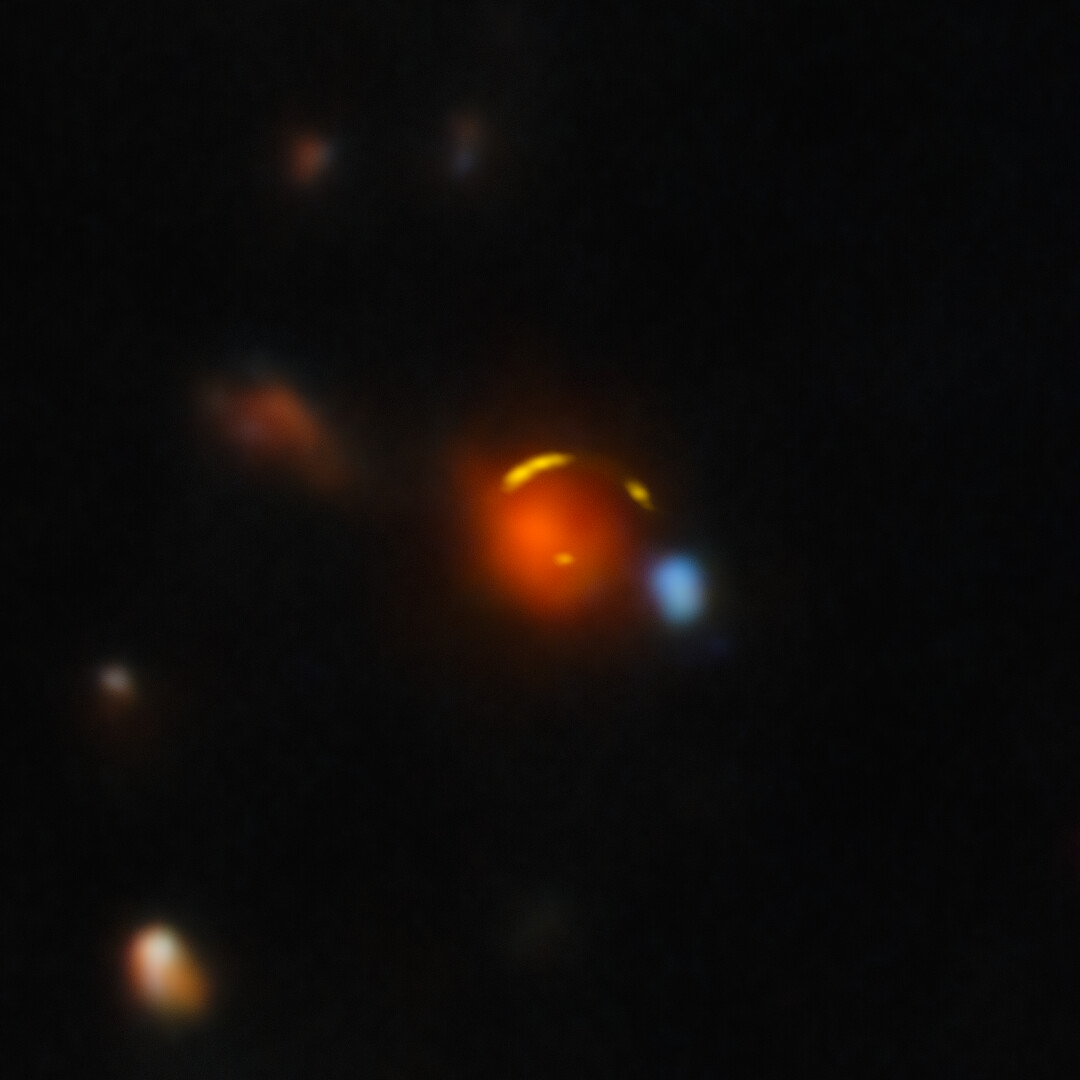
Scientists Expected a Black Hole. They Found a Neutrino Factory Powered by Stars.
A single neutrino detected at the South Pole in 2021 led astronomers to a dust-shrouded galaxy 11 billion light-years away. The galaxy, nicknamed Shadow Blaster, had no black hole at its core. Instead, it was forming stars so intensely that the dense gas was converting cosmic rays into ghost particles.
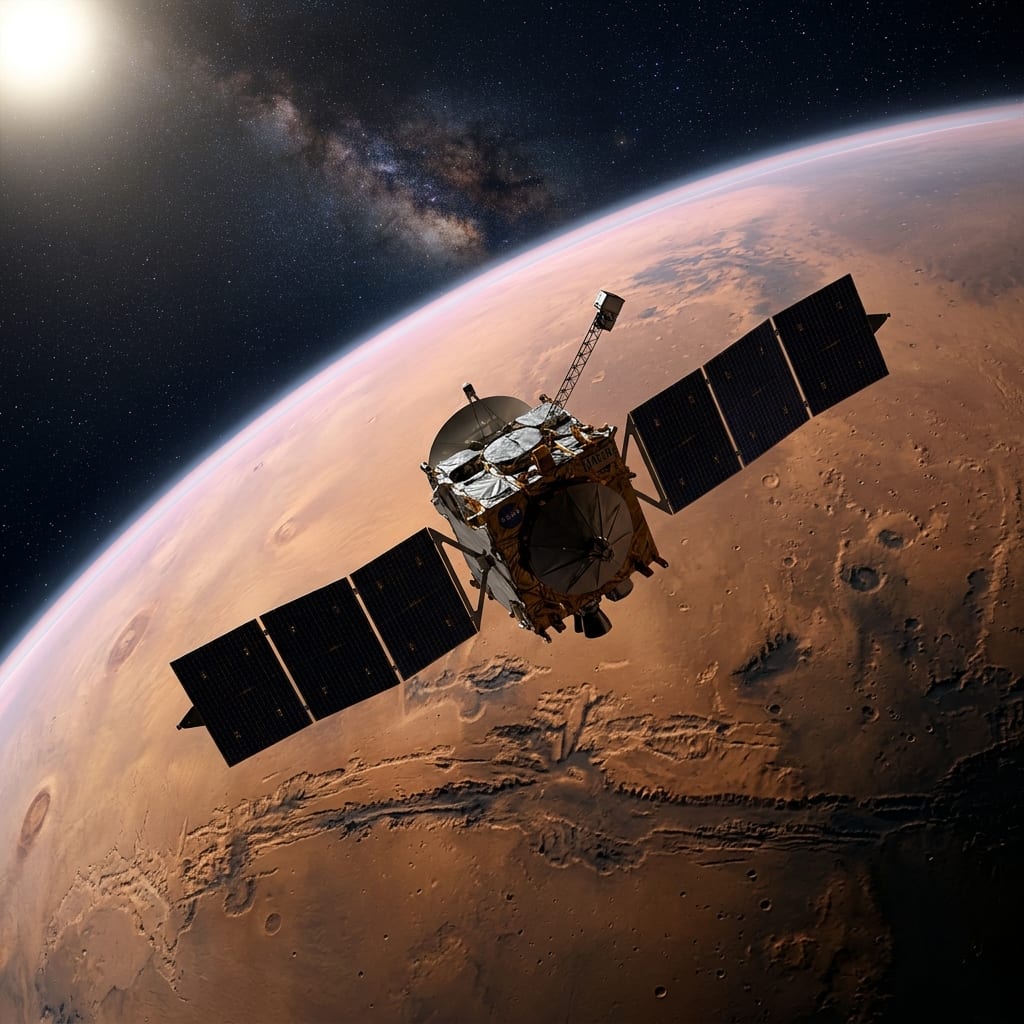
NASA's MAVEN Spacecraft Went Silent Over Mars. It Left Behind 11 Years of Discoveries.
After more than 11 years studying how Mars lost its atmosphere, NASA's MAVEN fell silent in December 2025. In June 2026, the agency said goodbye. The mission leaves behind over 800 papers, the first measurements of atmospheric sputtering on any planet, and a direct view of what happens when the Sun strips a world bare.