Stories
Archive page 3 of 6.
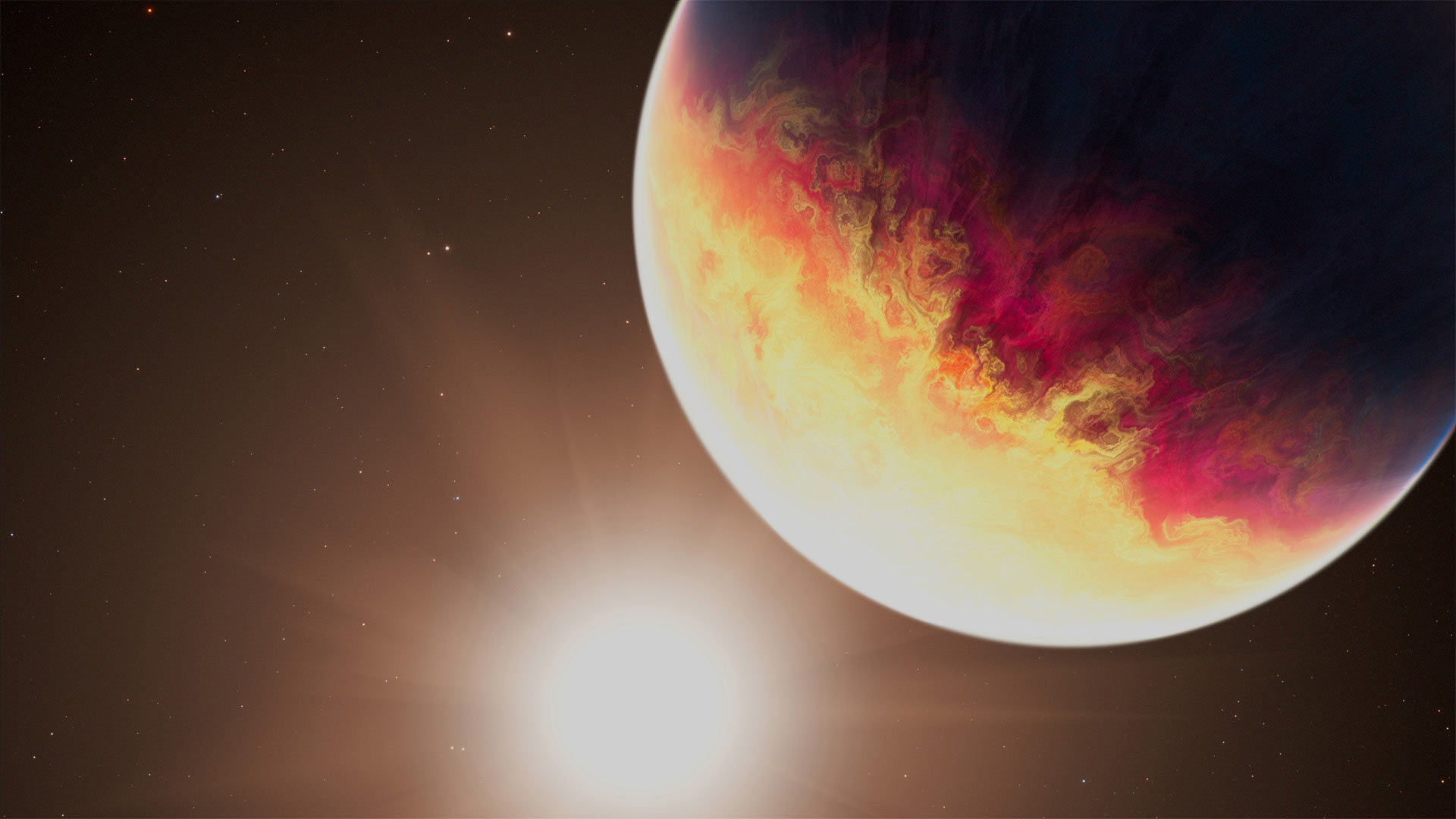
JWST Caught a Hot Jupiter Getting Flash-Heated. The Temperature Spike Was Worse Than Expected.
HD 80606b has one of the most extreme orbits of any known exoplanet, a 111-day elliptical loop that swings from 0.88 AU to 0.03 AU from its star. JWST's MIRI instrument watched the planet whip past its star and measured a temperature spike of 1,100 degrees Fahrenheit, more extreme than Spitzer had predicted.
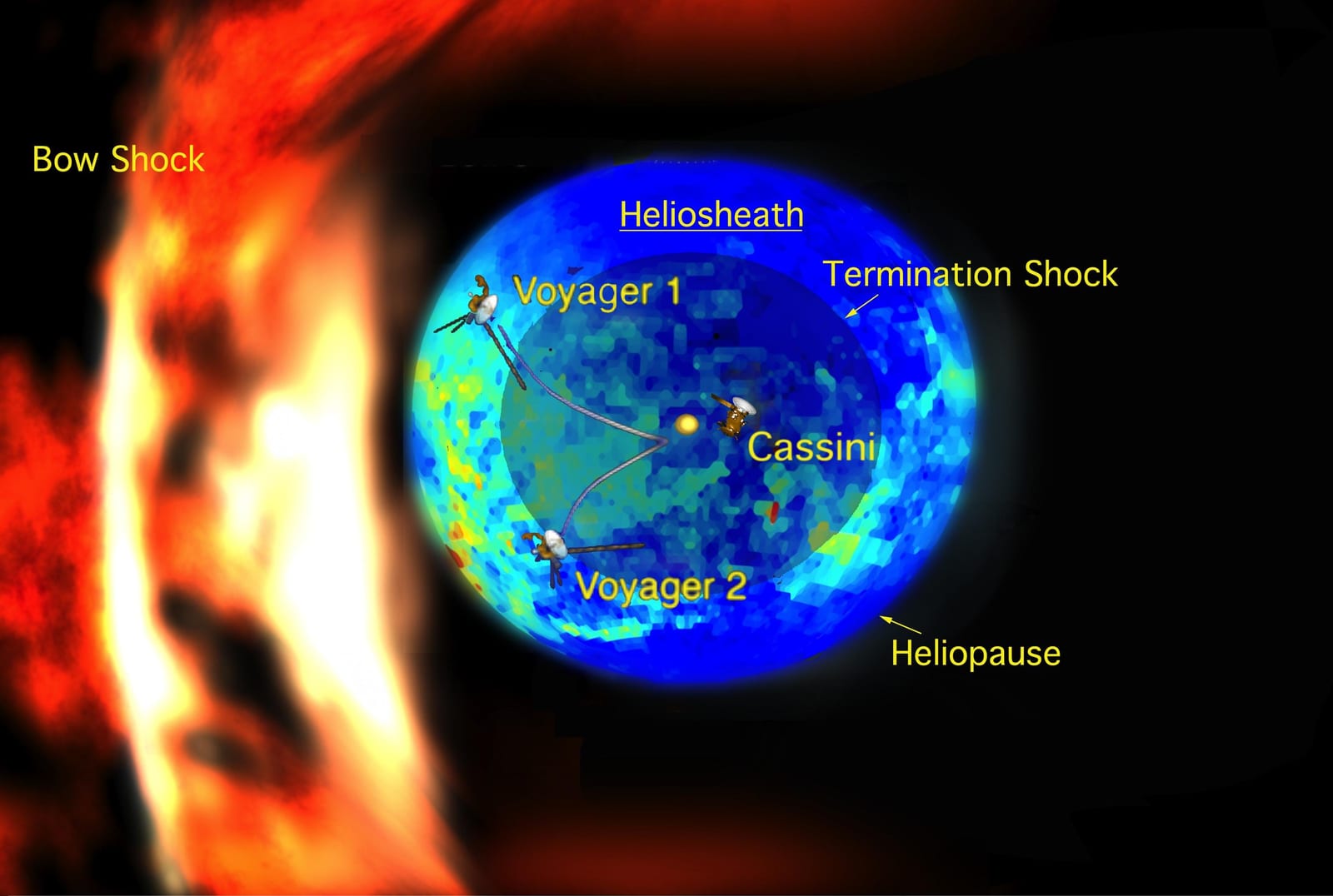
New Horizons Heads for the Solar System's Edge. Forecasts Predict When It Will Cross the Boundary.
New Horizons is now 66 AU from the Sun and heading for the termination shock, the boundary where the solar wind first meets interstellar space. Scientists at the Southwest Research Institute have developed a forecast for the crossing: as early as 2029, as late as 2040.
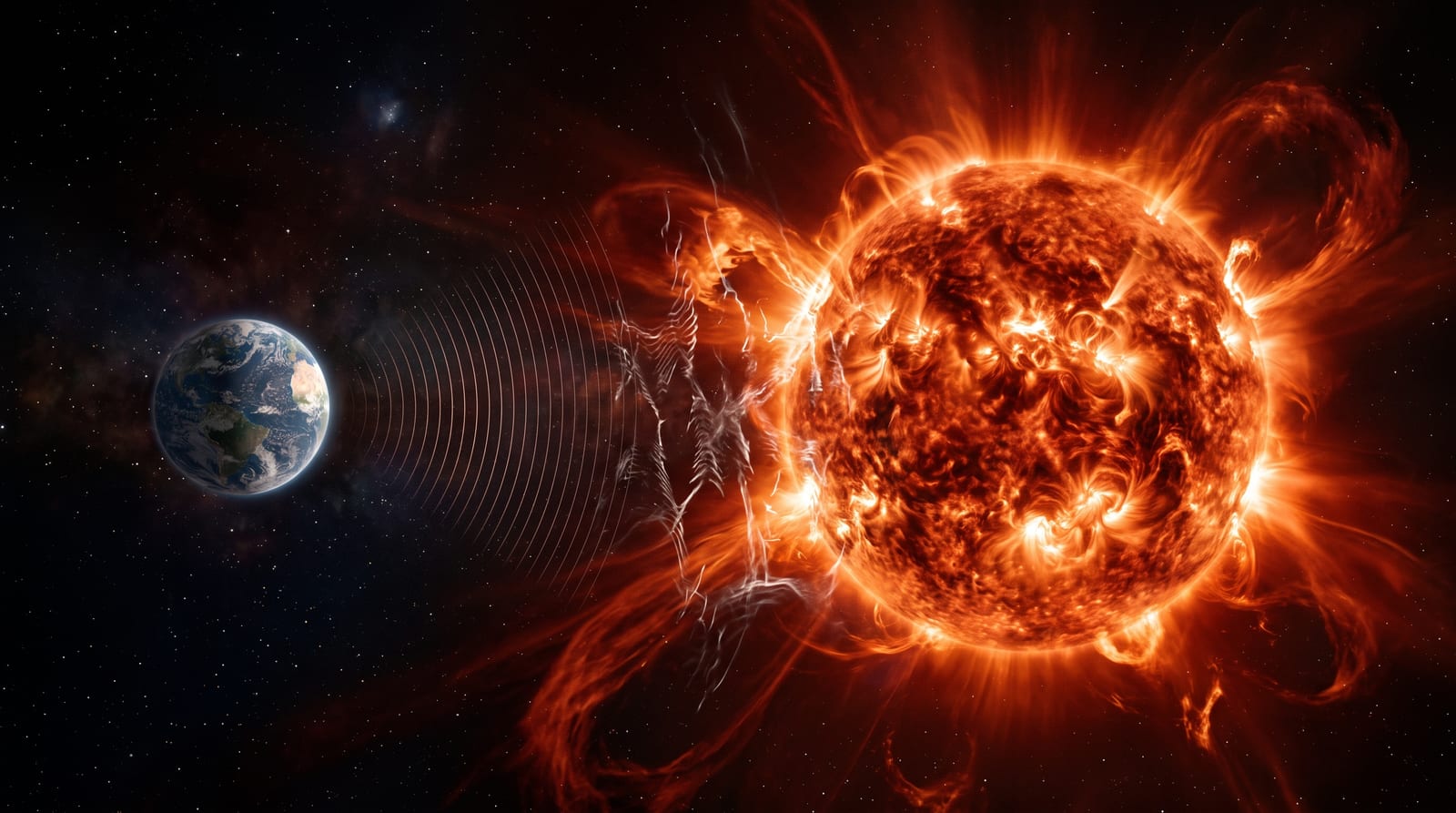
Alien Messages May Have Reached Earth Without Us Realizing It
A new SETI Institute study reveals that the same stars hosting potentially habitable planets may be scrambling alien radio signals before they can reach our detectors. Turbulent stellar plasma could be smearing sharp signals into noise, and the fix changes how we search.
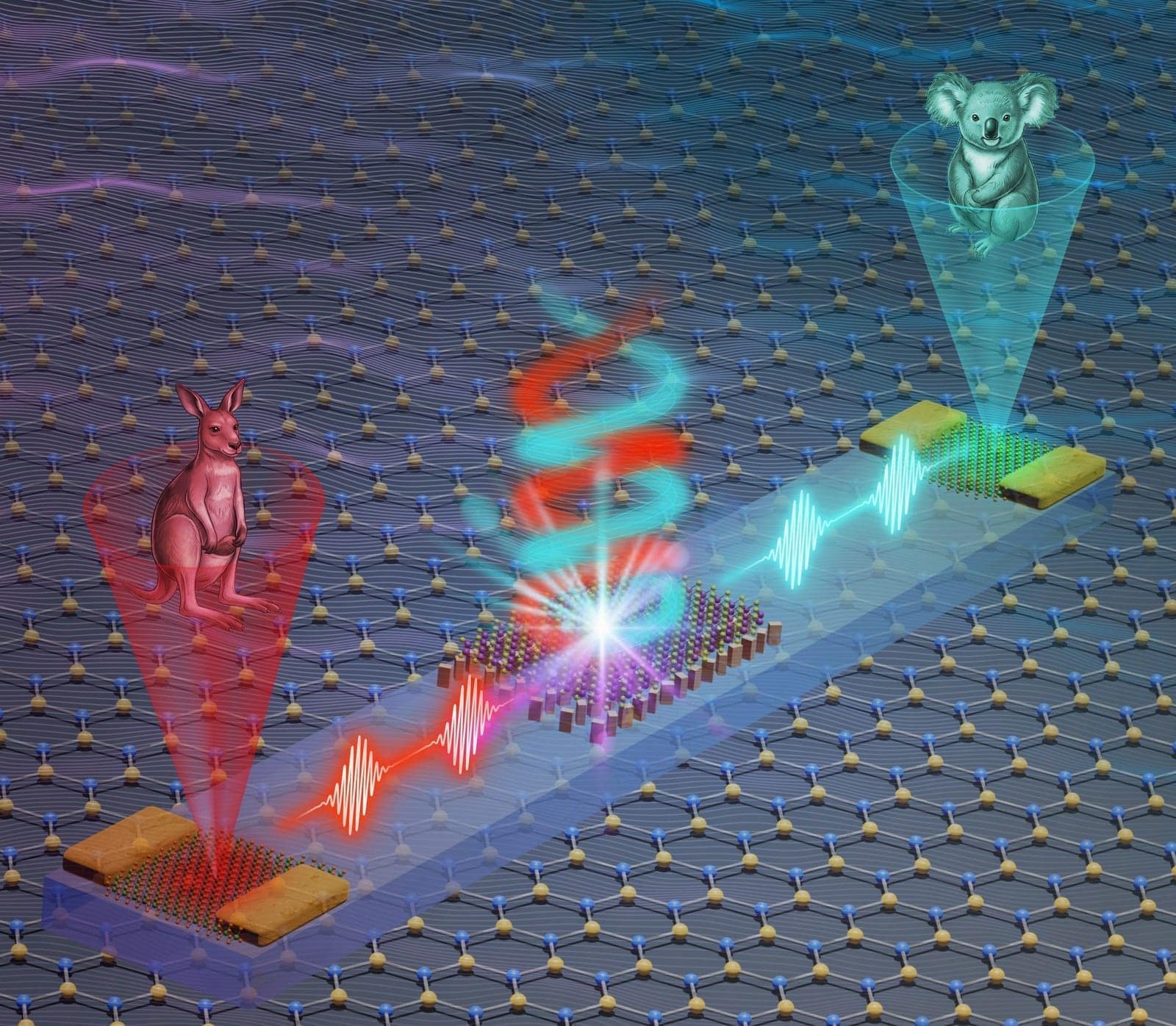
This Tiny Chip Processes Information With Light Instead of Electricity
Monash University engineers built a nanoscale circuit that uses light instead of electricity to process information. The chip operates at room temperature, handles two data streams at once, and could power a new generation of quantum and optical computing technologies.
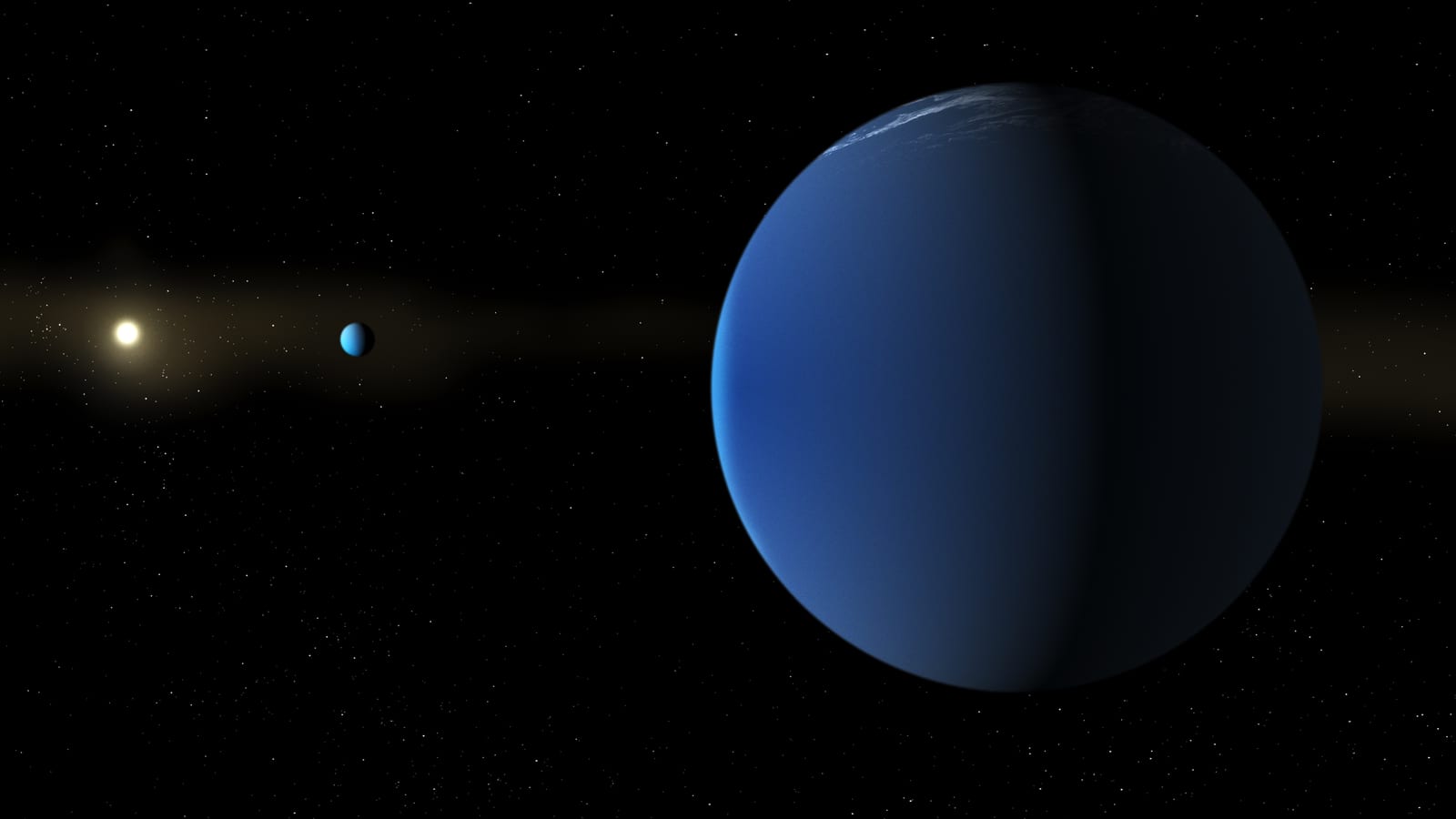
Jupiter-Sized Planets Lighter Than Cotton Candy. The Puffiest Worlds Ever Found.
Two gas giants orbiting a star 1,110 light-years away are roughly the size of Jupiter but have densities lower than cotton candy. A global telescope network spent seven years confirming these are the puffiest planets ever detected.
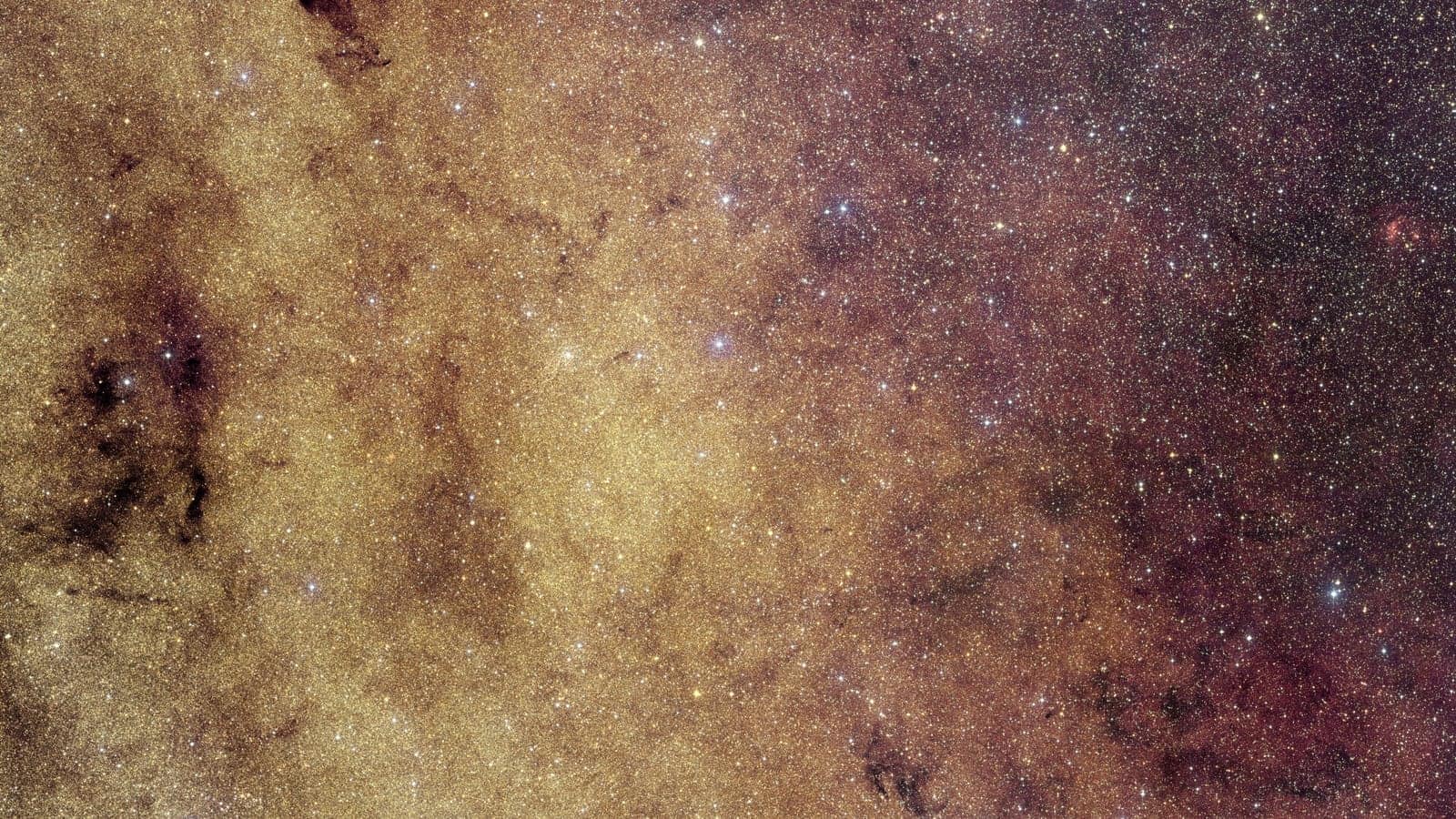
Euclid Spent 26 Hours Looking at the Milky Way's Core. It Came Back With 60 Million Stars.
The European Space Agency's dark universe telescope paused its survey of distant galaxies to stare at the brightest part of our own. The resulting visible-light mosaic contains more than 60 million stars and 51 known planetary systems, and it may change how astronomers find exoplanets.
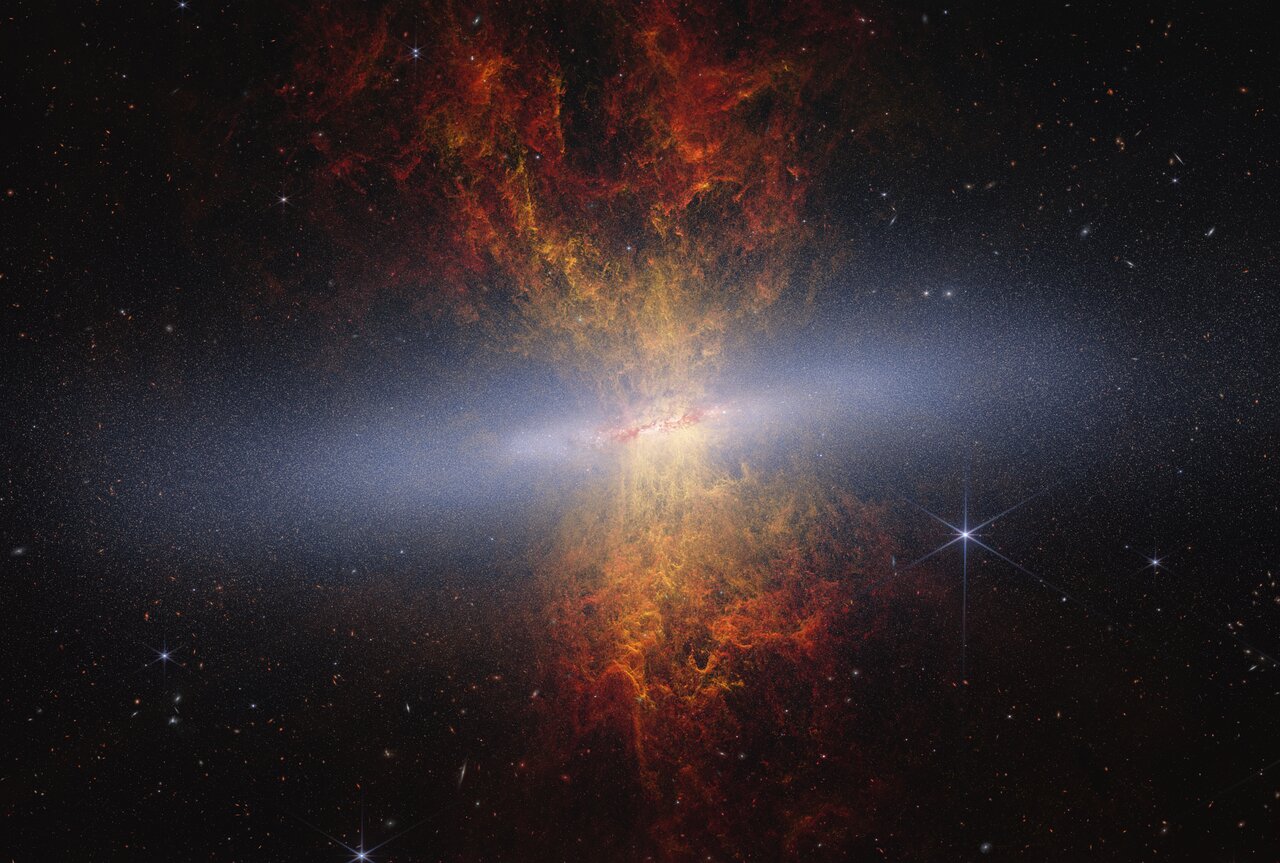
Webb Peered Into the Cigar Galaxy and Found 16.5 Million Stars Hidden Behind the Dust
Scientists aimed NASA's James Webb Space Telescope at starburst galaxy M82 for 65 hours. The near-infrared view pierced through thick dust and resolved 16.5 million individual stars, revealing the Cigar Galaxy's hidden formation history.
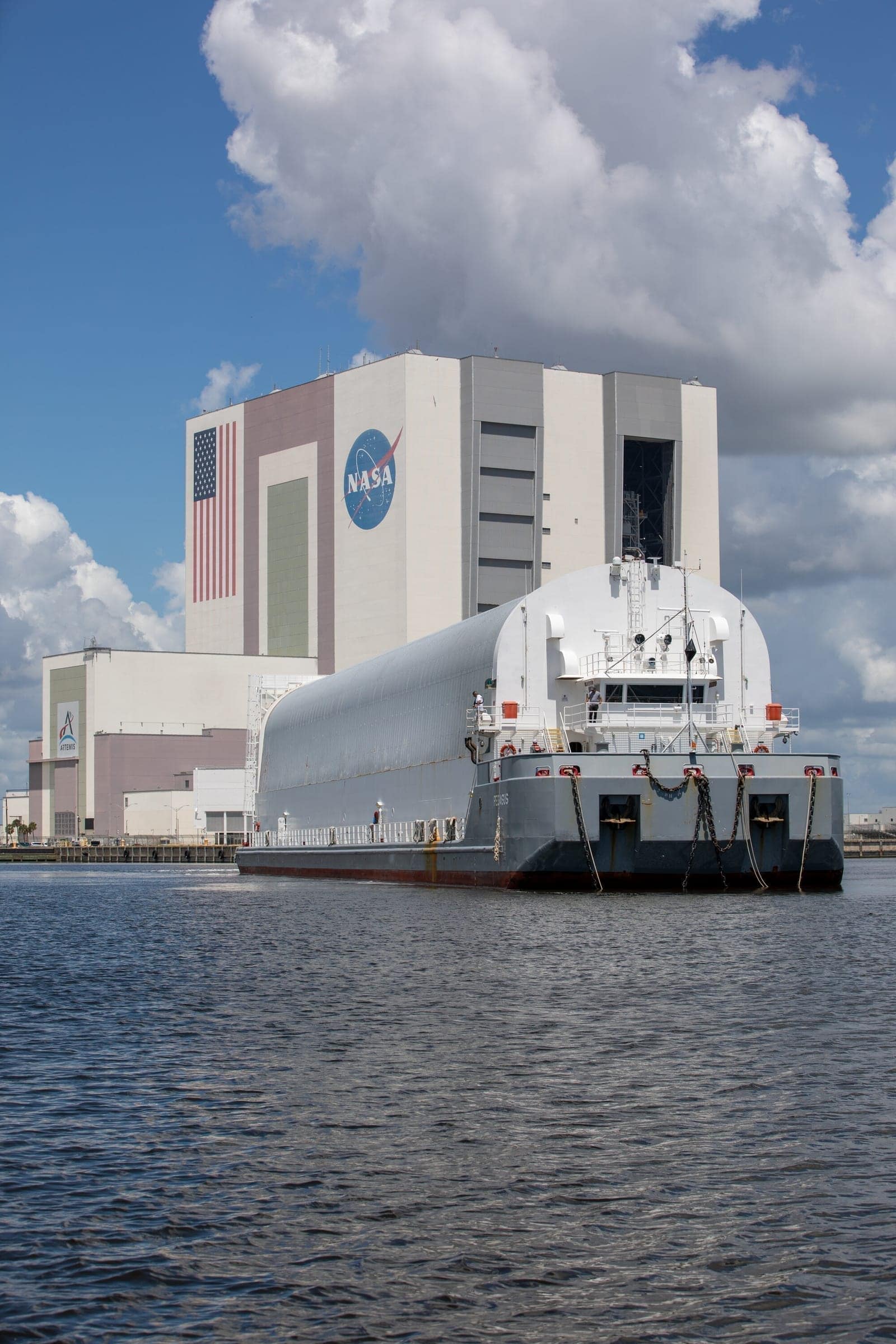
NASA's Next Flagship Telescope Just Arrived in Florida. It's Launching 8 Months Ahead of Schedule.
The Nancy Grace Roman Space Telescope arrived at Kennedy Space Center on June 21 aboard the Pegasus barge after an eight-day journey from Maryland. With a field of view 100 times larger than Hubble and a launch date of August 30, 2026, the observatory is eight months ahead of schedule and will survey a billion galaxies.
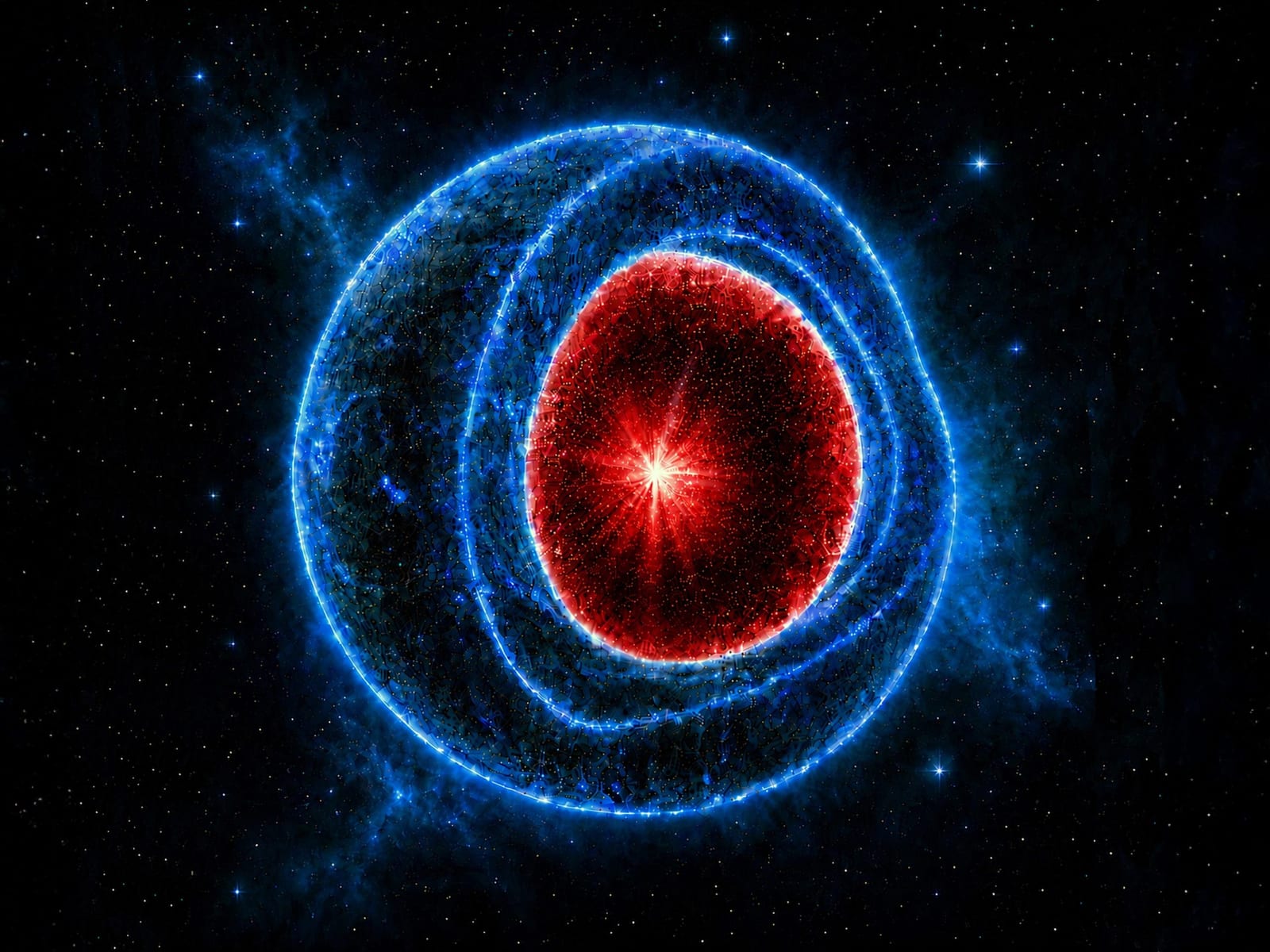
A Dying Star Could Create a Tiny New Universe Instead of a Black Hole
Theoretical physicists solved Einstein's equations and found that when a massive star collapses, the result may not be a black hole. Instead, a tiny expanding universe could be born inside, powered by dark energy.
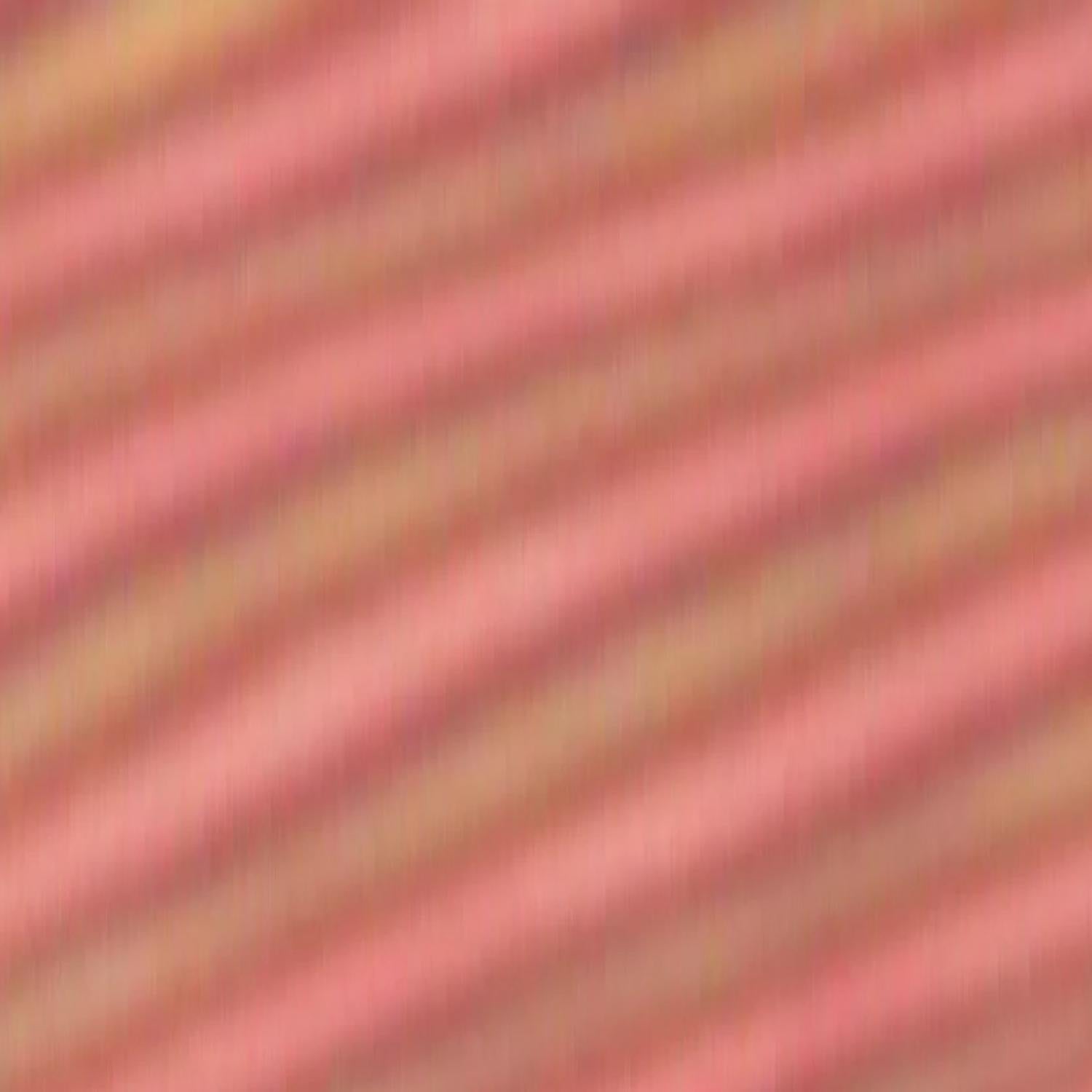
The First Time Crystal You Can See With Your Own Eyes
Physicists at the University of Colorado Boulder created the first time crystal visible to the naked eye, using liquid crystals sandwiched between glass plates. The neon-hued stripes ripple periodically in time, not just space, and could enable anti-counterfeiting measures and new optical devices.
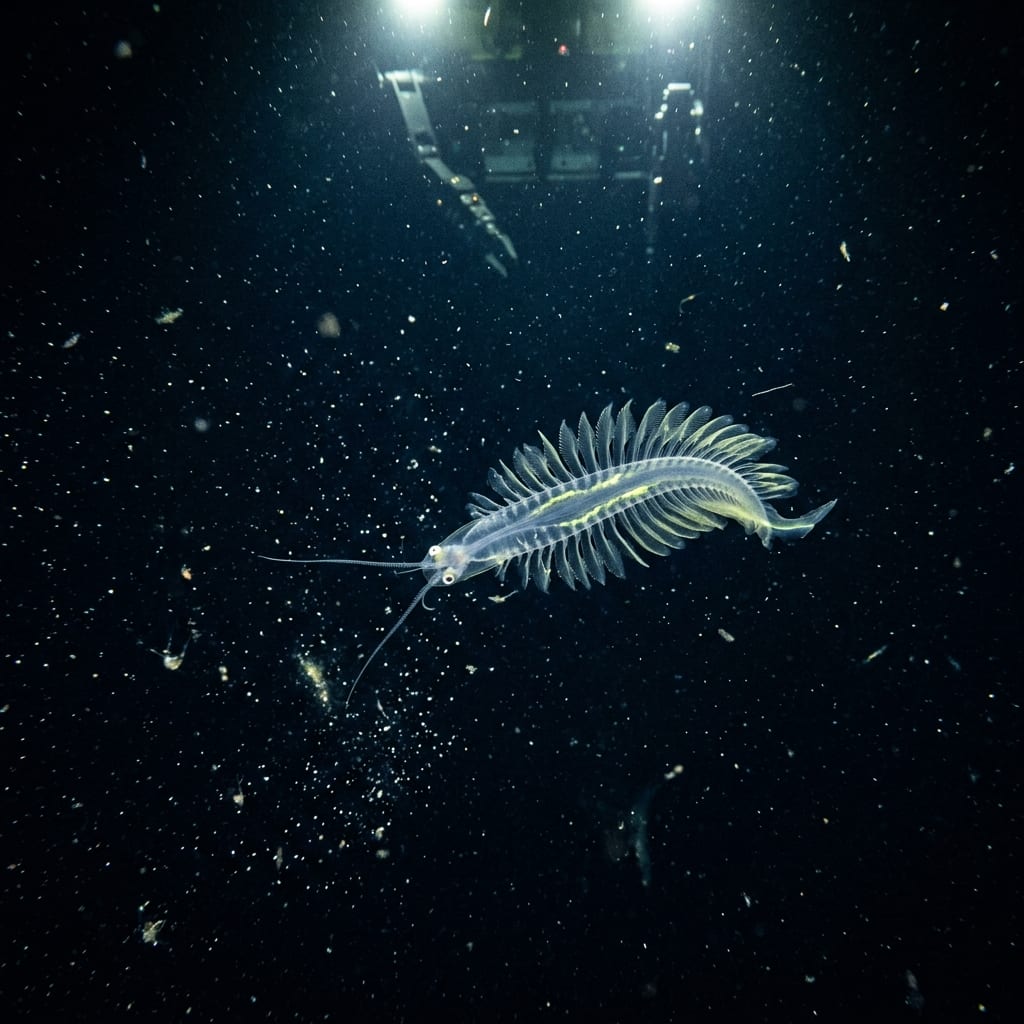
In Two Weeks Off Brazil, Scientists Identified 31 New Deep-Sea Species
An international team aboard Schmidt Ocean Institute research vessel Falkor (too) spent 14 days exploring the midwater off Brazil and identified 31 previously unknown species, from glowing jellyfish to gossamer worms, using laser imaging and onboard genetic sequencing.
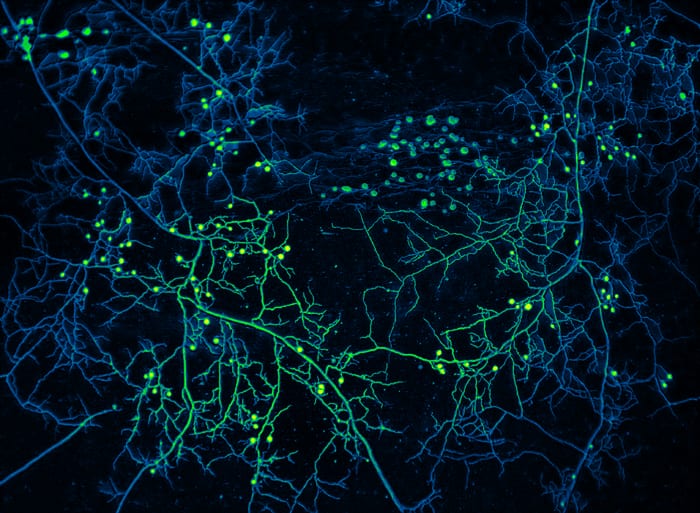
The Underground Fungal Superhighway: Mapped for the First Time
Beneath every ecosystem on Earth is a hidden circulatory system: complex networks of underground fungi that move carbon, nutrients, and water across the planet. Scientists just produced the first global map of this vast living infrastructure, and the numbers are staggering.