Stories
Archive page 6 of 6.
The Bloop Was Not a Sea Monster. It Was Ice.
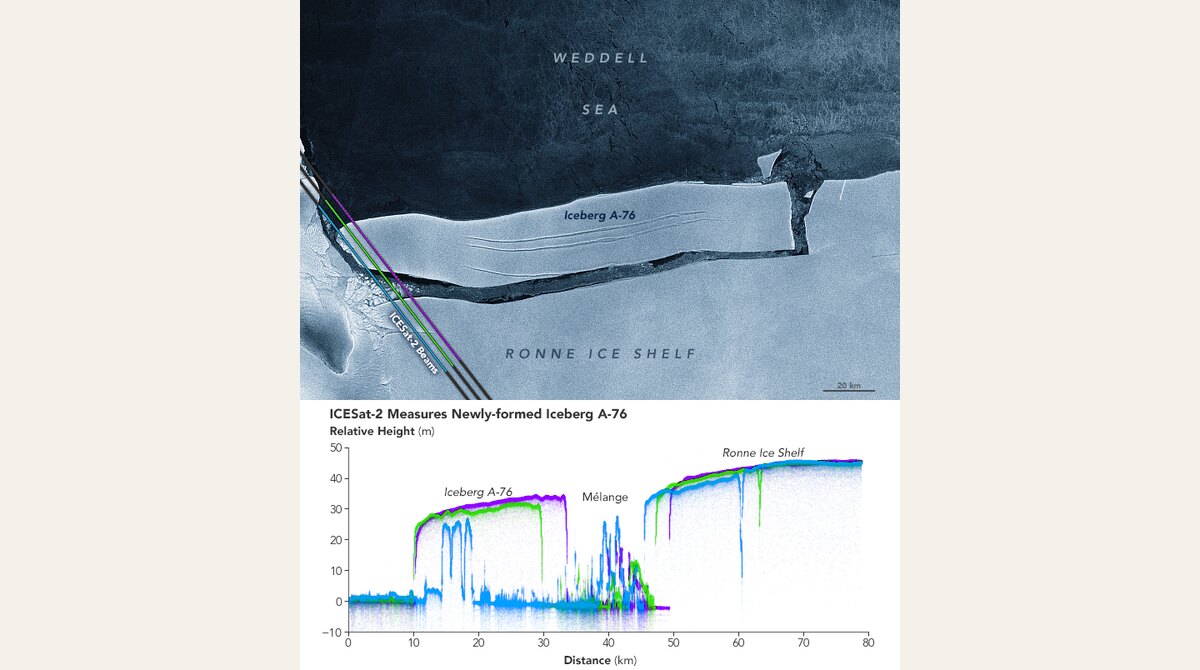
NOAA hydrophones recorded a strange low-frequency sound in 1997. The famous Bloop turned out to fit the signature of icequakes.

The Black Frogs of Chernobyl
Eastern tree frogs inside the Chornobyl Exclusion Zone are darker than nearby frogs, a visible clue in a study of radiation and selection.
The Trembling Giant That Weighs 6,000 Tons
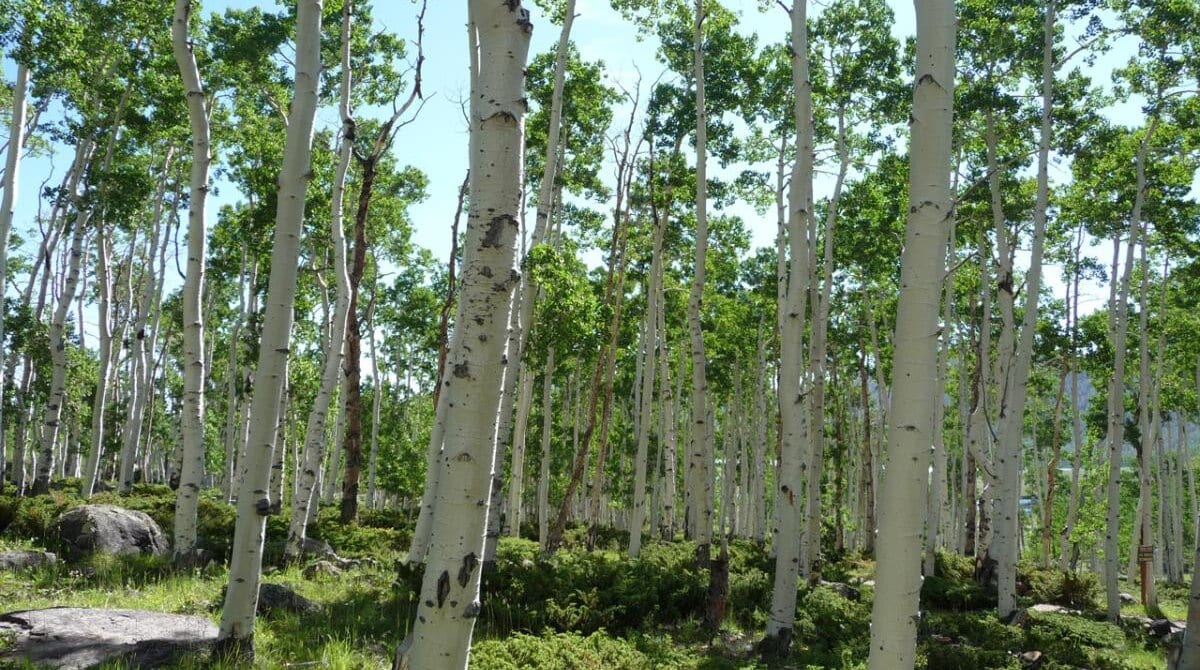
Pando looks like a forest of quaking aspens, but it is a single clone connected by one root system across 106 acres in Utah.
Millions of Smithsonian Objects Are Waiting for Better Stories
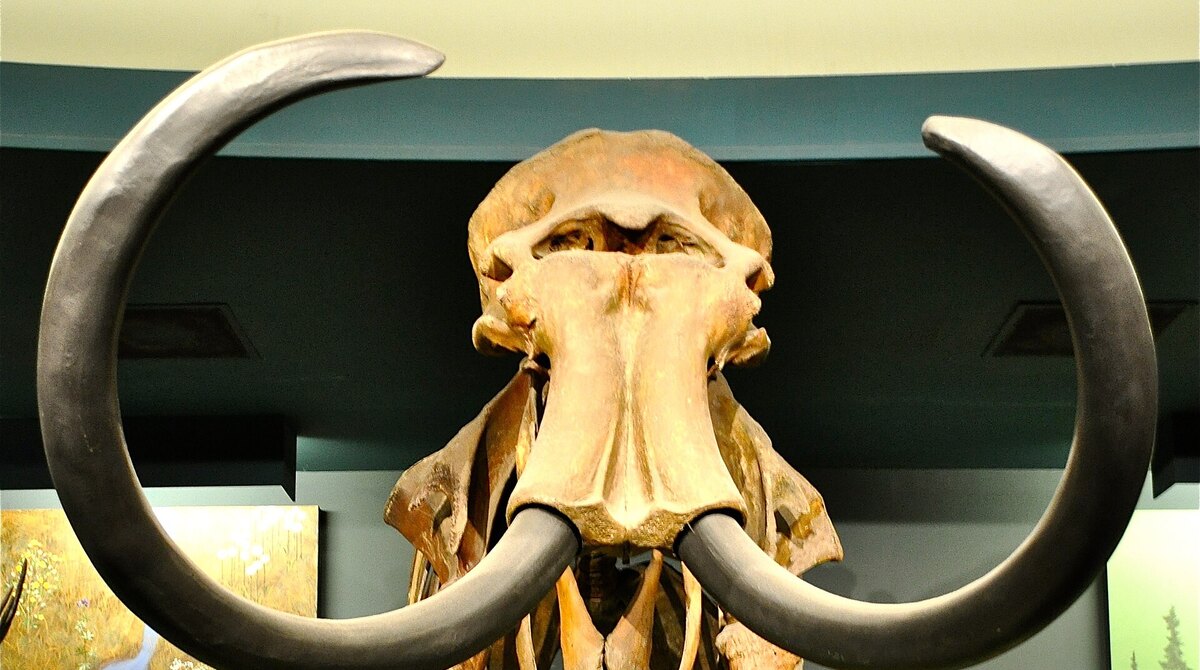
Smithsonian Open Access released millions of images and datasets for public reuse, turning museum storage into a giant story mine.
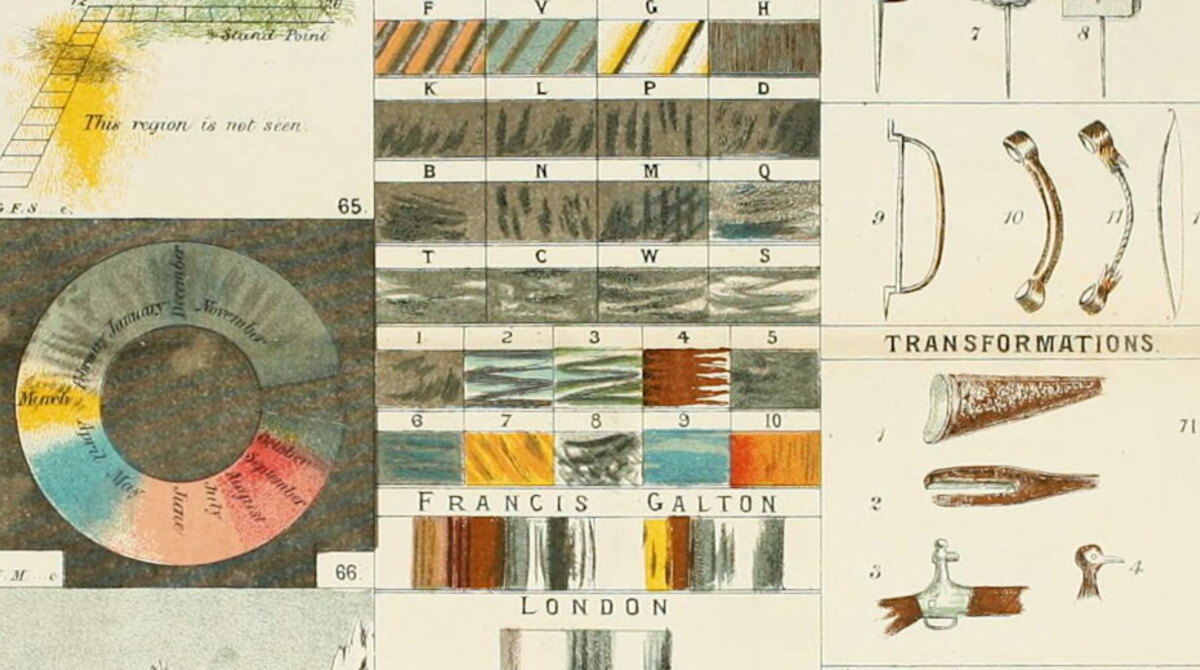
When Victorian Scientists Drew the Colors of Numbers
Francis Galton collected early diagrams of private color and number experiences, creating strange visual records of synaesthesia and mental imagery.
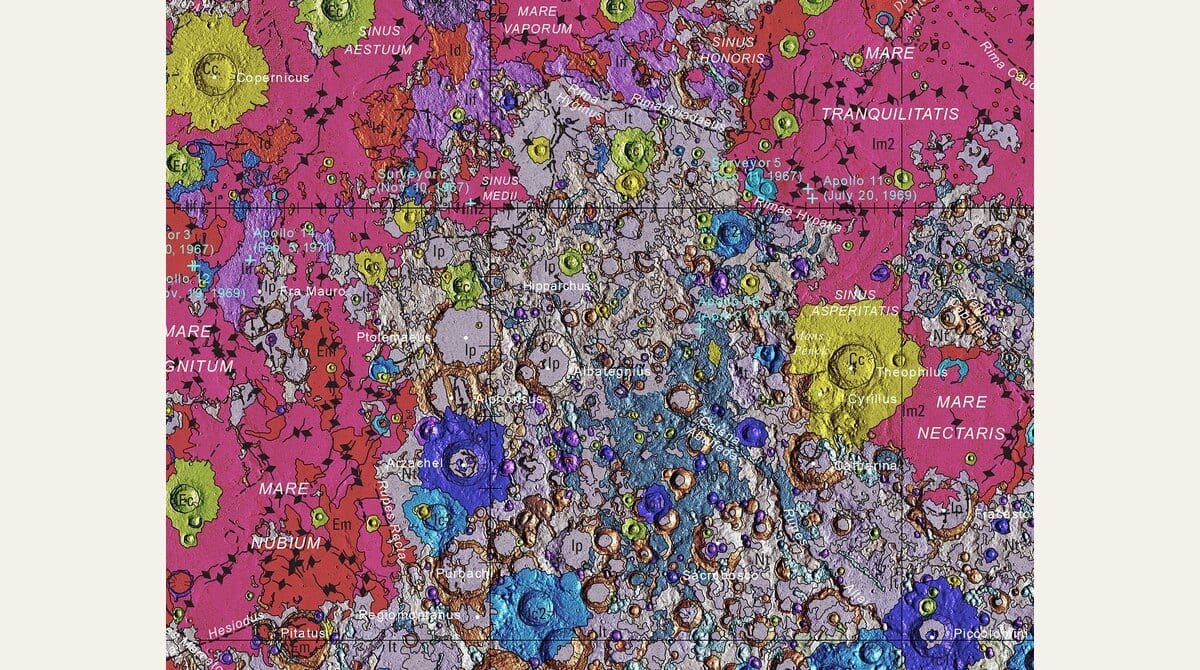
The Moon Map Made by Earth Geologists
USGS Astrogeology built a unified geologic map of the Moon, turning Apollo-era mapping and modern spacecraft data into one global reference.
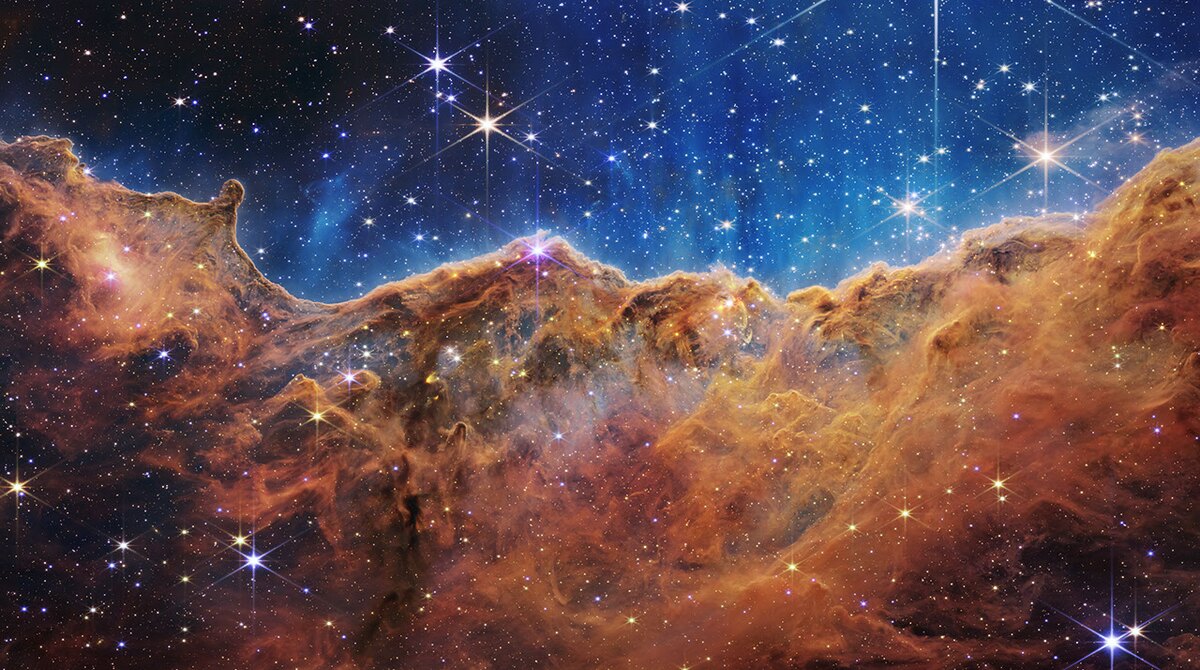
NASA's Astronomy Picture Archive Is a Curiosity Machine
The Astronomy Picture of the Day archive is more than a gallery. It is a long-running trail of cosmic micro-stories, but its image rights require care.
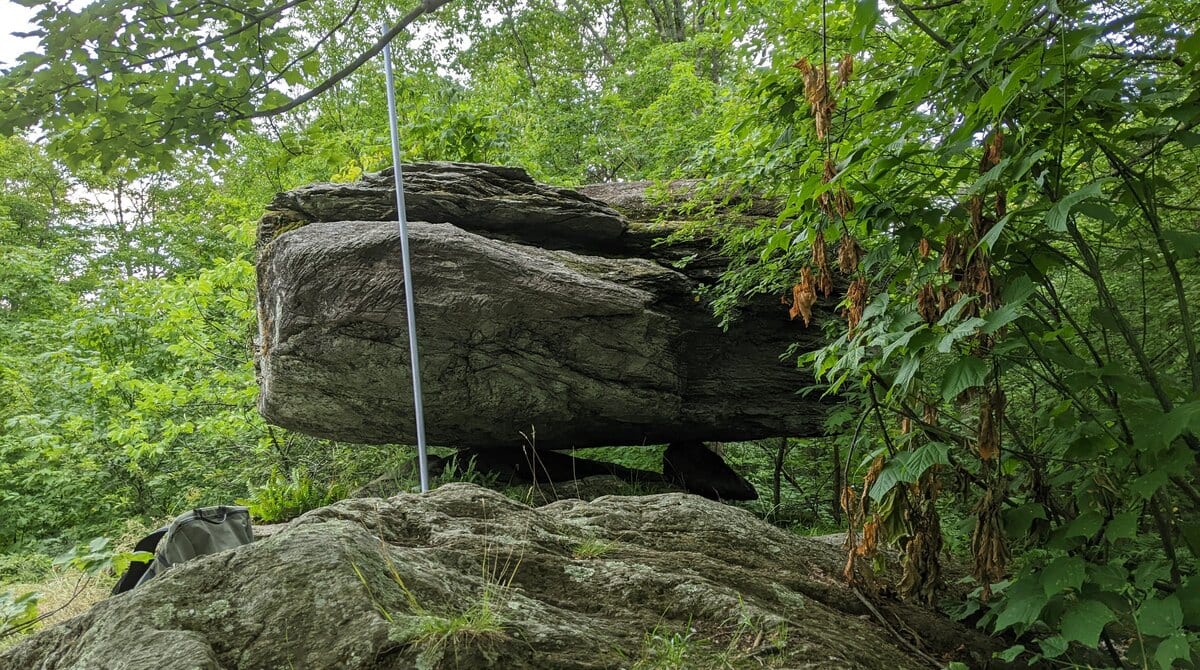
The Boulders That Remember Earthquakes
Precariously balanced rocks can help scientists test how hard the ground has shaken in the past, simply because they are still standing.
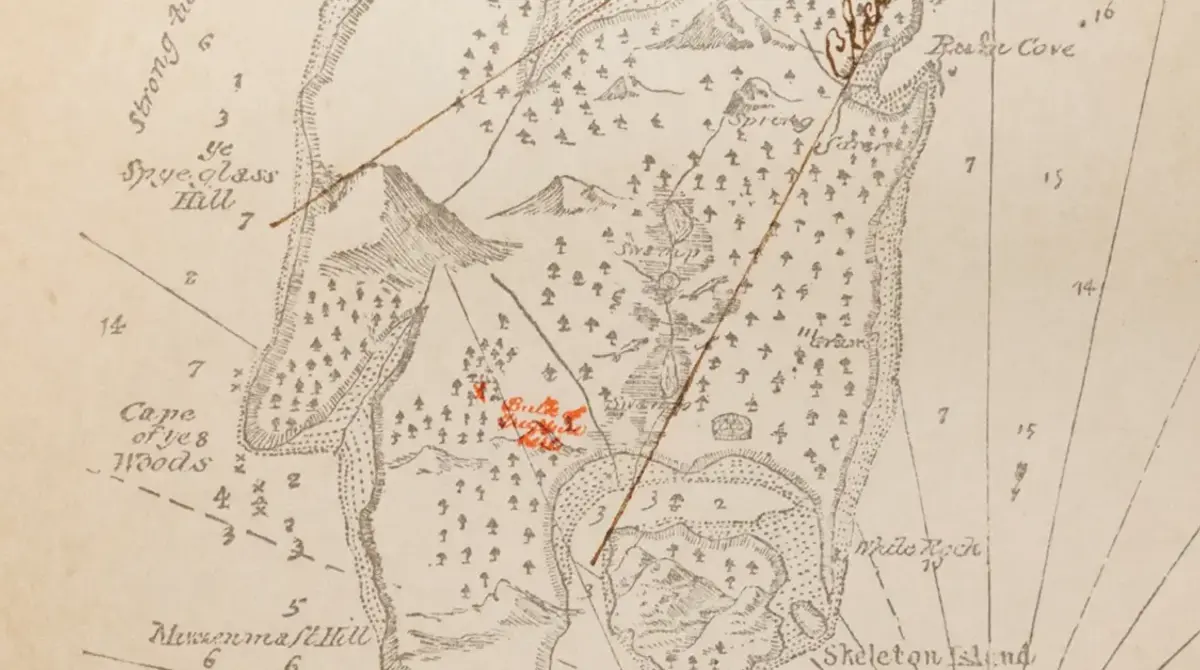
Real Maps for Places That Never Existed
The Library of Congress treats maps of imaginary places as real cartographic objects, from literary worlds to allegorical landscapes.
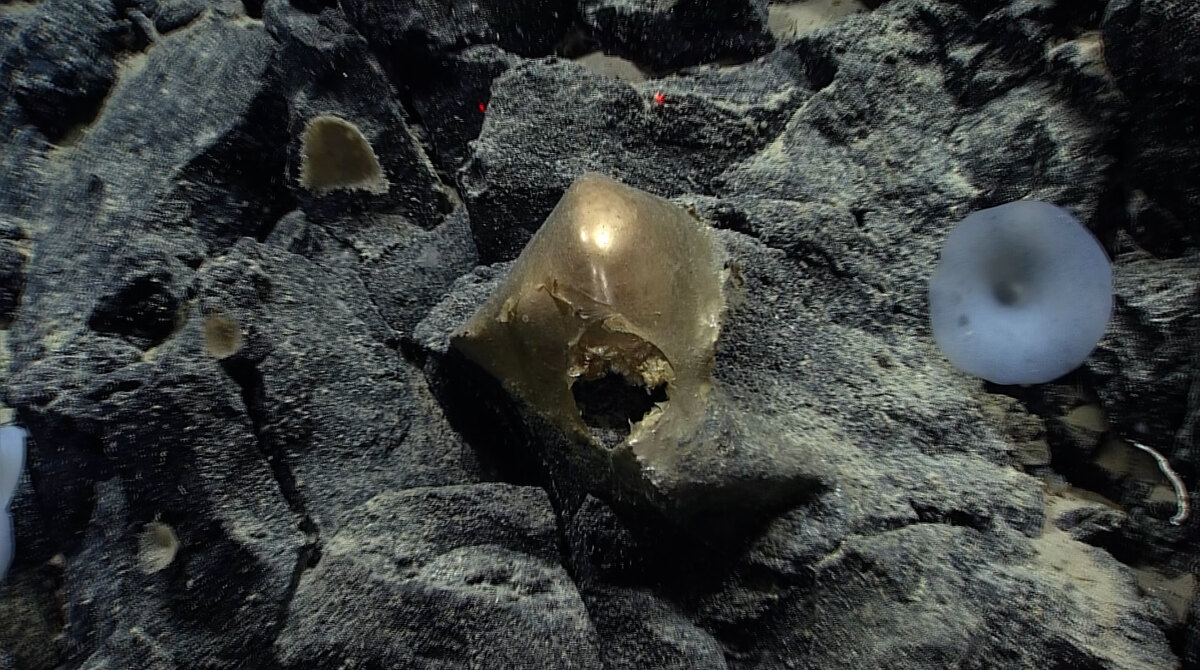
The Golden Orb That Wasn't an Alien Egg
A shiny object found more than 3,000 meters deep near Alaska looked like a deep-sea mystery. NOAA and Smithsonian scientists traced it to a rare anemone.
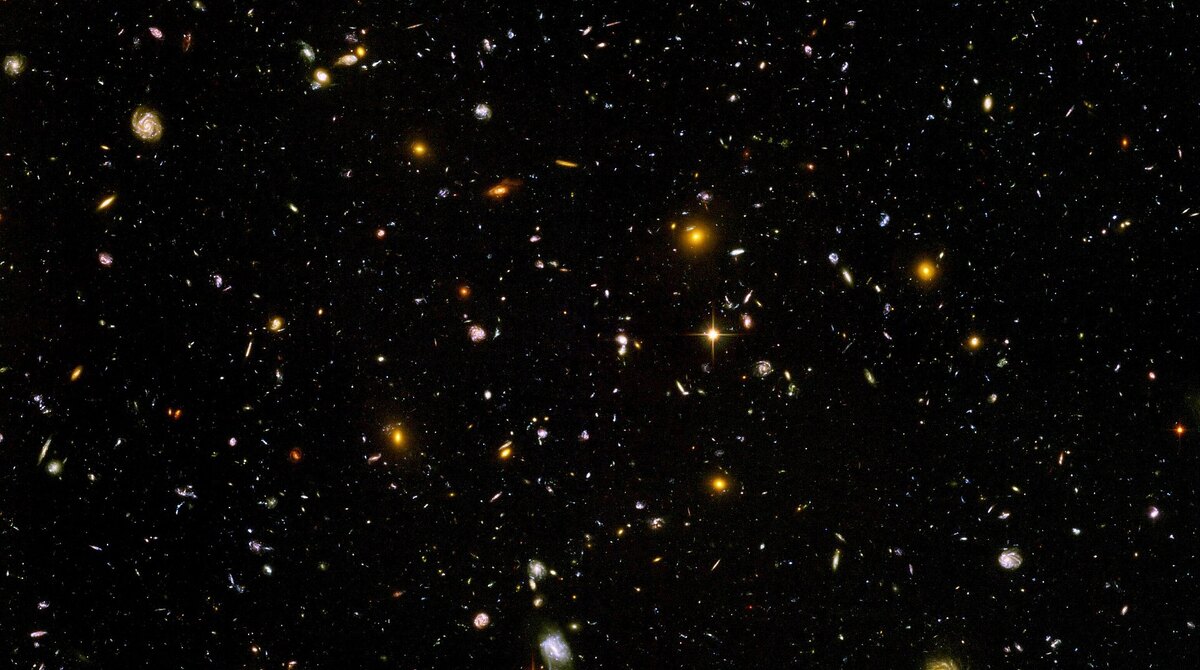
Welcome to the Impossible Universe
A first look at the strange, beautiful, and hard-to-explain stories this site was built to collect.