Space
Browse Impossible Universe stories filed under Space.
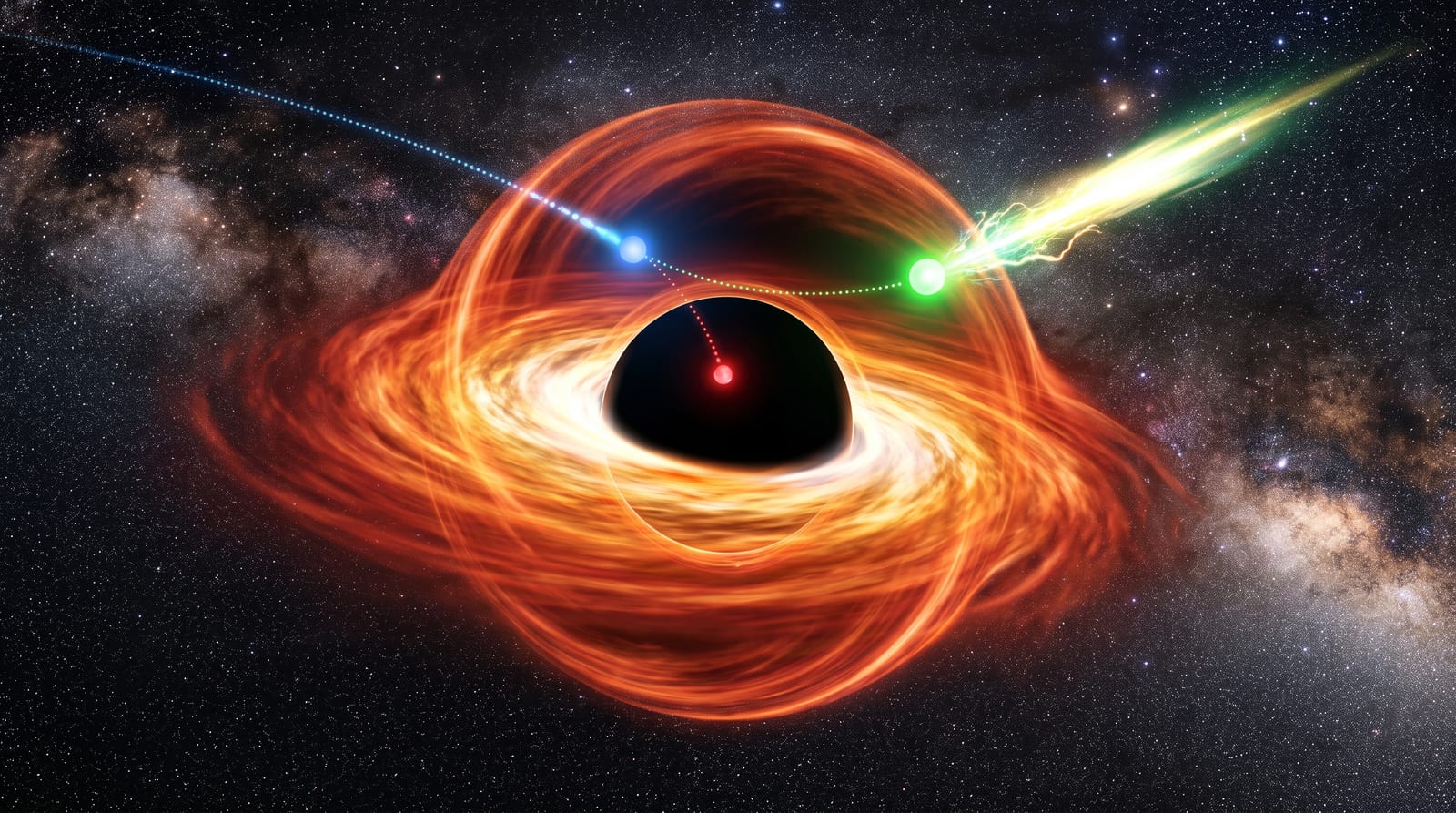
Physicists Recreated Black Hole Energy Extraction in the Lab Using Synthetic Rotation. A 50-Year-Old Theory Finally Works.
Researchers at CUNY's Advanced Science Research Center demonstrated the Penrose-Zel'dovich process in a laboratory for the first time. Using a ring of electronic resonators that simulate extreme rotation without physically moving, they showed that electromagnetic waves can extract energy from synthetic rotation, confirming a black hole energy theory proposed by Roger Penrose in 1969 and extended by Yakov Zel'dovich in 1971. The findings, published in Nature on July 10, 2026, open new avenues in optics, communications, and quantum science while validating one of the most extreme predictions of general relativity.
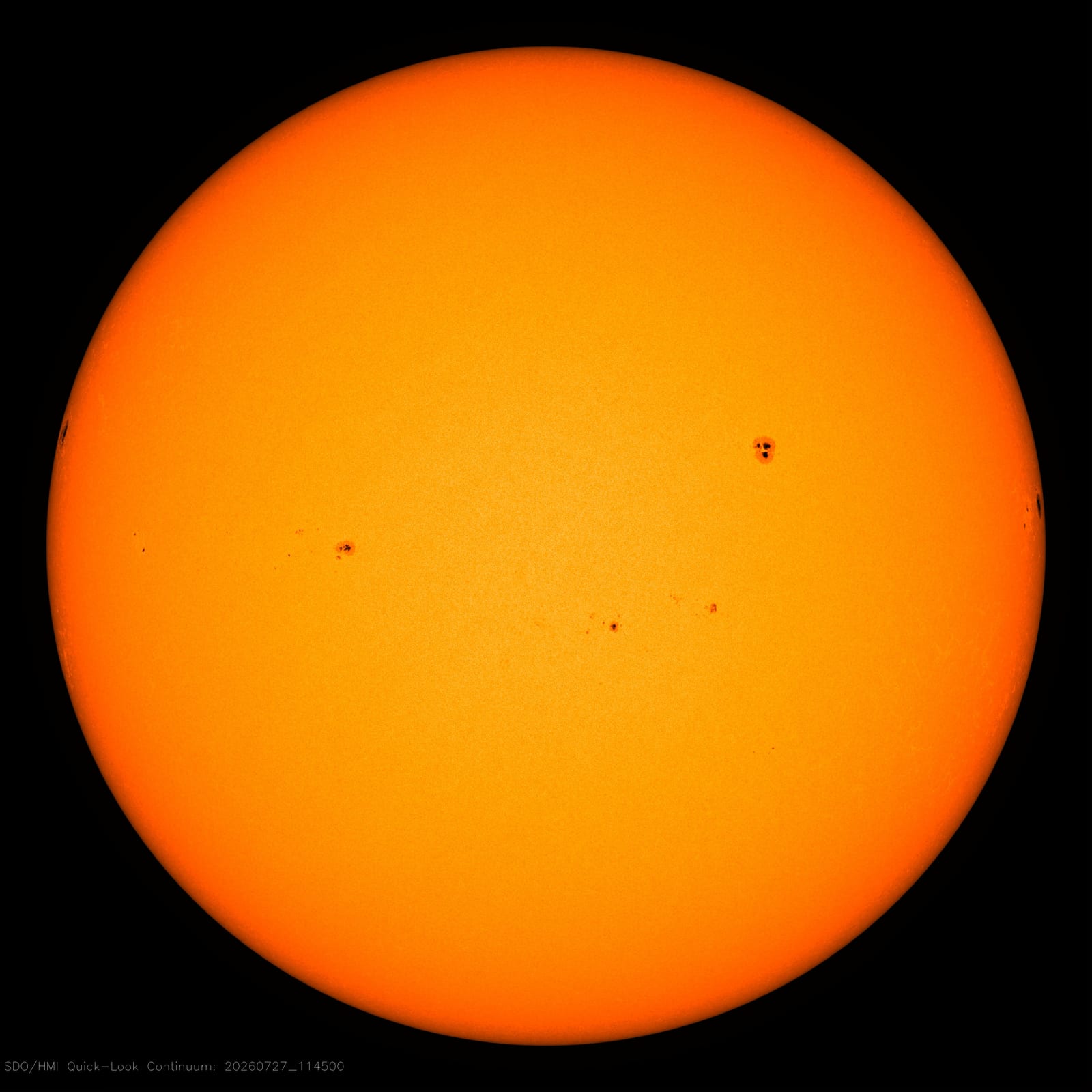
The Sun Has a Hidden Switch-Off Signal That Can Predict the Next Solar Cycle Years in Advance
Scientists discovered that the Sun's most extreme space weather does not fade away gradually. It switches off suddenly at a specific point in every solar cycle, and the number of sunspots at that moment predicts how active the next cycle will be up to seven years before it peaks.
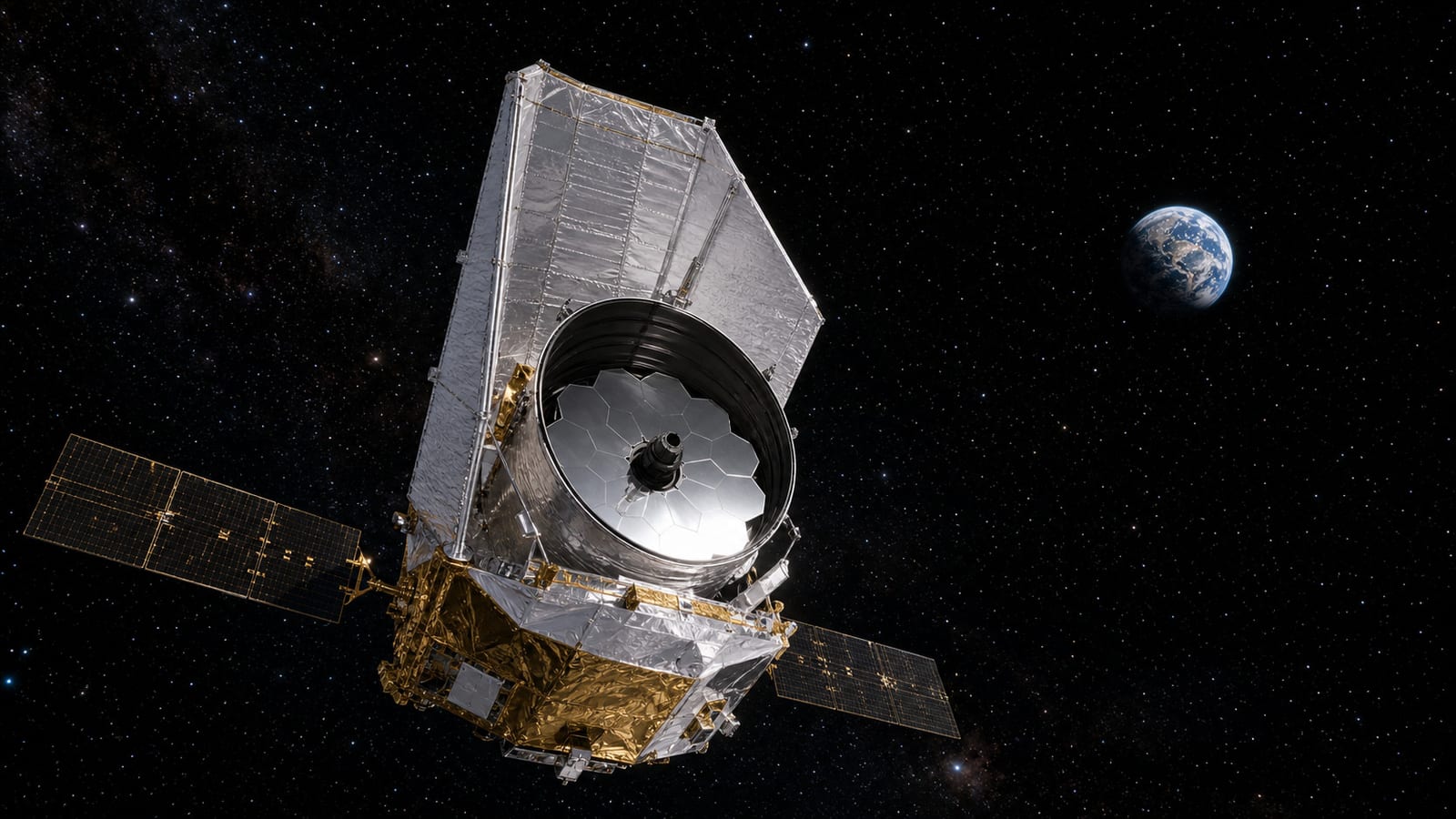
NASA's Roman Space Telescope Launches in 36 Days. It Will Map a Billion Galaxies and Find Thousands of New Worlds.
The Nancy Grace Roman Space Telescope, NASA's next flagship astrophysics observatory, launches August 30 aboard a SpaceX Falcon Heavy. With a field of view 100 times larger than Hubble, a billion-galaxy dark energy survey, and a coronagraph that could pave the way to imaging Earth-like planets, Roman is built to answer questions no existing telescope can touch.
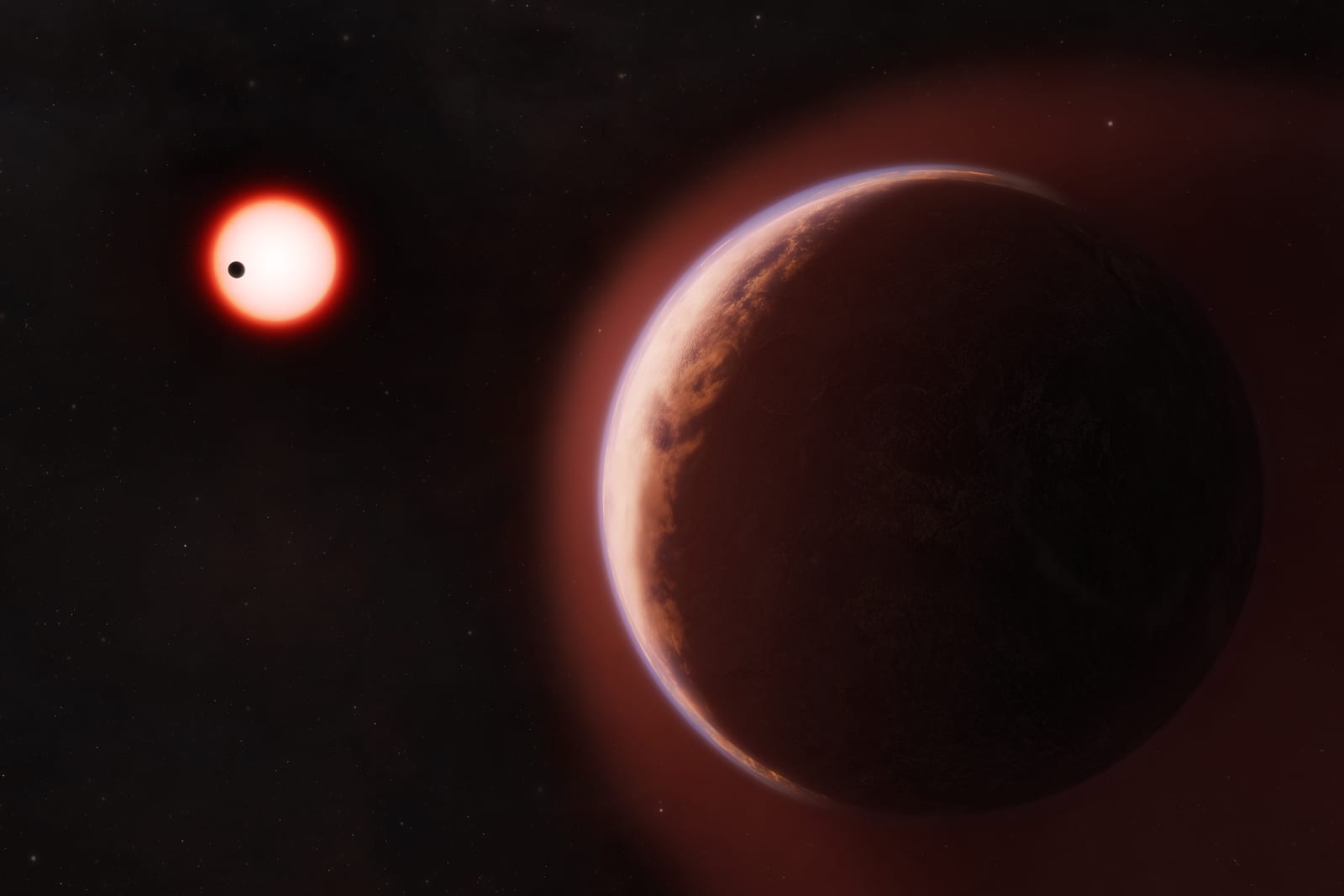
Astronomers Found the First Atmosphere on a Rocky World in the Habitable Zone. A Helium Leak Gave It Away.
For the first time, astronomers have confirmed an atmosphere around a rocky planet orbiting inside another star's habitable zone. LHS 1140 b, 48 light-years away, was found through escaping helium detected by the WINERED spectrograph at Chile's Magellan Observatory. The atmosphere has likely survived for more than 3 billion years, making it the strongest candidate yet for studying potentially habitable worlds beyond our solar system.
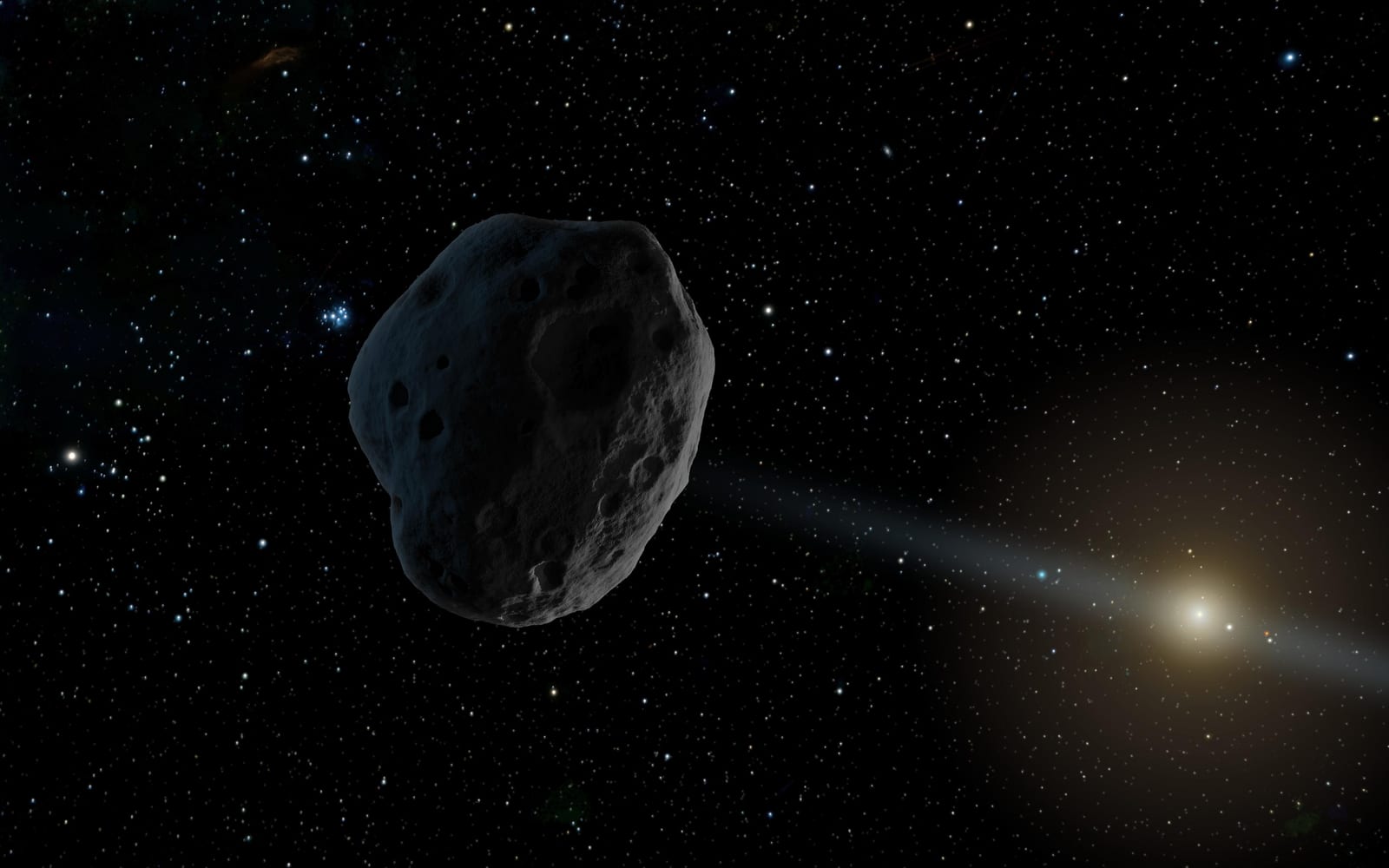
An Asteroid Pretended to Be Normal for 27 Years. Astronomers Finally Caught It Venting Gas.
For 27 years, the near-Earth object 1998 SH2 sat in astronomy catalogs as an ordinary asteroid. Then in August 2025, NASA radar observations found it was not where gravity predicted it should be. Follow-up observations with the Canada-France-Hawaii Telescope and the Very Large Telescope revealed a faint dust tail and coma. After nearly three decades masquerading as an asteroid, 1998 SH2 is actually a "dark comet" generating rocket-like thrust from escaping gas. The discovery was published in Nature Astronomy on July 10, 2026.
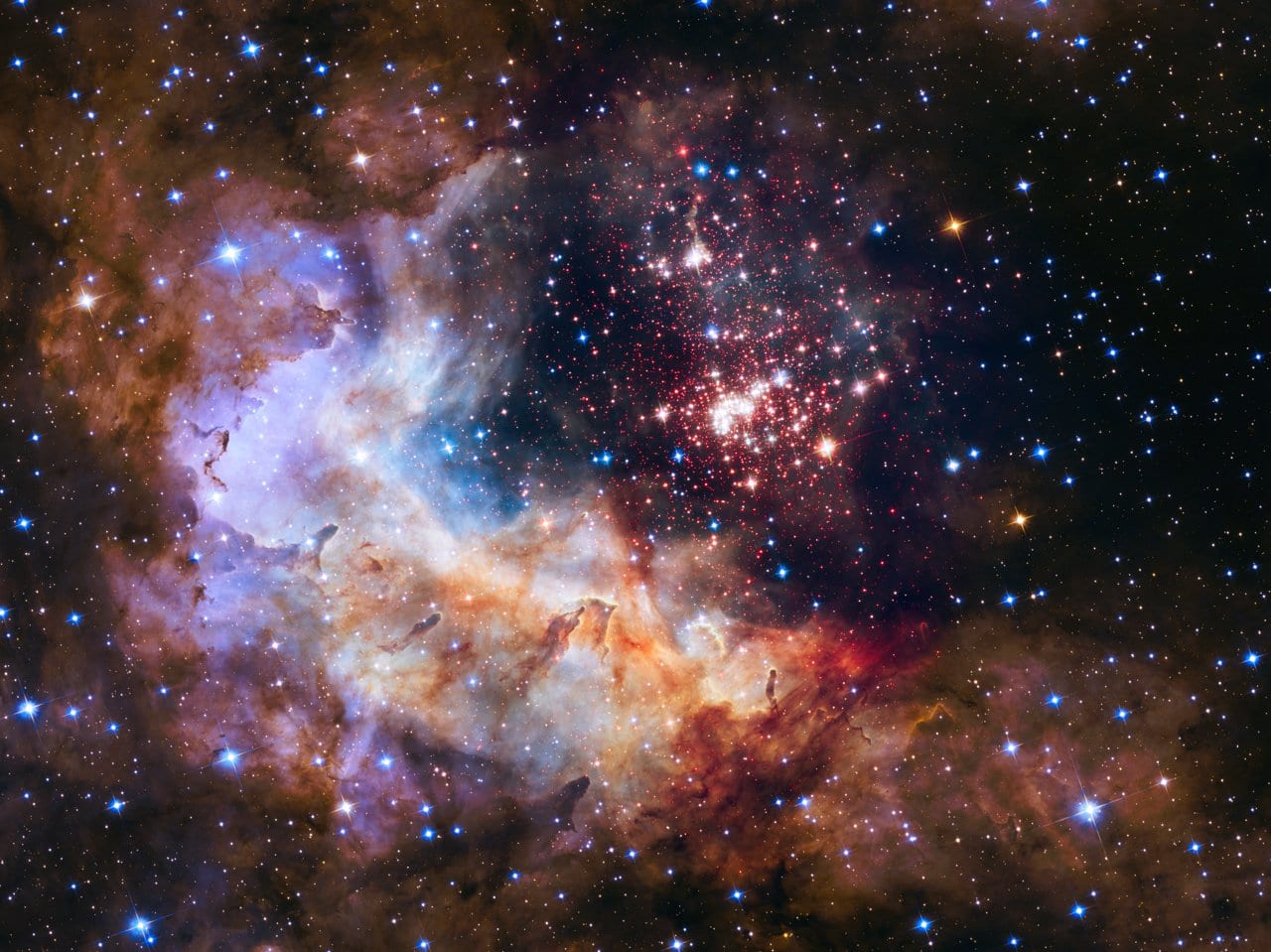
Astronomers Found the First of 10,000 Missing Black Holes in Omega Centauri. It Took Hubble 20 Years to Spot It.
The globular cluster Omega Centauri, a dense ball of 10 million stars 17,000 light-years away, should contain about 10,000 stellar-mass black holes. For decades none were found. Now, using 20 years of Hubble archival data and new JWST observations, astronomers have finally detected the first one: a 4.46-solar-mass black hole tracked by the motion of a visible star in a 94-year orbit.
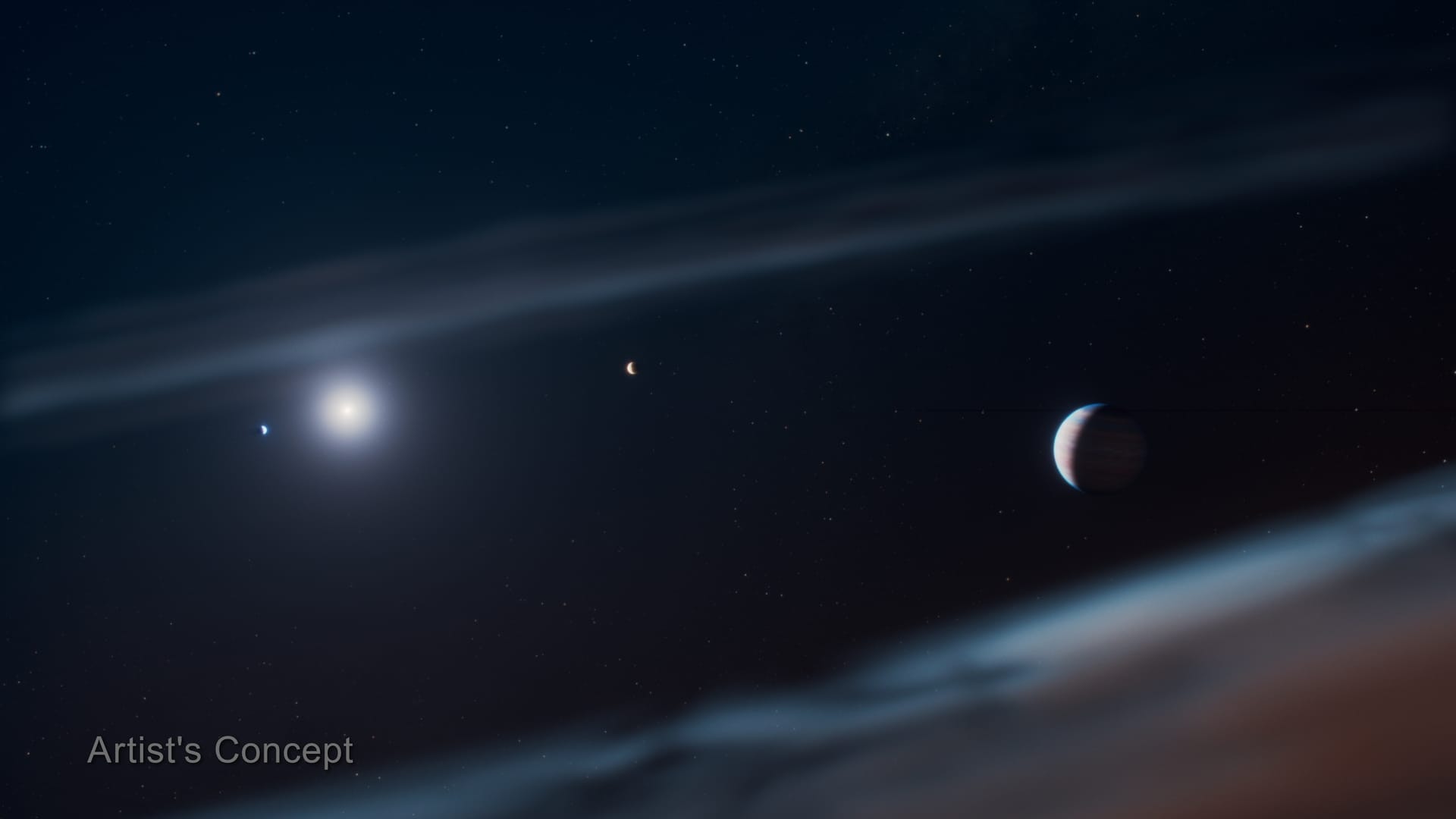
JWST Found a Third Planet Hiding in the Beta Pictoris System. What Made It Visible Was Not a Picture, but a Chemical Bar Code.
The Beta Pictoris system, one of the most studied young star systems in the galaxy, has been hiding a third giant planet for more than a decade. JWST discovered Beta Pictoris d not by imaging it directly, but by detecting the chemical fingerprint of its atmosphere in spectroscopic data. At 2.4 times the mass of Jupiter, it is the faintest exoplanet ever imaged from Earth.
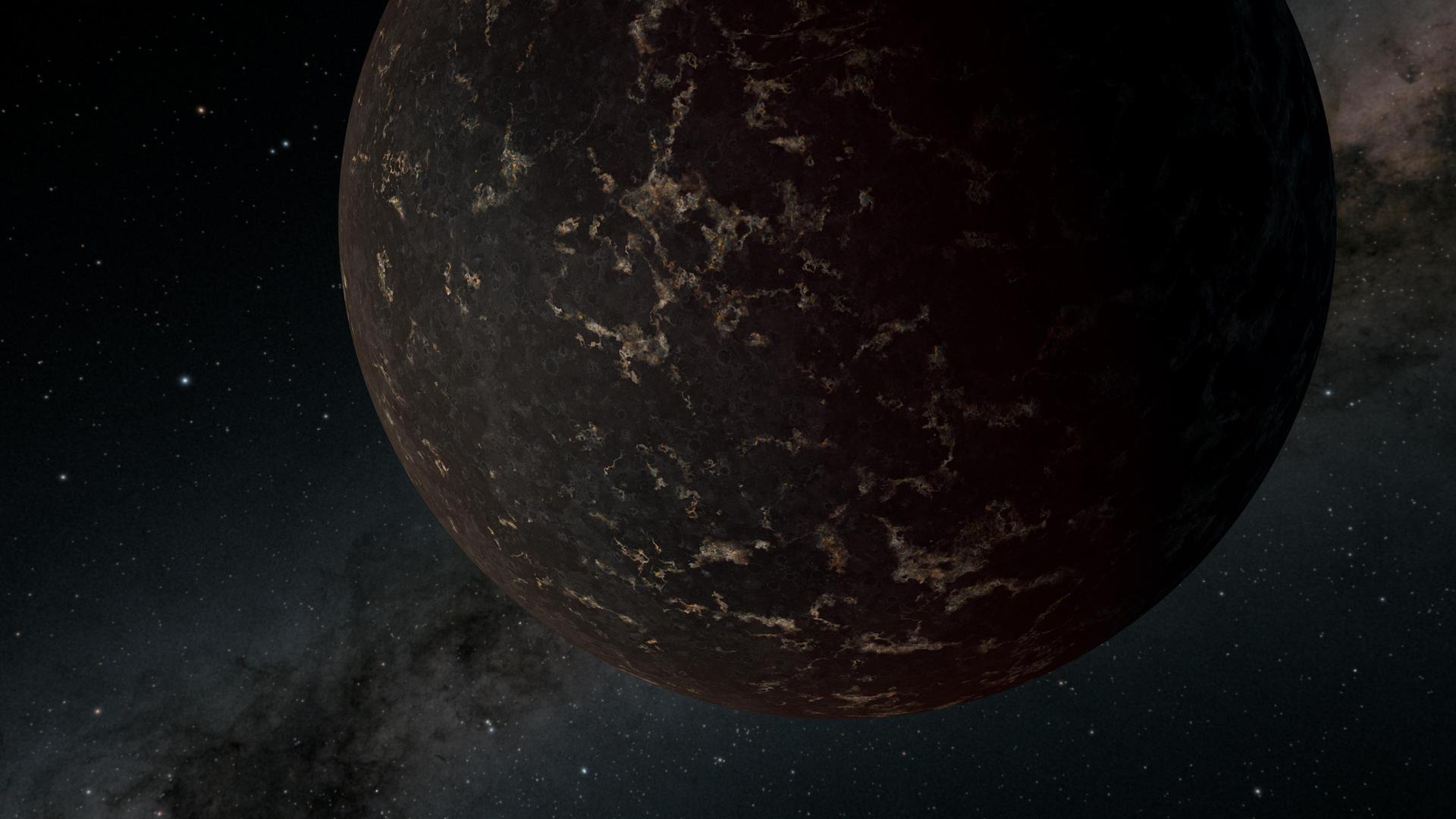
A Planet With Eternal Day and Endless Night. A Tabletop Experiment in a Tank of Glycerol Found a Way Life Could Survive.
LHS 3844b, a tidally locked exoplanet 48.5 light-years away, bakes one side at thousands of degrees while the other hovers near absolute zero. Researchers at the University of Pennsylvania built a physical model of the planet mantle in a lab tank and found that internal heat circulation creates stable moderate-temperature zones that could support life.
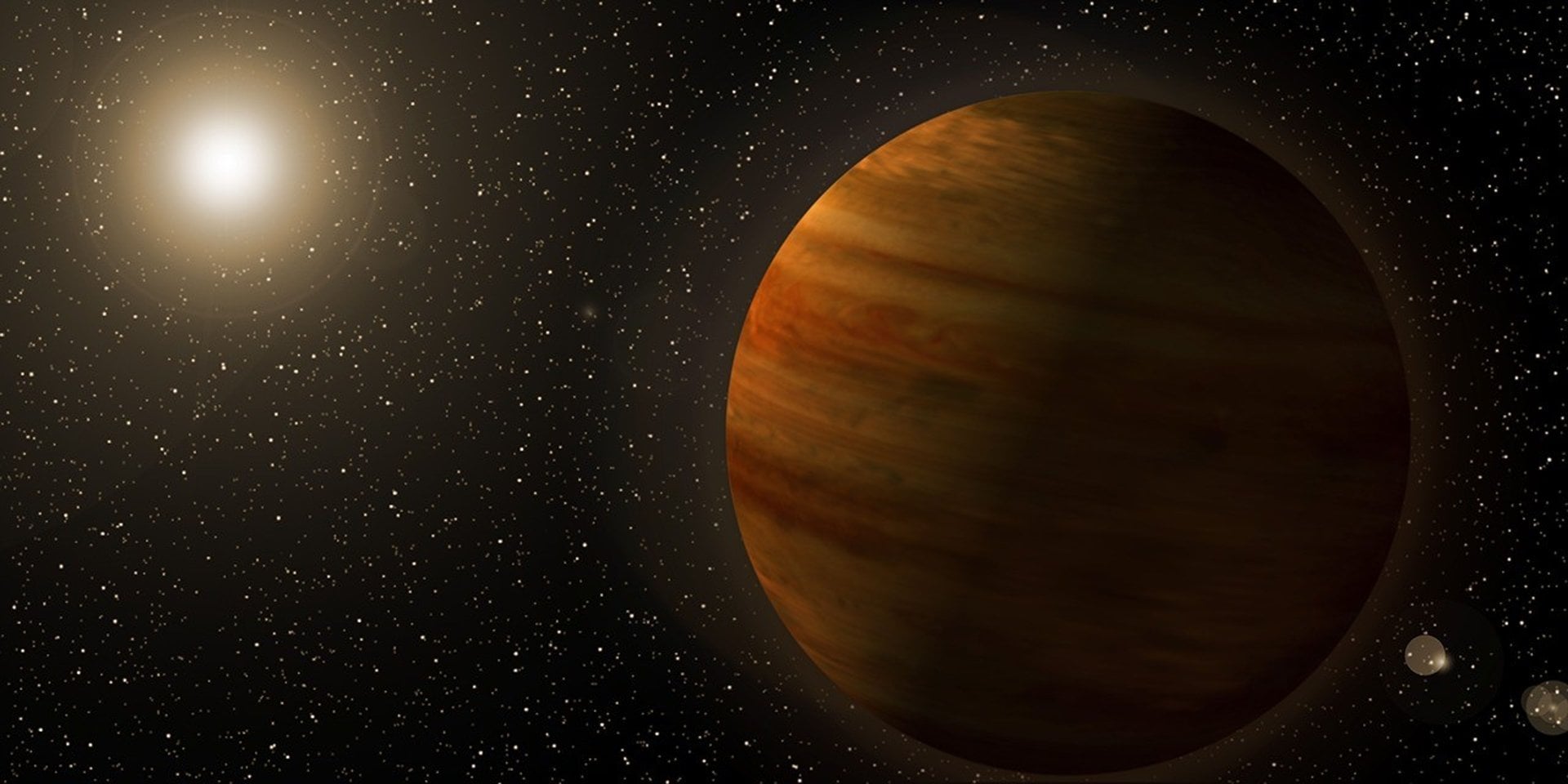
TESS Found Its First Planet by Watching It Warp Spacetime. A Super-Jupiter 40,000 Light-Years Away Bent Light to Reveal Itself.
NASA TESS satellite discovered its first planet using gravitational microlensing, a technique that detects planets by how they warp spacetime rather than by blocking starlight. Gaia23bra b, a super-Jupiter 40,000 light-years away, was found hiding in eight years of archived TESS data after being flagged by the Gaia space telescope in 2023.
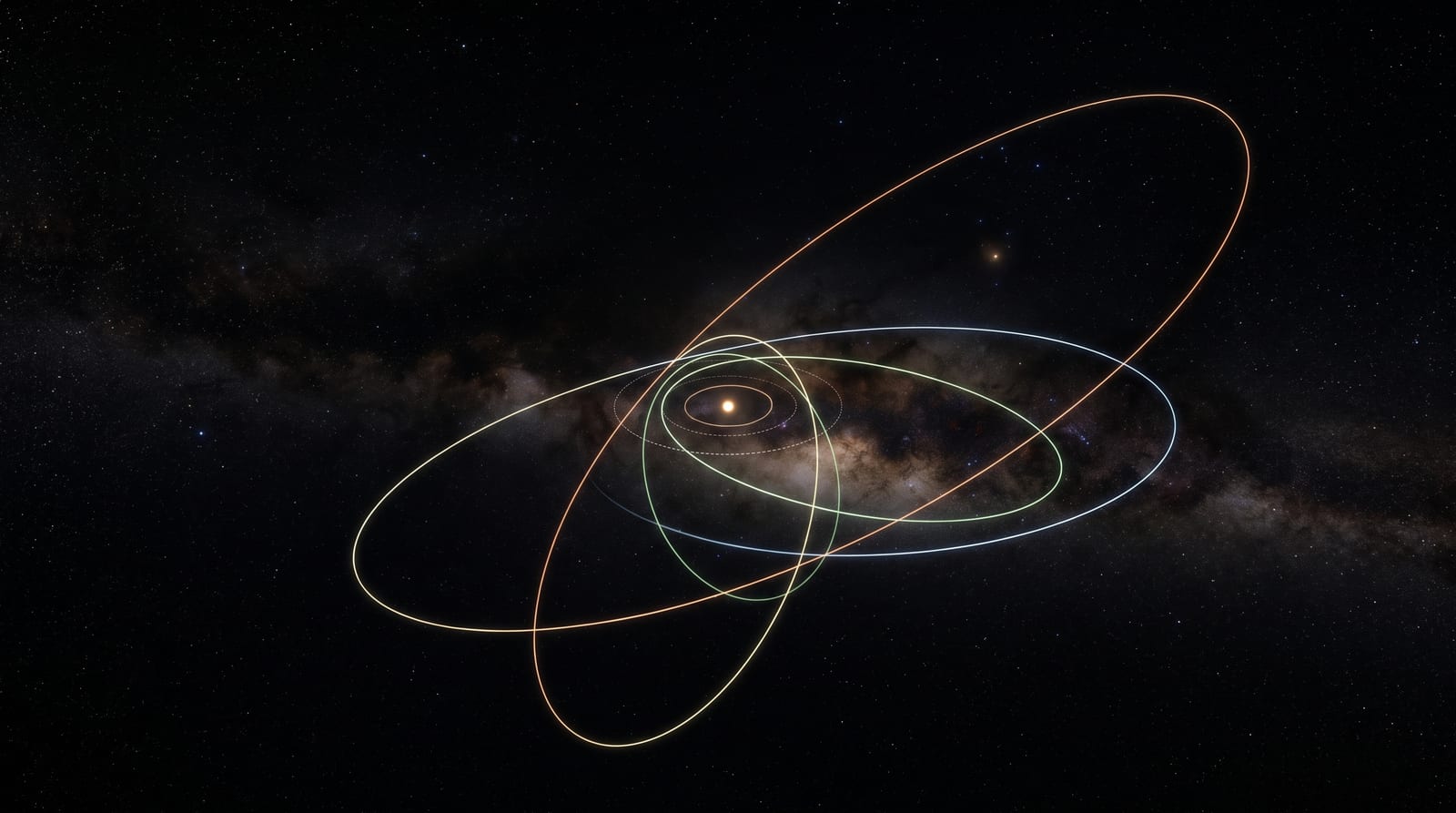
The Planet Nine Mystery Just Got a Twist. A New Frozen Object Called Ammonite Deepens the Debate.
Astronomers using the Subaru Telescope in Hawaii discovered 2023 KQ14, a frozen sednoid nicknamed Ammonite whose orbit is misaligned with the three other known extreme trans-Neptunian objects. The discovery weakens one of the key arguments for Planet Nine but also narrows where a hidden planet could be hiding, as the Vera C. Rubin Observatory begins its search.
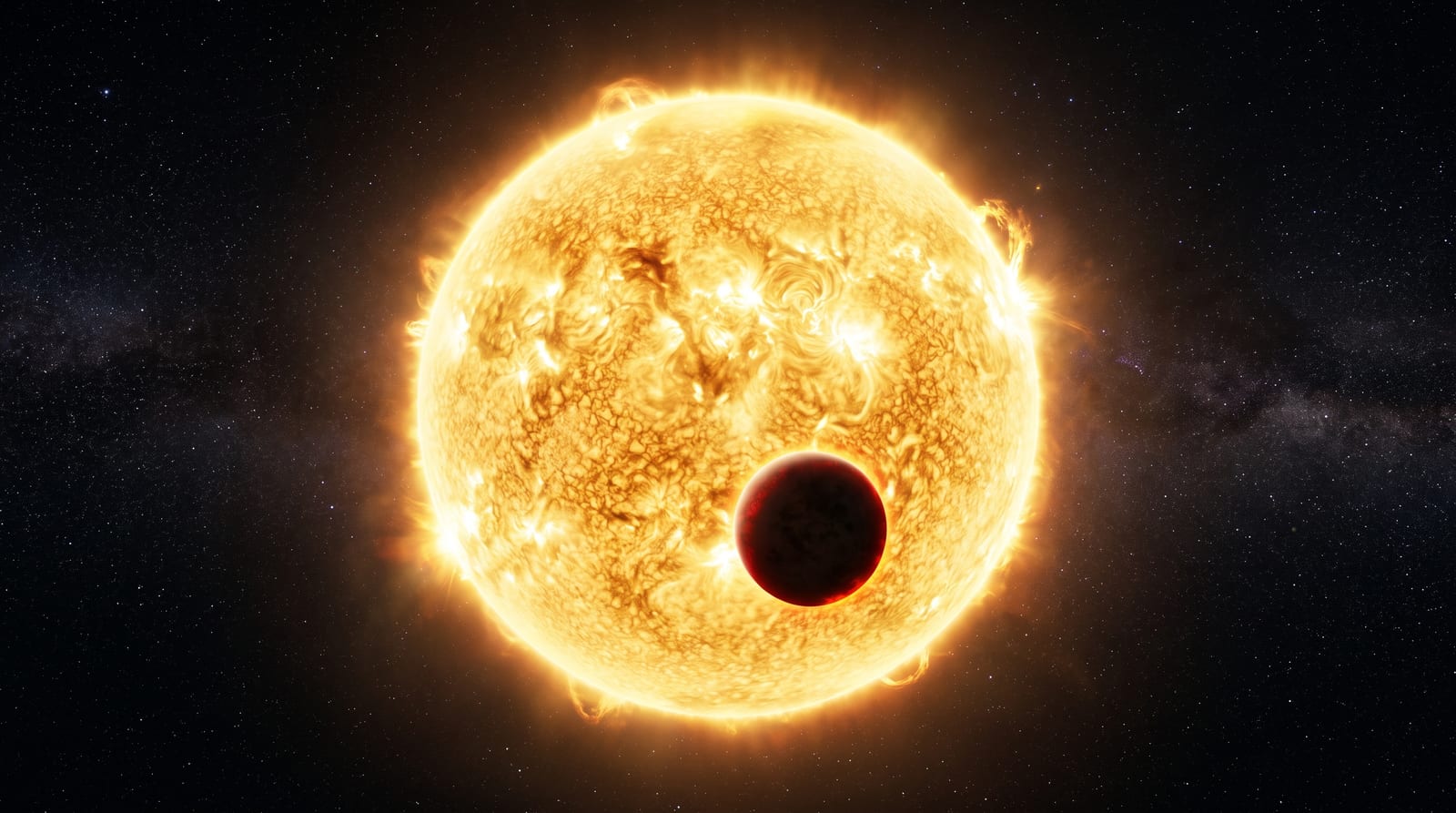
AI Found 118 Hidden Planets in NASA TESS Data. The Neptunian Desert Just Got Its First Head Count.
Using a new AI pipeline called RAVEN trained on realistic simulations, astronomers at the University of Warwick validated 118 new exoplanets from 2.2 million stars observed by NASA TESS mission. The haul includes ultra-short-period planets that orbit in under 24 hours and the first direct measurement of how rare Neptunian desert planets really are.
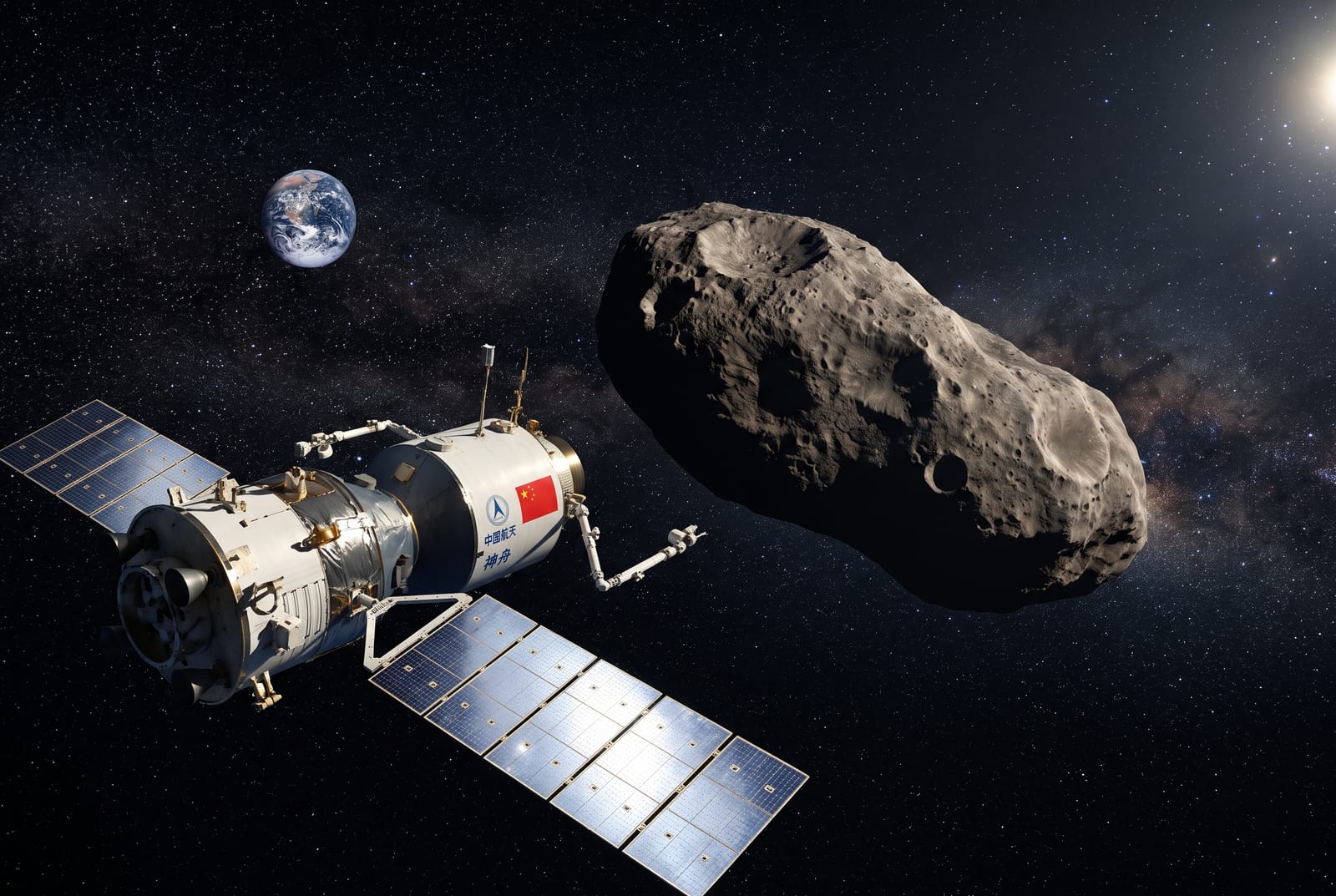
A Chinese Spacecraft Just Arrived at Earth's Tiny Quasi-Moon. The First Close-Up Images Reveal an Asteroid Much Smaller Than Expected.
China's Tianwen-2 spacecraft arrived at the near-Earth asteroid Kamo'oalewa on July 2, 2026, after a 400-day, 1-billion-kilometer journey. The first close-up images from 20 kilometers away reveal an elongated rocky body roughly 20 meters across, far smaller than ground telescopes suggested. New JWST observations challenge the idea that it is a fragment of the Moon.
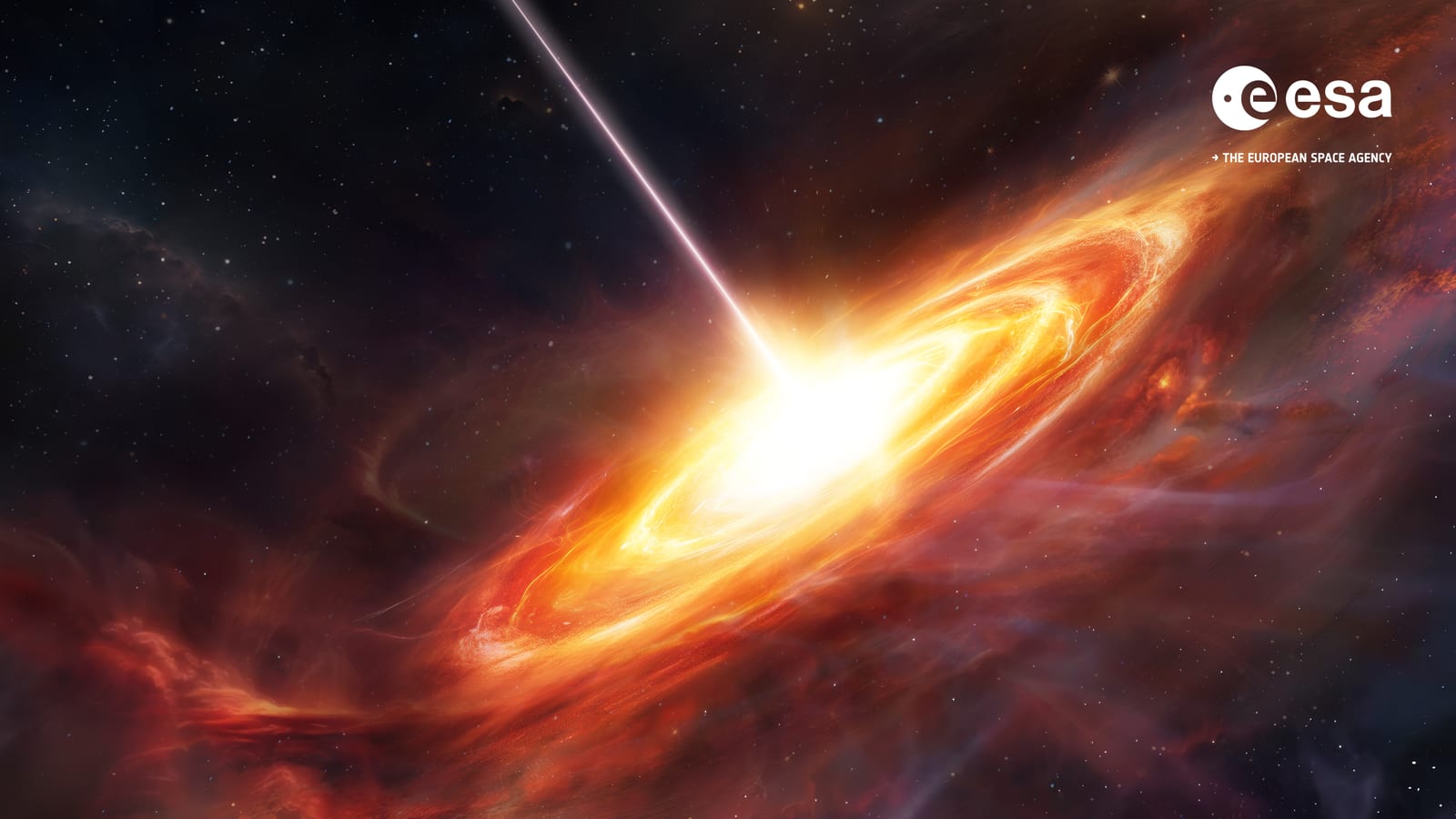
Euclid Found 31 Ancient Quasars From the Universe’s Infancy. Two Are the Most Distant Ever Seen.
The European Space Agency’s Euclid space telescope discovered 31 quasars from the universe’s first 800 million years, more than doubling the known population at those distances. Two of them are the most distant quasars ever observed, existing when the cosmos was just 670 million years old, barely 5 percent of its current age.
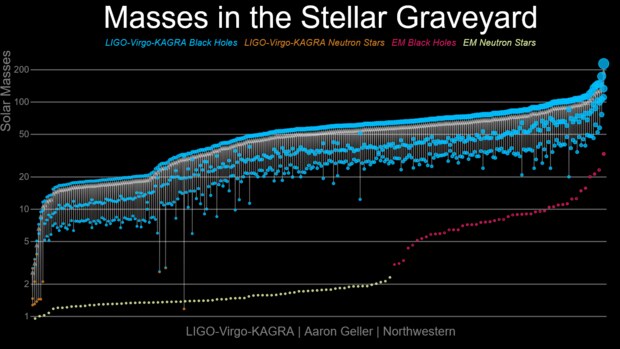
390 Black Hole Mergers and Counting. The Gravitational Wave Catalog Just Got 161 New Entries.
The LIGO-Virgo-KAGRA collaboration released the fifth Gravitational-Wave Transient Catalog (GWTC-5.0) on May 26, 2026, adding 161 new black hole mergers detected in a nine-month stretch. The total confirmed gravitational wave events now stands at 390, up from exactly 1 when the first detection was announced in 2016. The catalog includes the best-localized source ever, the clearest signal ever recorded, and hints of second-generation black holes.
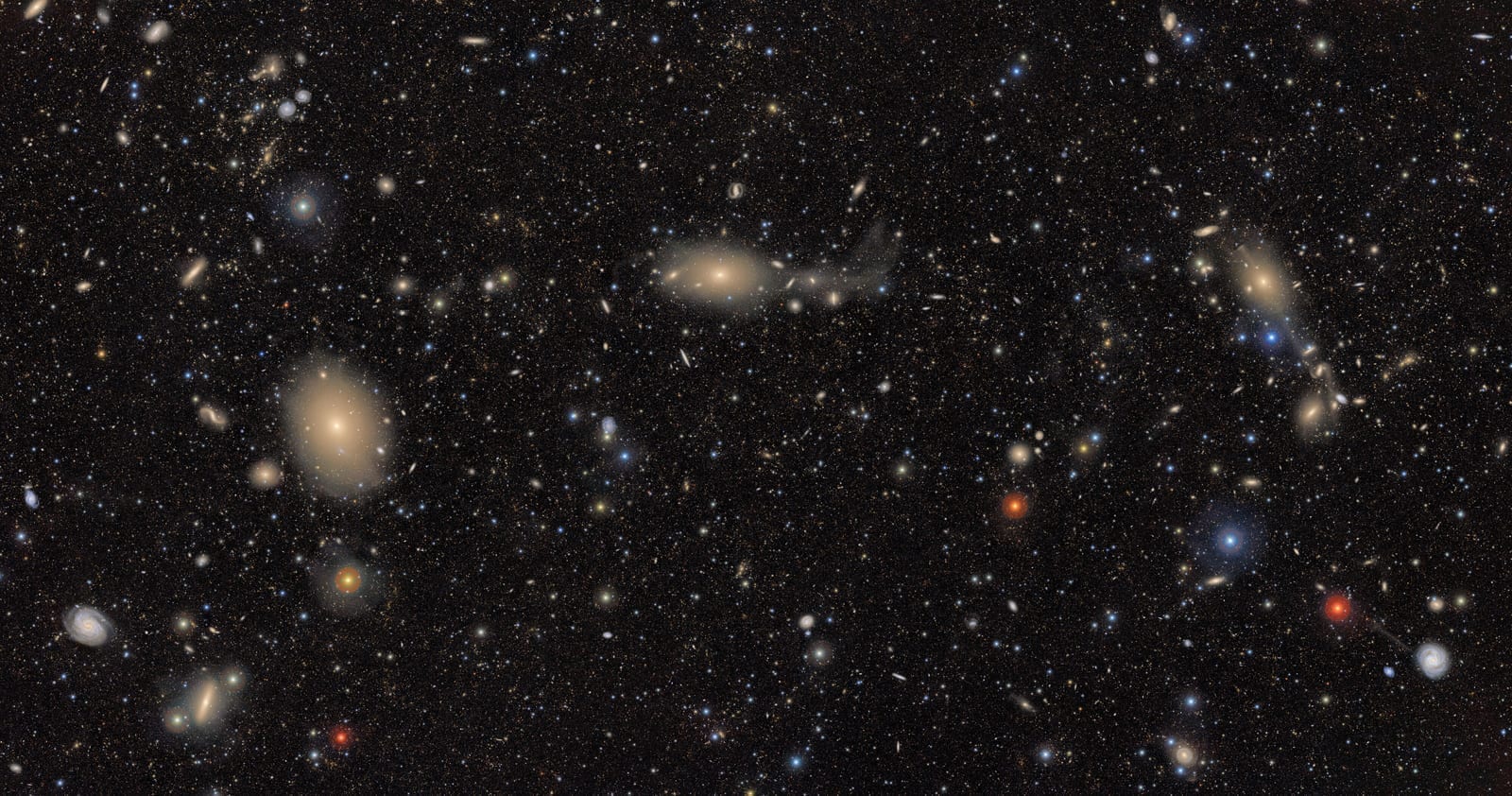
The Greatest Cosmic Movie Ever Made. Rubin Observatory Just Started Filming the Southern Sky for 10 Years.
The Vera C. Rubin Observatory in Chile officially began the Legacy Survey of Space and Time on June 30, 2026. Its 3,200-megapixel camera, the largest ever built, will capture the entire southern sky every few nights for a decade, producing 20 terabytes of data per night and cataloguing 20 billion galaxies. In its first month of early optimization surveys, it already discovered 11,000 never-before-seen asteroids.
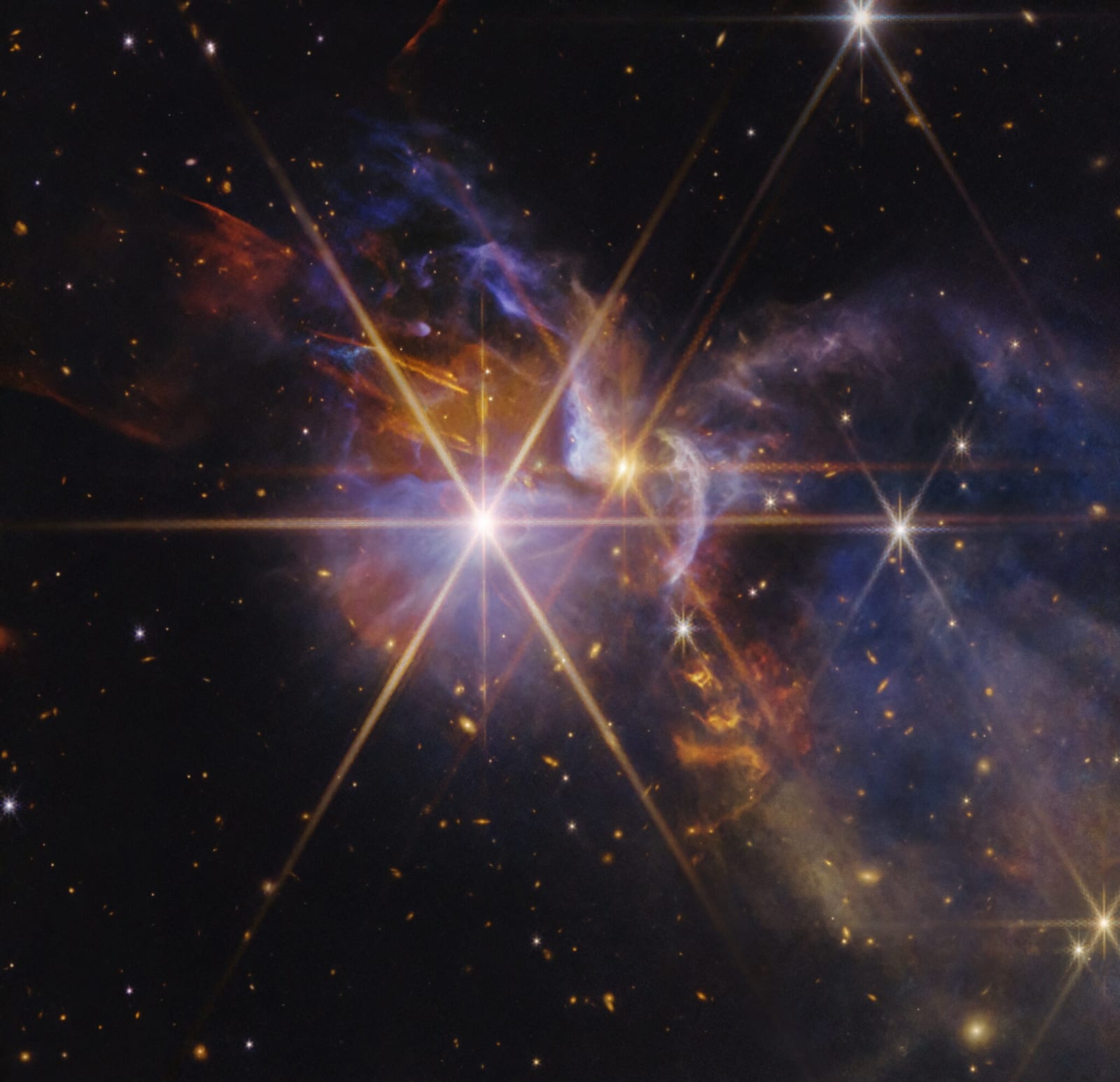
A Near-Invisible Black Hole 6 Billion Times the Sun Mass Was Hiding 10 Billion Light-Years Away. JWST Found It by Watching Stars Orbit Nothing.
Using the James Webb Space Telescope and a natural gravitational lens that magnified the view 30 times, astronomers measured the mass of a dormant supermassive black hole in galaxy MRG-M0138 for the first time at cosmological distances. The black hole clocks in at roughly 6 billion solar masses and is observed as it was when the universe was only 3 billion years old. The previous distance record for this technique was 700 million light-years. This one is 10 billion.
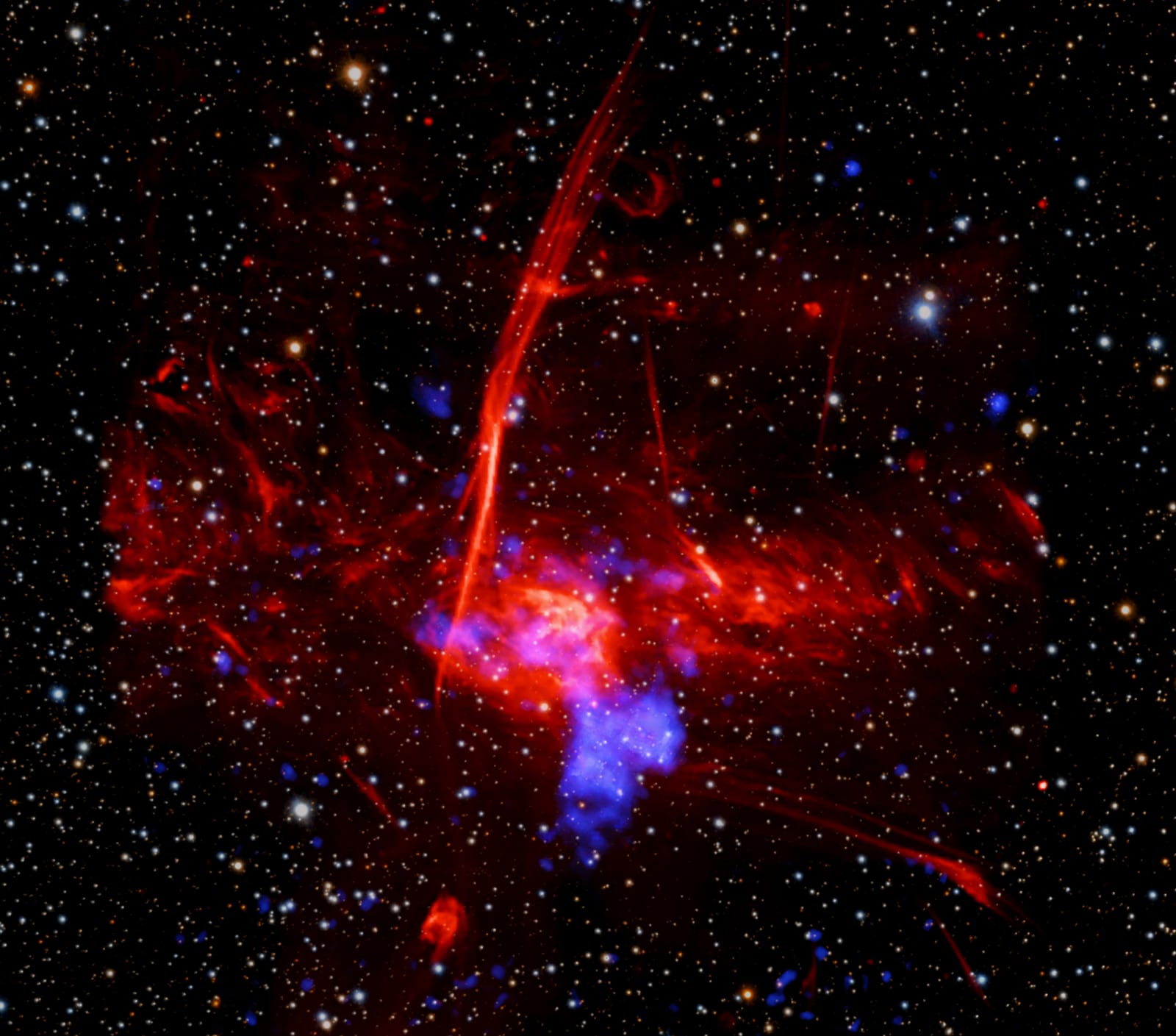
A Supernova Exploded Near the Milky Way Central Black Hole. Astronomers Just Found Its Remains.
A team using NASA Chandra X-ray Observatory and ESA XMM-Newton data has found a possible supernova remnant in Sagittarius C, a star-forming region just a few dozen light-years from the supermassive black hole at the center of the Milky Way. The blast wave is racing through dense molecular clouds at two million miles per hour.
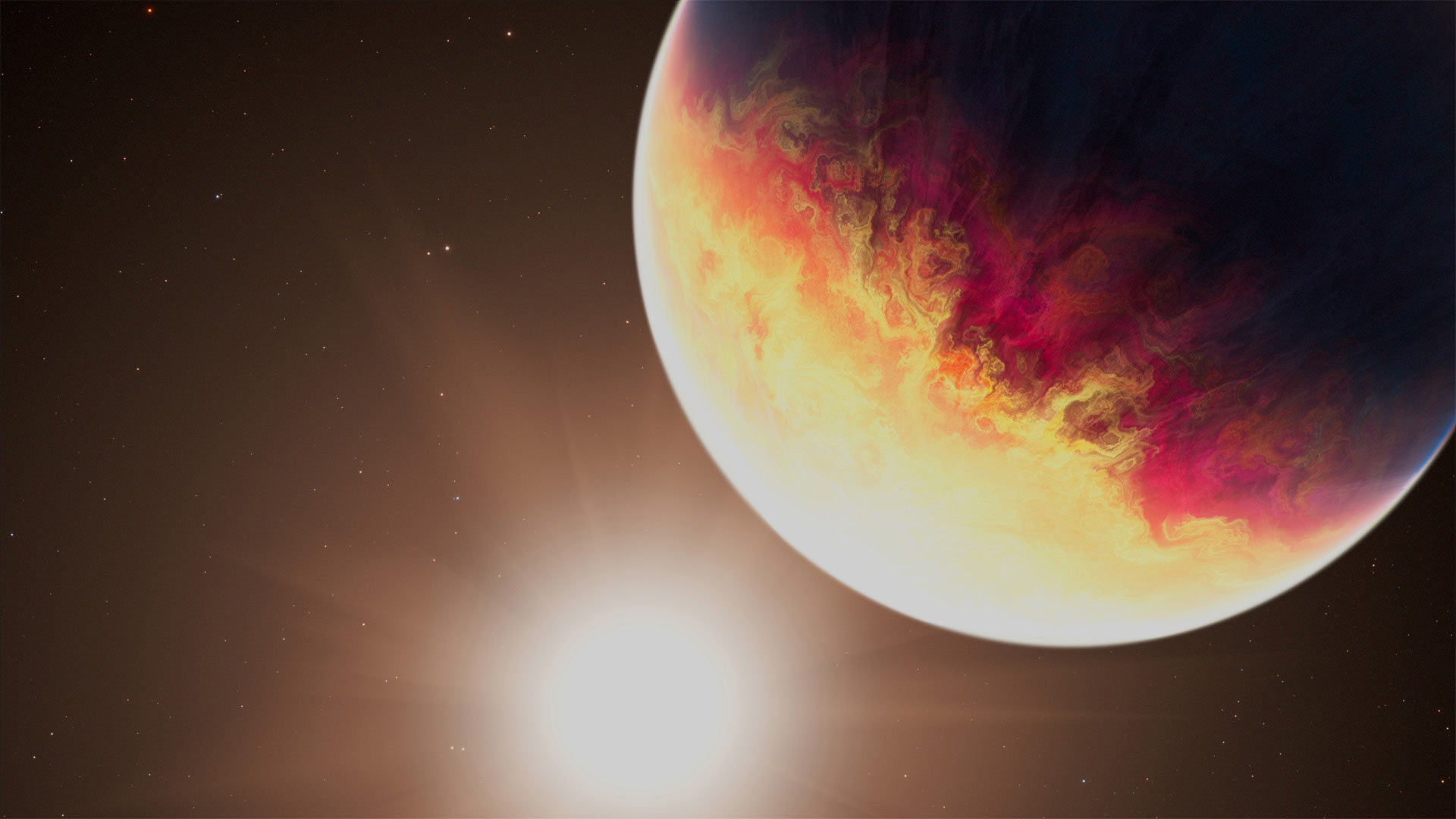
JWST Caught a Hot Jupiter Getting Flash-Heated. The Temperature Spike Was Worse Than Expected.
HD 80606b has one of the most extreme orbits of any known exoplanet, a 111-day elliptical loop that swings from 0.88 AU to 0.03 AU from its star. JWST's MIRI instrument watched the planet whip past its star and measured a temperature spike of 1,100 degrees Fahrenheit, more extreme than Spitzer had predicted.
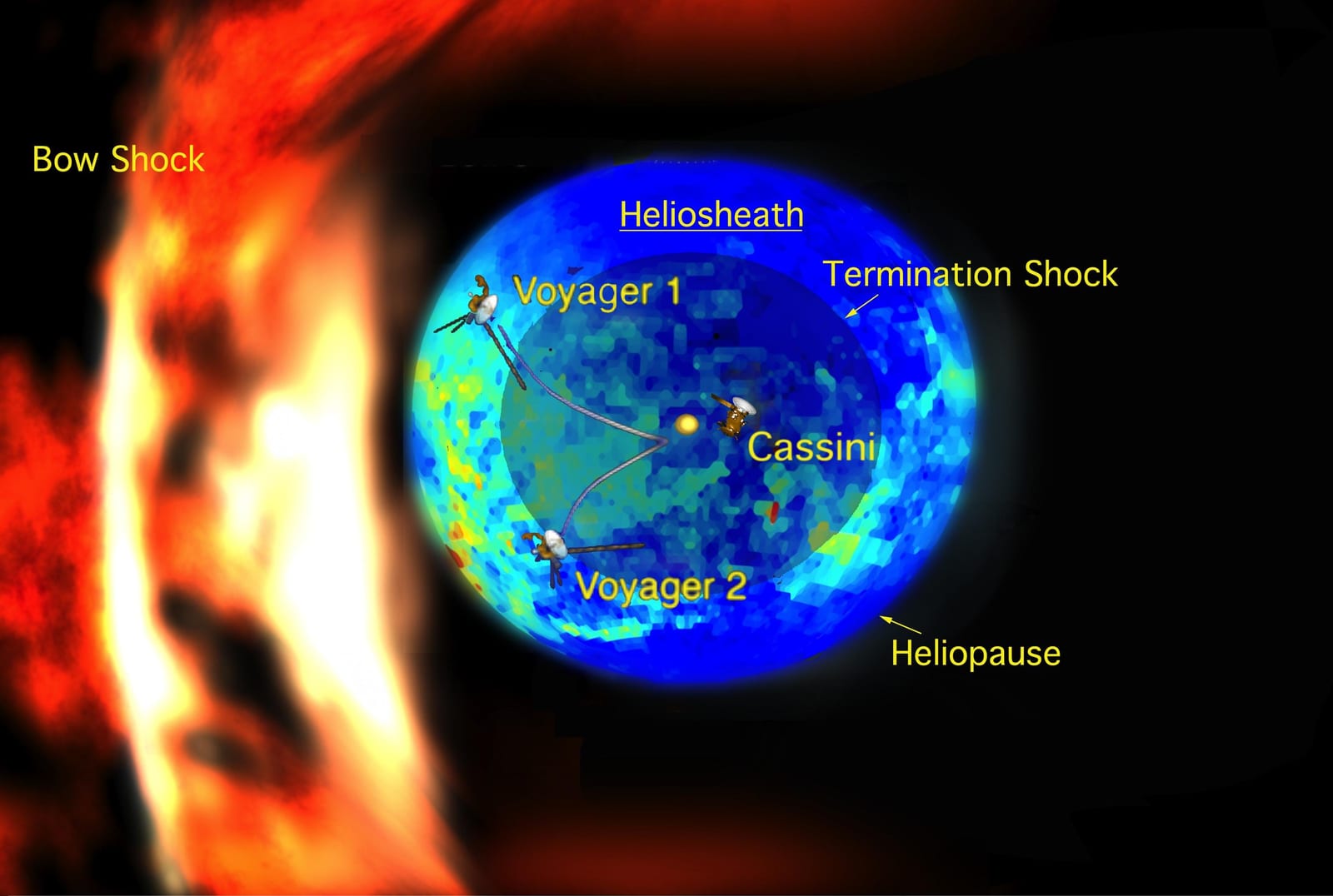
New Horizons Heads for the Solar System's Edge. Forecasts Predict When It Will Cross the Boundary.
New Horizons is now 66 AU from the Sun and heading for the termination shock, the boundary where the solar wind first meets interstellar space. Scientists at the Southwest Research Institute have developed a forecast for the crossing: as early as 2029, as late as 2040.
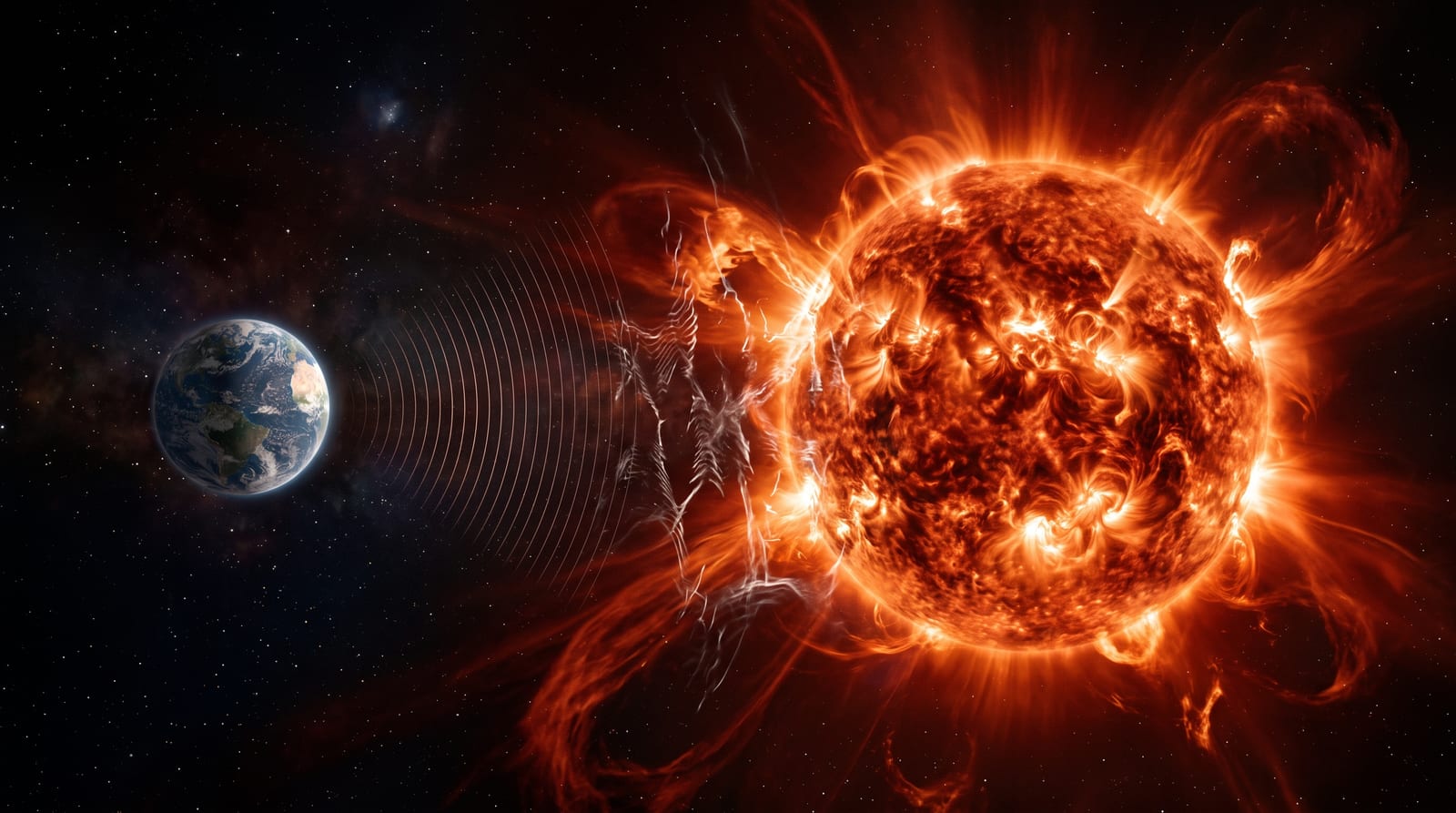
Alien Messages May Have Reached Earth Without Us Realizing It
A new SETI Institute study reveals that the same stars hosting potentially habitable planets may be scrambling alien radio signals before they can reach our detectors. Turbulent stellar plasma could be smearing sharp signals into noise, and the fix changes how we search.
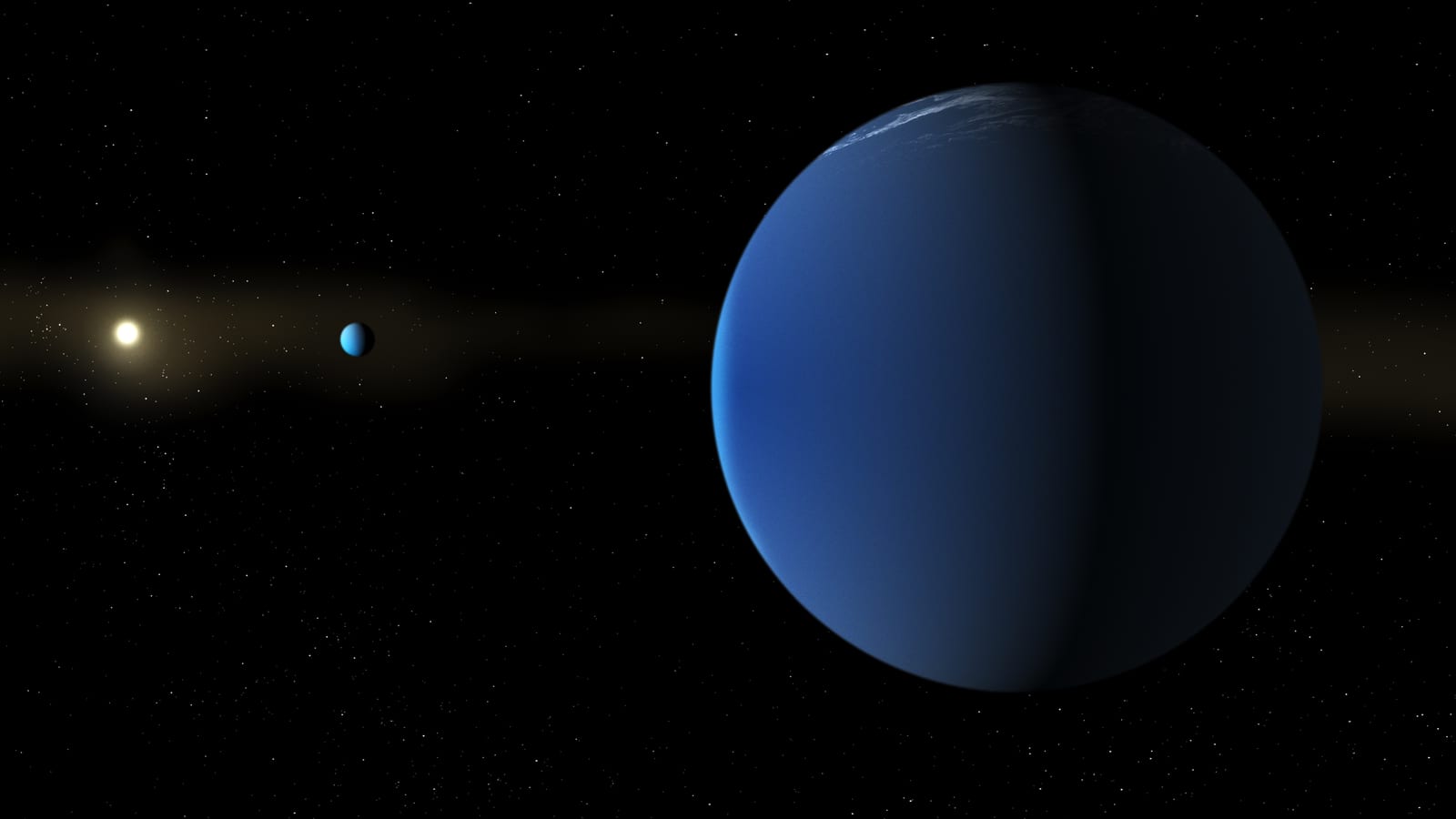
Jupiter-Sized Planets Lighter Than Cotton Candy. The Puffiest Worlds Ever Found.
Two gas giants orbiting a star 1,110 light-years away are roughly the size of Jupiter but have densities lower than cotton candy. A global telescope network spent seven years confirming these are the puffiest planets ever detected.
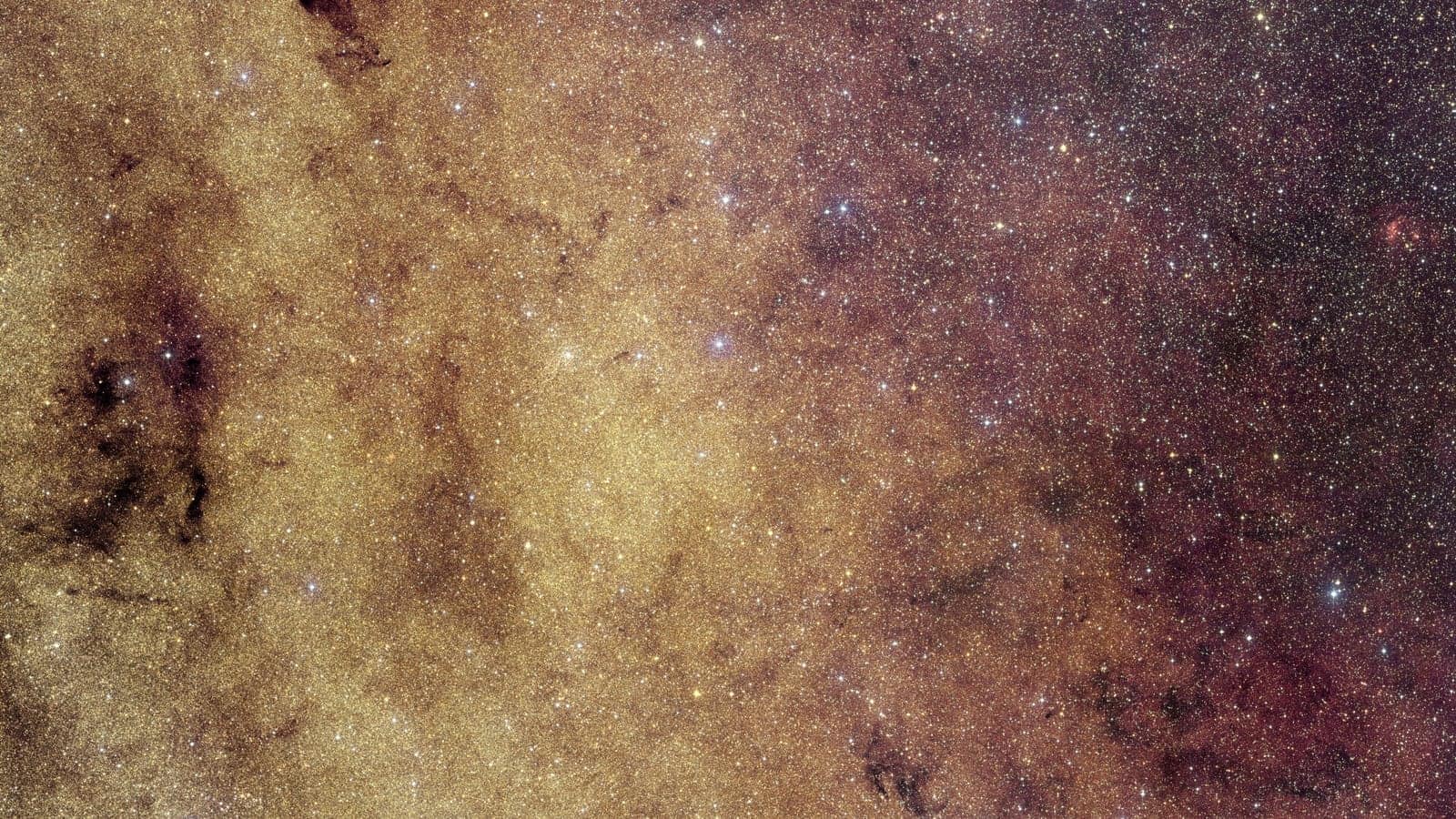
Euclid Spent 26 Hours Looking at the Milky Way's Core. It Came Back With 60 Million Stars.
The European Space Agency's dark universe telescope paused its survey of distant galaxies to stare at the brightest part of our own. The resulting visible-light mosaic contains more than 60 million stars and 51 known planetary systems, and it may change how astronomers find exoplanets.
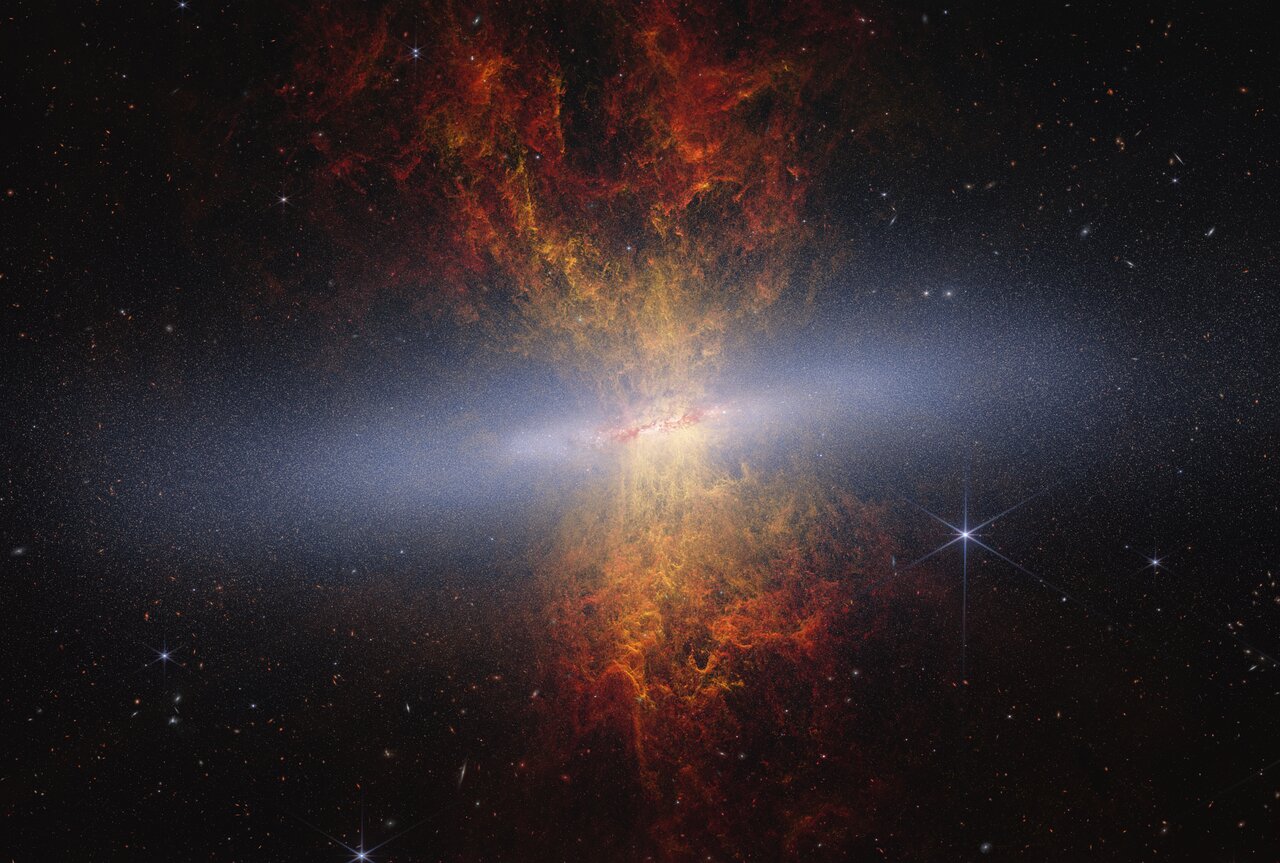
Webb Peered Into the Cigar Galaxy and Found 16.5 Million Stars Hidden Behind the Dust
Scientists aimed NASA's James Webb Space Telescope at starburst galaxy M82 for 65 hours. The near-infrared view pierced through thick dust and resolved 16.5 million individual stars, revealing the Cigar Galaxy's hidden formation history.
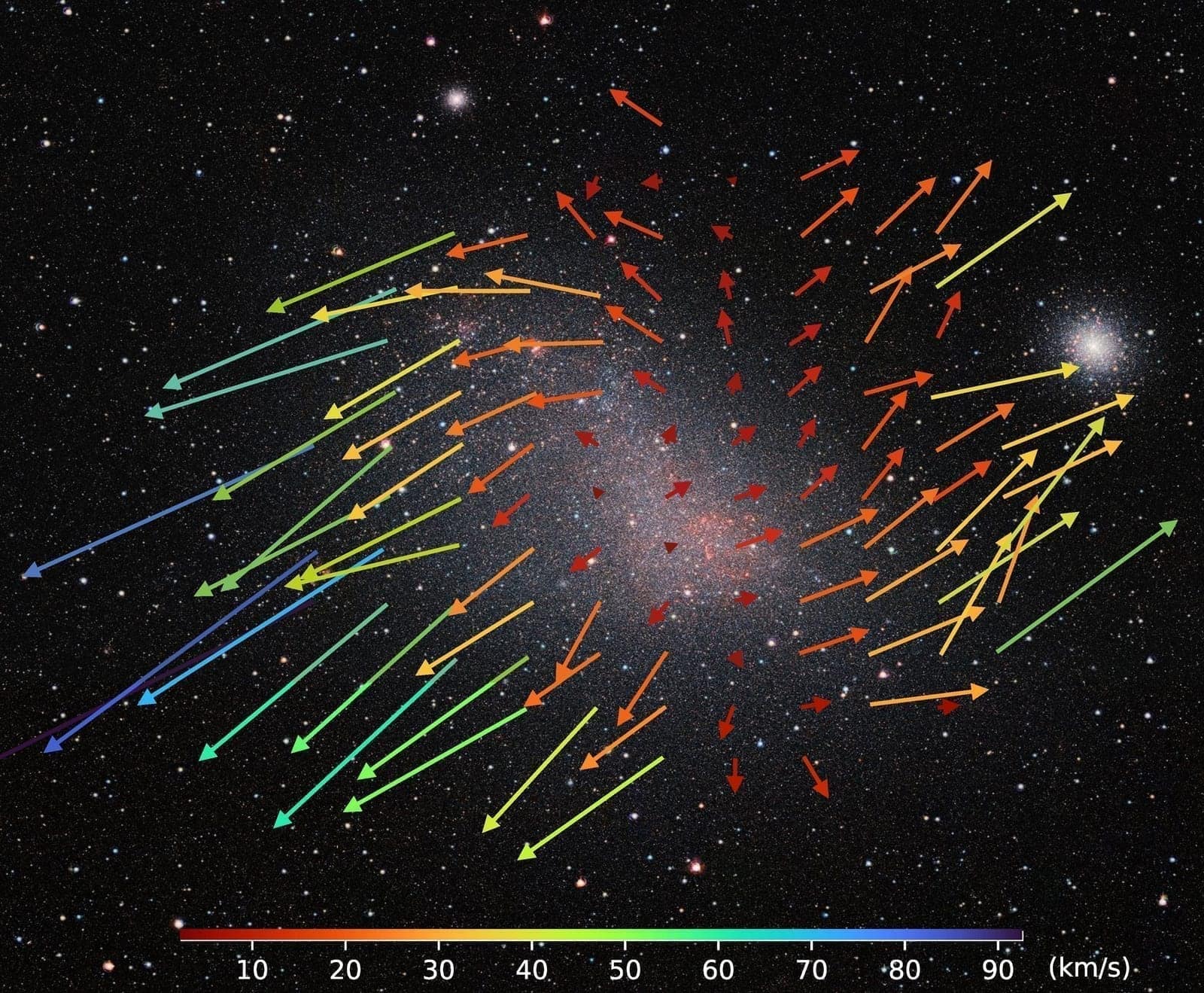
A Neighbouring Galaxy Is Being Pulled Apart, and Astronomers Just Mapped Every Star's Escape
Astronomers assumed the Small Magellanic Cloud was a rotating dwarf galaxy like a scaled-down Milky Way. After tracking millions of stars across 11 years with ESO's VISTA telescope, they found the opposite: the galaxy is expanding, stretched apart by the gravitational pull of its larger neighbour, the Large Magellanic Cloud.
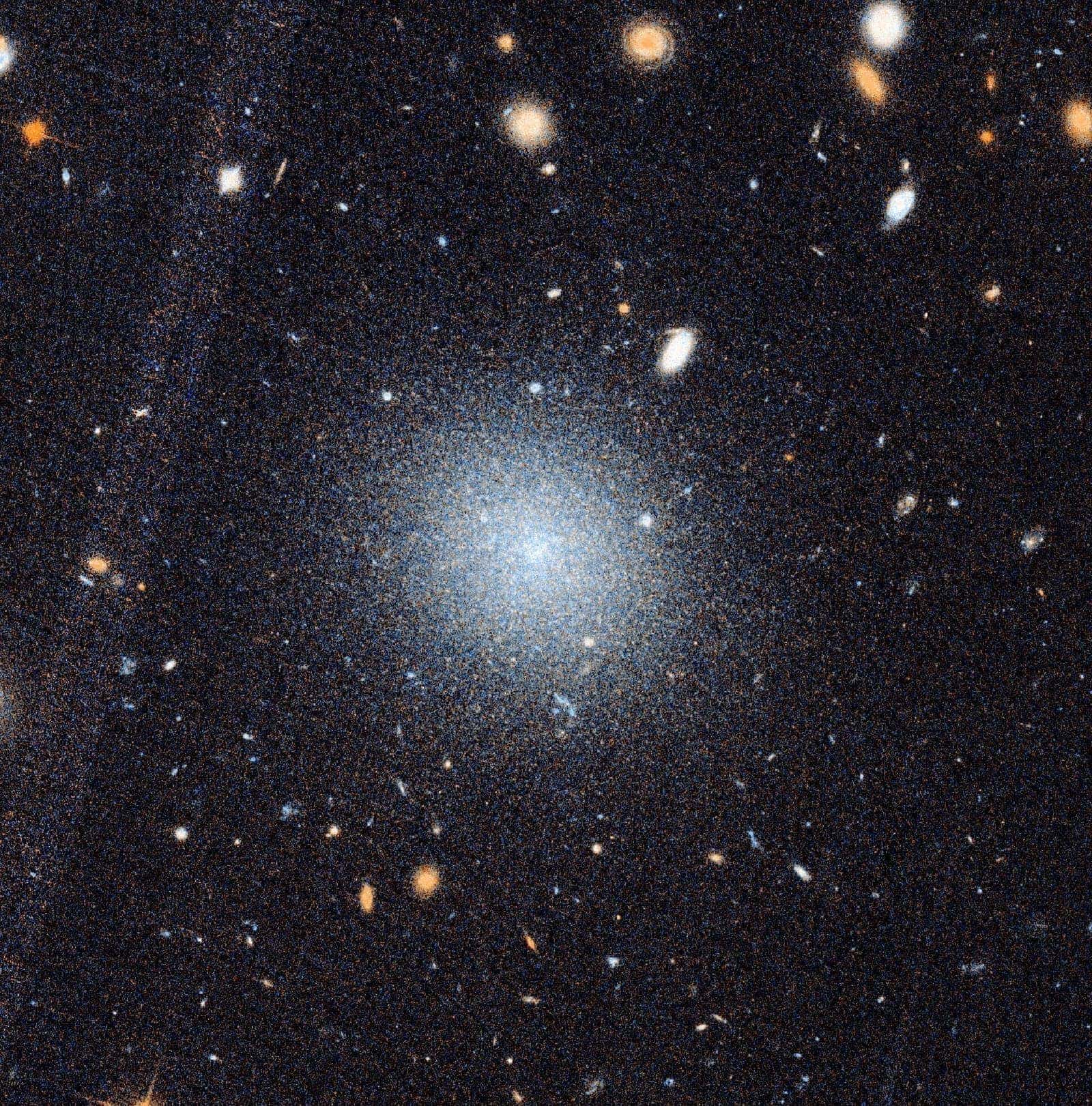
A Third Galaxy Without Dark Matter Just Showed Up. It's Right Where Scientists Predicted.
Astronomers predicted another dark matter-free galaxy would be found along a mysterious chain stretching through space. Then KCWI at Keck Observatory confirmed one. The third such galaxy ever discovered, NGC 1052-DF9, completes a pattern that scientists say points to a violent collision that tore ordinary matter from its invisible halo.
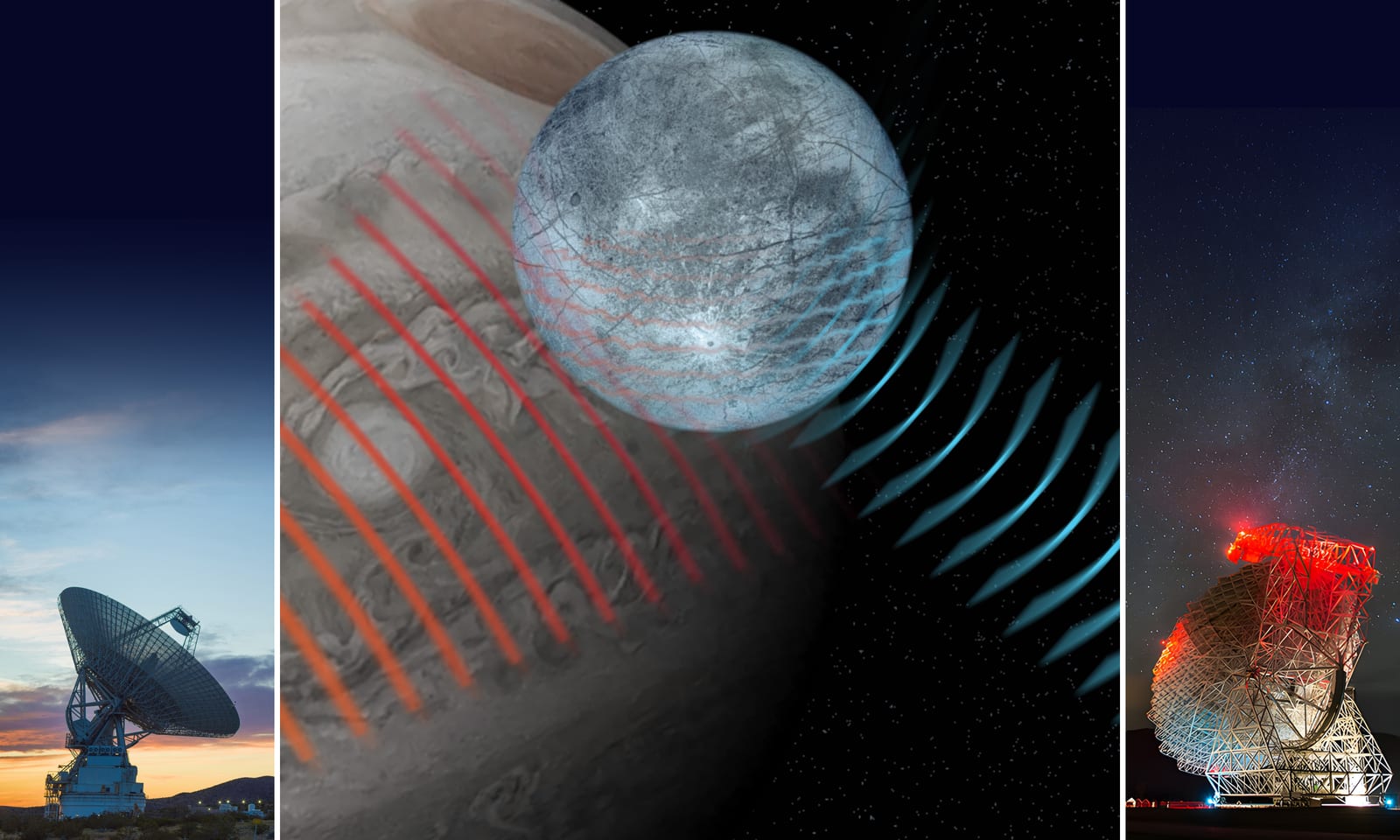
For 13 Years, Scientists Pelted Europa With Radar From Earth. What Bounced Back Changed How We'll Explore It.
A 13-year campaign using NASA's Goldstone radar and the Green Bank Telescope produced the most extensive ground-based radar study of Europa ever. The echoes confirmed its ice is clean, porous, and scatters radio energy in a way not seen on any rocky world, setting new constraints for two spacecraft already on their way.
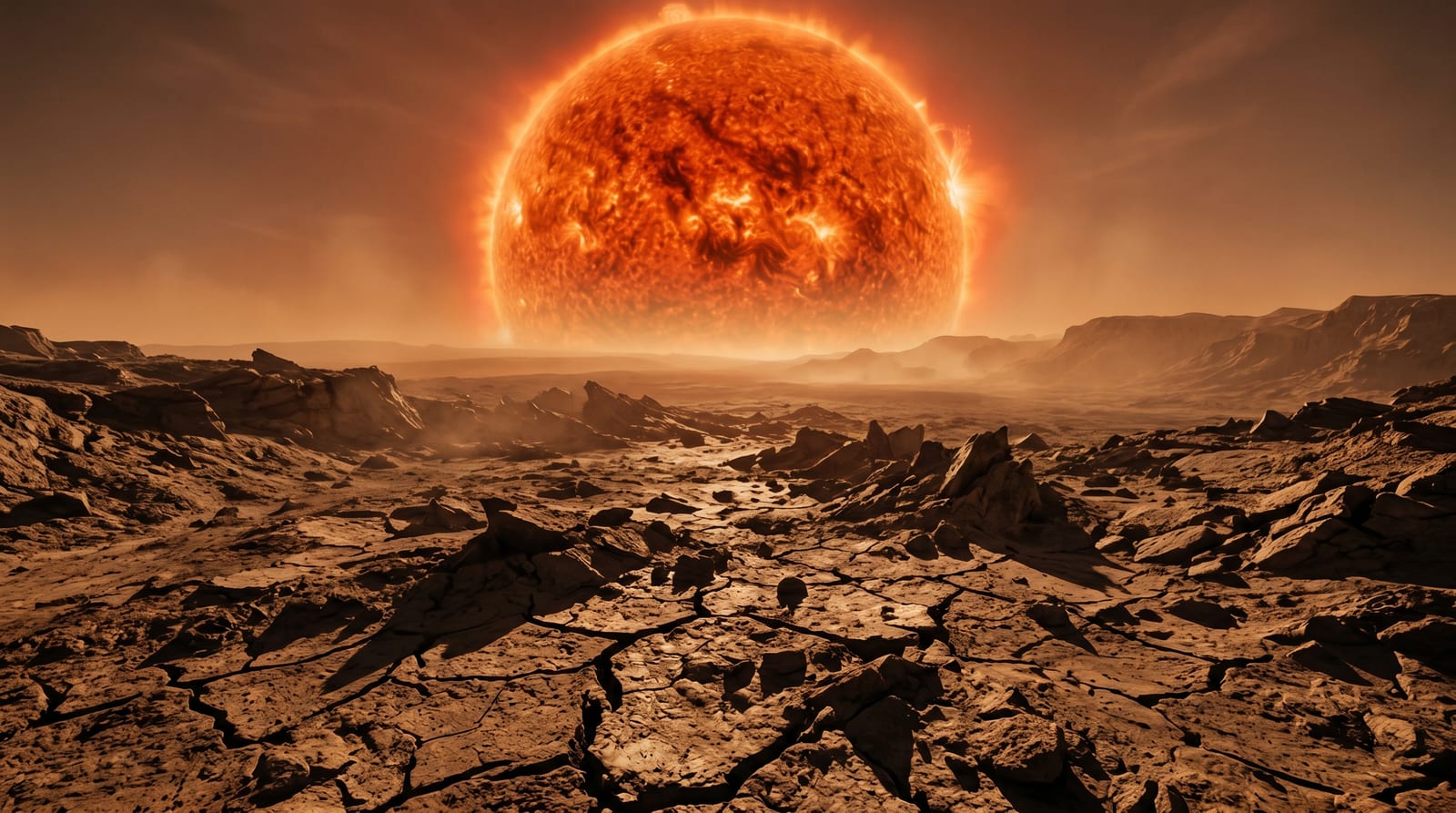
The Sun Might Not Swallow Earth After All. A New Model Just Made the Case.
For decades, astronomers assumed Earth would be swallowed by the Sun when it becomes a red giant in 5 billion years. A new model using improved tidal physics and observations of a nearby star suggests our planet might escape.