Stories
Archive page 5 of 6.
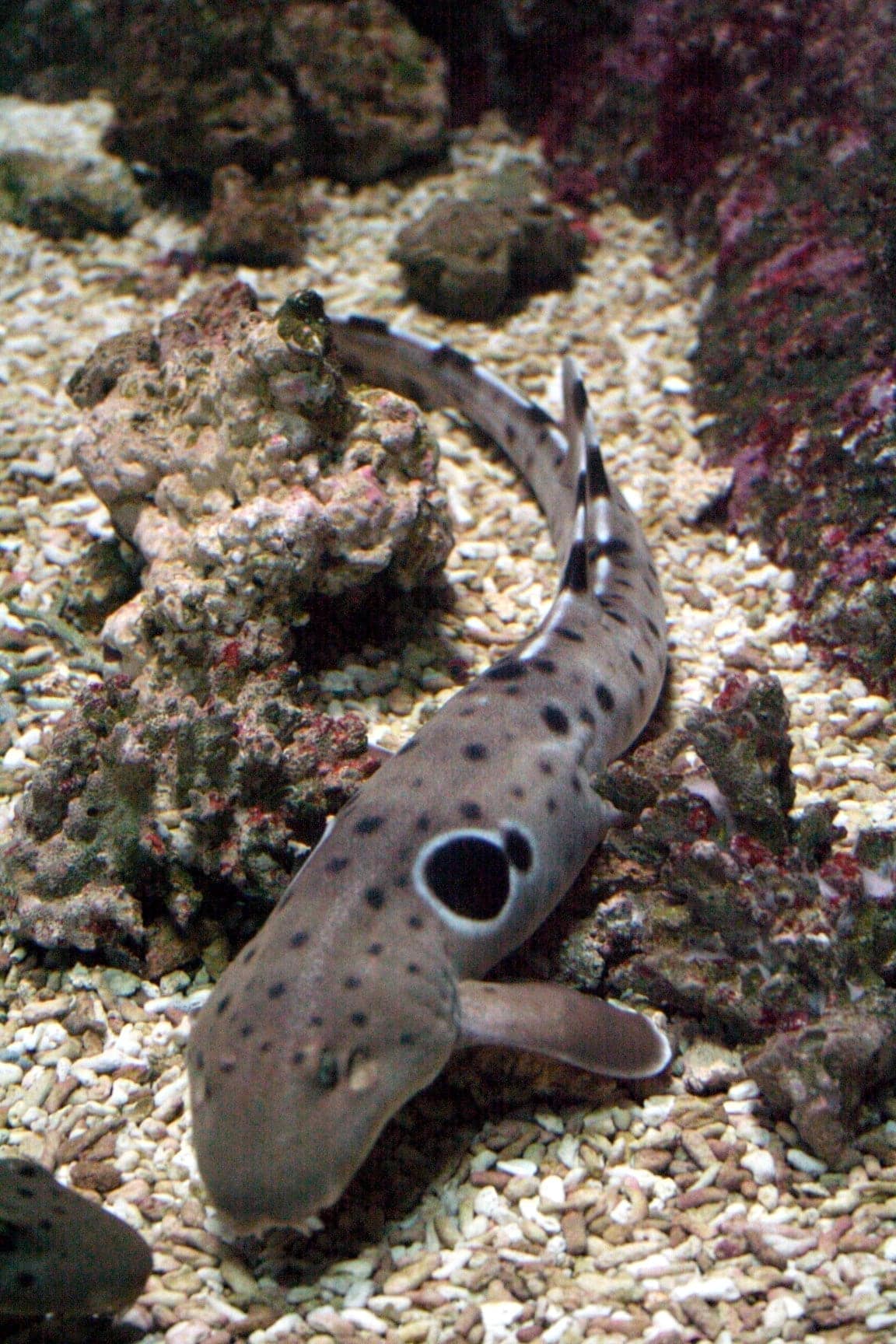
This Shark Walks on Four Fins. Scientists Just Found a New One.
Marine biologists surveying the waters of eastern Papua New Guinea have identified a tenth species of walking shark. Hemiscyllium dudgeonae uses its fins to crawl across the seafloor, and like its cousins, its tiny home range makes it vulnerable to extinction before most people even learn its name.
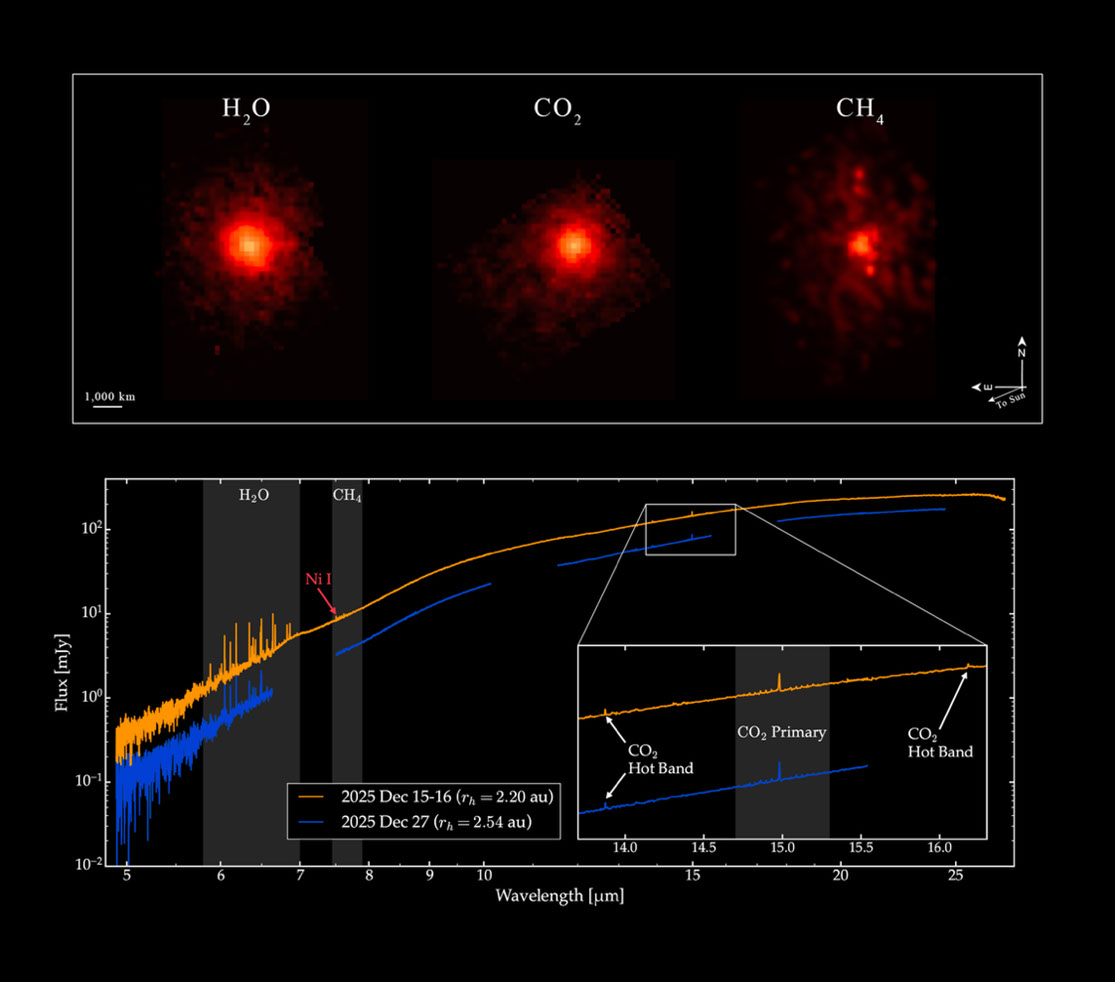
JWST Just Caught an Interstellar Comet Carrying Chemicals That Don't Match Our Solar System
More than a dozen NASA missions tracked 3I/ATLAS as it passed through. Webb's MIRI instrument caught the chemical fingerprint on the way out, and found methane buried under the surface ice, the first ever detected on an object from another star system.
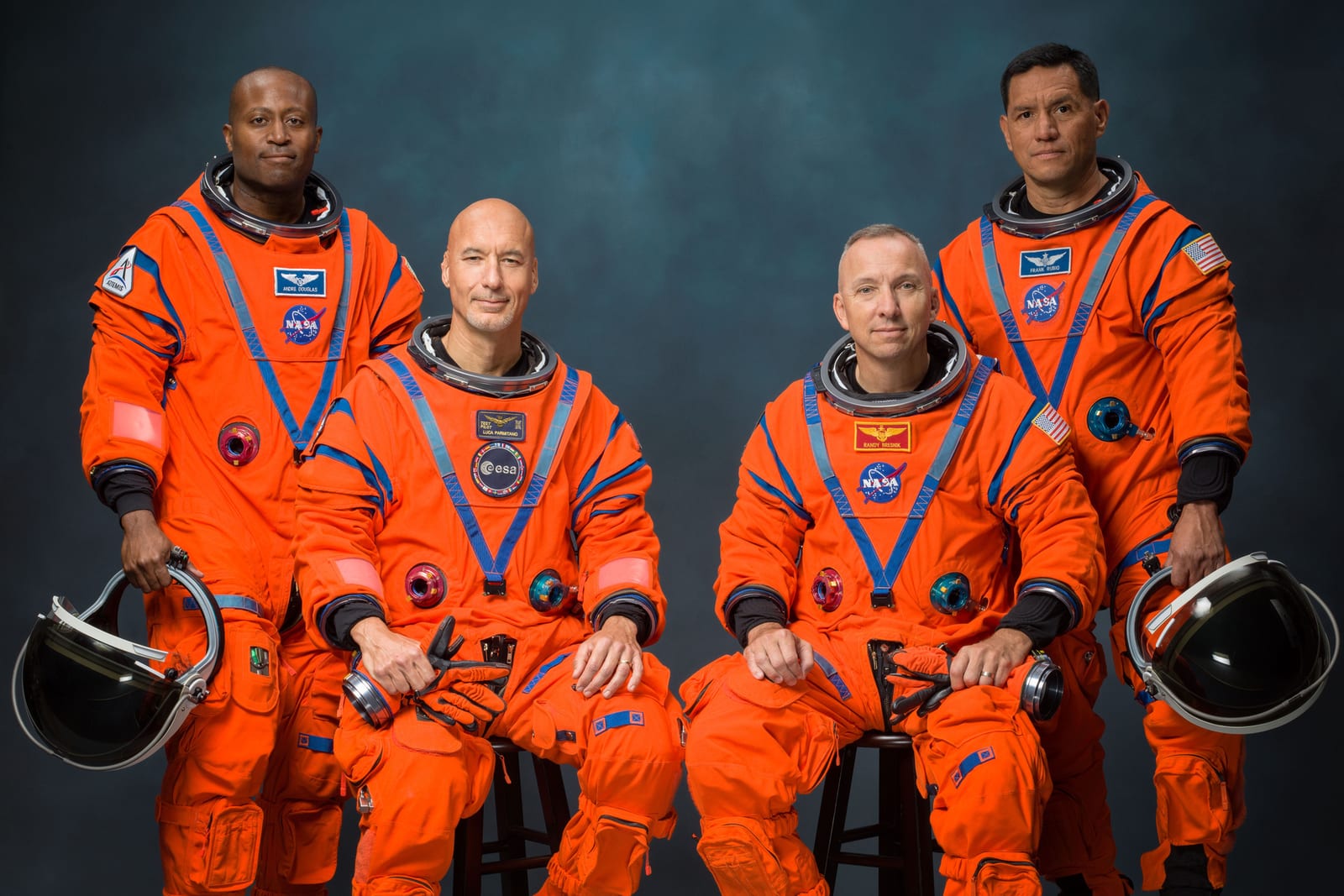
NASA Just Named the Crew That Will Clear the Path Back to the Moon
On June 9, 2026, NASA announced four astronauts who will fly the most complex human spaceflight mission in recent history. Their job is not to land on the Moon. It is to dock with two commercial lunar landers in Earth orbit and prove the choreography works before the next crew goes for the surface.
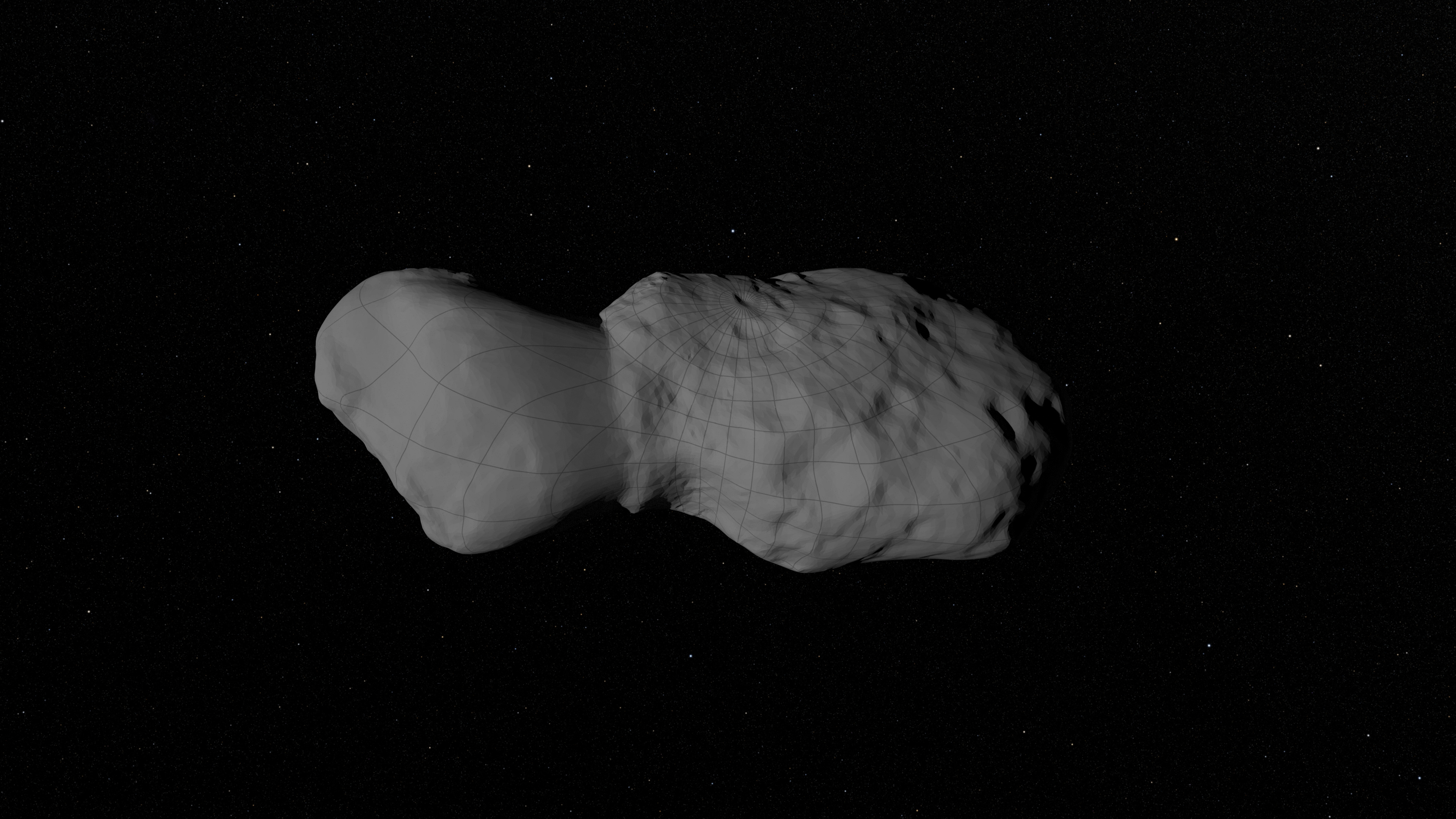
This Asteroid Tumbles Like a Badly Thrown Football. Scientists Just Figured Out Why.
NASA's Lucy spacecraft buzzed an asteroid called Donaldjohanson at 30,000 mph hoping to test its cameras. The data it brought back revealed a peanut-shaped rock wobbling on two axes at once, with clay minerals that still carry the chemical signature of ancient water.
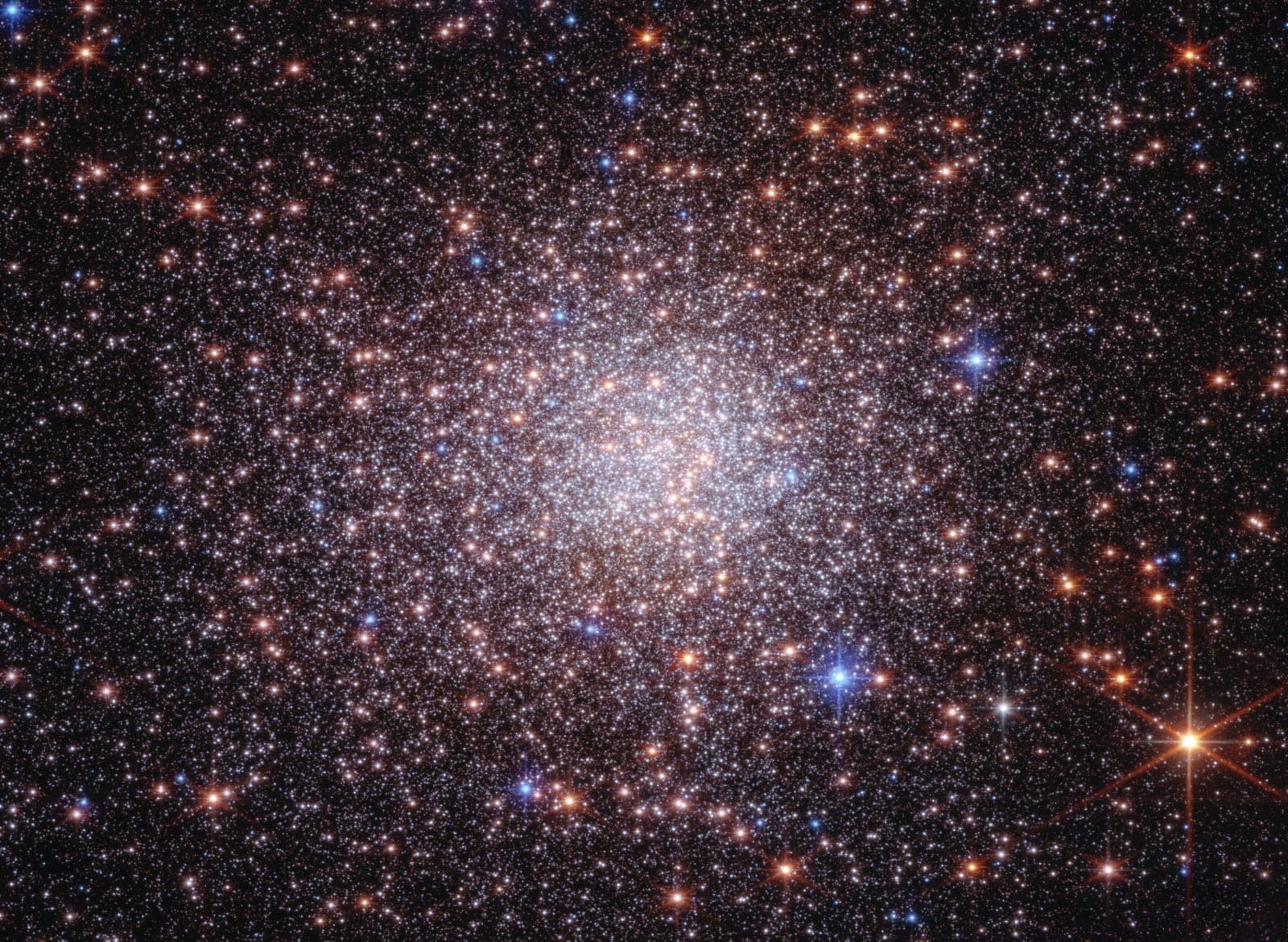
Astronomers Just Found a Fragment of the Galaxy's Birth Hiding in Plain Sight
A star cluster catalogued in 1968 was filed as a globular cluster and mostly ignored. Now Webb and Hubble have shown it contains four generations of stars born across 10 billion years, making it a surviving building block from the Milky Way's formation.
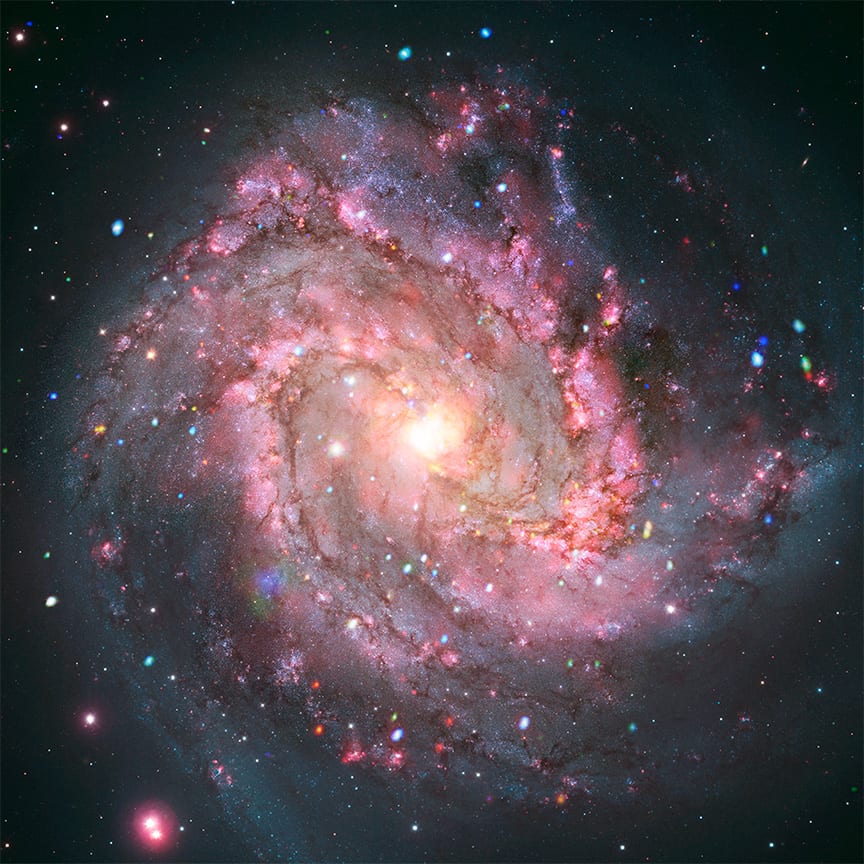
A Galaxy 15 Million Light-Years Away Is Putting On a Fireworks Show Nobody Expected
Supernova remnants are supposed to fade slowly after the explosion. But when astronomers watched the galaxy M83 for 14 years with NASA's Chandra X-ray Observatory, half of them started flickering instead.
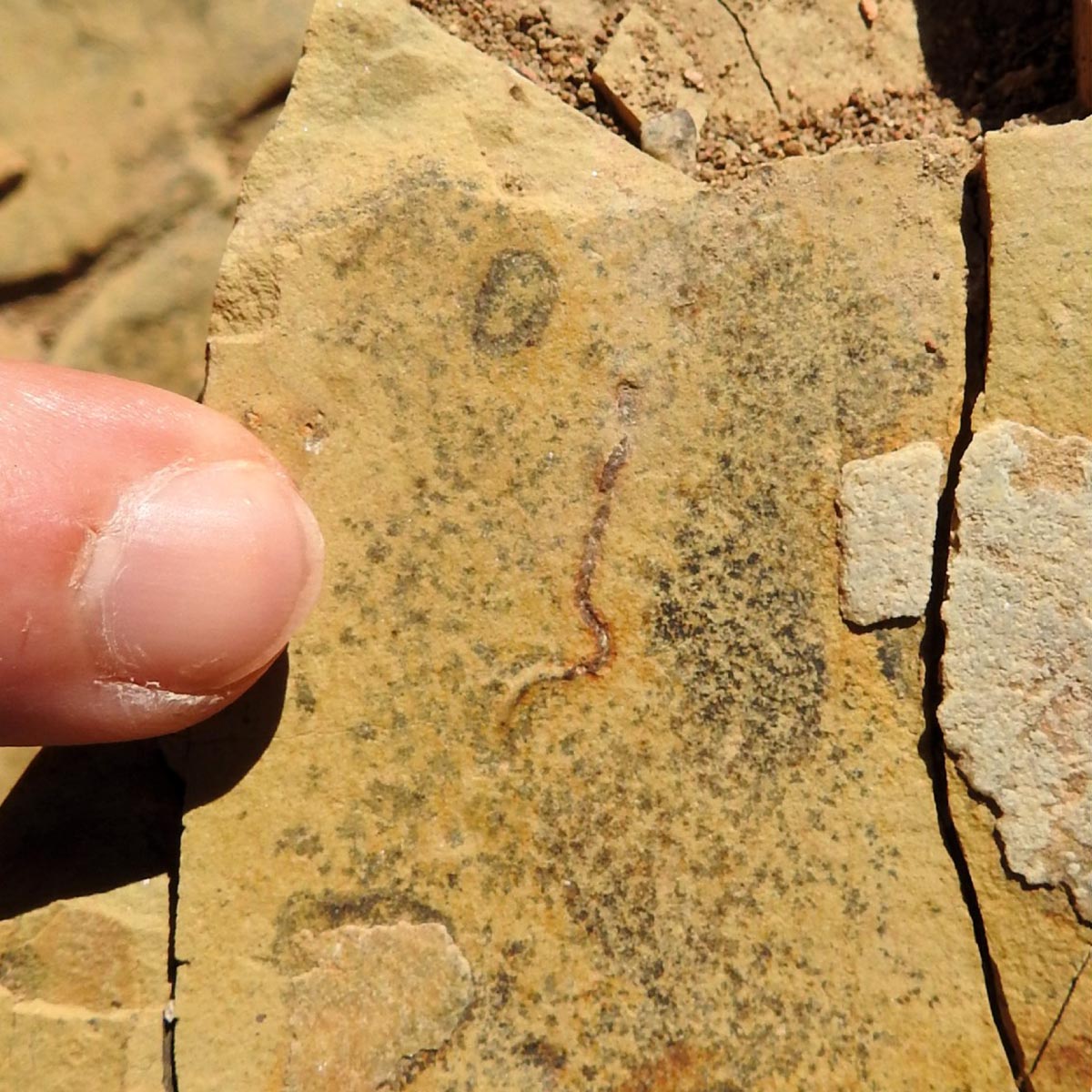
These 540-Million-Year-Old Fossils Were Thought to Be Animals. Then Scientists Looked Closer.
In 2017, researchers found tiny filaments in Brazilian rocks they thought were traces left by ancient worms. A new study using a particle accelerator says they were something else entirely: fossilized communities of bacteria and algae large enough to see without a microscope.
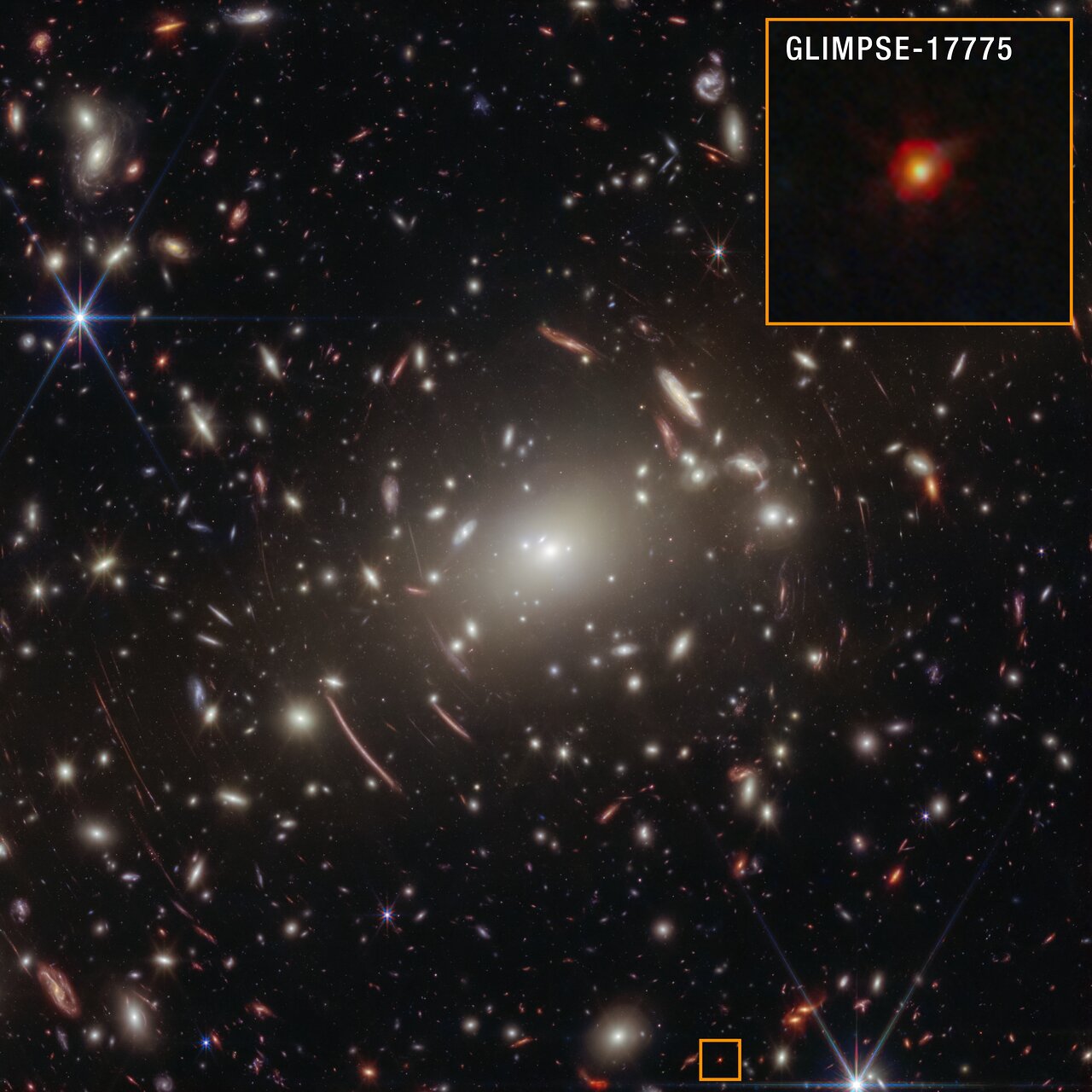
JWST Found These Little Red Dots in the Early Universe. They Were Black Hole Stars.
In 2022, JWST spotted mysterious red objects in the early universe that defied explanation. The deepest spectrum ever taken of one points to a new kind of object: a supermassive black hole wrapped in a dense cocoon of gas.
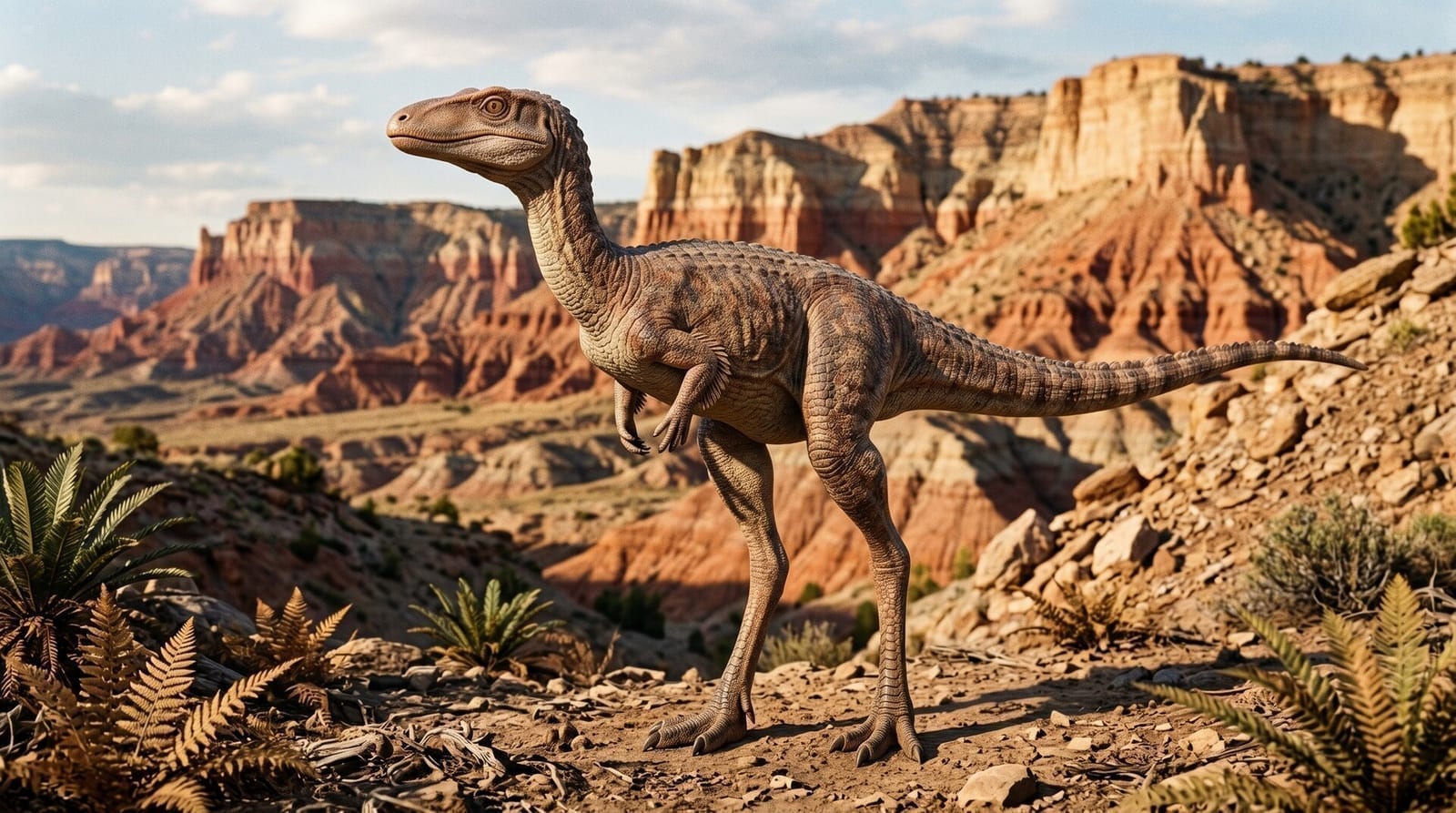
The Witch Croc: A Two-Legged, Toothless Crocodile Cousin from Triassic New Mexico
At Ghost Ranch, paleontologists found a bipedal, beaked crocodile relative that looked more like an ostrich than a reptile. They had been waiting 20 years for it.
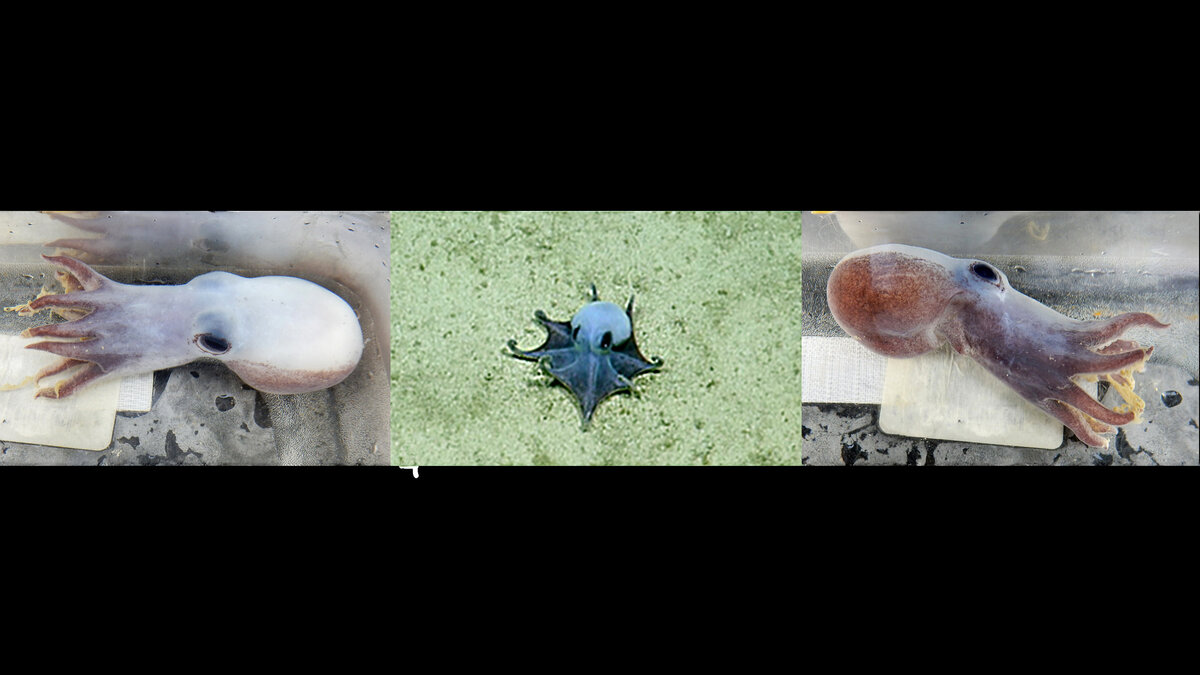
A Golf-Ball-Sized Blue Octopus From 6,000 Feet Down Is New to Science
In 2015, researchers aboard the E/V Nautilus spotted a tiny blue octopus near Darwin Island. Eleven years later, it has a name: Microeledone galapagensis.
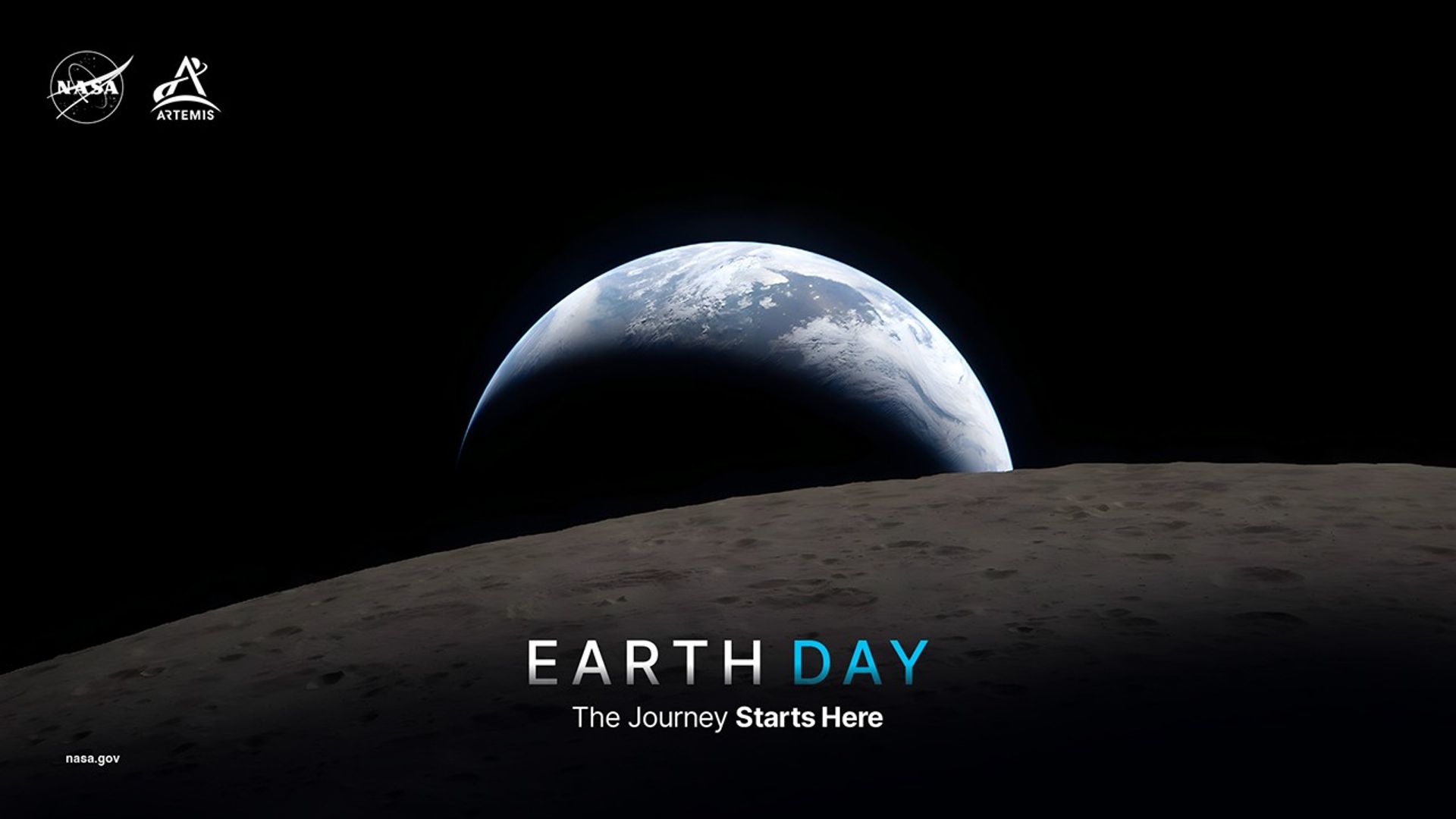
The New Earthrise: Artemis II Photographs Home
On April 6, 2026, the Artemis II crew watched Earth slide behind the Moon and captured a photo that echoes the 1968 Earthrise, moments before losing radio contact for 40 minutes.
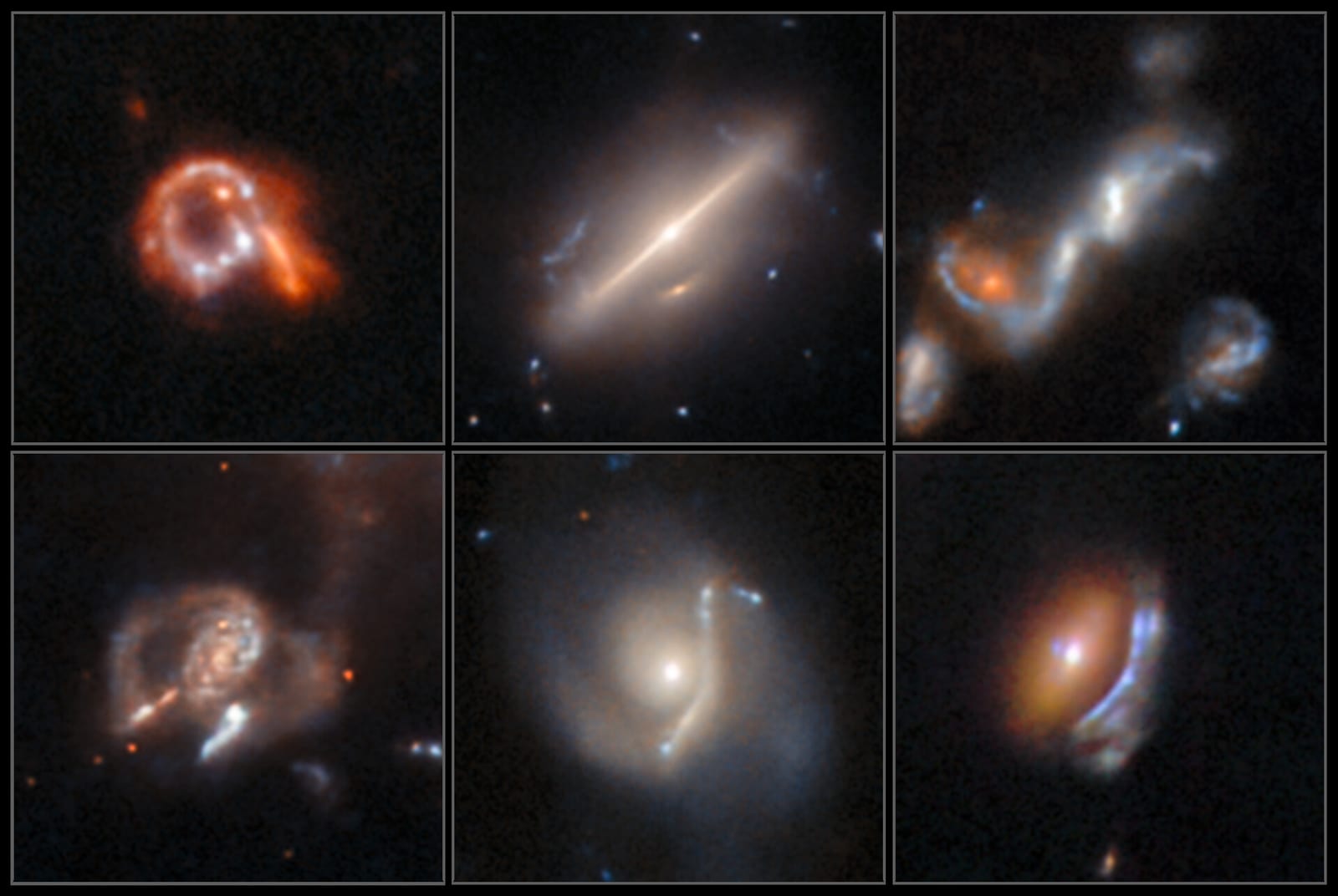
An AI Searched Hubble's Archive and Found 800 Things Nobody Had Seen
ESA researchers trained a neural network called AnomalyMatch on nearly 100 million Hubble image cutouts. In two and a half days it found more than 1,300 cosmic oddities, and over 800 were new to science.