
A 65-Foot Dinosaur Found in Argentina Blends Brachiosaurus and Diplodocus Features Into One Puzzle
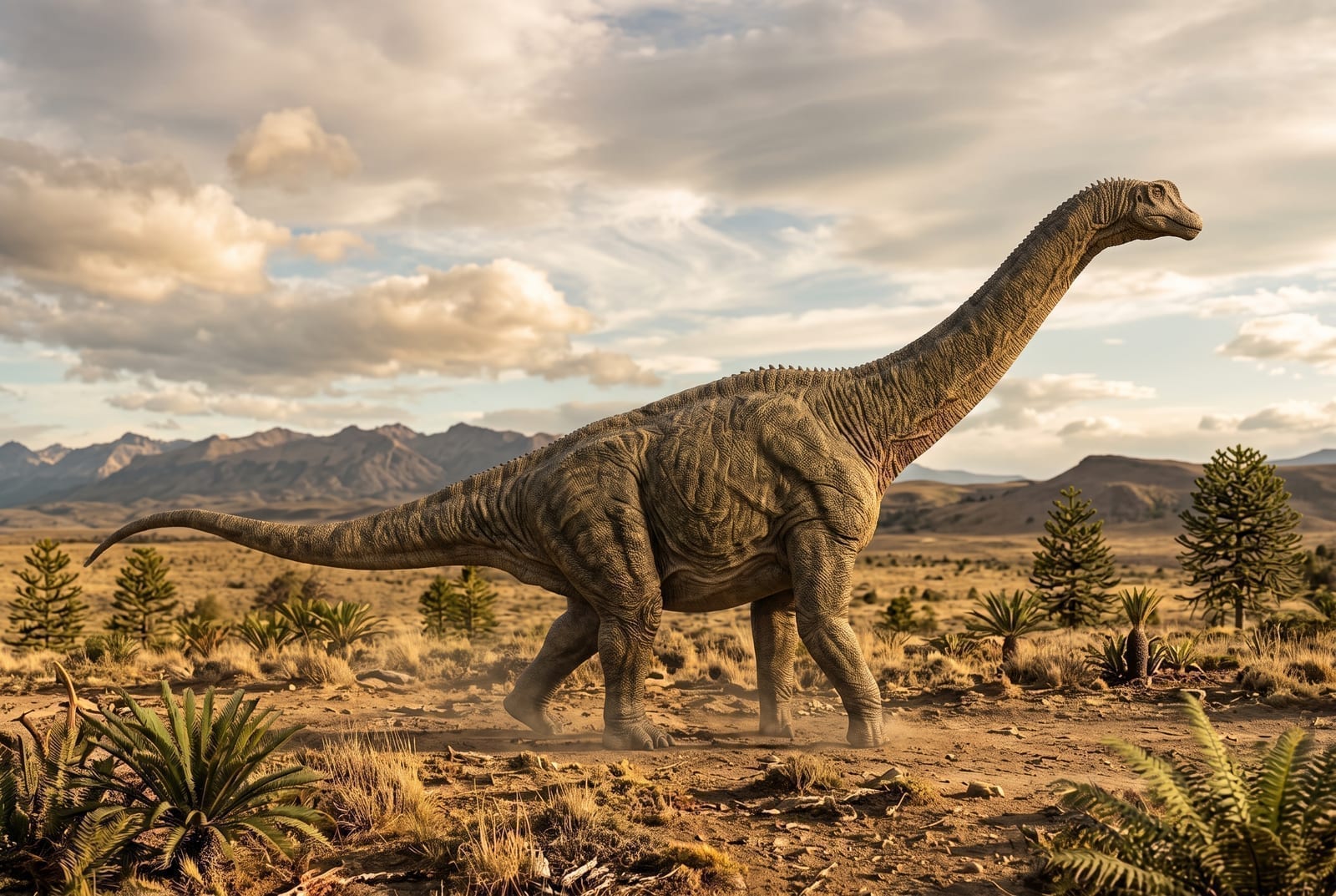
A new species of sauropod dinosaur discovered in Patagonia, Bicharracosaurus dionidei, carries a mix of features from two major dinosaur lineages: the brachiosaurids and the diplodocids. The 65-foot herbivore from the Late Jurassic is the first brachiosaurid ever found from the Jurassic of South America, filling a long-standing gap in the fossil record.
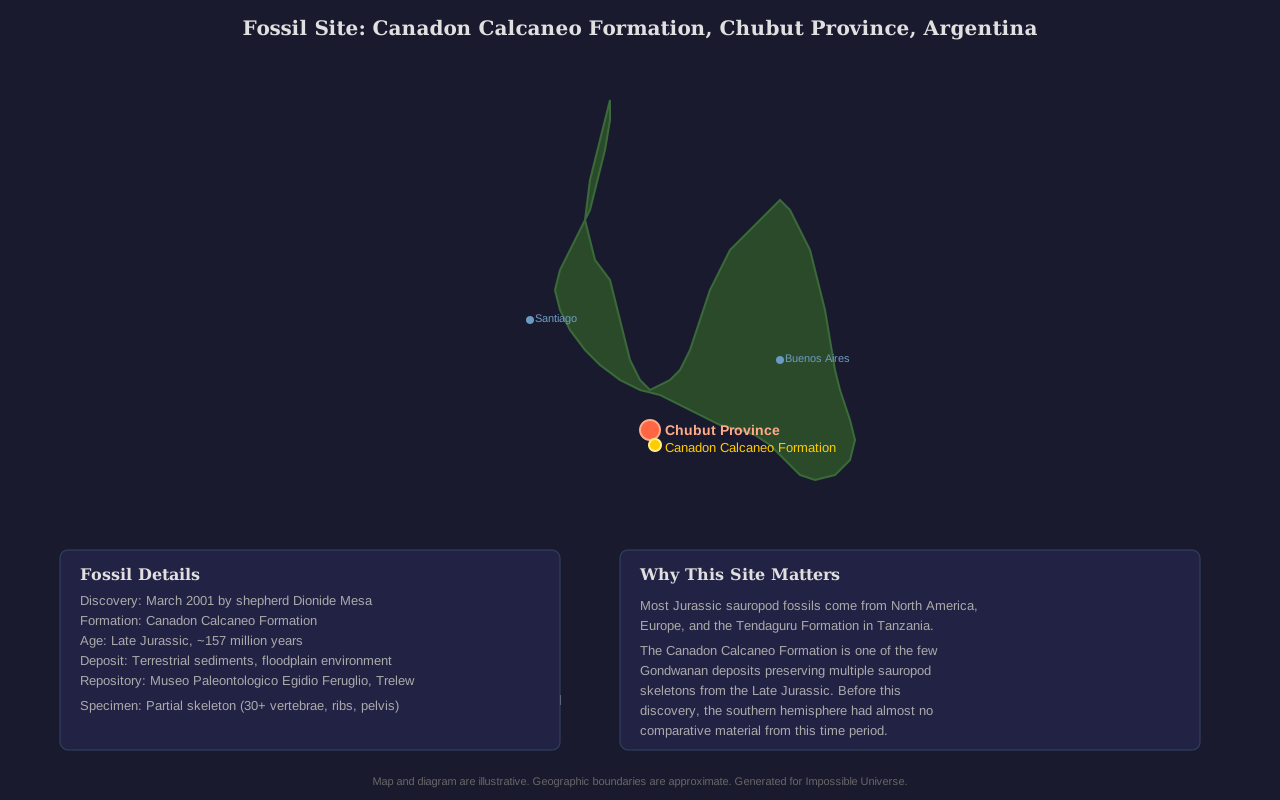
In March 2001, a shepherd named Dionide Mesa was working on a ranch in Chubut Province, Argentina, when he noticed large bones eroding out of a hillside. He reported the find to local authorities, and the fossils made their way to the Museo Paleontologico Egidio Feruglio in Trelew. For the next 25 years, paleontologists studied the bones piece by piece. In April 2026, they published their conclusion: the skeleton belonged to a previously unknown species of sauropod, and its anatomy does not fit neatly into any of the established dinosaur family trees.
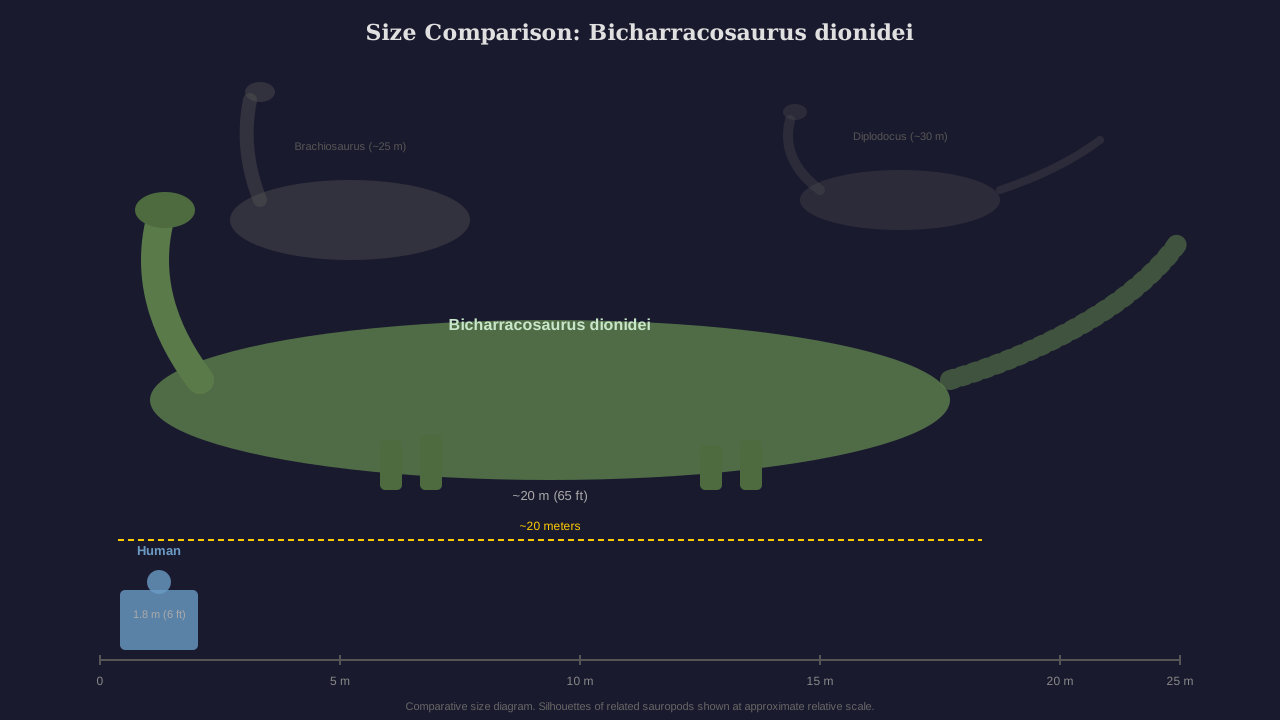
The dinosaur, named Bicharracosaurus dionidei, was a 65-foot (20-meter) herbivore that lived about 157 million years ago on the ancient southern supercontinent Gondwana. What makes it unusual is that its skeleton carries a combination of features normally found in two separate branches of the sauropod family: the Macronaria, which includes giants like Brachiosaurus, and the Diplodocidae, which includes Diplodocus. The mix is unusual enough that the researchers describe the species in the journal PeerJ as a puzzle for understanding how giant dinosaurs evolved outside the northern hemisphere.
Named for a shepherd
The species name honors Mesa directly: dionidei refers to Dionide Mesa, the shepherd who first spotted the fossils. The genus name comes from "bicharraco," a colloquial Spanish term meaning "big animal" that is used in parts of Argentina. The choice reflects both the animal's size and the local origin of its discovery, a practice that is not common in paleontology but is gaining traction as researchers acknowledge the role of local communities in fossil finds.
The fossils recovered from the site include more than 30 vertebrae from the neck, back, and tail, along with several ribs and part of the pelvis. The bone structure shows the remains belonged to a fully grown adult. The site sits in the Canadon Calcaneo Formation, a geological deposit in central to northern Chubut Province that has produced several important sauropod specimens.
A body built from two lineages
The sauropod family tree has a major split near its base. On one side are the Diplodocidae, the long, whip-tailed grazers best known from Jurassic sites in North America and Tanzania. On the other side are the Macronaria, the more robust, high-browsing group that includes Brachiosaurus and eventually produced the largest land animals of all time. Most sauropod fossils can be assigned to one side or the other without much trouble.
Bicharracosaurus is different. Some parts of its skeleton, particularly in the hips and limbs, look like those of Giraffatitan, a brachiosaurid from Tanzania. Other parts, especially the dorsal vertebrae, show features more common in diplodocids from North America. The mix forced the research team to use two separate phylogenetic datasets to figure out where the animal belonged.
The results of both analyses placed Bicharracosaurus within Macronaria, with a close relationship to the Brachiosauridae. That makes it the first brachiosaurid from the Jurassic of South America. Before this discovery, the southern continents had only one significant Jurassic sauropod site, the Tendaguru Formation in Tanzania. The new fossil gives paleontologists a second data point for understanding how macronarians evolved in the southern hemisphere.
A southern hemisphere blind spot
The fossil record of Jurassic sauropods has a geography problem. Most specimens come from a narrow band across North America and Europe, with a single major site in Tanzania providing almost everything known about southern-hemisphere sauropods from that era. That means the standard picture of sauropod evolution is built overwhelmingly from northern hemisphere data.
"For a long time, there was only a single significant site on the southern continents, in Tanzania," said Professor Oliver Rauhut of the Bavarian State Collections of Natural History, the study's senior author. "The fossil site in the Argentine province of Chubut provides us with important comparative material, allowing us to continuously supplement and reevaluate our understanding of the evolutionary history of these animals, particularly in the southern hemisphere."
Bicharracosaurus does not solve the southern hemisphere gap on its own, but it adds a crucial data point. The mix of features in its skeleton suggests that macronarian evolution was more complex than the northern-hemisphere fossil record alone would suggest. Different regions may have produced different body plans, and the Jurassic split between Diplodocidae and Macronaria may have played out differently across the ancient continents.
What the PeerJ analysis found
Alexandra Reutter, a doctoral student at Ludwig-Maximilians-Universitat Munchen and the study's lead author, ran the phylogenetic analyses as part of her doctoral research. The study, published in PeerJ on April 16, 2026, used two different datasets to test where Bicharracosaurus fit in the sauropod family tree. Both analyses placed it with the Brachiosauridae, though with varying degrees of certainty.
"Our phylogenetic analyses of the skeleton indicate that Bicharracosaurus dionidei was related to the Brachiosauridae, which would make it the first Brachiosauridae from the Jurassic of South America," Reutter said.
The uncertainty in the analyses reflects a broader debate in sauropod paleontology. The split between Diplodocidae and Macronaria was first proposed in the 1990s and is widely accepted, but there is still disagreement about which Jurassic species belong on each side. Bicharracosaurus adds evidence that the early evolution of macronarians may have been messier than previously thought, with different features evolving at different rates in different regions.
Sources
- Reutter et al., Bicharracosaurus dionidei, a new macronarian from the Late Jurassic Canadon Calcaneo Formation of Argentina, PeerJ 14: e20945 (2026) - primary source, open access
- Sci.News: New Species of Giant Long-Necked Dinosaur Identified in Argentina
- ScienceDaily: This Strange Giant Dinosaur May Change What We Know About Jurassic Titans
- SciTechDaily: Strange 65-Foot Dinosaur Discovered in Argentina
- Phys.org: Patagonia Yields 157-Million-Year-Old Long-Necked Dinosaur
Related on Impossible Universe
- Four Wings, Not Two: A New Jurassic Dinosaur Upends the Evolution of Flight - another Jurassic find reshaping dinosaur science
- Witch Crocodile of La Bruja: A Prehistoric Predator Discovered in Colombia - a newly identified prehistoric predator from South America
- Scientists Pulled Ancient Human DNA From Cave Walls for the First Time - a different window into deep time through ancient biological traces