
Scientists Pulled Ancient Human DNA From Cave Walls for the First Time
For the first time, researchers recovered ancient human DNA directly from prehistoric cave walls and rock art at sites across Spain and Portugal, including from hand stencils and pigment samples at Altamira, Escoural, and Covaron caves. The discovery opens the possibility of genetically identifying the Ice Age artists who created the world's oldest known paintings.
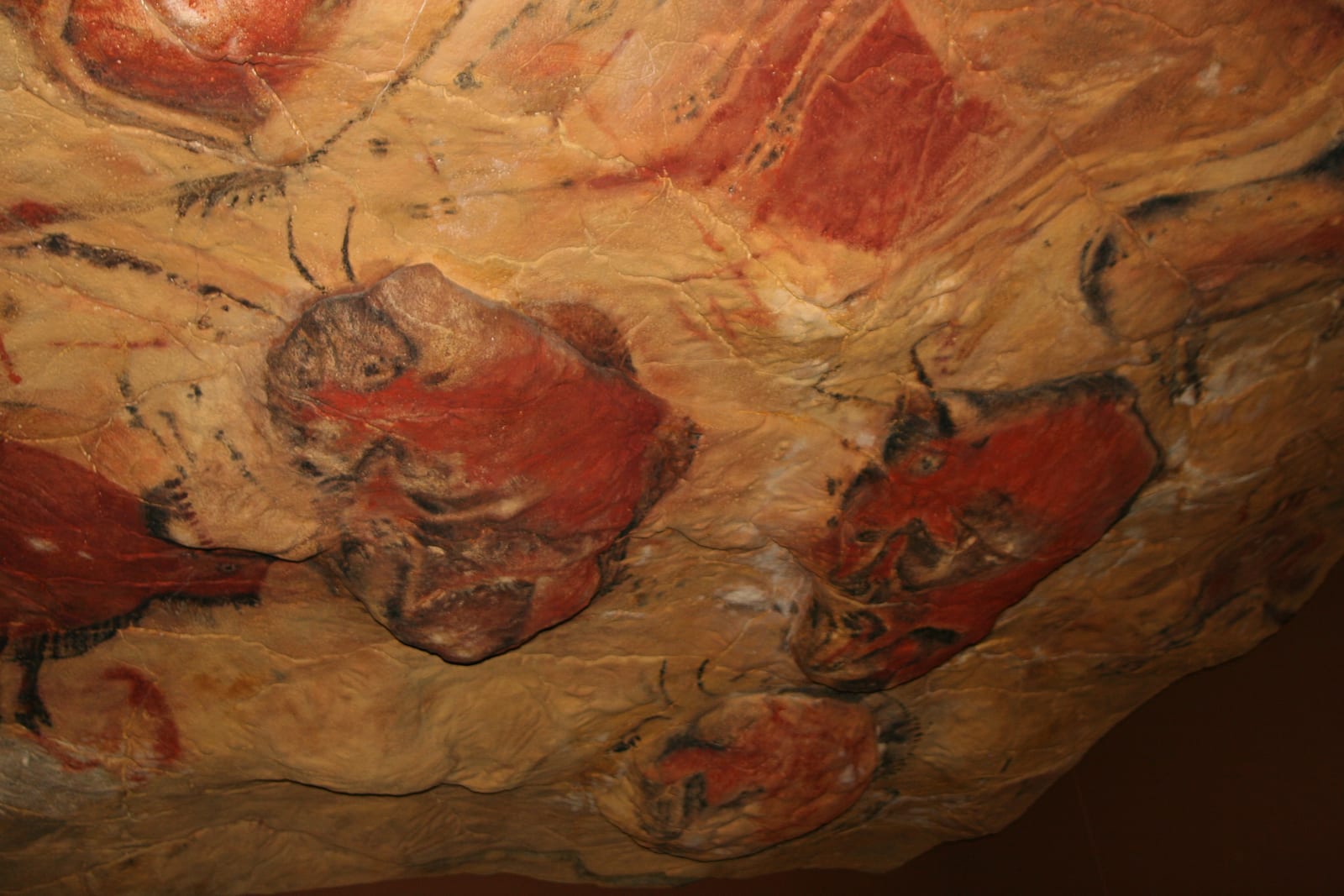
For as long as archaeologists have studied prehistoric cave art, one question has hovered over every hand stencil and painted bison: Who made this?
In a study published June 2026 in the journal Nature Communications, an international team of scientists showed that ancient human DNA can survive for thousands of years on cave walls, opening a path to answering that question for the first time. The research, led by the Max Planck Institute for Evolutionary Anthropology and the First Art project, recovered ancient human DNA from rock art panels and cave surfaces at multiple sites across Spain and Portugal.
"This study fundamentally changes how we think about where ancient DNA can be found," said Matthias Meyer, a paleogeneticist at the Max Planck Institute and senior author of the paper.
A handful of DNA among 120 samples
The team analyzed samples from 24 rock art panels across 11 caves, including the famous Cave of Altamira, Escoural Cave in Portugal, and Covaron Cave in northern Spain. They took thin shavings from pigmented surfaces, calcite crusts that had formed over the art, and unpigmented cave wall fragments as controls. In total, they collected 120 samples.
Of those, only five produced ancient human mitochondrial DNA. One came from a pigmented calcite crust at Escoural, two from unpainted cave wall samples nearby at the same site, and two from unpainted areas adjacent to rock art in Covaron. The low hit rate is not surprising. DNA degrades over time, and the conditions inside caves vary enormously.
But two of the samples stood out: they contained human DNA with no detectable animal DNA mixed in. That strongly suggests the DNA was deposited directly through human contact, through saliva, sweat, or skin cells, rather than washing in from sediment or groundwater. The other three positive samples contained both human and animal DNA, suggesting indirect deposition.
DNA from where nobody expected it
The most surprising finding was not the DNA in the painted samples. It was the DNA in the unpainted ones. The team had taken those samples as negative controls, expecting them to be empty of human genetic material. Instead, two unpainted wall samples from Covaron yielded ancient human DNA belonging to Western hunter-gatherers, consistent with known genetic profiles of ancient Iberian populations. The finding suggests that people routinely touched cave walls even in areas with no visible art, leaving traces of themselves behind.
"We were shocked," said first author Alba Bossoms Mesa, a doctoral researcher at the Max Planck Institute. "It is exciting to think that we may have uncovered a new way to study prehistoric human presence."
The method behind the discovery
The researchers used hybridization capture, a technique that uses molecular "probes" designed to bind to specific DNA sequences, in this case mammalian mitochondrial DNA and hominin mitochondrial DNA. By enriching the ancient DNA fragments before sequencing, the team could detect even trace amounts of human genetic material buried among environmental contamination.
For the two clean human DNA samples, the researchers also performed shallow genome-wide analysis using single nucleotide polymorphism (SNP) capture. This allowed them to determine the biological sex of the individuals and place them within broader genetic ancestry groups. The Covaron samples matched the Western hunter-gatherer cluster, a population that lived in Europe before the arrival of farming.
The team also tested a prehistoric bird bone from Altamira that had been used as an airbrush for blowing pigment onto the walls. Despite good preservation conditions, no ancient human DNA was recovered from the bone itself, likely because it had been handled extensively by researchers over decades, contaminating it with modern DNA.
"The preservation of human DNA on cave walls is highly variable," Bossoms Mesa said. "But when it does survive, it tells a powerful story."
What this means for archaeology
The paper is a proof of concept, not a flood of new data. Only one of the 24 rock art panels examined preserved detectable ancient human DNA in its pigment. Most panels yielded nothing. The results show that ancient DNA can survive on cave walls under the right conditions, but those conditions are rare and depend on factors like mineral crust formation, stable humidity, and the absence of modern contamination.
Still, the implications are significant. Until now, researchers studying the people who created cave art had to rely on indirect evidence: the bones buried in cave floors, the tools left behind, the chemical composition of pigments. Direct genetic evidence from the art itself was out of reach. This study changes that.
"We know that some of the art was applied to cave walls by blowing or rubbing pigment onto the surface," said Hipolito Collado Giraldo, an archaeologist with the Extremadura government who brought together the First Art team. "Given the enormous sensitivity of current ancient DNA analysis techniques, we were eager to see if this type of contact could leave traces of DNA in the rock art, potentially allowing us to obtain genetic profiles from the makers of the art."
Limits and next questions
The researchers cannot yet prove that the DNA they recovered came from the artists who created the paintings. It could have come from someone who touched the wall or sneezed on it thousands of years after the art was made. The DNA in the Escoural pigment sample is at least 2,000 years old and likely older, since the cave was sealed off from the outside world around 4,000 to 5,000 years ago. But a precise date is not possible from the amount of DNA recovered.
"Although we cannot directly connect the traces of ancient human DNA we have found to the creation of rock art, this is the first evidence for human DNA preservation on cave walls for thousands of years," Bossoms Mesa said.
Future work will focus on refining the methods to reduce contamination and increase sensitivity. The team is already planning additional sampling at other cave sites. The goal: to determine the biological sex, ancestry, and possibly even individual identity of the people who made the world's oldest known art.
"Were the artists men or women or both?" asked Francesco d'Errico, an archaeologist at the University of Bordeaux who was not involved with the study, in New Scientist. "Were animal drawings from the same panel made by a single artist? Can we find Neanderthal DNA? The potential is huge."
As the techniques improve, the walls that have held the paintings for millennia may also yield the names, or at least the genetic profiles, of the hands that made them.
Sources
- Bossoms Mesa et al., "Investigating ancient human DNA preservation on cave walls and in rock art," Nature Communications (June 2026) - the primary research paper describing the systematic extraction and analysis of ancient human DNA from 24 rock art panels across 11 caves in Spain and Portugal
- Max Planck Institute for Evolutionary Anthropology Press Release (June 2026) - official press release with quotes from Meyer, Bossoms Mesa, and Collado Giraldo
- Smithsonian Magazine (June 29, 2026) - coverage with additional context from Genevieve von Petzinger and Francesco d'Errico
- New Scientist (June 2026) - coverage with quotes on the implications for identifying cave artists
- National Geographic (June 2026) - coverage explaining the broader significance for Paleolithic archaeology
Related on Impossible Universe
- The Ocean Floor Was Covered in Mystery Tubes. They Turned Out to Be a 500-Million-Year-Old Mistake - how modern analytical techniques are rewriting what we know about ancient biological traces
- A Four-Winged Dinosaur With Ribbon Feathers Rewrites the Story of Flight - what fossils can tell us about prehistoric life, preserved through millions of years
- Chernobyl Black Frogs Reveal Evolution in Real Time - how scientists used genetics to track evolutionary changes over decades in an extreme environment
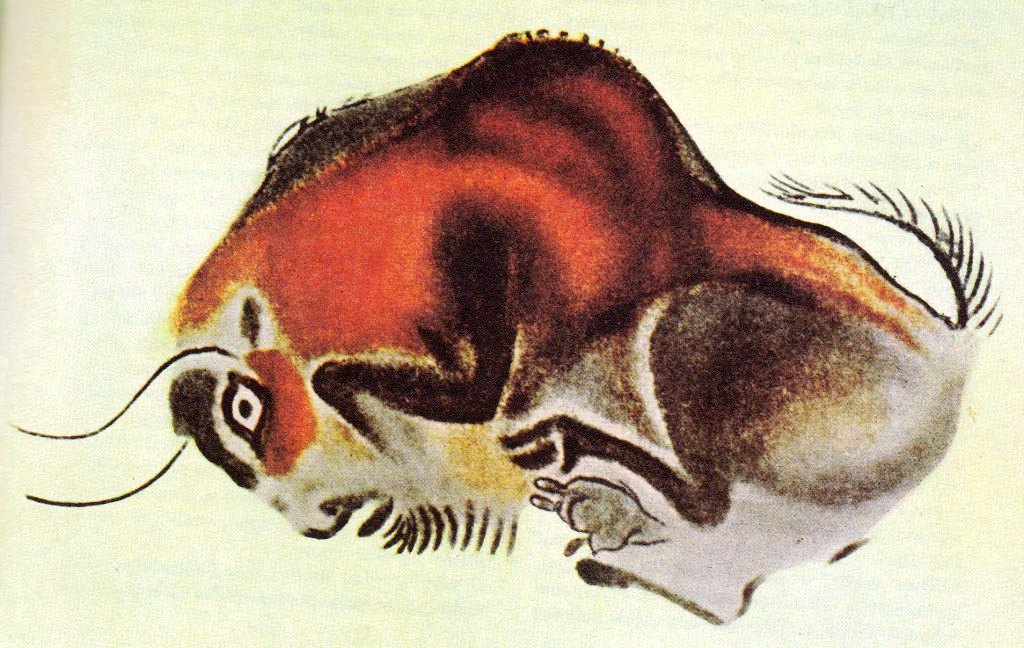
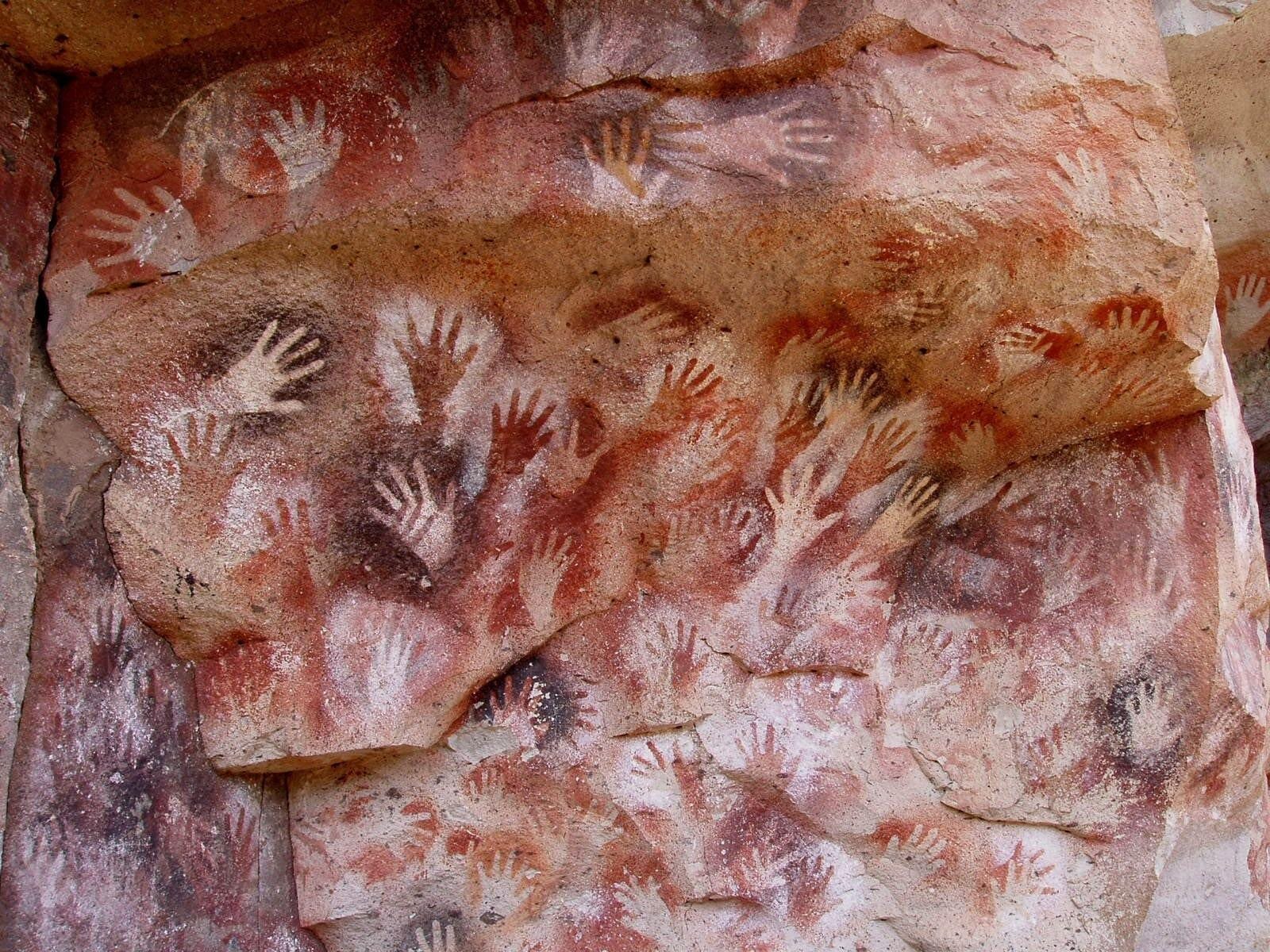
Hero image: Reproduction of the painted ceiling of the Cave of Altamira, Cantabria, Spain. Photo: Matthias Kabel, CC BY-SA 3.0. Inline images: Altamira bison close-up, public domain (HTO / Wikimedia Commons). Cueva de las Manos hand stencils, Photo: Mariano, CC BY-SA 3.0.