Millions of Smithsonian Objects Are Waiting for Better Stories
Smithsonian Open Access released millions of images and datasets for public reuse, turning museum storage into a giant story mine.
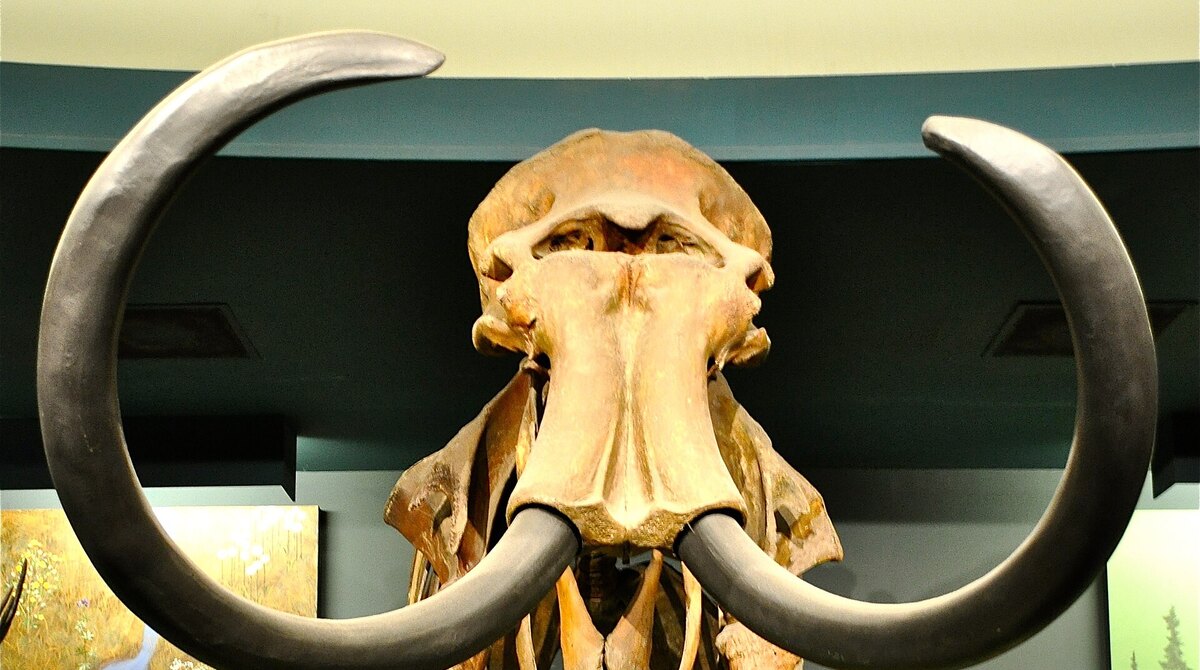
The archive opens a side door
A museum collection is usually larger than its galleries. Most objects live in storage, databases, drawers, and study rooms, seen by researchers but not by casual visitors.
Smithsonian Open Access changed the scale of what the public can use. The institution released millions of images, 3D models, metadata records, and datasets under Creative Commons Zero where marked.
Free does not mean context-free
The most exciting part is not just that the files can be reused. It is that the objects can be reconnected to stories: who made them, where they traveled, what they were used for, why they were preserved.
The caution is that open access is not a license to be lazy. A record may be public domain, but the culture, history, or science around it still needs care.
A machine for curiosity
For a visual curiosity site, this kind of archive is fuel. One odd object can become a short article. A tool, specimen, costume, instrument, fossil, or patent model can carry a whole miniature world with it.
The trick is to resist the listicle version. The better approach is slower: pick one object, read the record, follow the context, and explain why it still has a pulse.