NASA's Astronomy Picture Archive Is a Curiosity Machine
The Astronomy Picture of the Day archive is more than a gallery. It is a long-running trail of cosmic micro-stories, but its image rights require care.
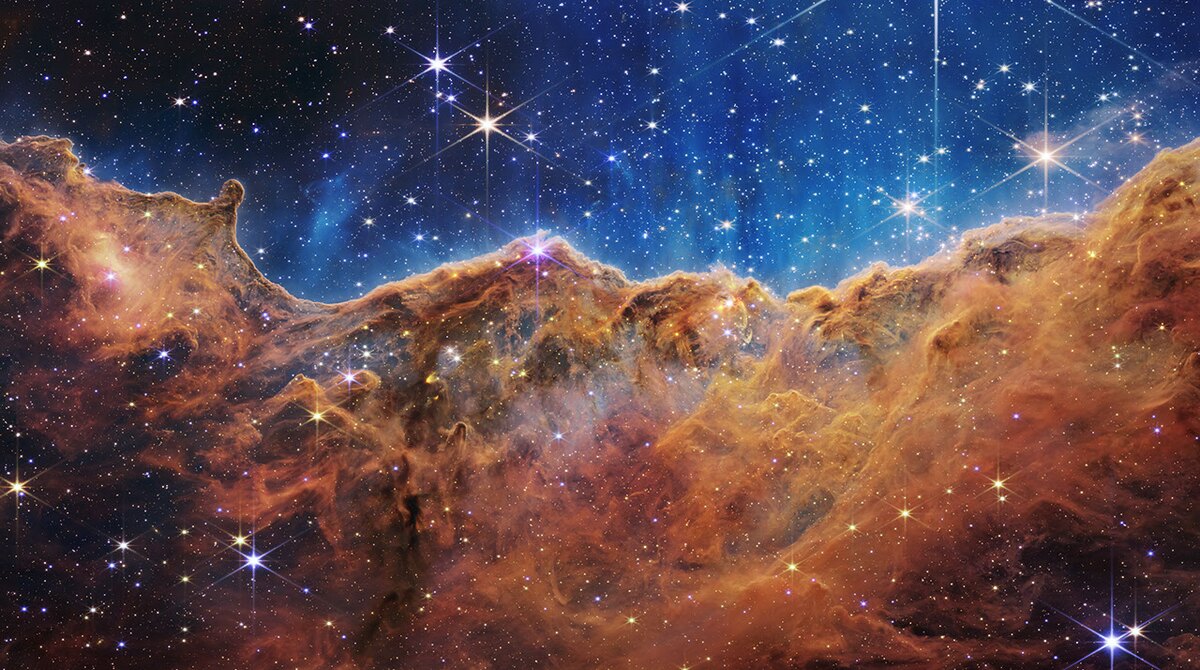
One image, one explanation, every day
NASA's Astronomy Picture of the Day has a deceptively simple format: a space image, a title, and a short explanation by professional astronomers. Repeated daily for decades, that format becomes something larger than a blog.
The archive now acts like a curiosity engine. You can move from nebulae to eclipses, Mars rovers to galaxy clusters, meteor showers to spacecraft views, each with just enough context to make the image mean something.
The useful warning hidden in the archive
APOD also teaches a practical lesson about image reuse. Not every picture on a NASA-hosted page is automatically free of copyright. Many APOD entries credit outside photographers, observatories, or artists, and those credits matter.
That makes the archive better, not worse. It forces readers to notice authorship. A cosmic picture can be public domain, copyrighted, collaborative, or released under specific terms. The caption is part of the evidence.
Why it works so well
The format succeeds because it does not try to explain the whole universe at once. It gives one object enough attention to become memorable.
That is a useful model for any curiosity site: choose a vivid thing, explain the actual thing, credit the source, and leave the reader with one sharper mental image than they had before.
Sources
Related on Impossible Universe
- An AI Searched Hubble's Archive and Found 800 Things Nobody Had Seen - a different way of mining the vast archives of NASA image data to find something new