Science
Browse Impossible Universe stories filed under Science.
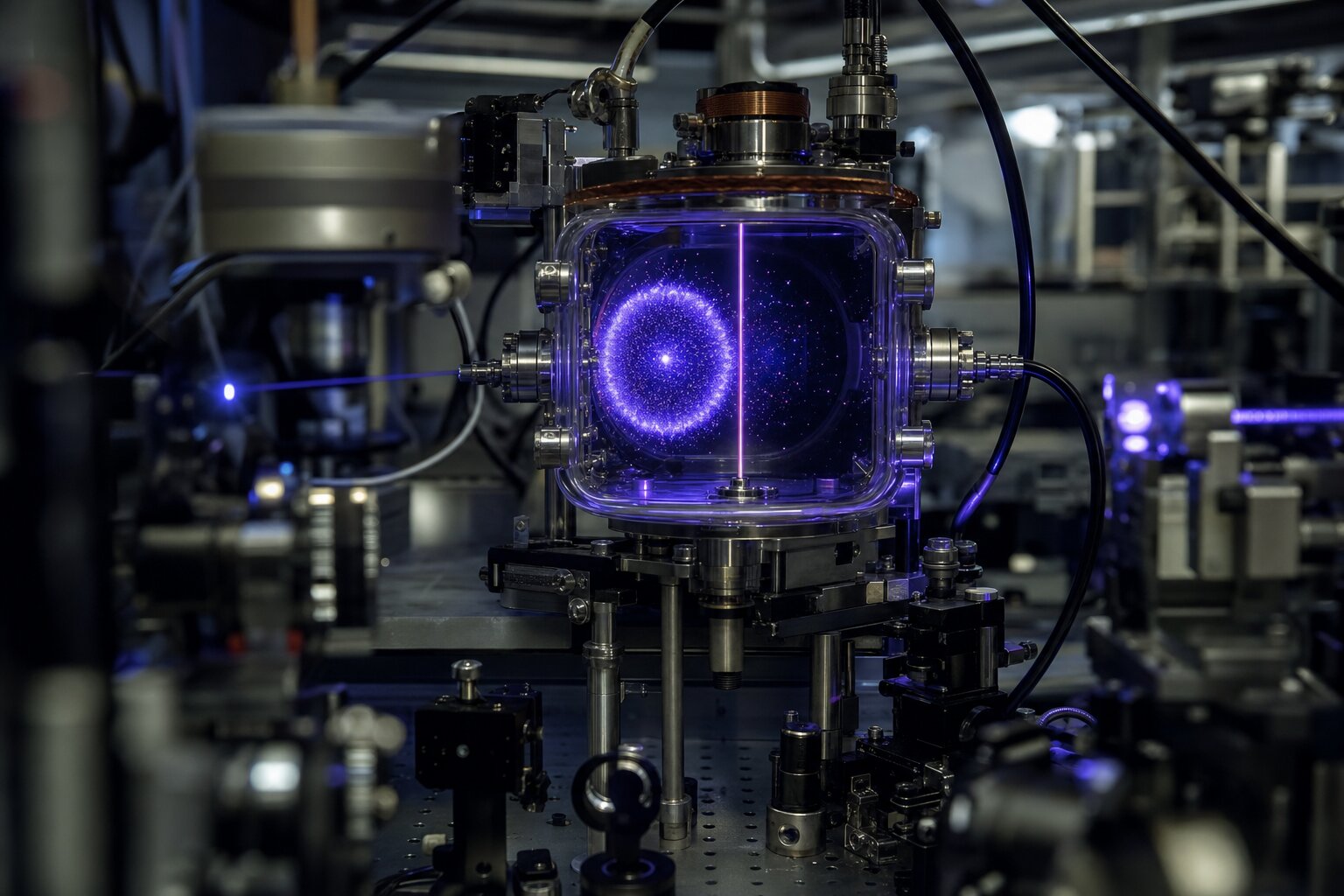
Physicists Created a Tiny Universe From 24,000 Atoms and Watched Time Emerge All by Itself
A physicist at the University of Birmingham sealed 24,000 ultracold atoms inside an isolated chamber and watched as time emerged naturally from the system, without any external clock. When the distribution of atoms stopped changing, time effectively stopped. The experiment tests whether time is fundamental or emerges from change.
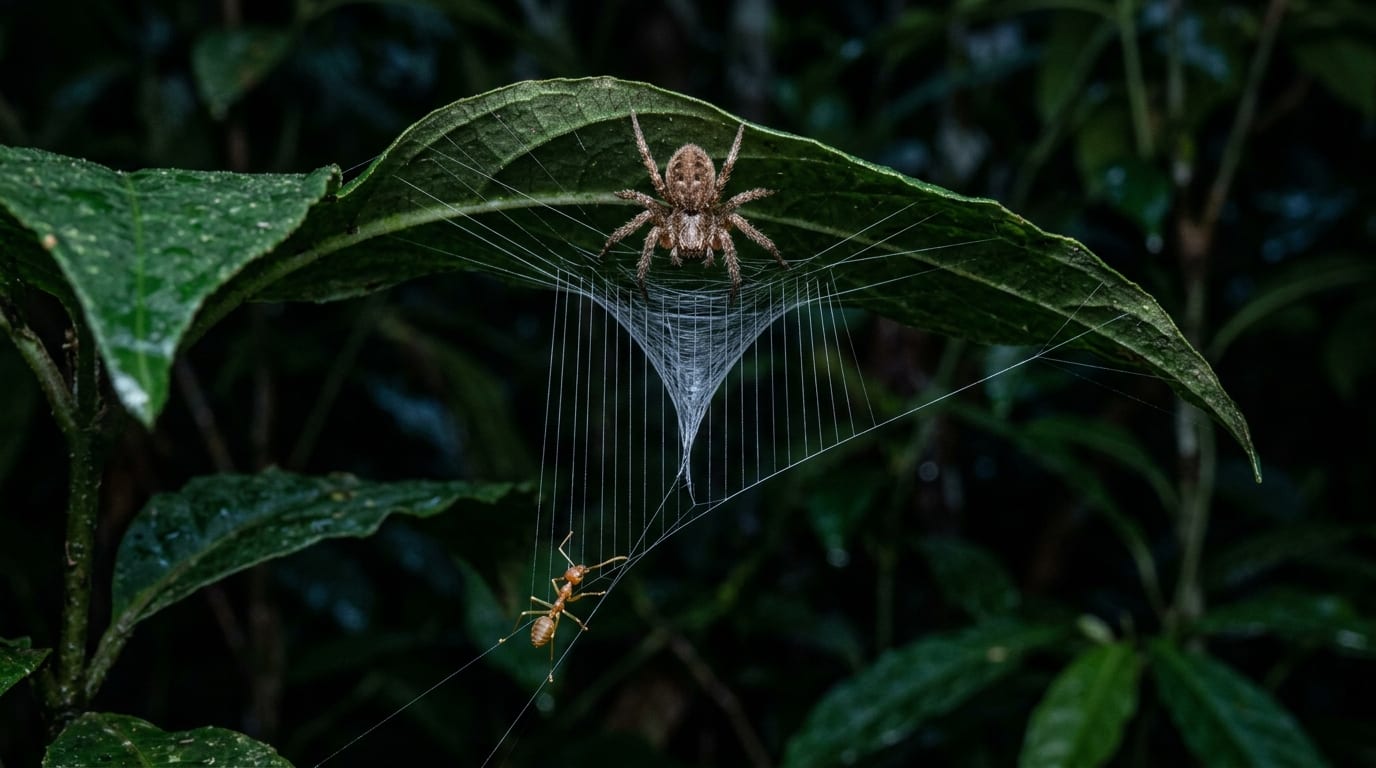
The Ballista Spider Catapults Ants Into Its Web Using a Spring-Loaded Silk Trap
In the rainforests of Queensland, a spider builds a cone-shaped silk trap that launches green tree ants into its web with accelerations of 1,300 m/s2, more than 15 times the G-force of a jet pilot. The ballista spider only hunts one species of ant, making it one of the most specialized predators ever discovered.
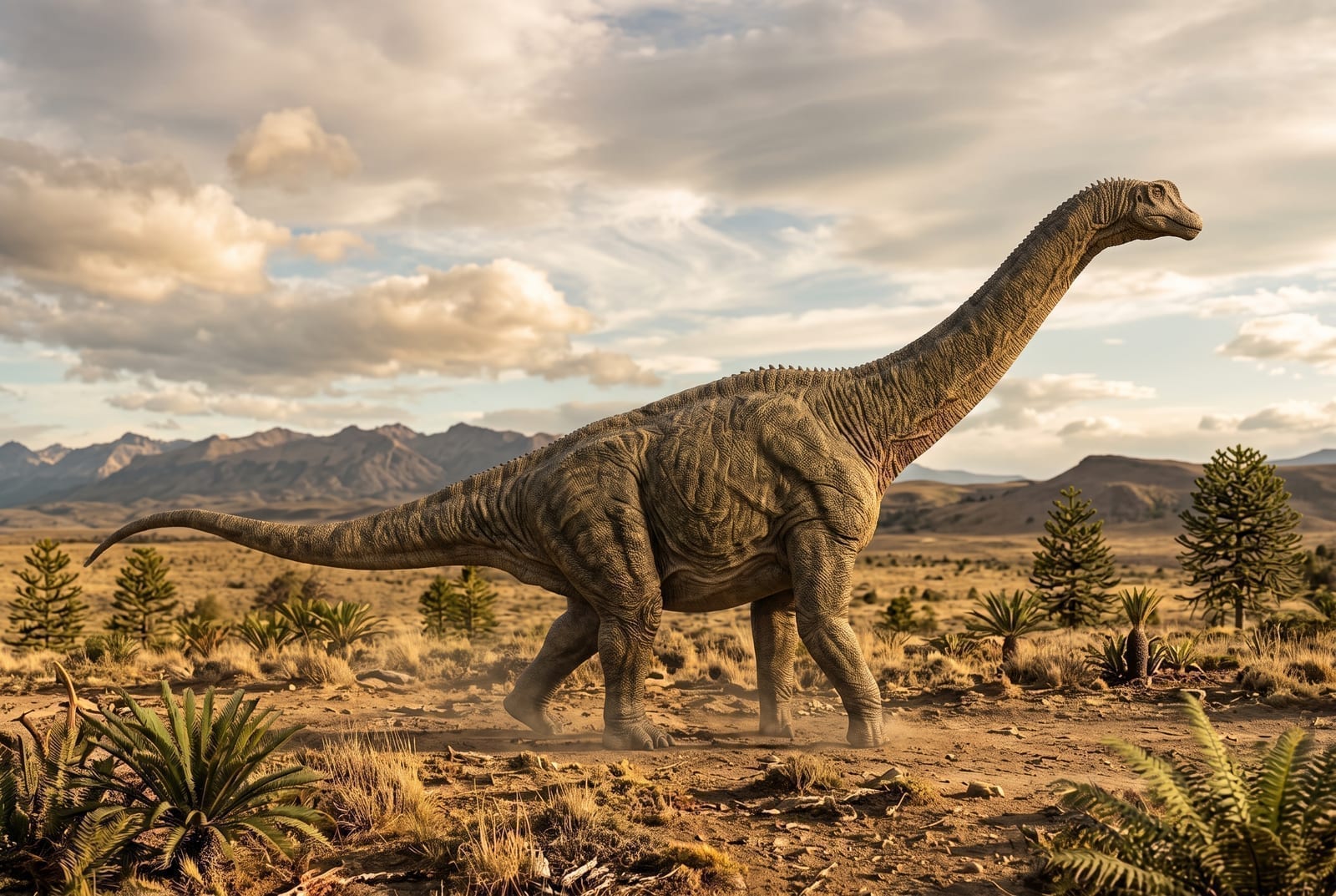
A 65-Foot Dinosaur Found in Argentina Blends Brachiosaurus and Diplodocus Features Into One Puzzle
A new species of sauropod dinosaur discovered in Patagonia, Bicharracosaurus dionidei, carries a mix of features from two major dinosaur lineages: the brachiosaurids and the diplodocids. The 65-foot herbivore from the Late Jurassic is the first brachiosaurid ever found from the Jurassic of South America, filling a long-standing gap in the fossil record.
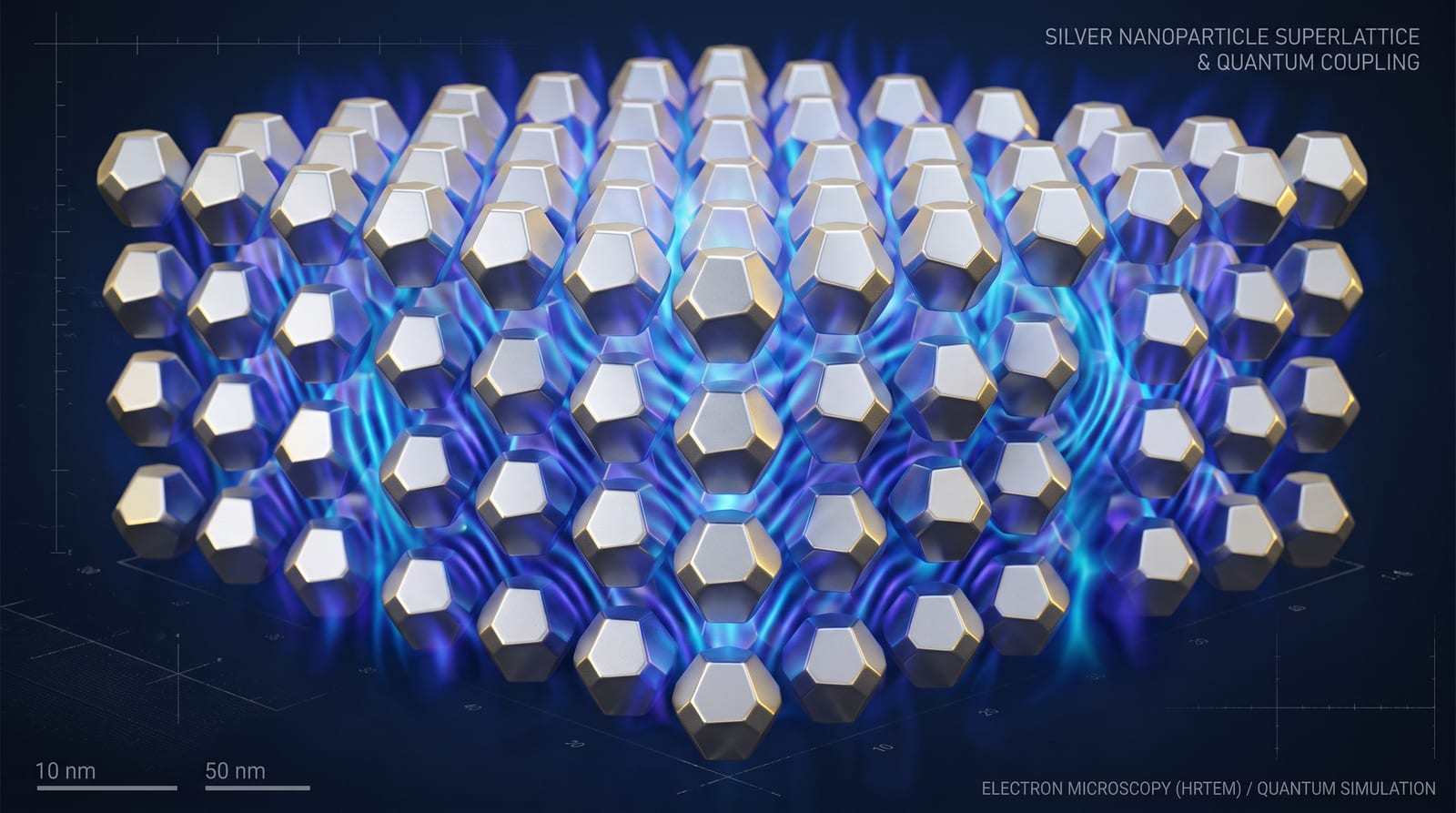
Scientists Built LEGO-Like Nanoparticles Into a Material That Shows Quantum Behavior at Room Temperature
Researchers at Brown University and the University of Michigan used custom-shaped silver nanoparticles to freeze a fleeting structural phase of matter that had been predicted by theory but never captured in a physical material. Under light, the superlattice exhibits deep-strong light-matter coupling at room temperature, a quantum behavior normally seen only near absolute zero.
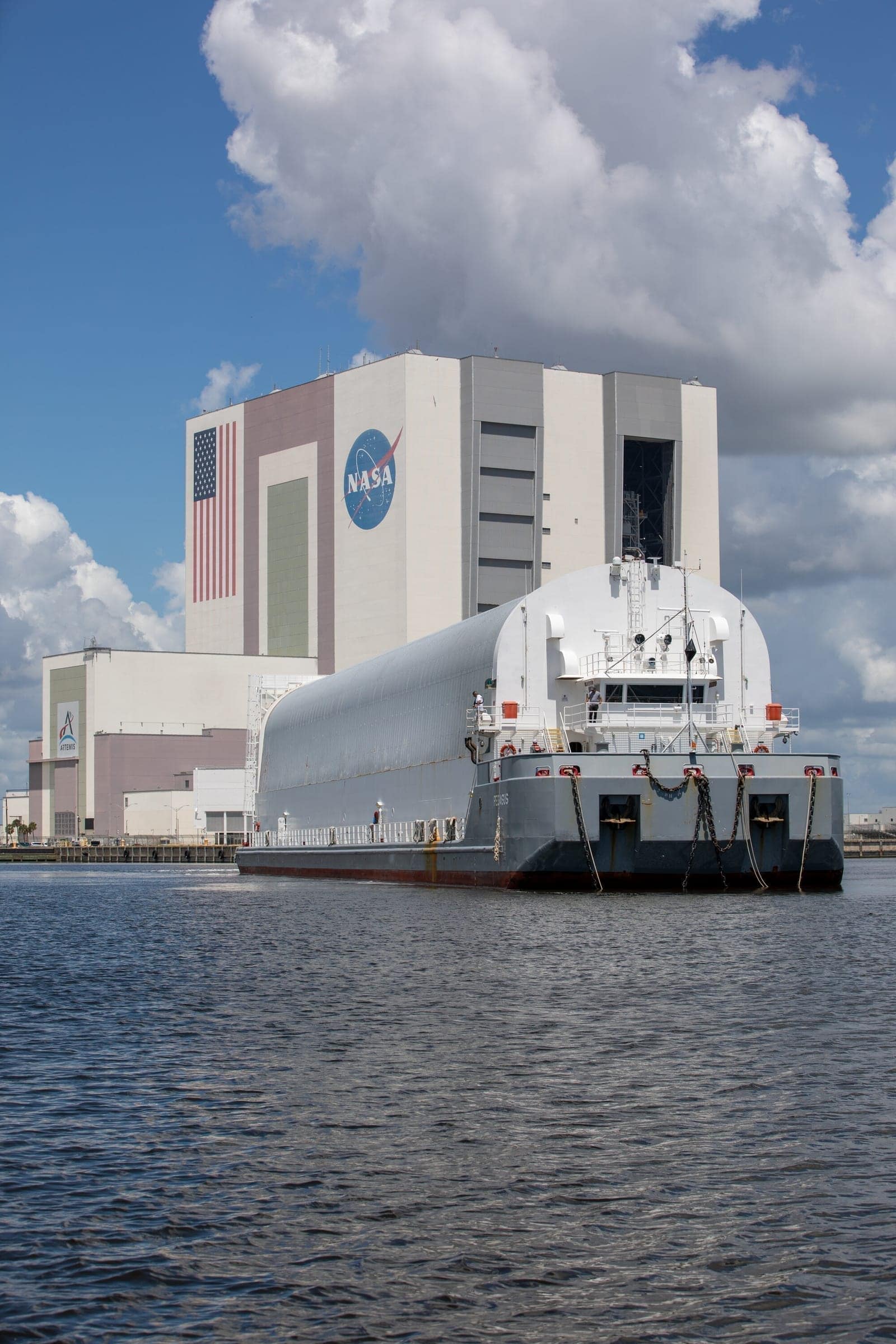
NASA's Next Flagship Telescope Just Arrived in Florida. It's Launching 8 Months Ahead of Schedule.
The Nancy Grace Roman Space Telescope arrived at Kennedy Space Center on June 21 aboard the Pegasus barge after an eight-day journey from Maryland. With a field of view 100 times larger than Hubble and a launch date of August 30, 2026, the observatory is eight months ahead of schedule and will survey a billion galaxies.
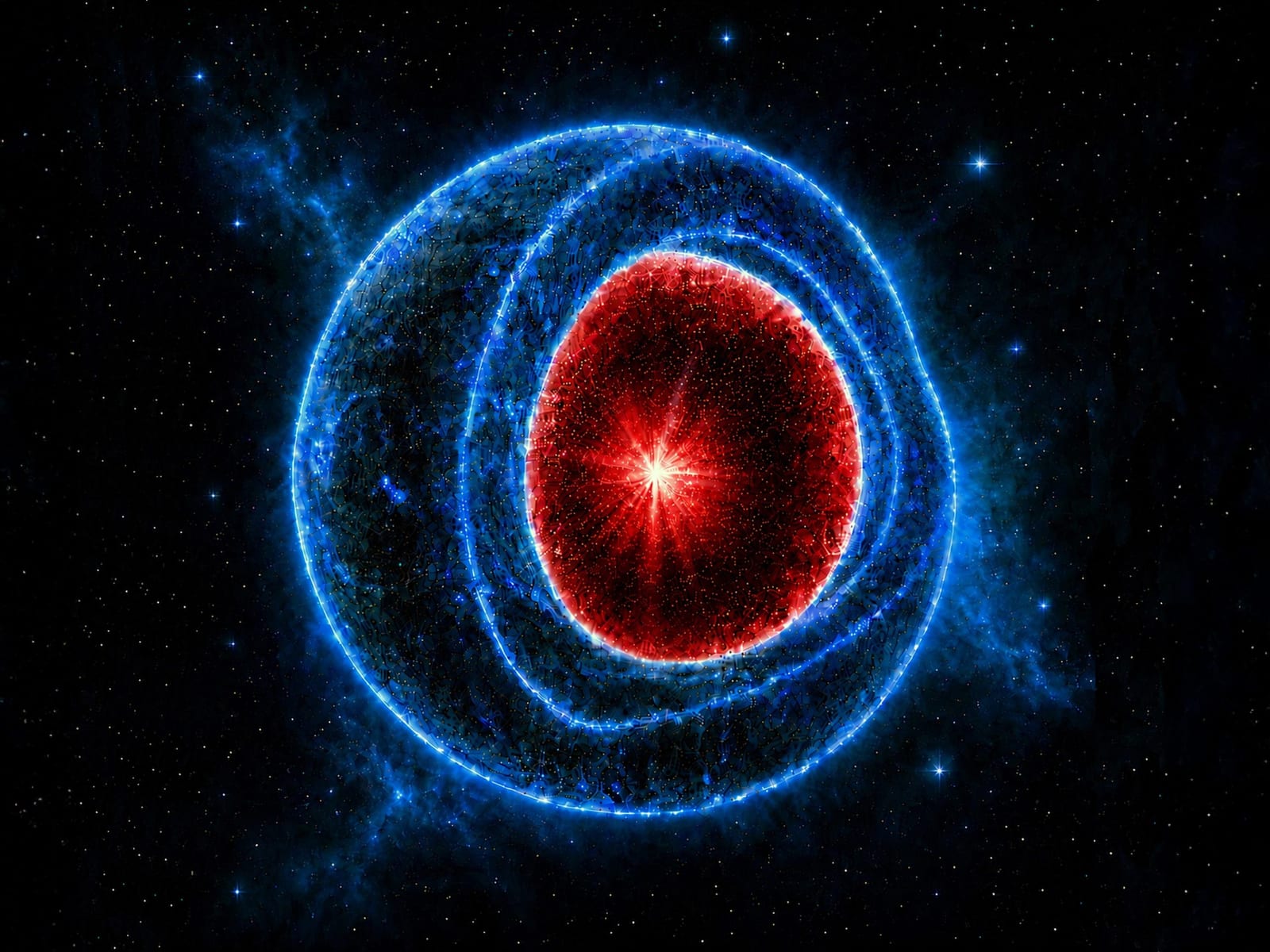
A Dying Star Could Create a Tiny New Universe Instead of a Black Hole
Theoretical physicists solved Einstein's equations and found that when a massive star collapses, the result may not be a black hole. Instead, a tiny expanding universe could be born inside, powered by dark energy.
The First Time Crystal You Can See With Your Own Eyes
Physicists at the University of Colorado Boulder created the first time crystal visible to the naked eye, using liquid crystals sandwiched between glass plates. The neon-hued stripes ripple periodically in time, not just space, and could enable anti-counterfeiting measures and new optical devices.
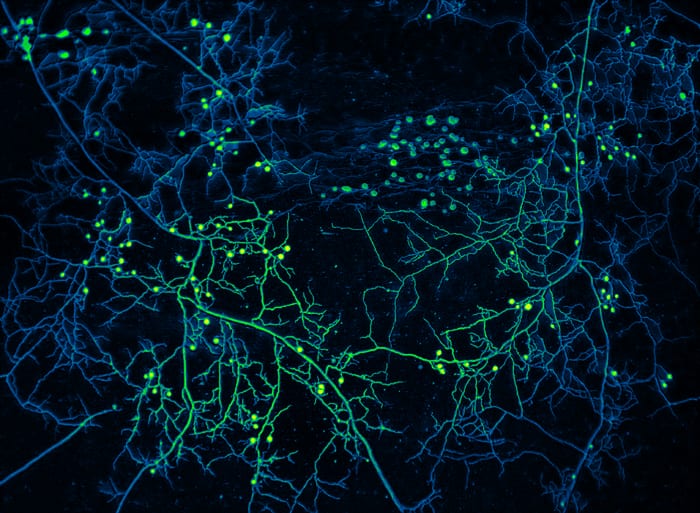
The Underground Fungal Superhighway: Mapped for the First Time
Beneath every ecosystem on Earth is a hidden circulatory system: complex networks of underground fungi that move carbon, nutrients, and water across the planet. Scientists just produced the first global map of this vast living infrastructure, and the numbers are staggering.
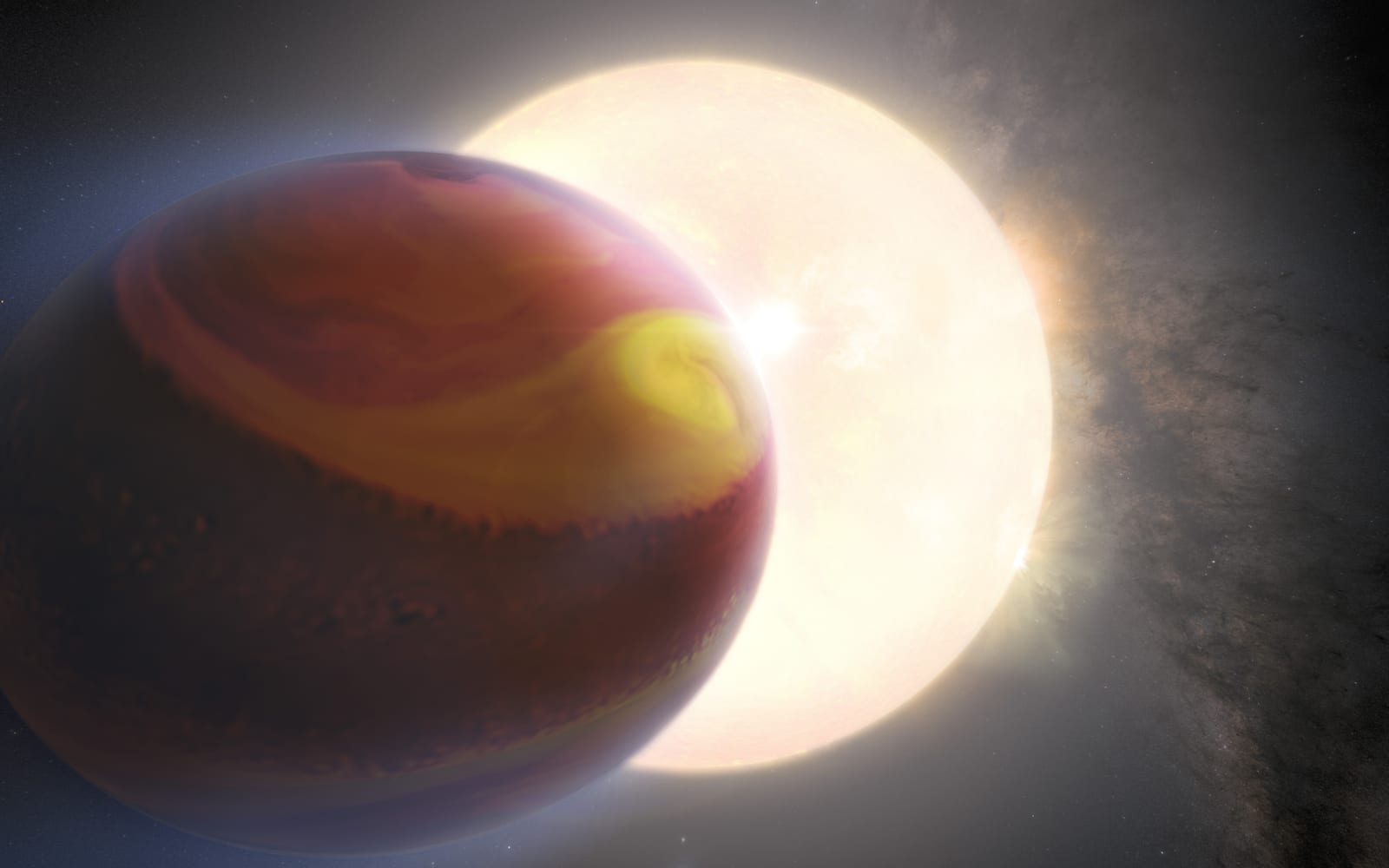
JWST Saw Dawn and Dusk on a Hellish Exoplanet. The Two Faces Could Not Be More Different.
JWST revealed dramatic differences between the permanent dawn and dusk regions of ultra-hot Jupiter WASP-121 b. Fierce winds make evening hundreds of degrees hotter than morning, water molecules are torn apart by the heat, and mineral clouds may shroud the cooler side.
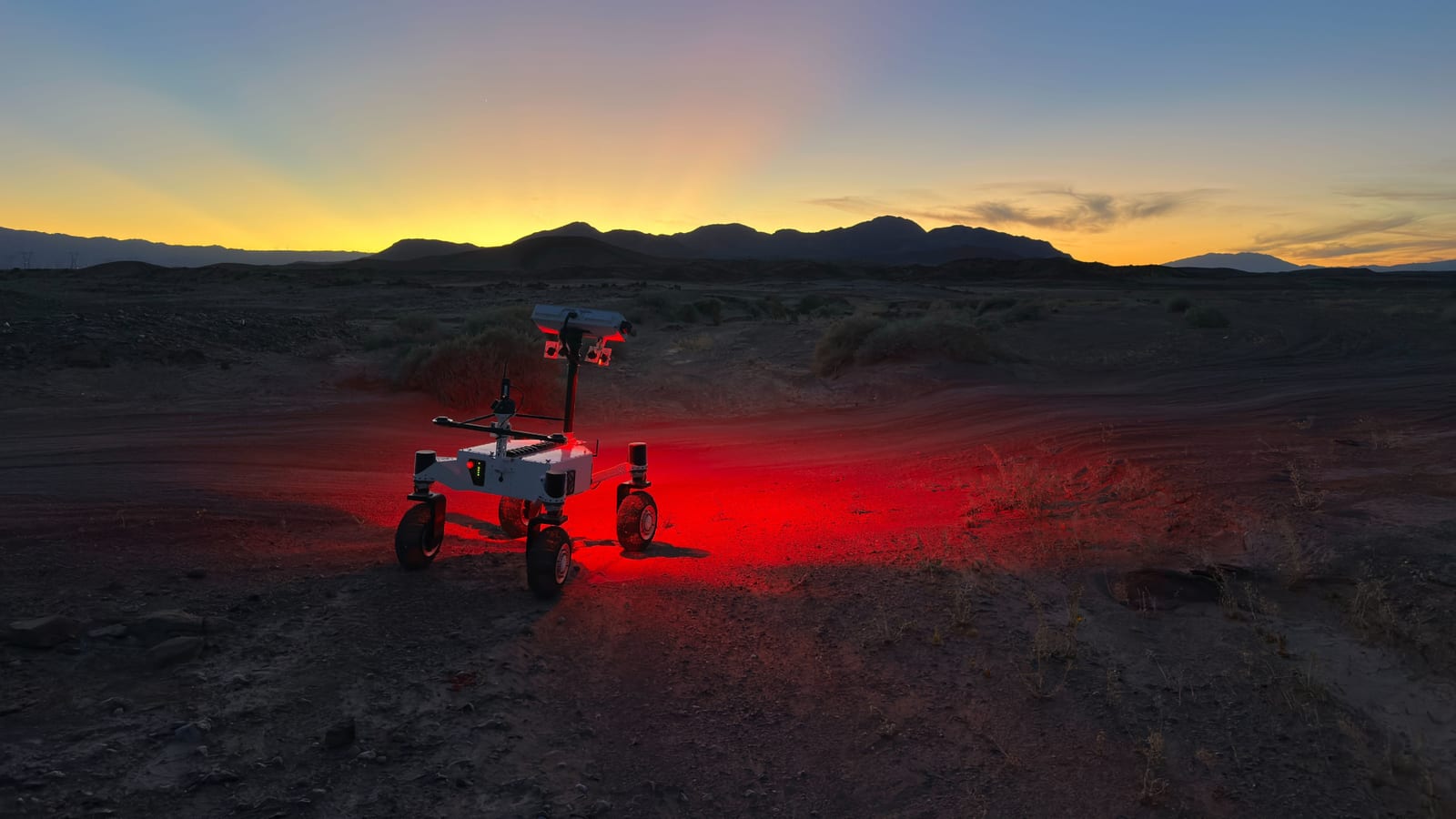
This NASA Rover Walks, Squirms, and Drives Sideways. It Just Finished a 16-Mile Desert Trek.
A four-wheeled prototype called ERNEST just drove 16 miles through the Colorado Desert at ten times the speed of any Mars rover, lifting its wheels over rocks and navigating the worst terrain by itself. The active suspension, reinforcement learning, and nighttime testing point to a future where rovers go farther and faster than anyone thought possible.

A Mars Meteorite Just Revealed a Mineral Nobody Knew Was There
Inside a fragment of Martian rock stored at the Royal Ontario Museum, researchers found grains of garnet, a mineral that had never been identified on Mars before. The discovery, published in Geochemical Perspectives Letters, opens a new window into the planet's 4.5-billion-year history.
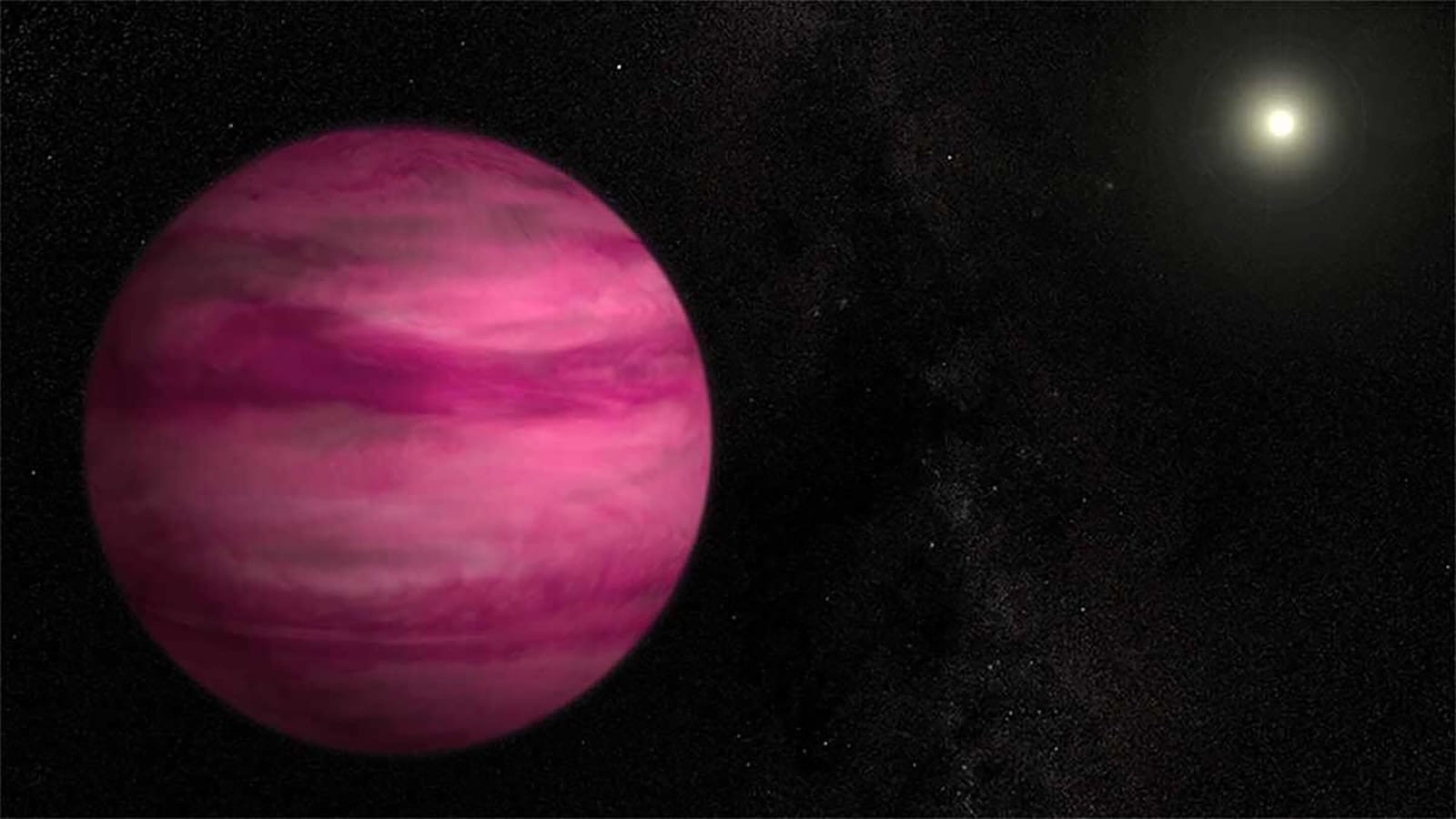
For a Decade, Astronomers Could Not Figure Out the Pink Planet. JWST Just Found Salt Clouds in Its Sky.
An exoplanet 57 light-years away has been too faint for ground-based telescopes to study since its discovery in 2013. The James Webb Space Telescope finally got a clean look and found something theorists predicted but had never confirmed: salt clouds.

For 100 Years, Scientists Could Not Explain Where Cosmic Rays Come From. Juno Just Watched Them Form.
In October 2023, NASA's Juno spacecraft crossed Jupiter's invisible bow shock and caught electrons moving near the speed of light. The discovery, published in Nature in June 2026, confirms a universal scaling law that connects particle acceleration in our solar system to the cosmic rays that stream across the galaxy.
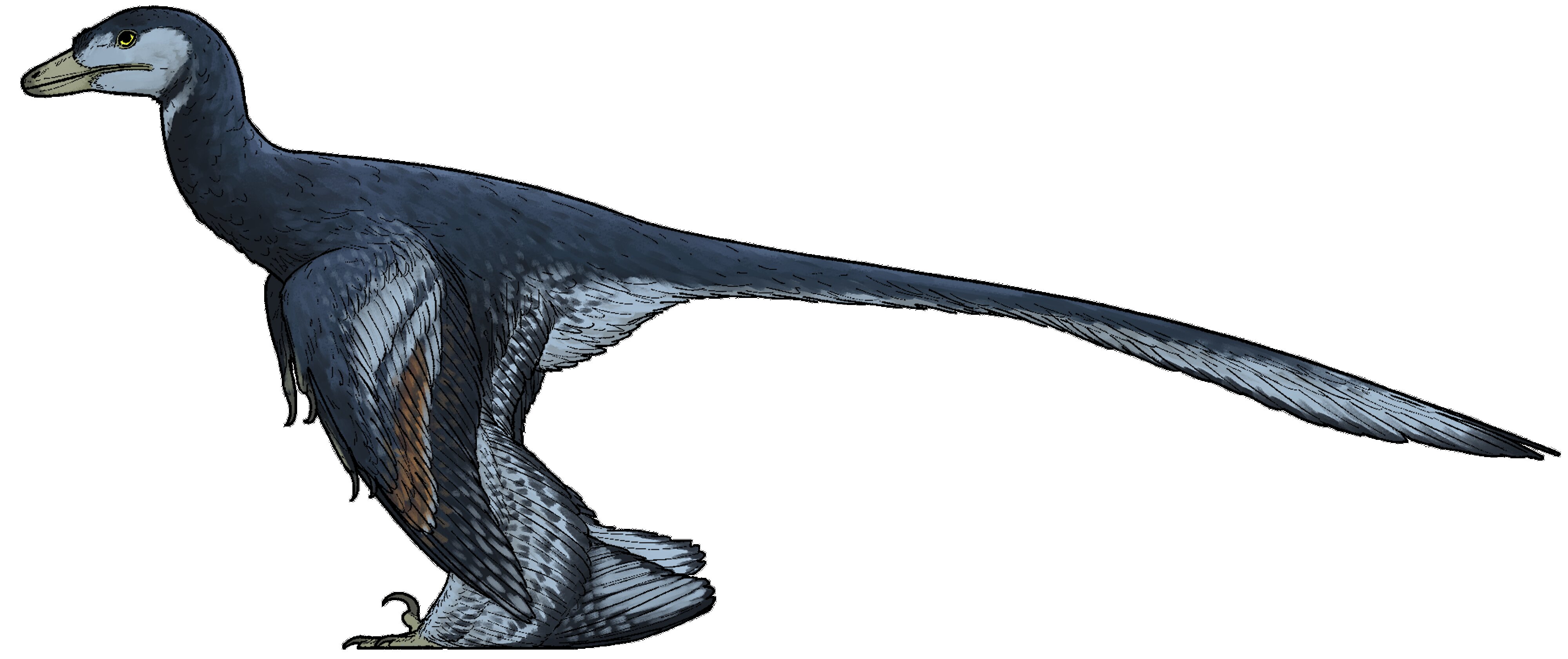
This Four-Winged Dinosaur Glided Like a Flying Squirrel. It Hunted Early Birds.
A fossil bed in China held hundreds of ancient birds and mysterious pellets of crushed bone. The missing predator that made them has finally been discovered: a feathered, four-winged cousin of Velociraptor named Jian changmaensis.
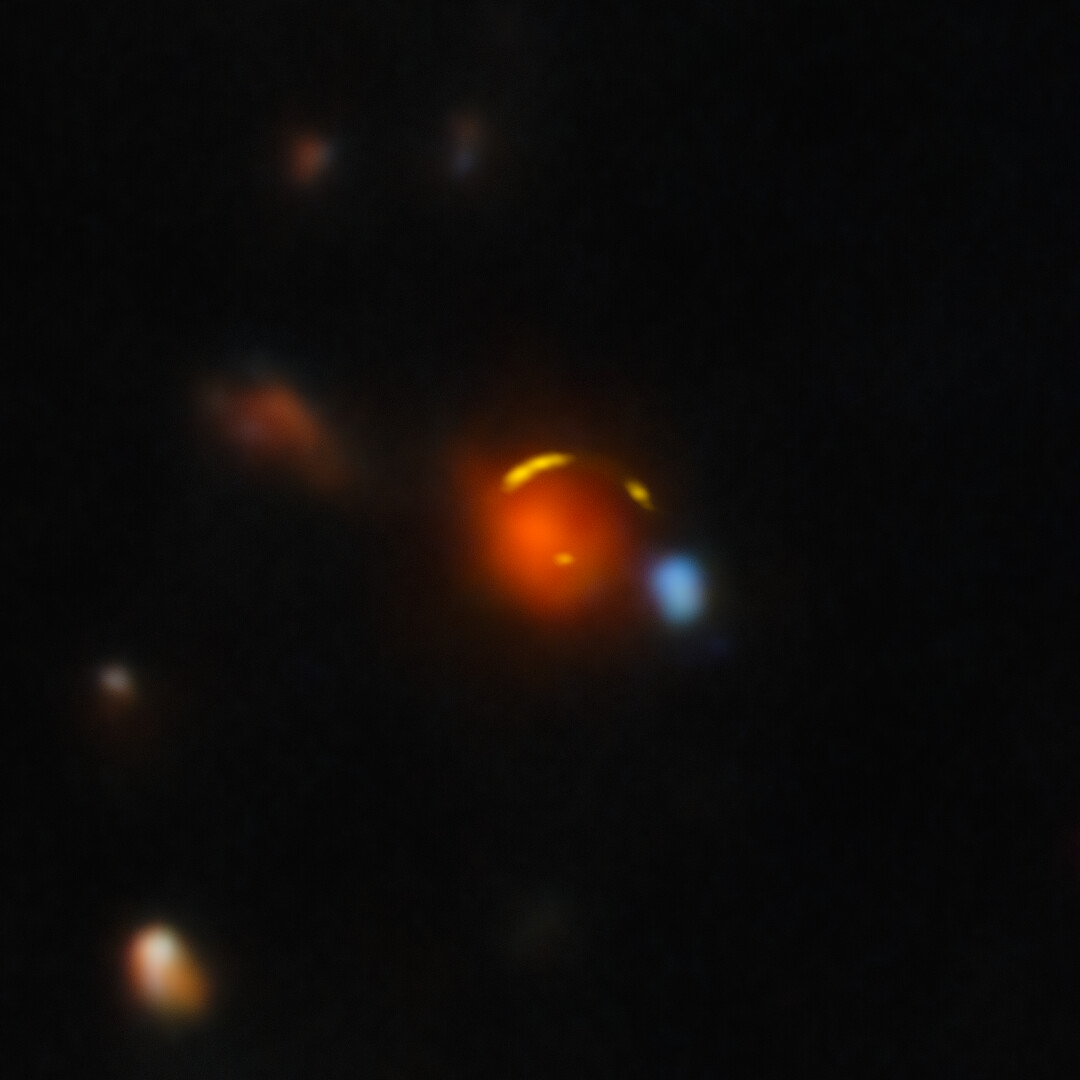
Scientists Expected a Black Hole. They Found a Neutrino Factory Powered by Stars.
A single neutrino detected at the South Pole in 2021 led astronomers to a dust-shrouded galaxy 11 billion light-years away. The galaxy, nicknamed Shadow Blaster, had no black hole at its core. Instead, it was forming stars so intensely that the dense gas was converting cosmic rays into ghost particles.
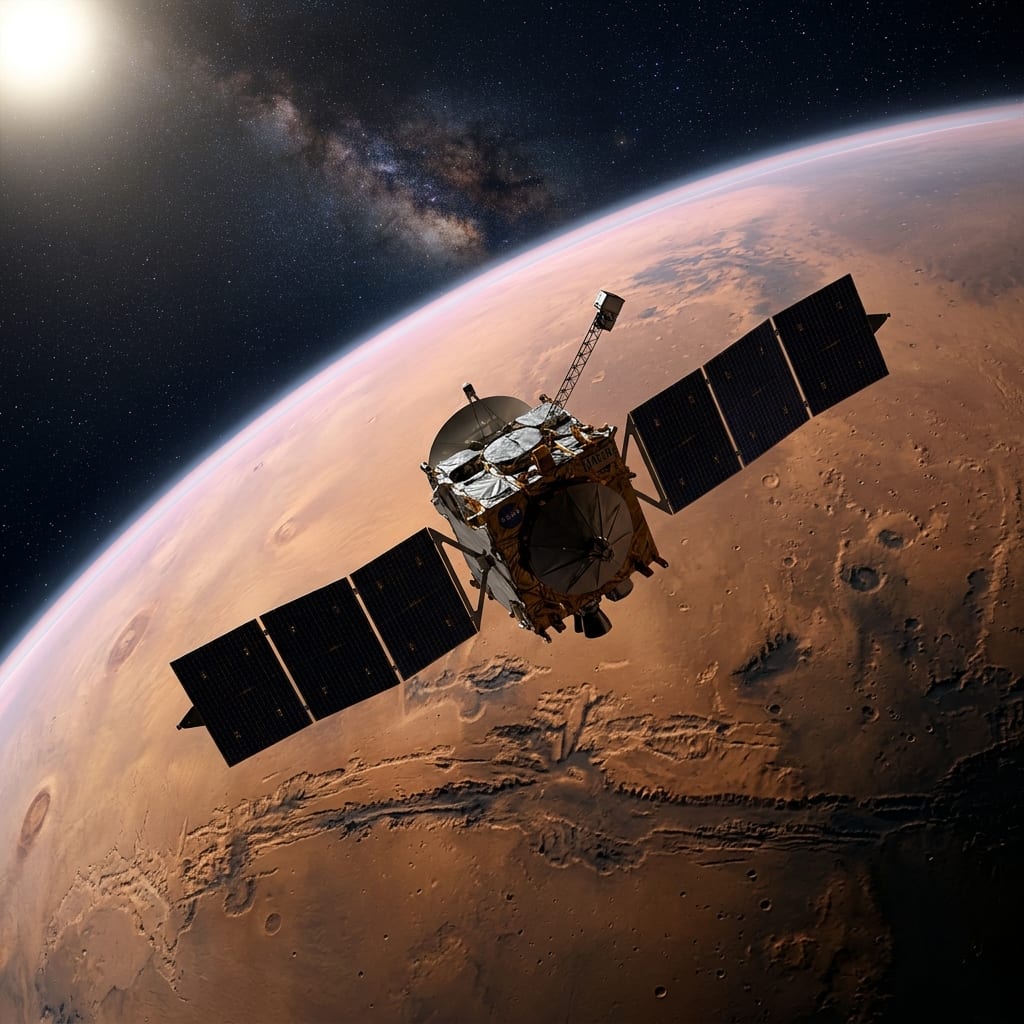
NASA's MAVEN Spacecraft Went Silent Over Mars. It Left Behind 11 Years of Discoveries.
After more than 11 years studying how Mars lost its atmosphere, NASA's MAVEN fell silent in December 2025. In June 2026, the agency said goodbye. The mission leaves behind over 800 papers, the first measurements of atmospheric sputtering on any planet, and a direct view of what happens when the Sun strips a world bare.
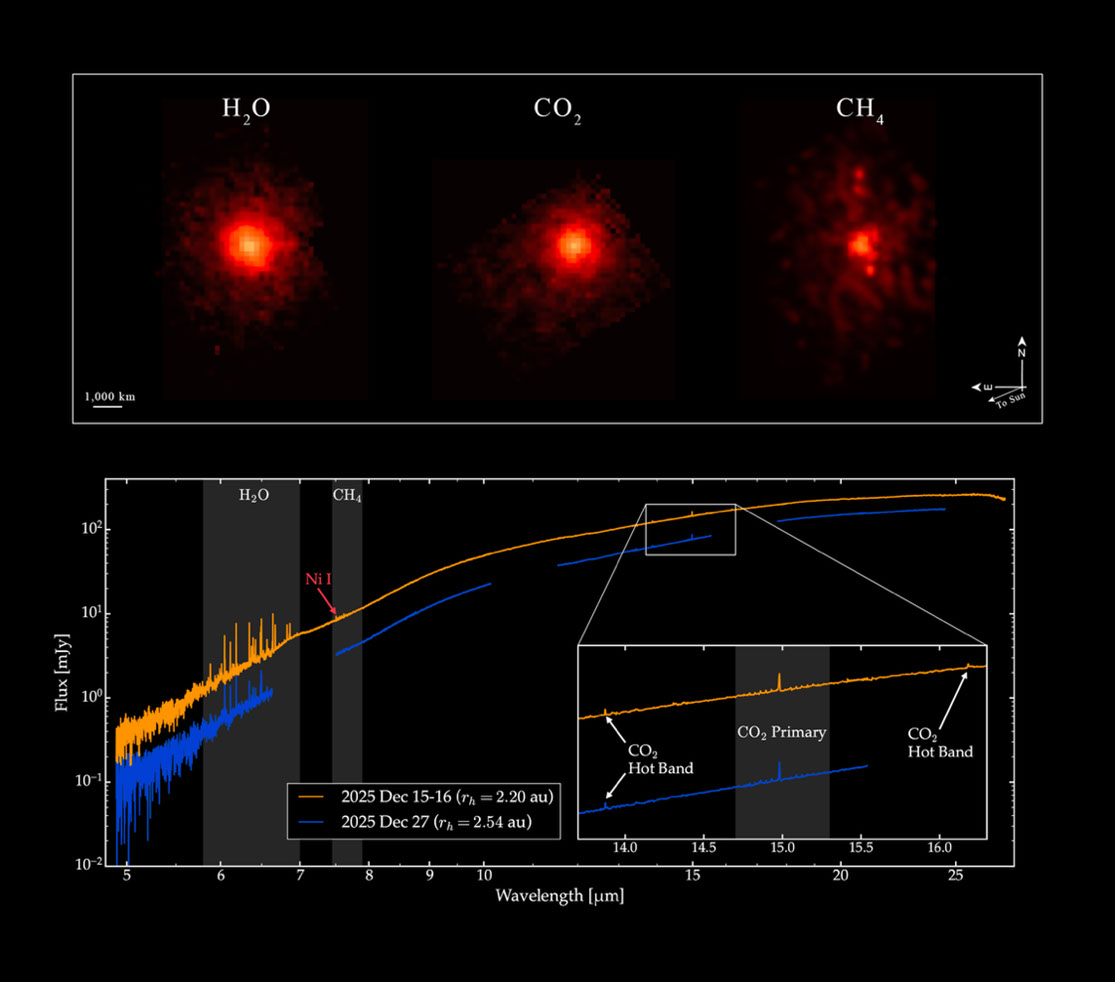
JWST Just Caught an Interstellar Comet Carrying Chemicals That Don't Match Our Solar System
More than a dozen NASA missions tracked 3I/ATLAS as it passed through. Webb's MIRI instrument caught the chemical fingerprint on the way out, and found methane buried under the surface ice, the first ever detected on an object from another star system.
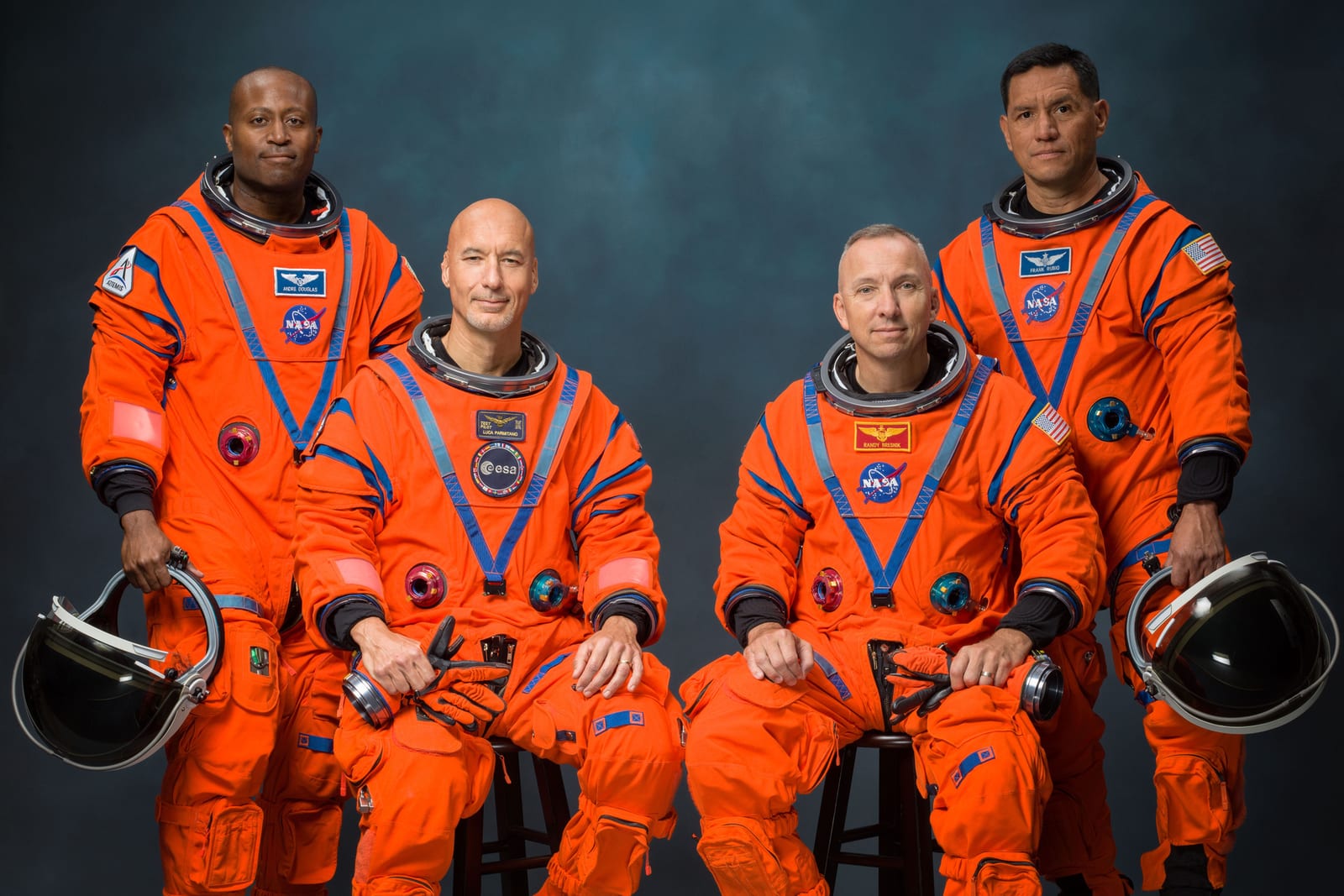
NASA Just Named the Crew That Will Clear the Path Back to the Moon
On June 9, 2026, NASA announced four astronauts who will fly the most complex human spaceflight mission in recent history. Their job is not to land on the Moon. It is to dock with two commercial lunar landers in Earth orbit and prove the choreography works before the next crew goes for the surface.
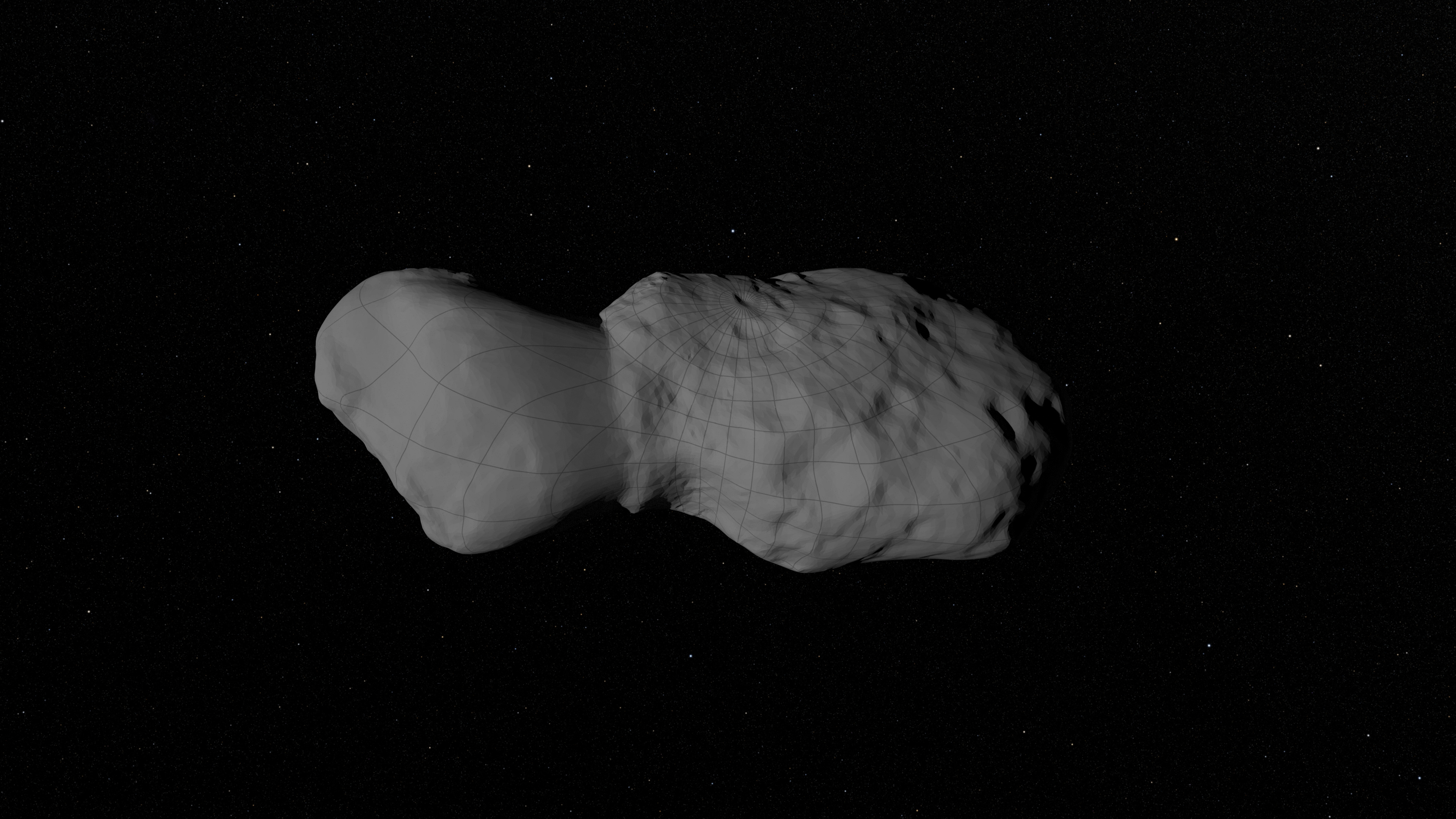
This Asteroid Tumbles Like a Badly Thrown Football. Scientists Just Figured Out Why.
NASA's Lucy spacecraft buzzed an asteroid called Donaldjohanson at 30,000 mph hoping to test its cameras. The data it brought back revealed a peanut-shaped rock wobbling on two axes at once, with clay minerals that still carry the chemical signature of ancient water.
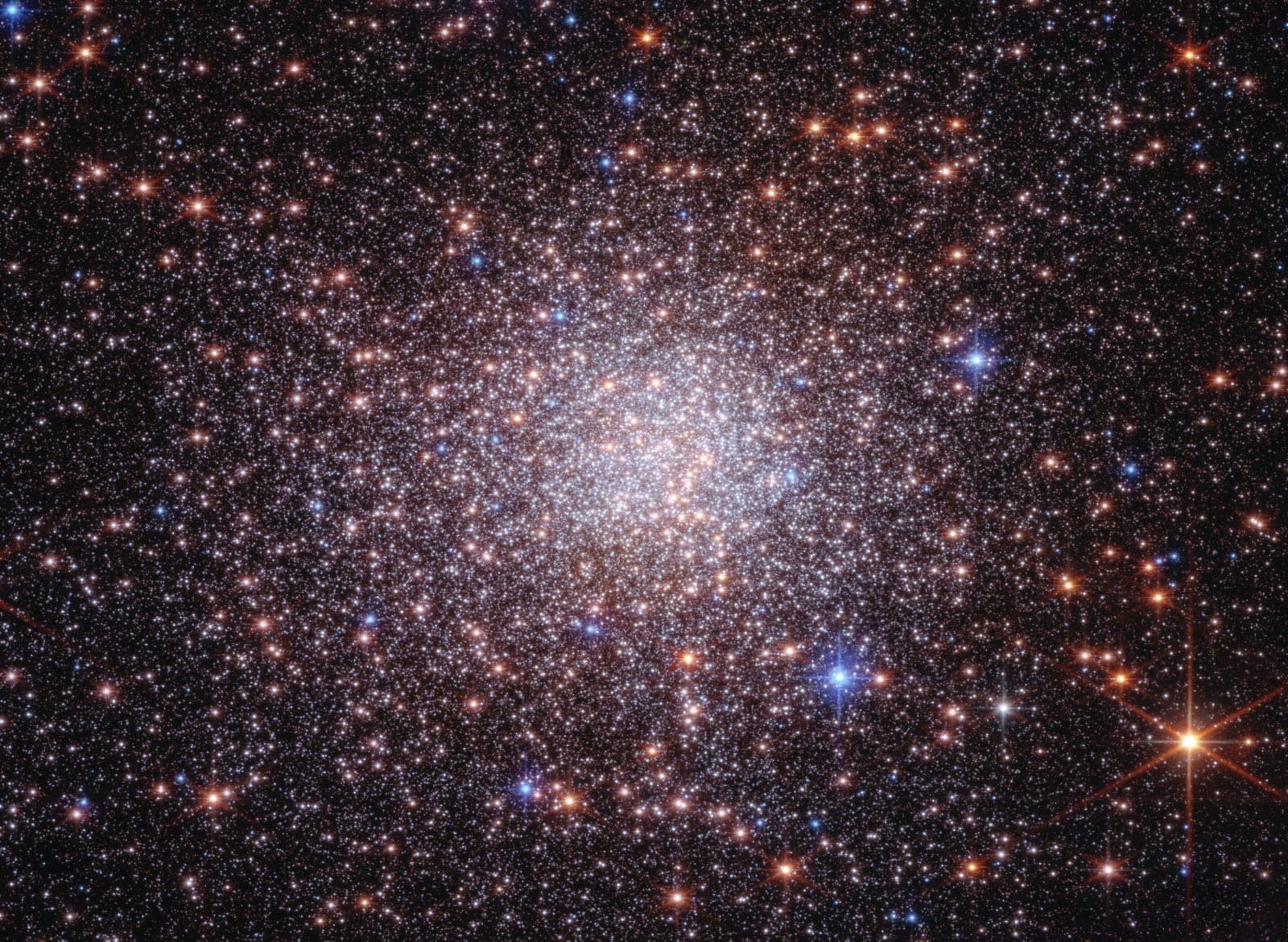
Astronomers Just Found a Fragment of the Galaxy's Birth Hiding in Plain Sight
A star cluster catalogued in 1968 was filed as a globular cluster and mostly ignored. Now Webb and Hubble have shown it contains four generations of stars born across 10 billion years, making it a surviving building block from the Milky Way's formation.
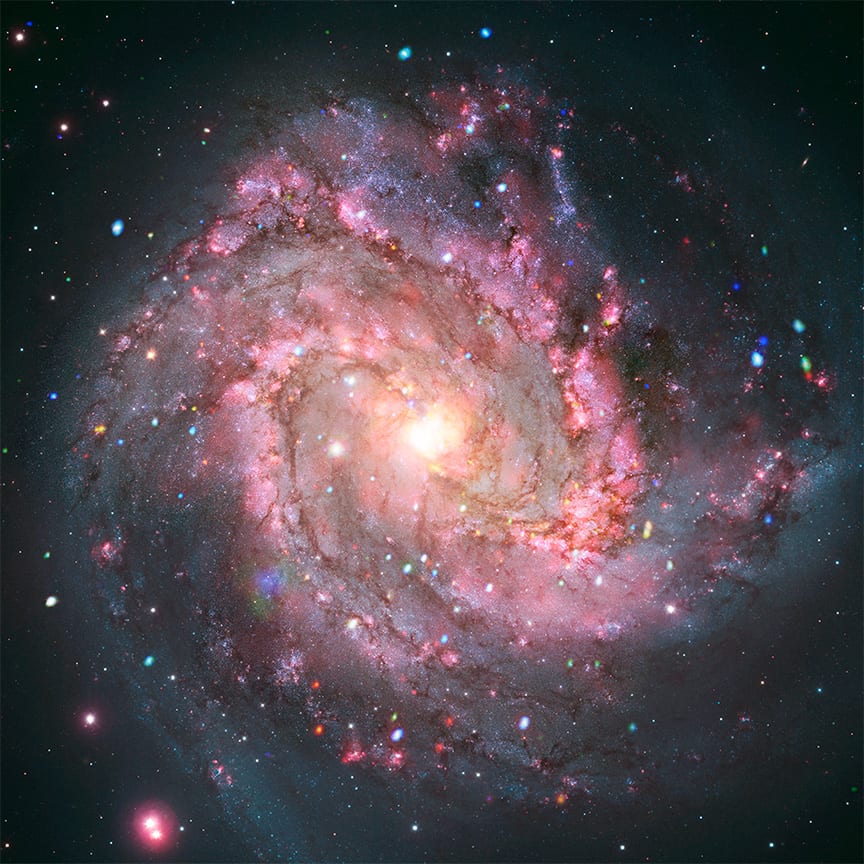
A Galaxy 15 Million Light-Years Away Is Putting On a Fireworks Show Nobody Expected
Supernova remnants are supposed to fade slowly after the explosion. But when astronomers watched the galaxy M83 for 14 years with NASA's Chandra X-ray Observatory, half of them started flickering instead.
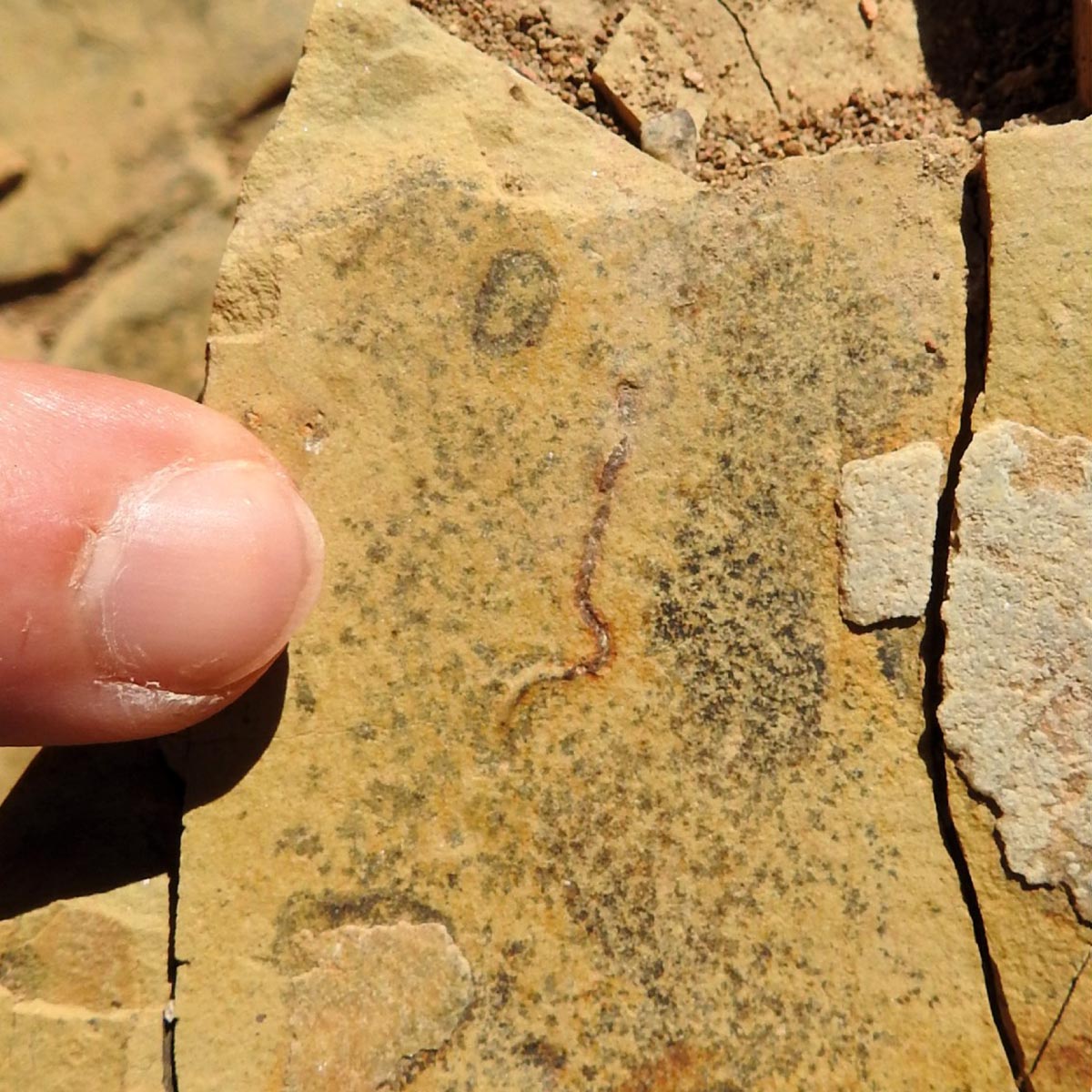
These 540-Million-Year-Old Fossils Were Thought to Be Animals. Then Scientists Looked Closer.
In 2017, researchers found tiny filaments in Brazilian rocks they thought were traces left by ancient worms. A new study using a particle accelerator says they were something else entirely: fossilized communities of bacteria and algae large enough to see without a microscope.
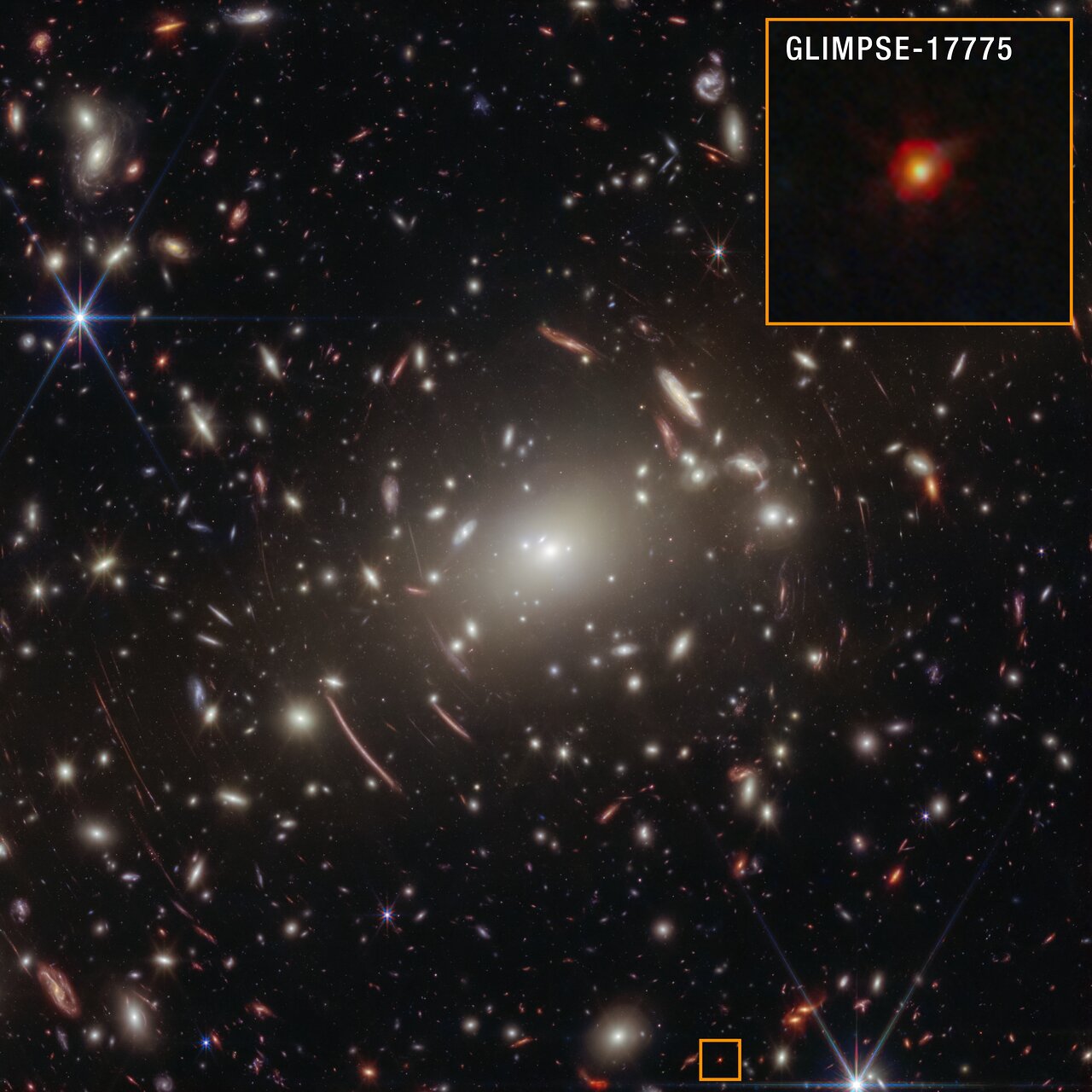
JWST Found These Little Red Dots in the Early Universe. They Were Black Hole Stars.
In 2022, JWST spotted mysterious red objects in the early universe that defied explanation. The deepest spectrum ever taken of one points to a new kind of object: a supermassive black hole wrapped in a dense cocoon of gas.
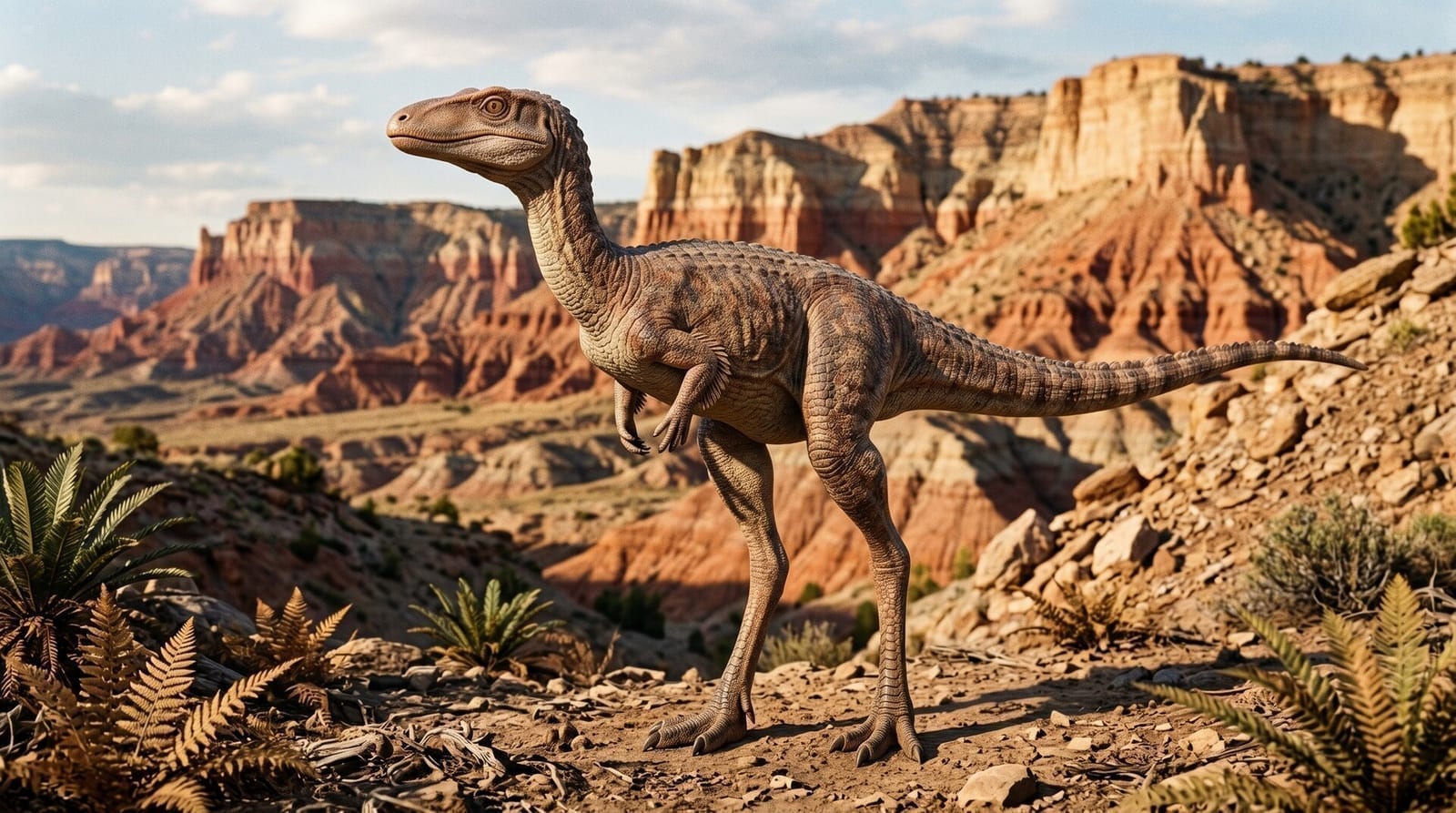
The Witch Croc: A Two-Legged, Toothless Crocodile Cousin from Triassic New Mexico
At Ghost Ranch, paleontologists found a bipedal, beaked crocodile relative that looked more like an ostrich than a reptile. They had been waiting 20 years for it.
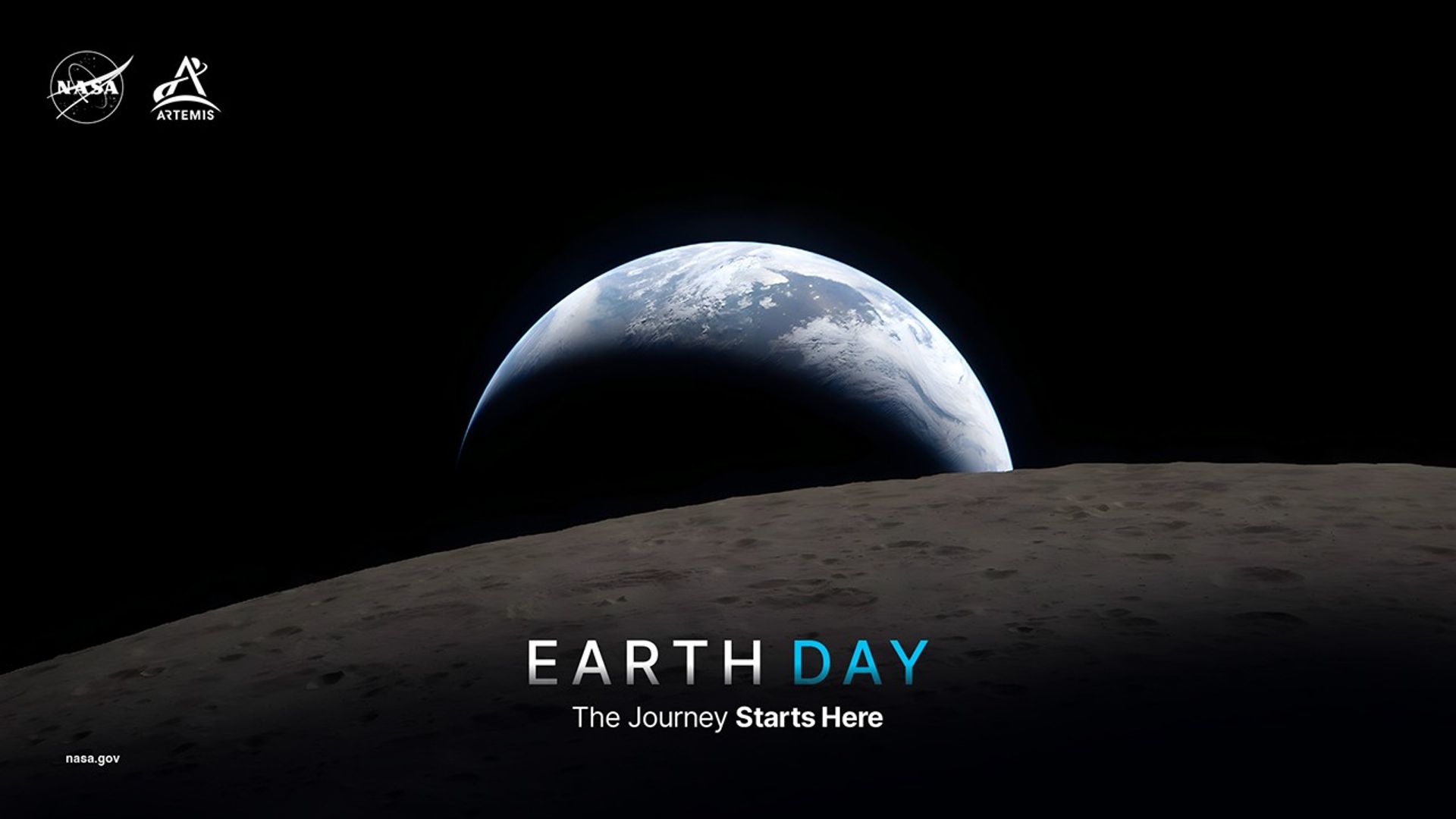
The New Earthrise: Artemis II Photographs Home
On April 6, 2026, the Artemis II crew watched Earth slide behind the Moon and captured a photo that echoes the 1968 Earthrise, moments before losing radio contact for 40 minutes.
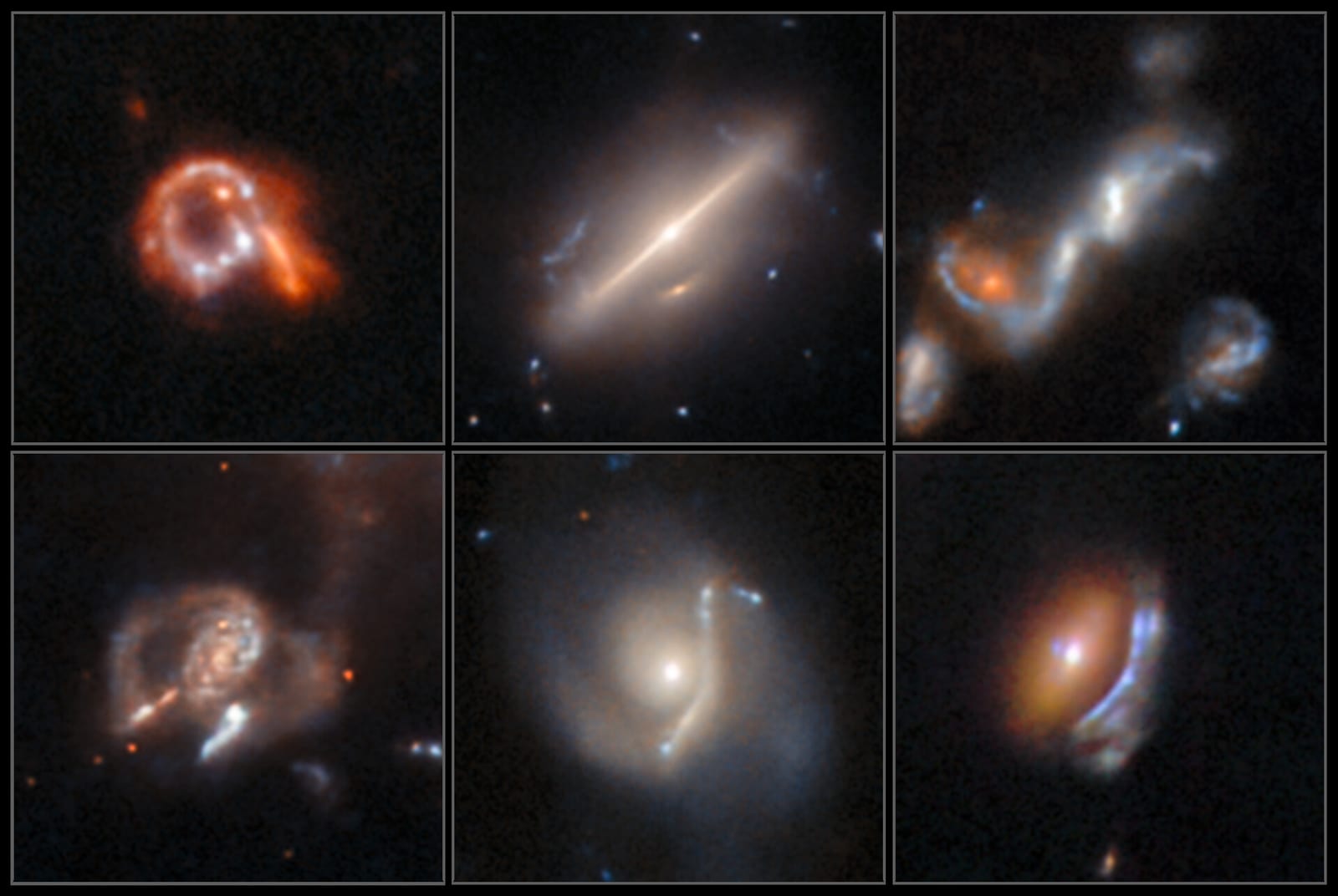
An AI Searched Hubble's Archive and Found 800 Things Nobody Had Seen
ESA researchers trained a neural network called AnomalyMatch on nearly 100 million Hubble image cutouts. In two and a half days it found more than 1,300 cosmic oddities, and over 800 were new to science.
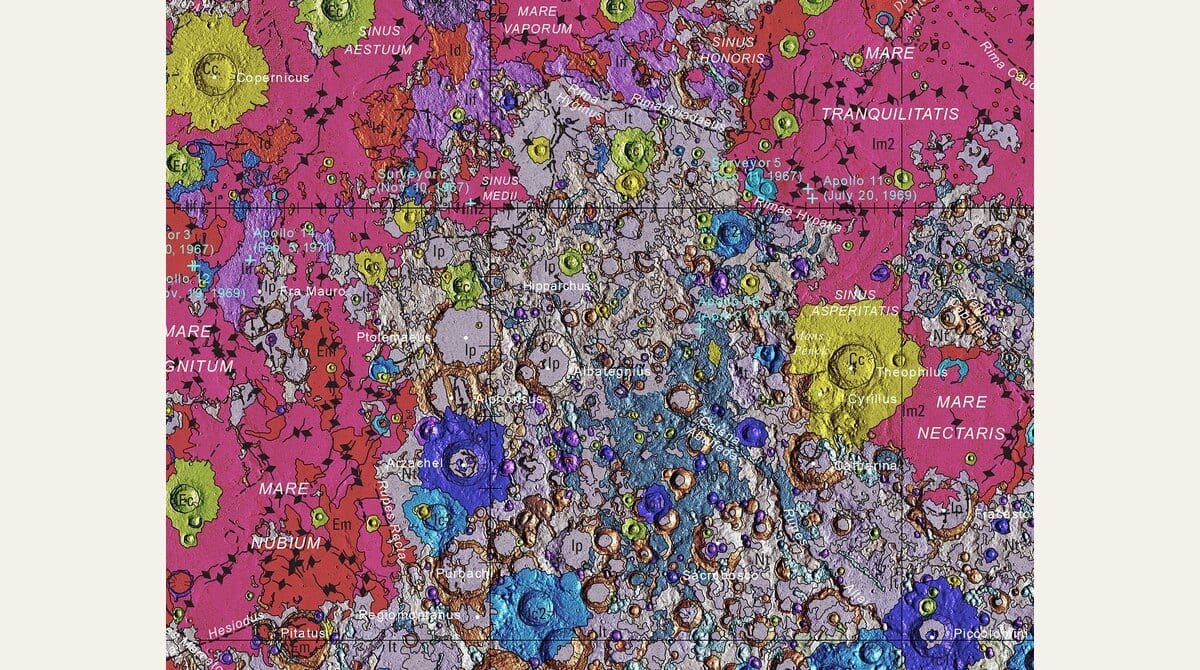
The Moon Map Made by Earth Geologists
USGS Astrogeology built a unified geologic map of the Moon, turning Apollo-era mapping and modern spacecraft data into one global reference.
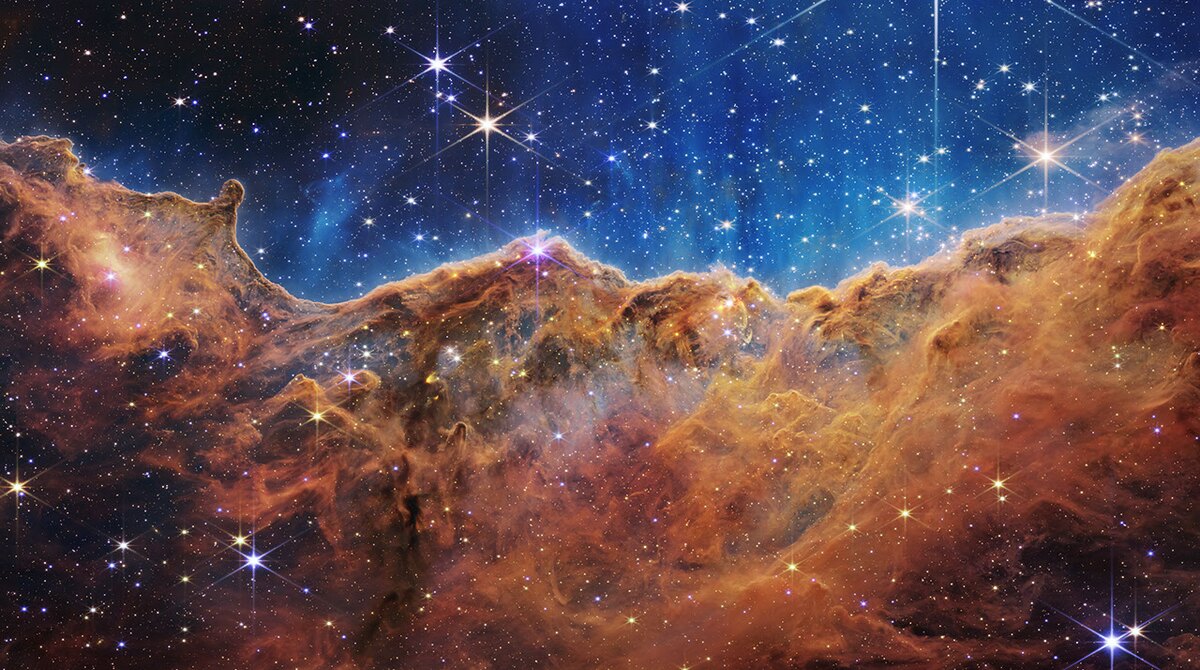
NASA's Astronomy Picture Archive Is a Curiosity Machine
The Astronomy Picture of the Day archive is more than a gallery. It is a long-running trail of cosmic micro-stories, but its image rights require care.
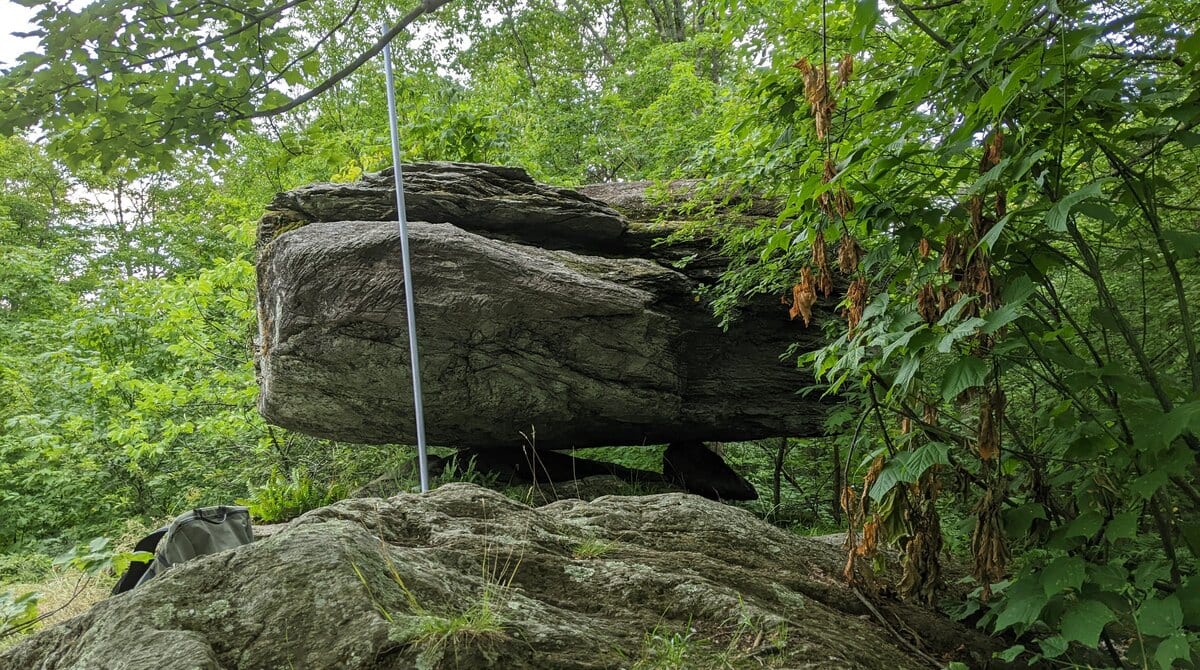
The Boulders That Remember Earthquakes
Precariously balanced rocks can help scientists test how hard the ground has shaken in the past, simply because they are still standing.