History and Archaeology: Reading the Buried Past With New Tools
The past does not change, but our ability to read it does. Ancient DNA now comes off cave walls that hold no bones. LiDAR strips away jungle canopy to reveal cities that stayed hidden for a thousand years. Particle accelerators re-examine fossils that scientists thought they had already classified. Impossible Universe's history and archaeology collection follows the tools and the people using them, from medieval Swedish churchyards to the deep time of the Late Jurassic. Use the links below to jump to a specific angle, or scroll through the full collection.
Reading the past from DNA
Ancient DNA used to mean bones. Now it can come from the walls themselves. In 2026, researchers recovered ancient human DNA directly from prehistoric cave walls and rock art at sites across Spain and Portugal, including from hand stencils and pigment samples at Altamira, Escoural, and Covaron caves, opening a way to study the people who made the art without disturbing a single skeleton. The same genetic toolkit is overturning assumptions about burial customs: a study of 142 people buried at three Swedish cemeteries between the 10th and 14th centuries showed that children laid beside adults in the same grave were rarely close relatives. Shared graves followed sex and community rules, not bloodlines. One woman, buried with a pilgrim shell from Santiago de Compostela, had her parents, brother, and daughters resting in other parts of the same churchyard.

In Medieval Swedish Graves, Children Were Buried With Adults Who Weren't Their Family. DNA Just Proved It.
Ancient DNA from 142 people buried at three Swedish cemeteries between the 10th and 14th centuries shows that children laid beside adults in the same grave were rarely close relatives. At Västerhus, Sigtuna, and Fjälkinge, shared graves followed sex and community rules rather than family ties, and one woman known as Lady 56, buried with a pilgrim shell from Santiago de Compostela, had her parents, brother, and daughters resting in other parts of the churchyard.
Scientists Pulled Ancient Human DNA From Cave Walls for the First Time
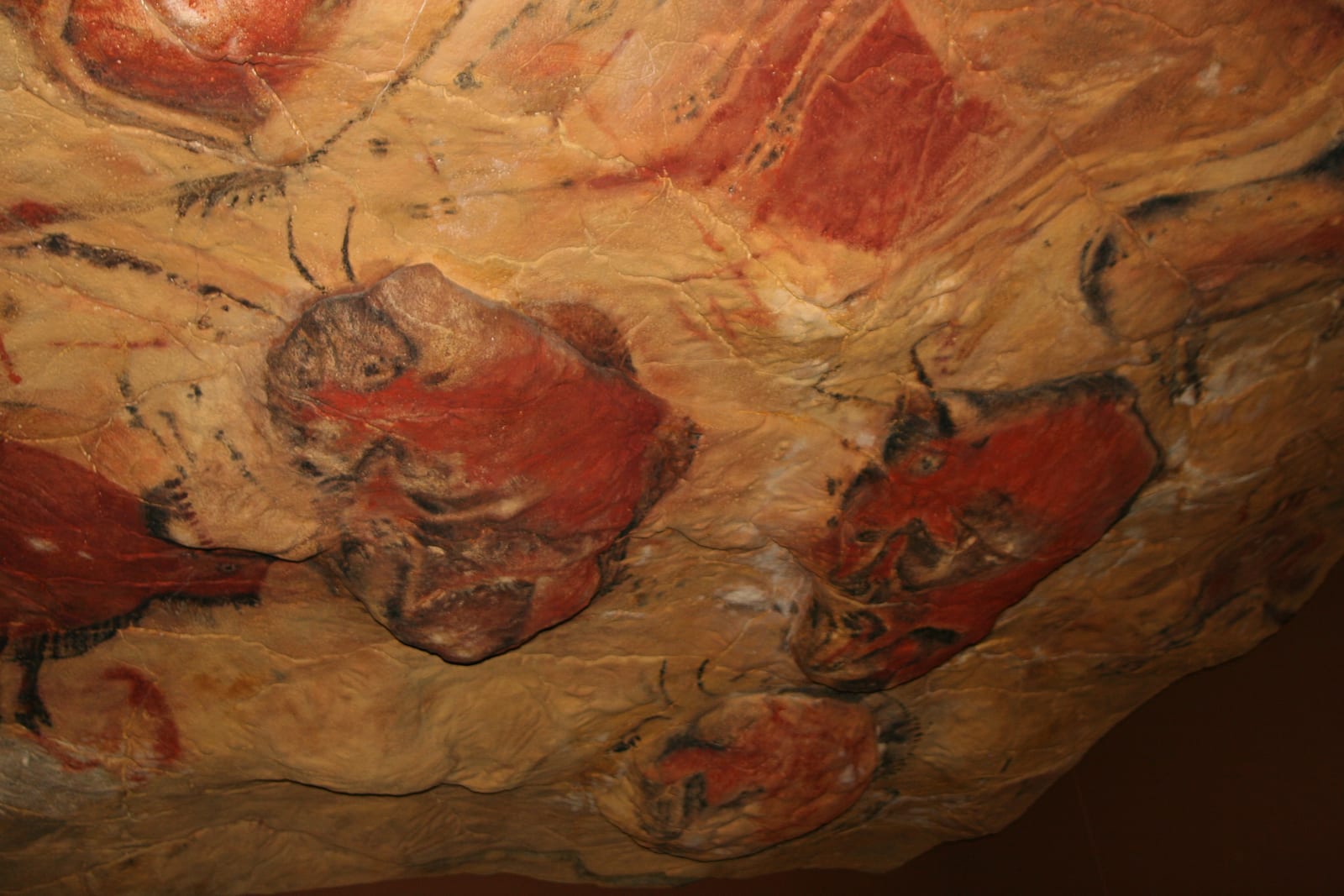
For the first time, researchers recovered ancient human DNA directly from prehistoric cave walls and rock art at sites across Spain and Portugal, including from hand stencils and pigment samples at Altamira, Escoural, and Covaron caves. The discovery opens the possibility of genetically identifying the Ice Age artists who created the world's oldest known paintings.
Deep time, new eyes
Some of the biggest rewrites come from looking again at old finds. Tiny filaments in 540-million-year-old Brazilian rocks were described in 2017 as traces left by ancient worms. A new study using a particle accelerator showed they were something else entirely: fossilized communities of bacteria and algae, large enough to see without a microscope. The same spirit of re-examination applies to whole animals. Bicharracosaurus dionidei, a 65-foot herbivore from the Late Jurassic of Patagonia, carries features from two major sauropod lineages, the brachiosaurids and the diplodocids, and is the first brachiosaurid ever found from the Jurassic of South America, filling a long-standing gap in the fossil record.
These 540-Million-Year-Old Fossils Were Thought to Be Animals. Then Scientists Looked Closer.
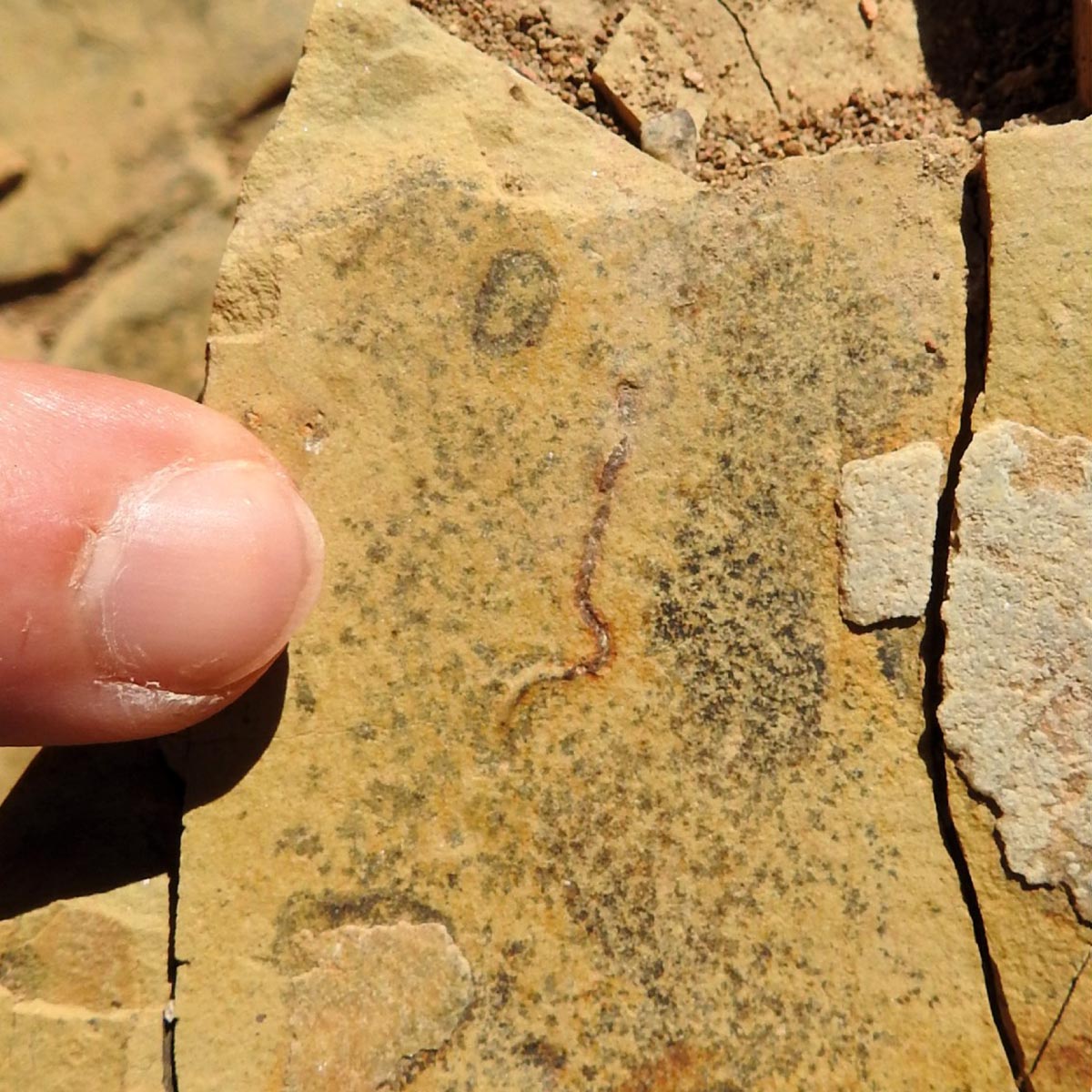
In 2017, researchers found tiny filaments in Brazilian rocks they thought were traces left by ancient worms. A new study using a particle accelerator says they were something else entirely: fossilized communities of bacteria and algae large enough to see without a microscope.
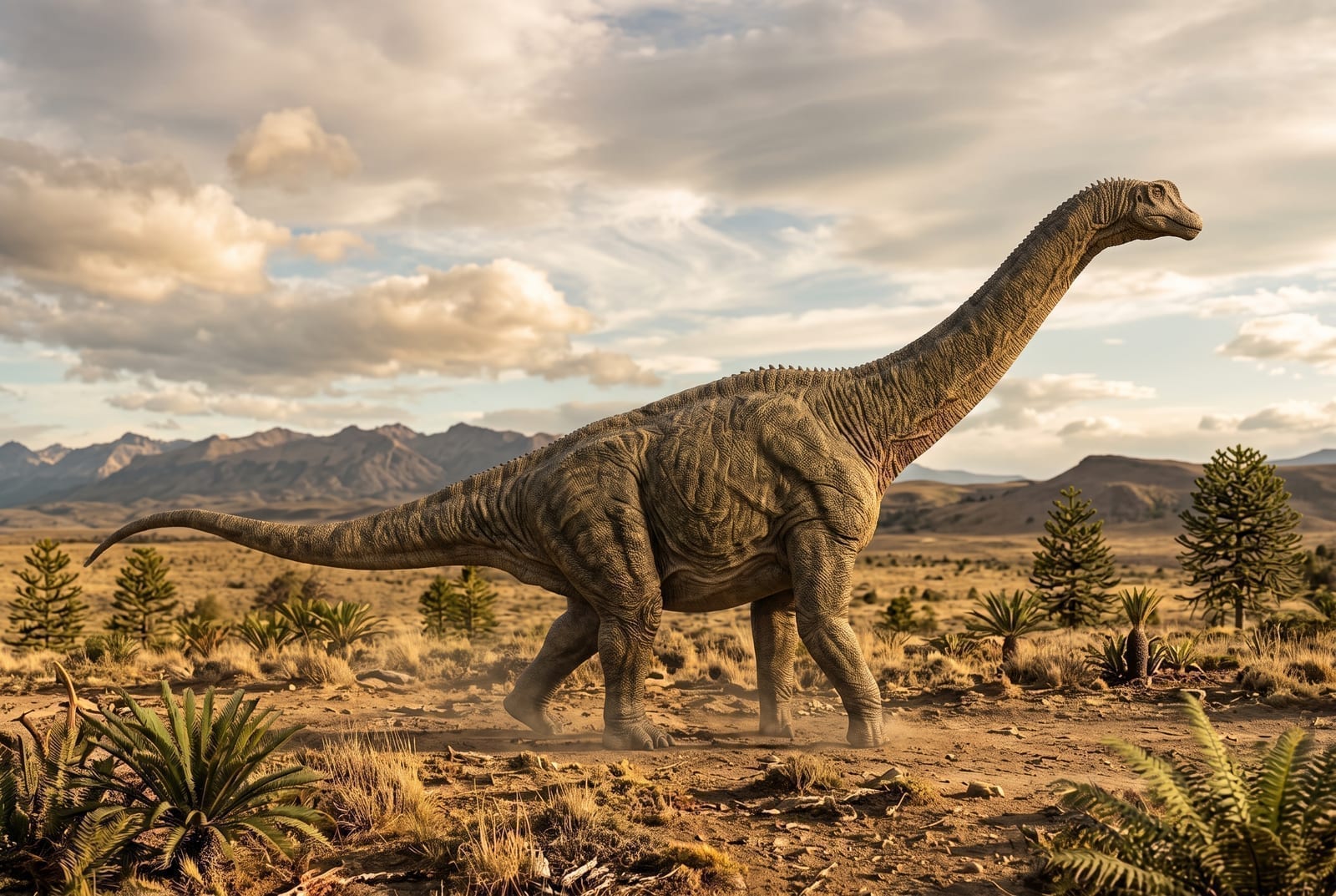
A 65-Foot Dinosaur Found in Argentina Blends Brachiosaurus and Diplodocus Features Into One Puzzle
A new species of sauropod dinosaur discovered in Patagonia, Bicharracosaurus dionidei, carries a mix of features from two major dinosaur lineages: the brachiosaurids and the diplodocids. The 65-foot herbivore from the Late Jurassic is the first brachiosaurid ever found from the Jurassic of South America, filling a long-standing gap in the fossil record.
Lost cities, found
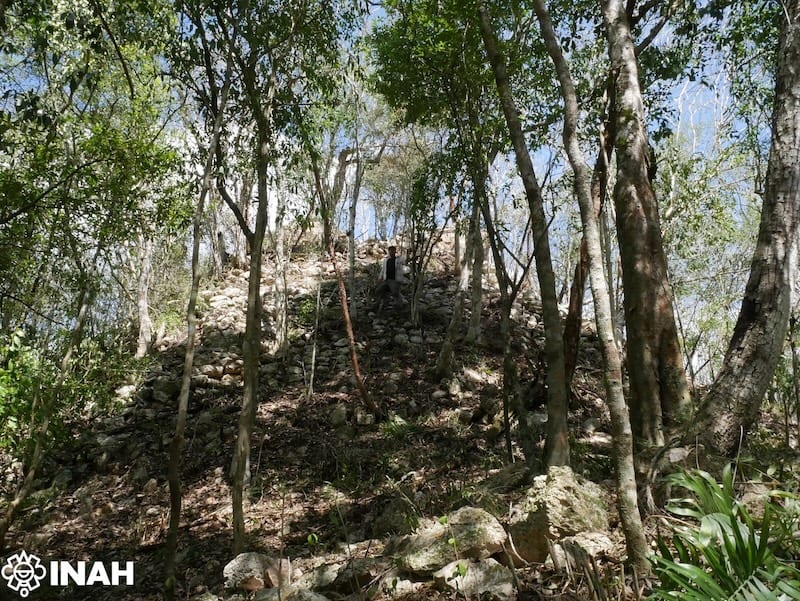
Some discoveries were always there, just out of sight. In June 2026, archaeologists announced Minanbé, a Maya city hidden for more than 1,000 years in the Calakmul Biosphere Reserve of Campeche, Mexico. LiDAR scans first revealed a monumental core of roughly 15 hectares with plazas, palaces, terraces, and a water management system. On the ground, the team found a pyramid temple more than 13 meters tall in the Río Bec style, 14 carved stelae and altars, and a monument recording the date 5 Ajaw, or AD 849. There were no signs of looting anywhere on the site. The same combination of remote sensing and patient field work is how much of modern archaeology now begins.