Telescopes and Space Missions
Every observation that reveals something new about the universe begins with a tool: a telescope, a spacecraft, a rover, or a detector array. Impossible Universe's collection of observatories and missions covers the human-built machines that make discovery possible, from the iconic space telescopes that have rewritten astronomy textbooks to the robotic explorers venturing beyond the solar system. Use the links below to jump to a specific category, or scroll through the full collection.
Flagship space telescopes
The most powerful observatories ever built operate above Earth's atmosphere, free from the distortion and absorption that limits ground-based astronomy. NASA's Nancy Grace Roman Space Telescope, launching August 30, 2026, will map a billion galaxies and discover thousands of exoplanets. JWST continues to reveal the early universe and the chemistry of exoplanet atmospheres. Hubble, after more than three decades, is still making discoveries thanks to AI-powered searches of its archive. Chandra watches the X-ray universe. Euclid maps dark energy across cosmic time. And TESS, in an unexpected feat, found its first planet using gravitational microlensing, a technique that was never part of its original design.
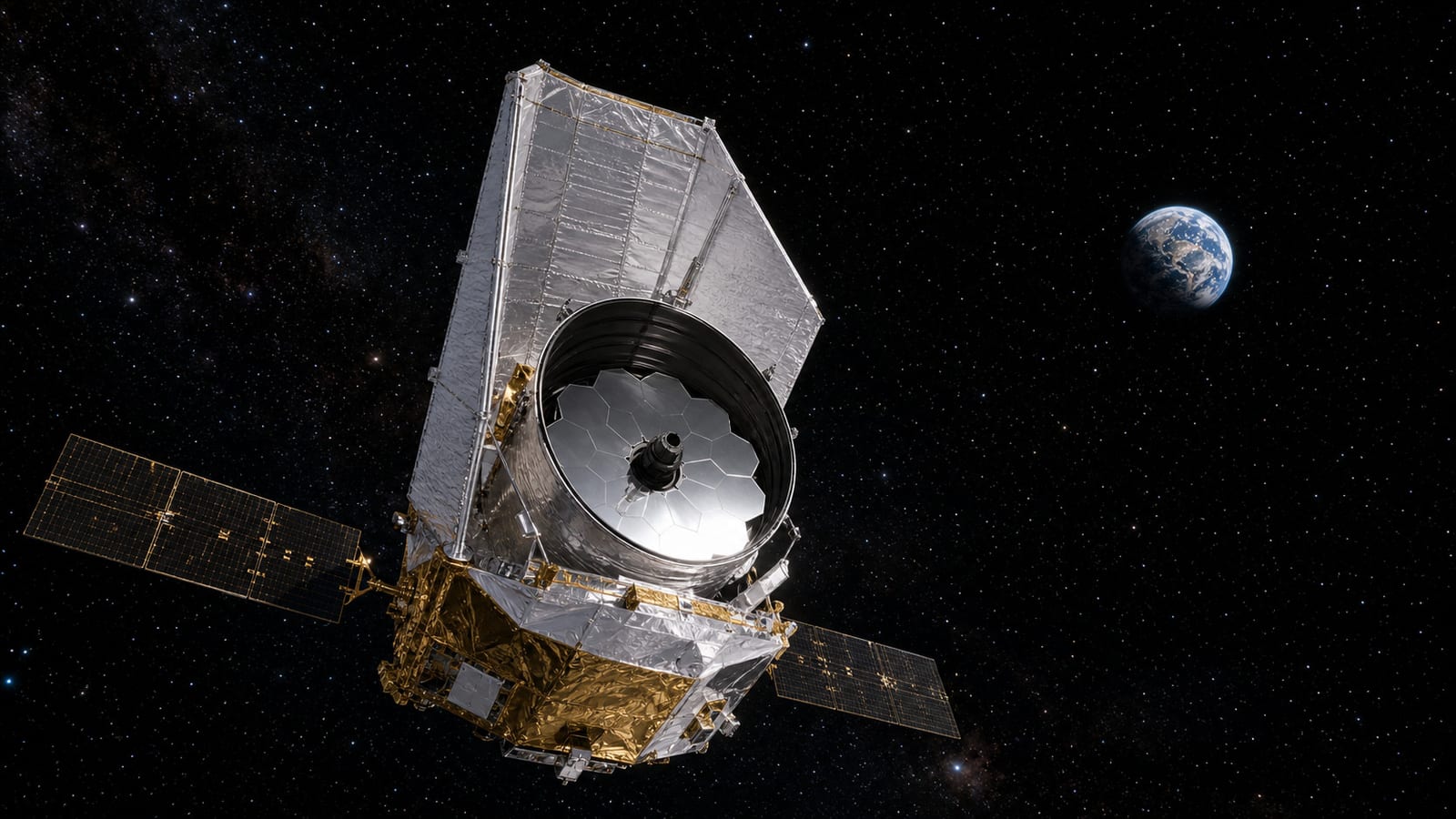
NASA's Roman Space Telescope Launches in 36 Days. It Will Map a Billion Galaxies and Find Thousands of New Worlds.
The Nancy Grace Roman Space Telescope, NASA's next flagship astrophysics observatory, launches August 30 aboard a SpaceX Falcon Heavy. With a field of view 100 times larger than Hubble, a billion-galaxy dark energy survey, and a coronagraph that could pave the way to imaging Earth-like planets, Roman is built to answer questions no existing telescope can touch.
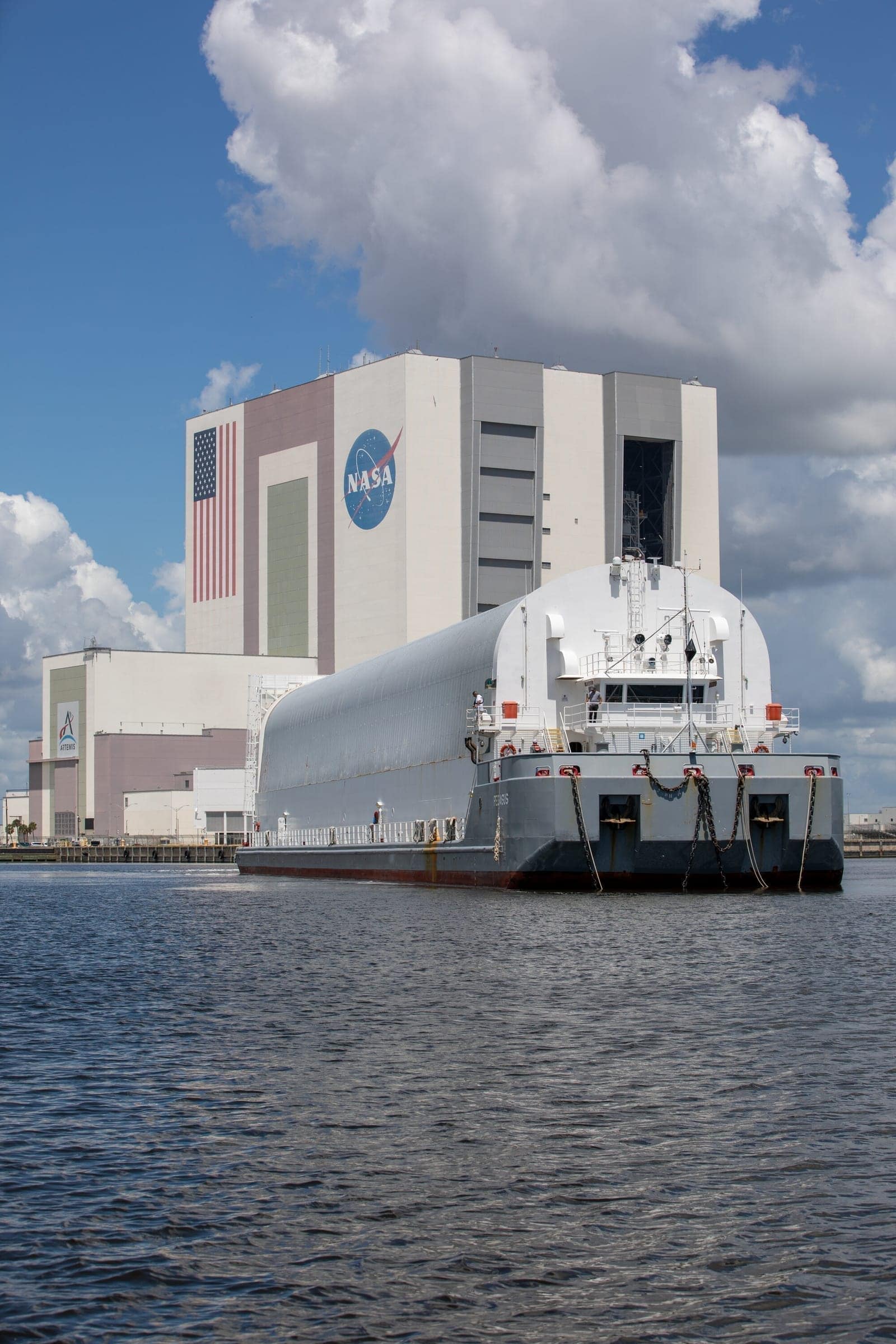
NASA's Next Flagship Telescope Just Arrived in Florida. It's Launching 8 Months Ahead of Schedule.
The Nancy Grace Roman Space Telescope arrived at Kennedy Space Center on June 21 aboard the Pegasus barge after an eight-day journey from Maryland. With a field of view 100 times larger than Hubble and a launch date of August 30, 2026, the observatory is eight months ahead of schedule and will survey a billion galaxies.
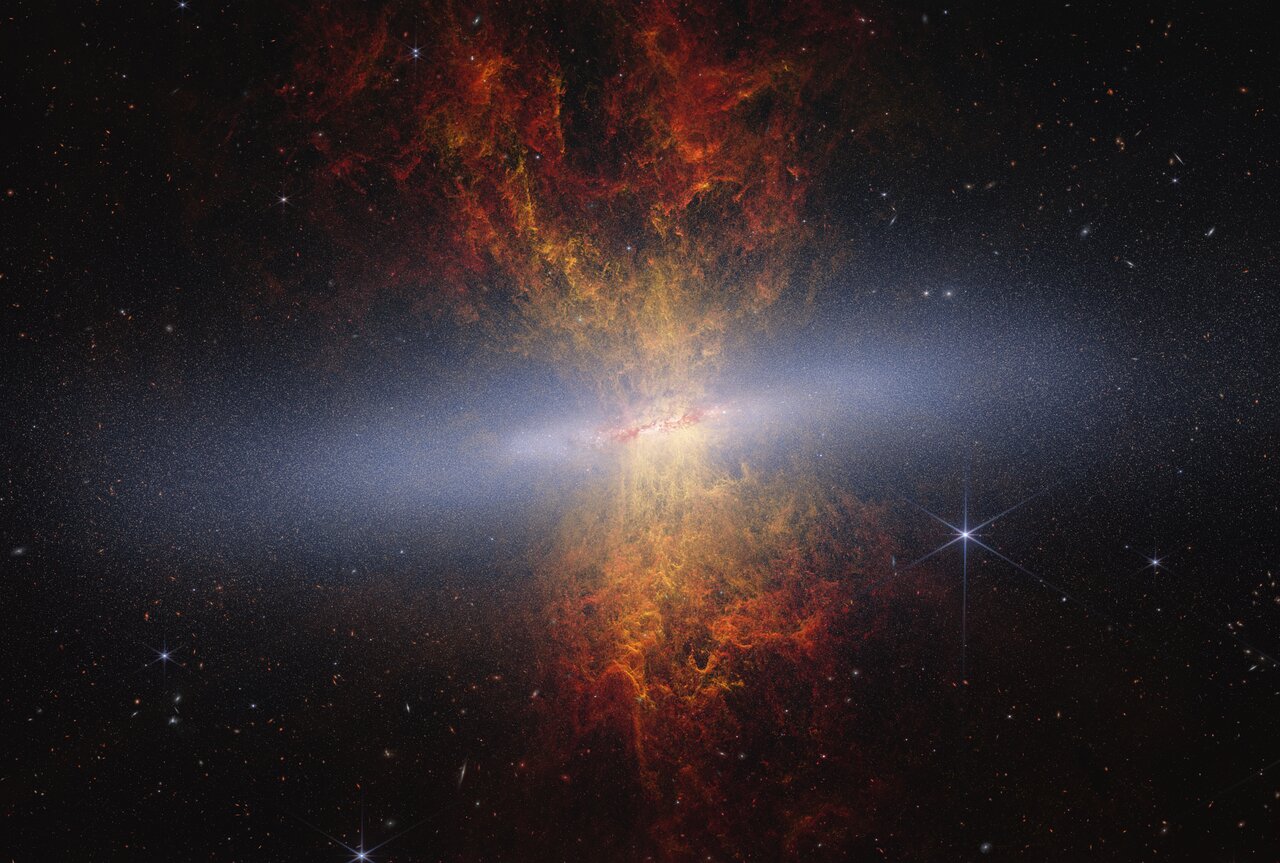
Webb Peered Into the Cigar Galaxy and Found 16.5 Million Stars Hidden Behind the Dust
Scientists aimed NASA's James Webb Space Telescope at starburst galaxy M82 for 65 hours. The near-infrared view pierced through thick dust and resolved 16.5 million individual stars, revealing the Cigar Galaxy's hidden formation history.
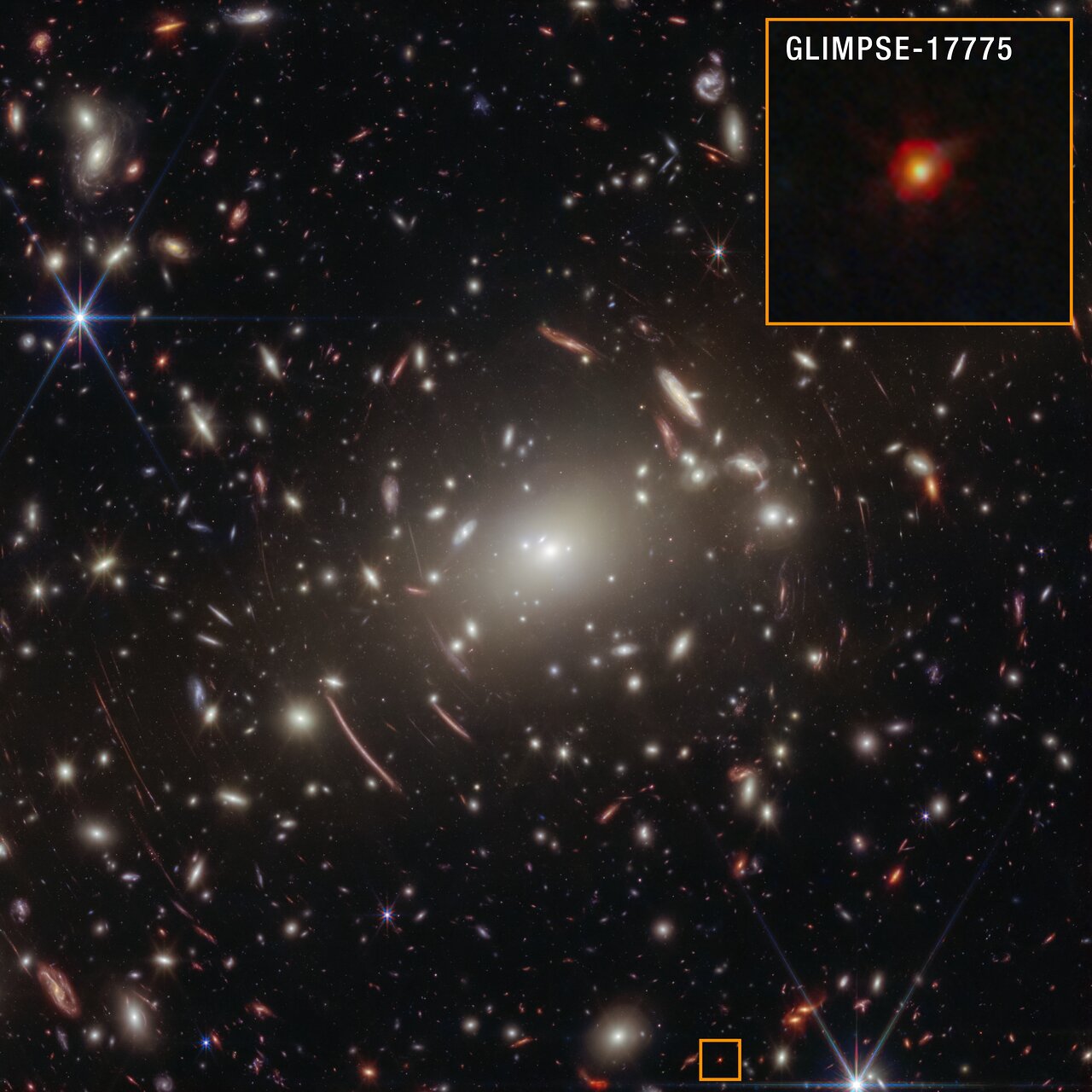
JWST Found These Little Red Dots in the Early Universe. They Were Black Hole Stars.
In 2022, JWST spotted mysterious red objects in the early universe that defied explanation. The deepest spectrum ever taken of one points to a new kind of object: a supermassive black hole wrapped in a dense cocoon of gas.
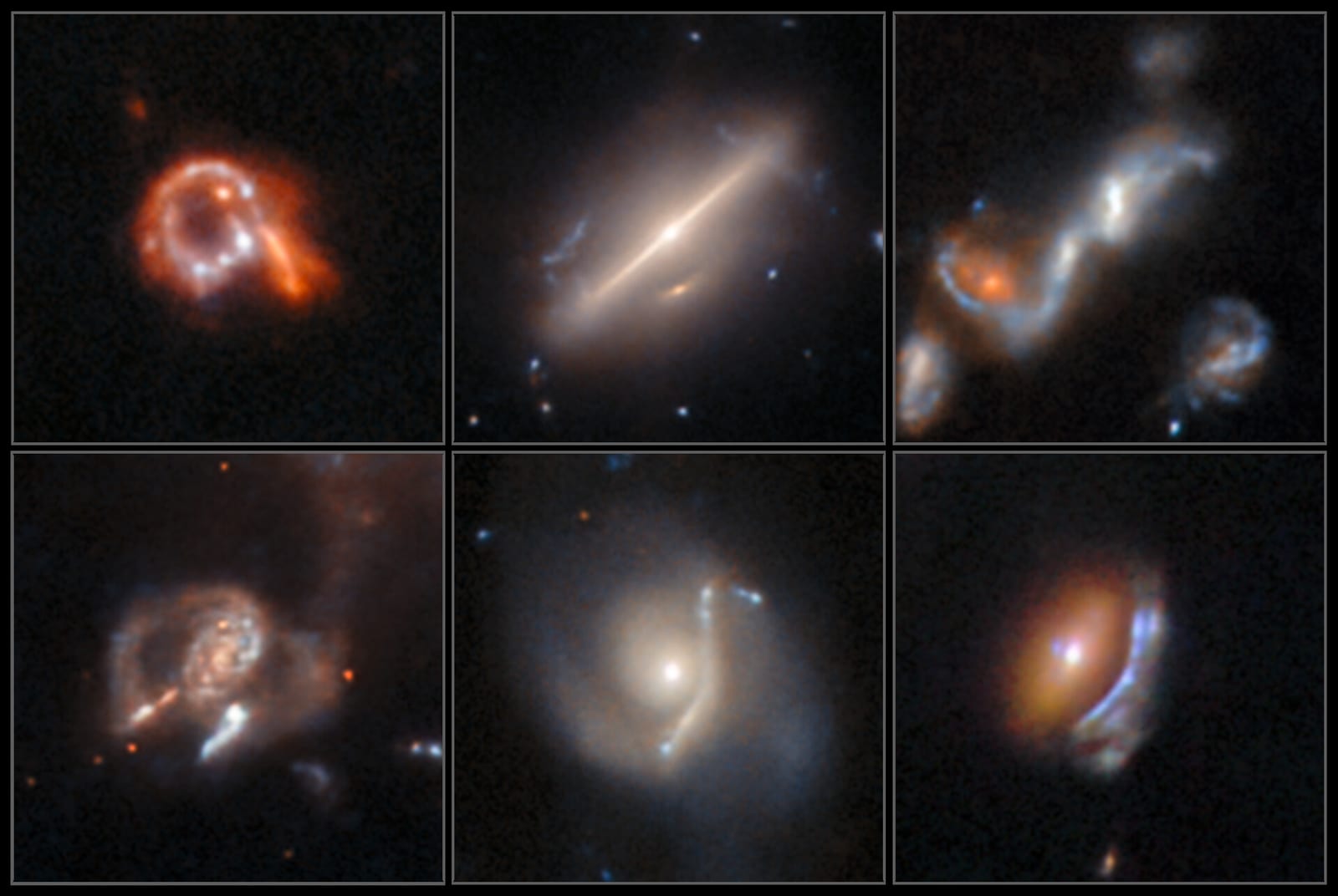
An AI Searched Hubble's Archive and Found 800 Things Nobody Had Seen
ESA researchers trained a neural network called AnomalyMatch on nearly 100 million Hubble image cutouts. In two and a half days it found more than 1,300 cosmic oddities, and over 800 were new to science.
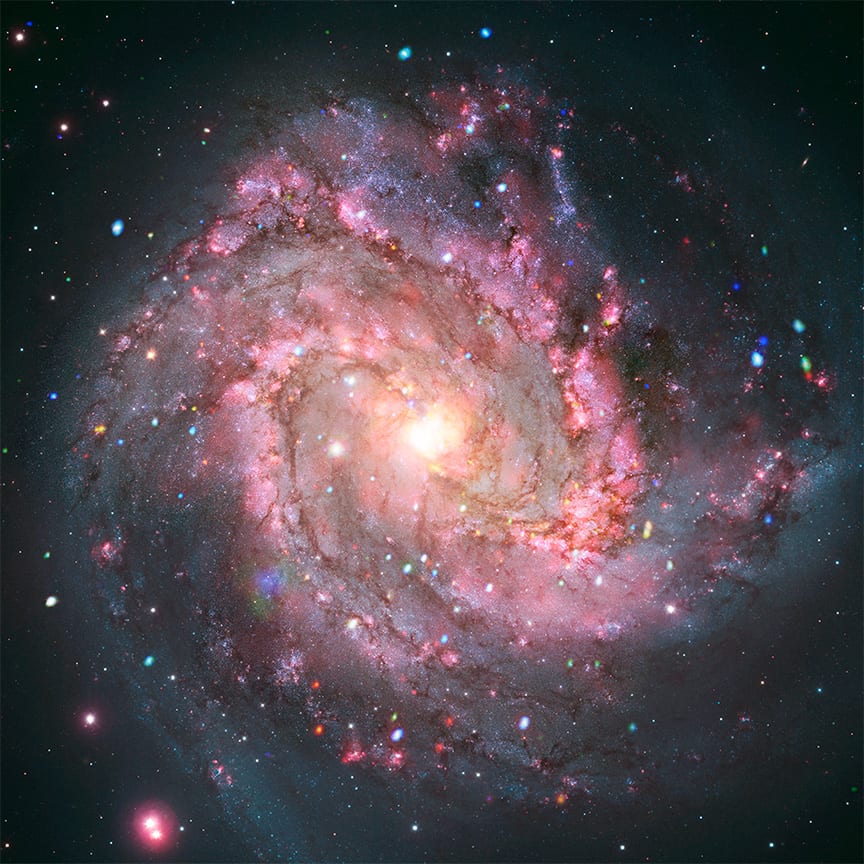
A Galaxy 15 Million Light-Years Away Is Putting On a Fireworks Show Nobody Expected
Supernova remnants are supposed to fade slowly after the explosion. But when astronomers watched the galaxy M83 for 14 years with NASA's Chandra X-ray Observatory, half of them started flickering instead.
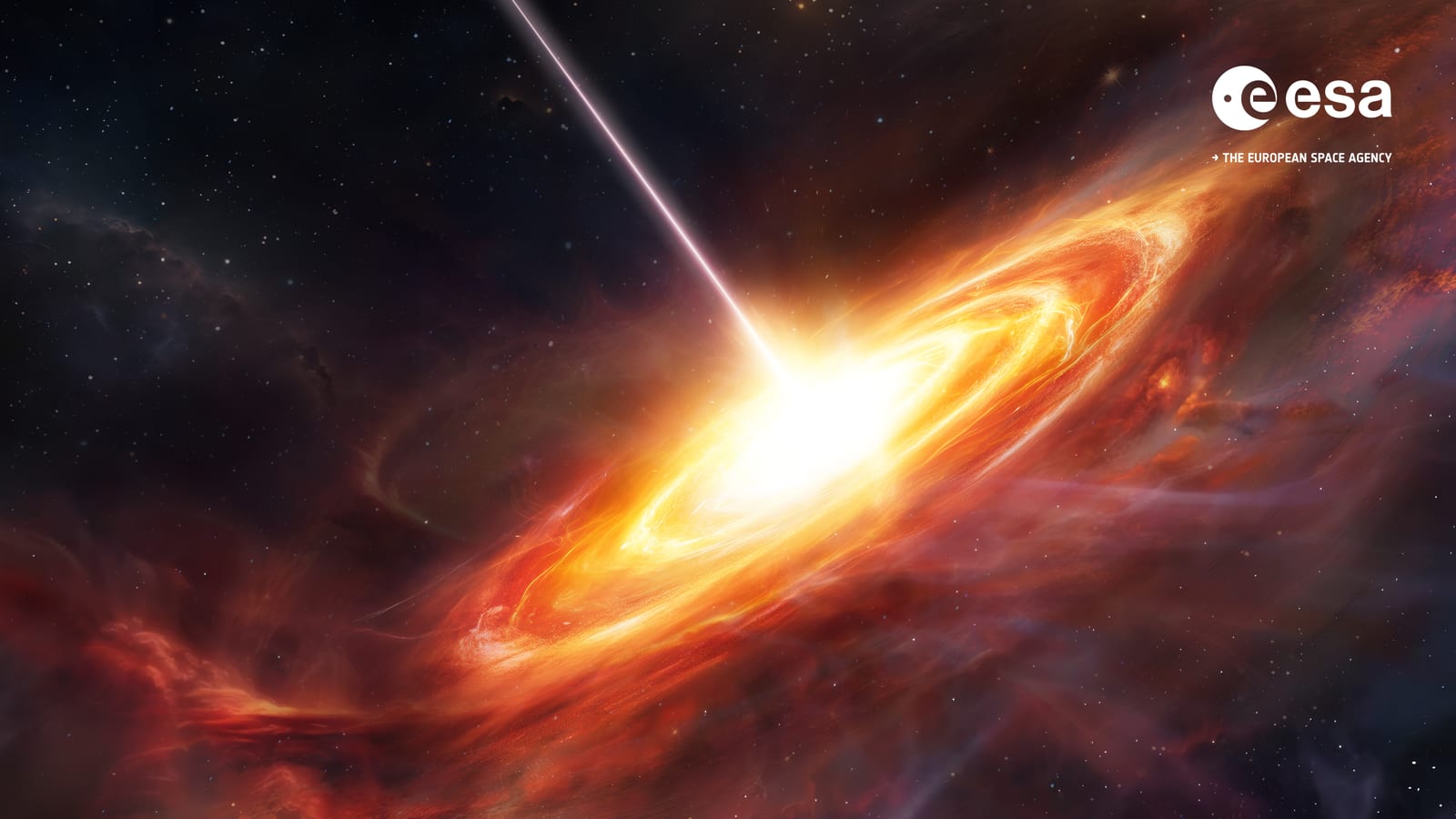
Euclid Found 31 Ancient Quasars From the Universe’s Infancy. Two Are the Most Distant Ever Seen.
The European Space Agency’s Euclid space telescope discovered 31 quasars from the universe’s first 800 million years, more than doubling the known population at those distances. Two of them are the most distant quasars ever observed, existing when the cosmos was just 670 million years old, barely 5 percent of its current age.
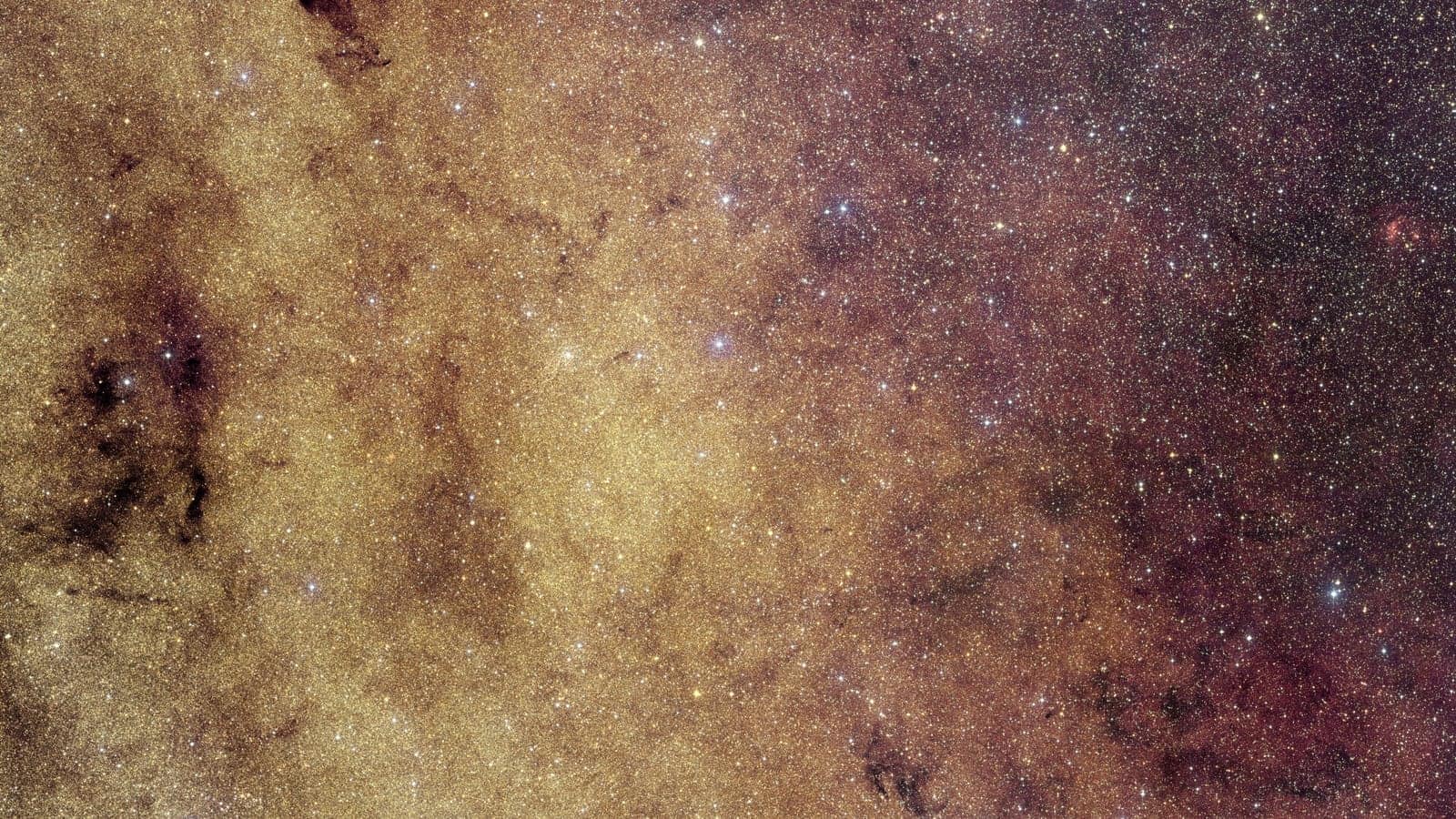
Euclid Spent 26 Hours Looking at the Milky Way's Core. It Came Back With 60 Million Stars.
The European Space Agency's dark universe telescope paused its survey of distant galaxies to stare at the brightest part of our own. The resulting visible-light mosaic contains more than 60 million stars and 51 known planetary systems, and it may change how astronomers find exoplanets.
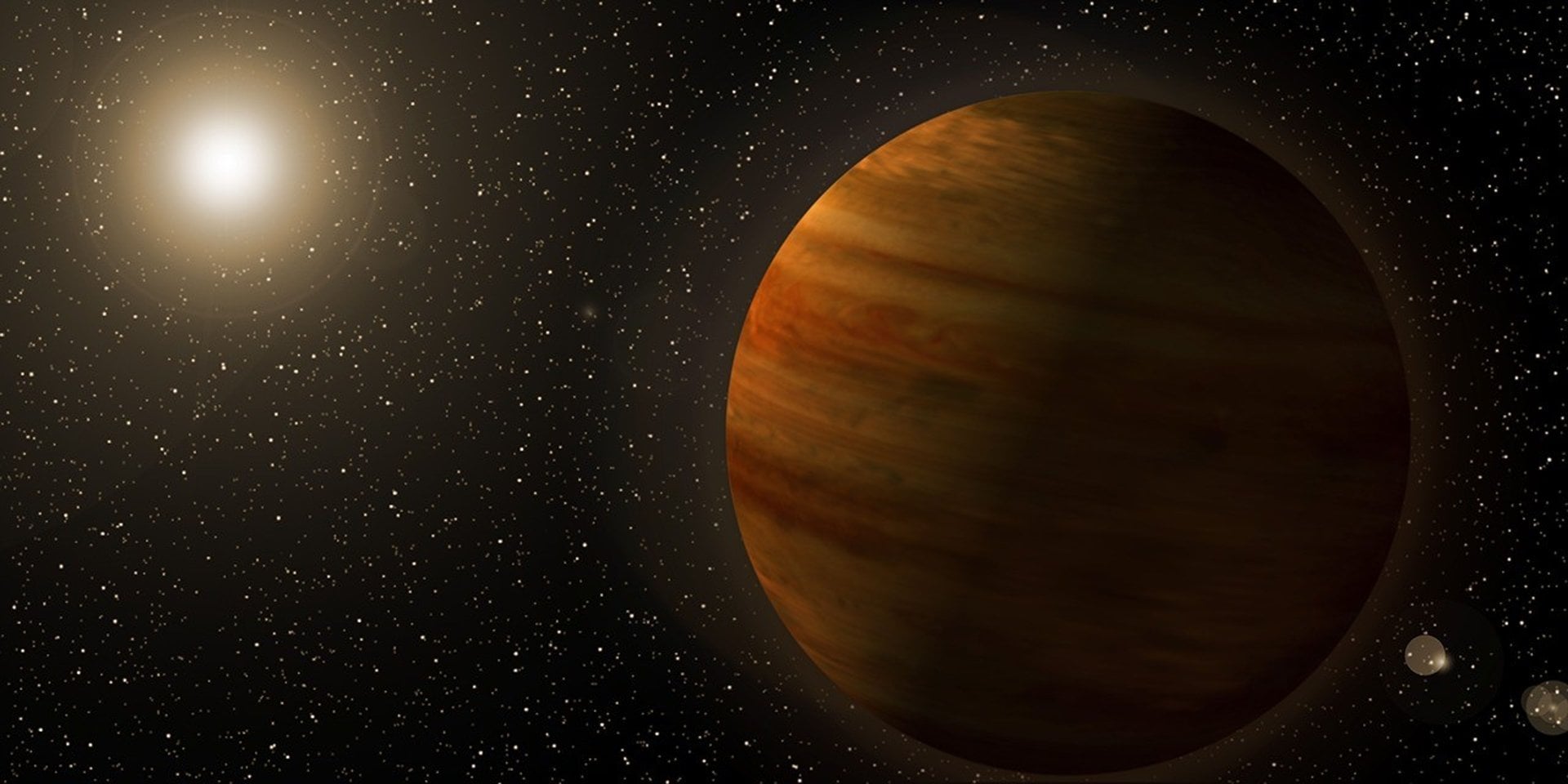
TESS Found Its First Planet by Watching It Warp Spacetime. A Super-Jupiter 40,000 Light-Years Away Bent Light to Reveal Itself.
NASA TESS satellite discovered its first planet using gravitational microlensing, a technique that detects planets by how they warp spacetime rather than by blocking starlight. Gaia23bra b, a super-Jupiter 40,000 light-years away, was found hiding in eight years of archived TESS data after being flagged by the Gaia space telescope in 2023.
Solar system missions
Robotic spacecraft are our eyes and ears across the solar system. New Horizons, already past Pluto, is heading for the termination shock where the solar wind meets interstellar space. Juno watched electrons accelerate to near light speed at Jupiter's bow shock, solving a century-old mystery about the origin of cosmic rays. MAVEN spent 11 years measuring how the Sun stripped Mars of its atmosphere before falling silent. Lucy photographed the tumbling asteroid Donaldjohanson on its way to the Trojan swarms. And China's Tianwen-2 arrived at Earth's quasi-moon Kamo'oalewa, returning the first close-up images of a tiny asteroid that may or may not be a piece of the Moon.
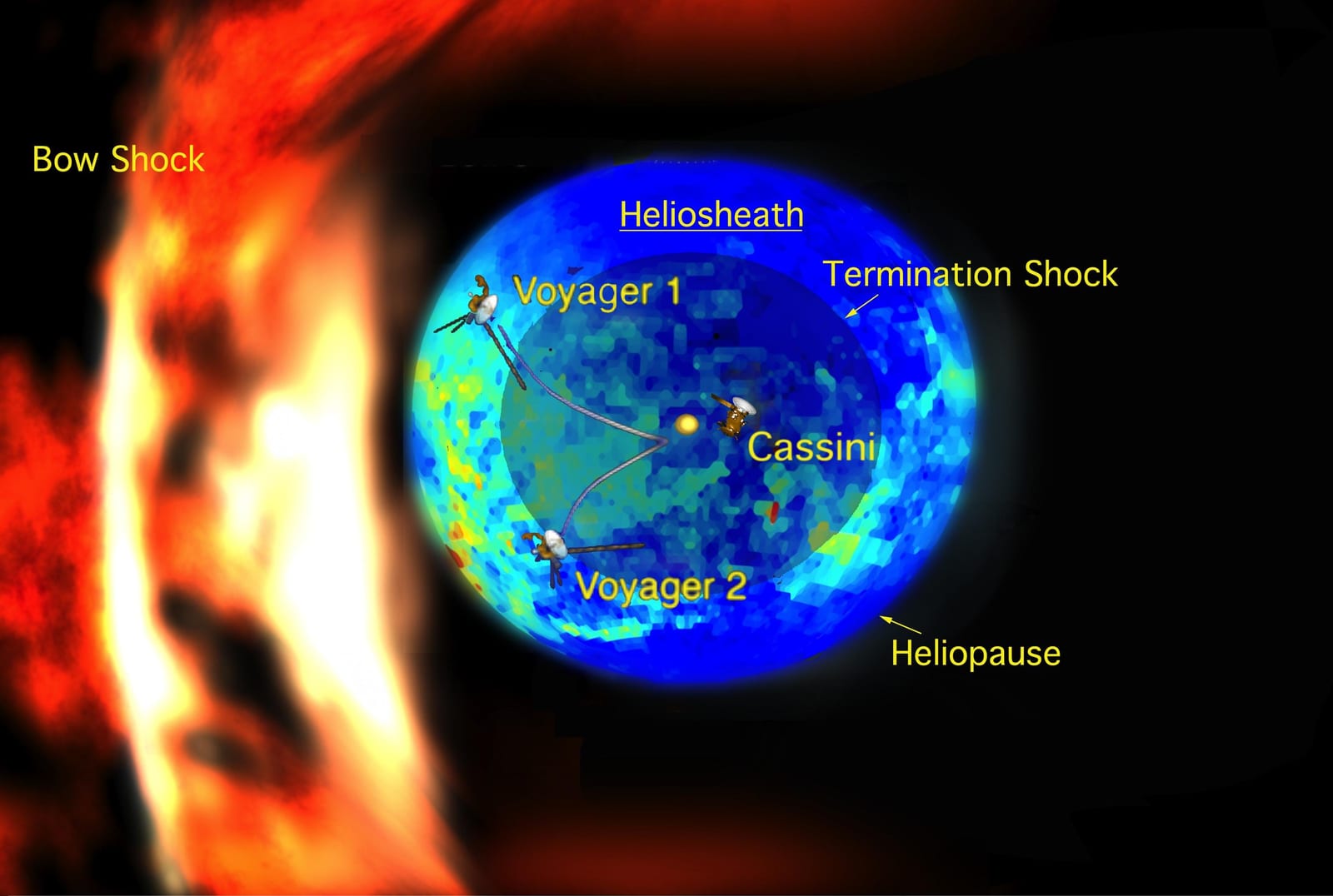
New Horizons Heads for the Solar System's Edge. Forecasts Predict When It Will Cross the Boundary.
New Horizons is now 66 AU from the Sun and heading for the termination shock, the boundary where the solar wind first meets interstellar space. Scientists at the Southwest Research Institute have developed a forecast for the crossing: as early as 2029, as late as 2040.

For 100 Years, Scientists Could Not Explain Where Cosmic Rays Come From. Juno Just Watched Them Form.
In October 2023, NASA's Juno spacecraft crossed Jupiter's invisible bow shock and caught electrons moving near the speed of light. The discovery, published in Nature in June 2026, confirms a universal scaling law that connects particle acceleration in our solar system to the cosmic rays that stream across the galaxy.
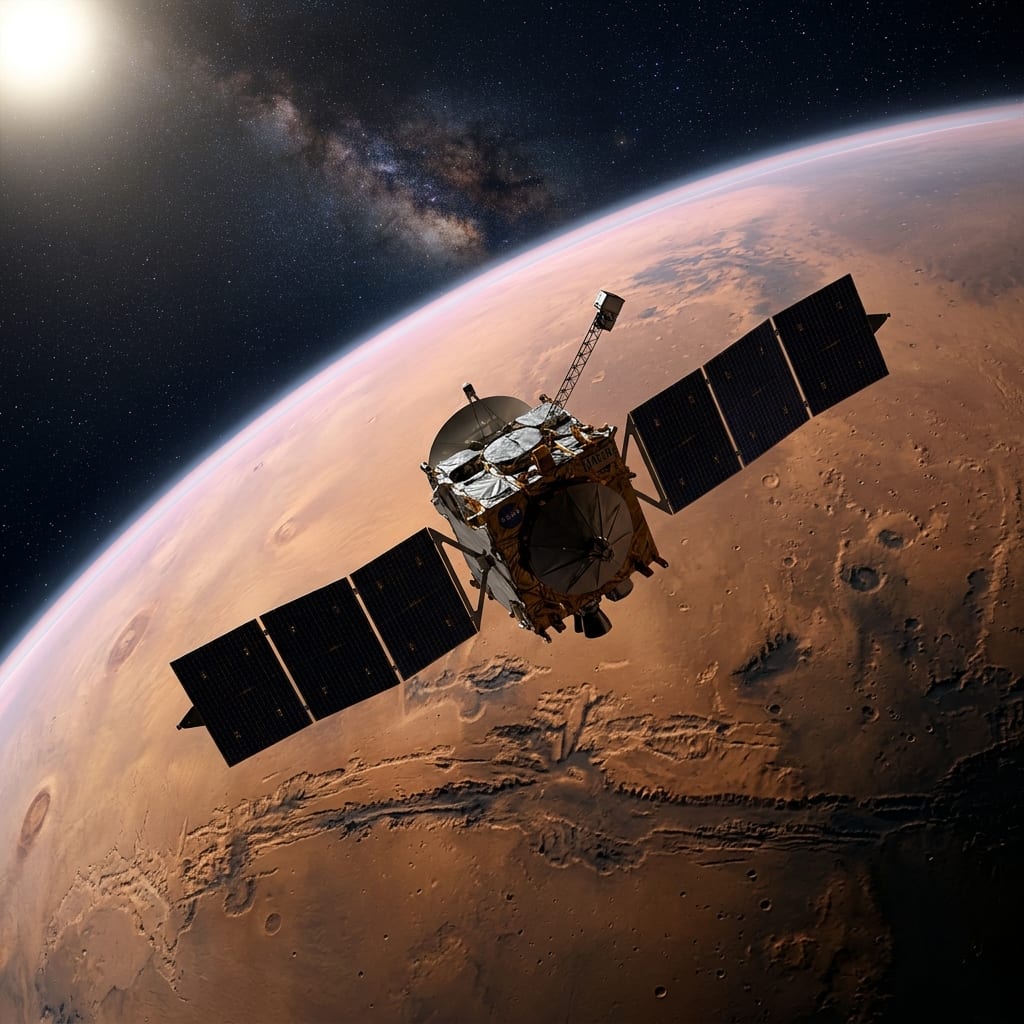
NASA's MAVEN Spacecraft Went Silent Over Mars. It Left Behind 11 Years of Discoveries.
After more than 11 years studying how Mars lost its atmosphere, NASA's MAVEN fell silent in December 2025. In June 2026, the agency said goodbye. The mission leaves behind over 800 papers, the first measurements of atmospheric sputtering on any planet, and a direct view of what happens when the Sun strips a world bare.
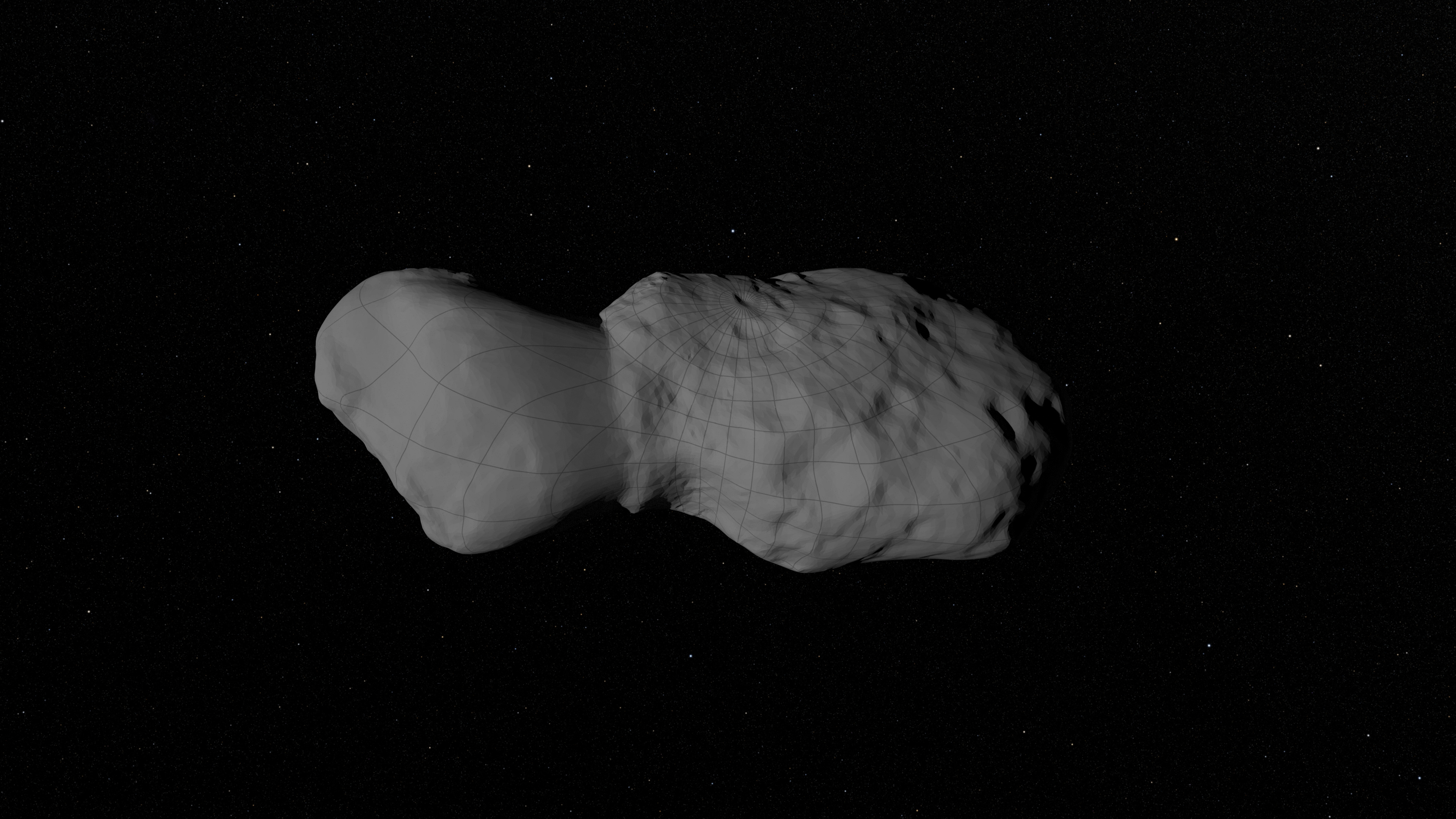
This Asteroid Tumbles Like a Badly Thrown Football. Scientists Just Figured Out Why.
NASA's Lucy spacecraft buzzed an asteroid called Donaldjohanson at 30,000 mph hoping to test its cameras. The data it brought back revealed a peanut-shaped rock wobbling on two axes at once, with clay minerals that still carry the chemical signature of ancient water.
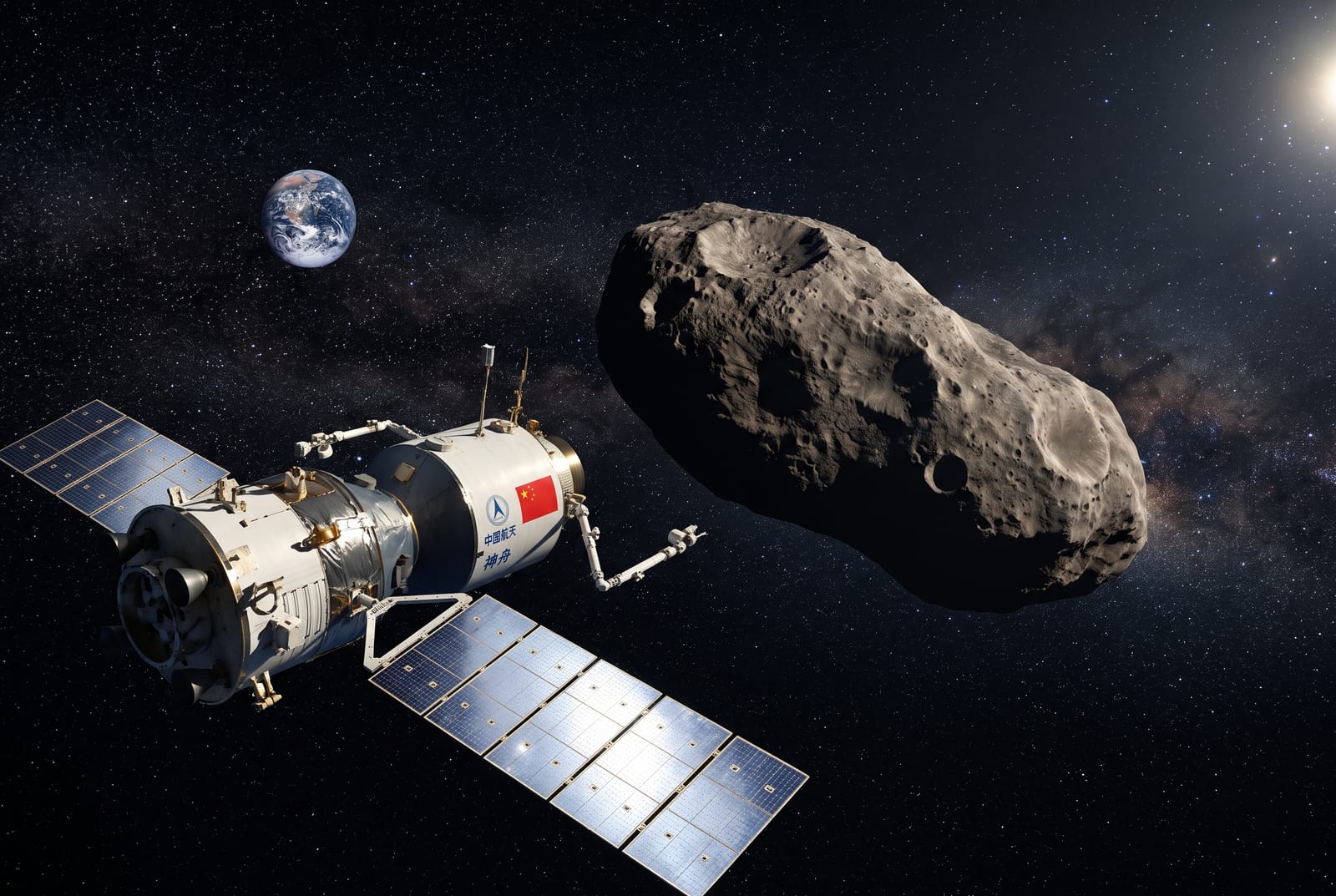
A Chinese Spacecraft Just Arrived at Earth's Tiny Quasi-Moon. The First Close-Up Images Reveal an Asteroid Much Smaller Than Expected.
China's Tianwen-2 spacecraft arrived at the near-Earth asteroid Kamo'oalewa on July 2, 2026, after a 400-day, 1-billion-kilometer journey. The first close-up images from 20 kilometers away reveal an elongated rocky body roughly 20 meters across, far smaller than ground telescopes suggested. New JWST observations challenge the idea that it is a fragment of the Moon.
Human spaceflight
Humans are returning to the Moon, and the path there goes through the Artemis program. Artemis II photographed a new Earthrise from Lunar orbit, echoing the iconic 1968 image. Artemis III will test the choreography needed for a crewed lunar landing. On the ground, NASA's ERNeST rover prototype completed a 16-mile autonomous desert trek at ten times the speed of any Mars rover, pointing toward a future where robotic and human exploration work together across the solar system.
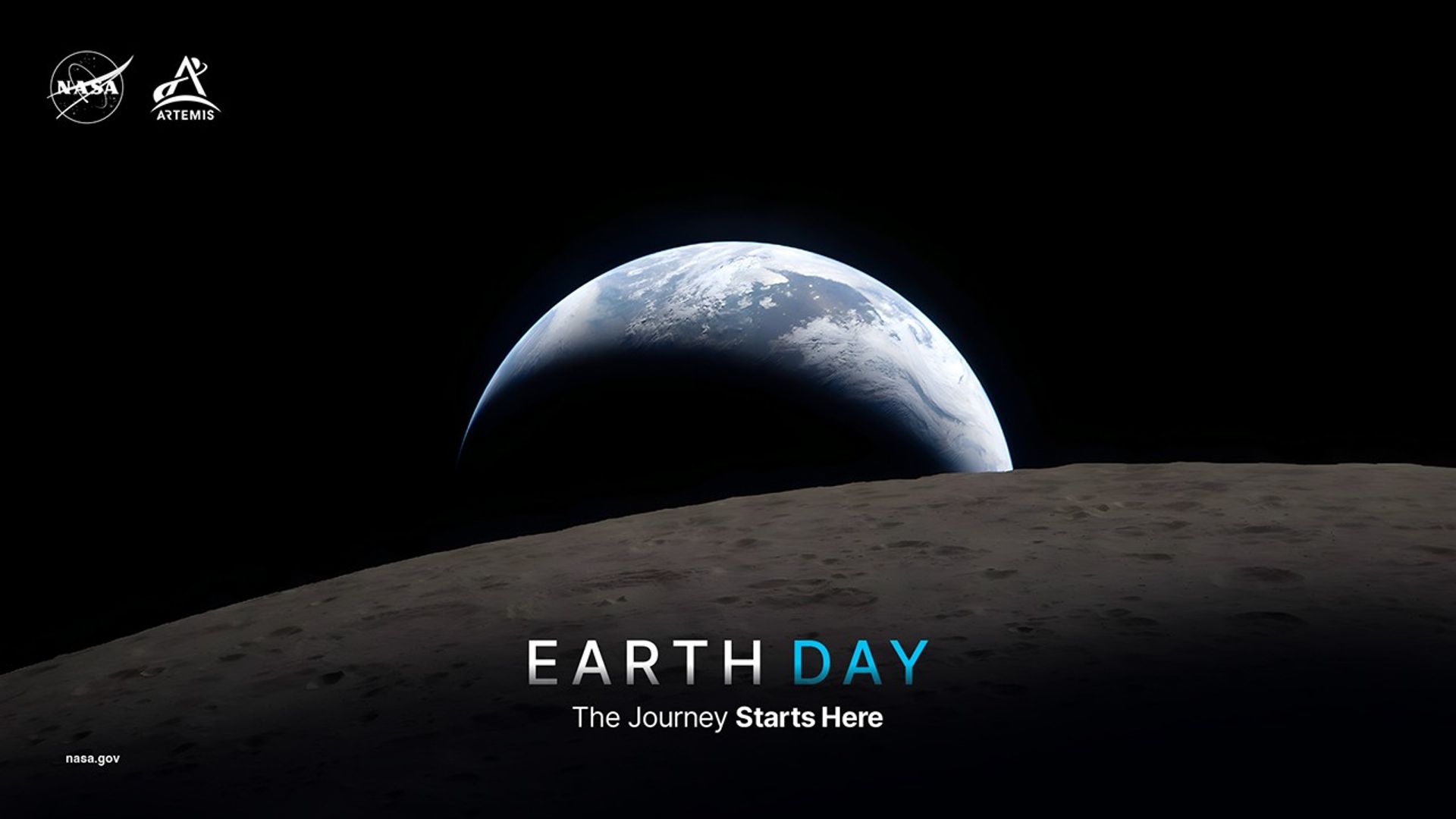
The New Earthrise: Artemis II Photographs Home
On April 6, 2026, the Artemis II crew watched Earth slide behind the Moon and captured a photo that echoes the 1968 Earthrise, moments before losing radio contact for 40 minutes.
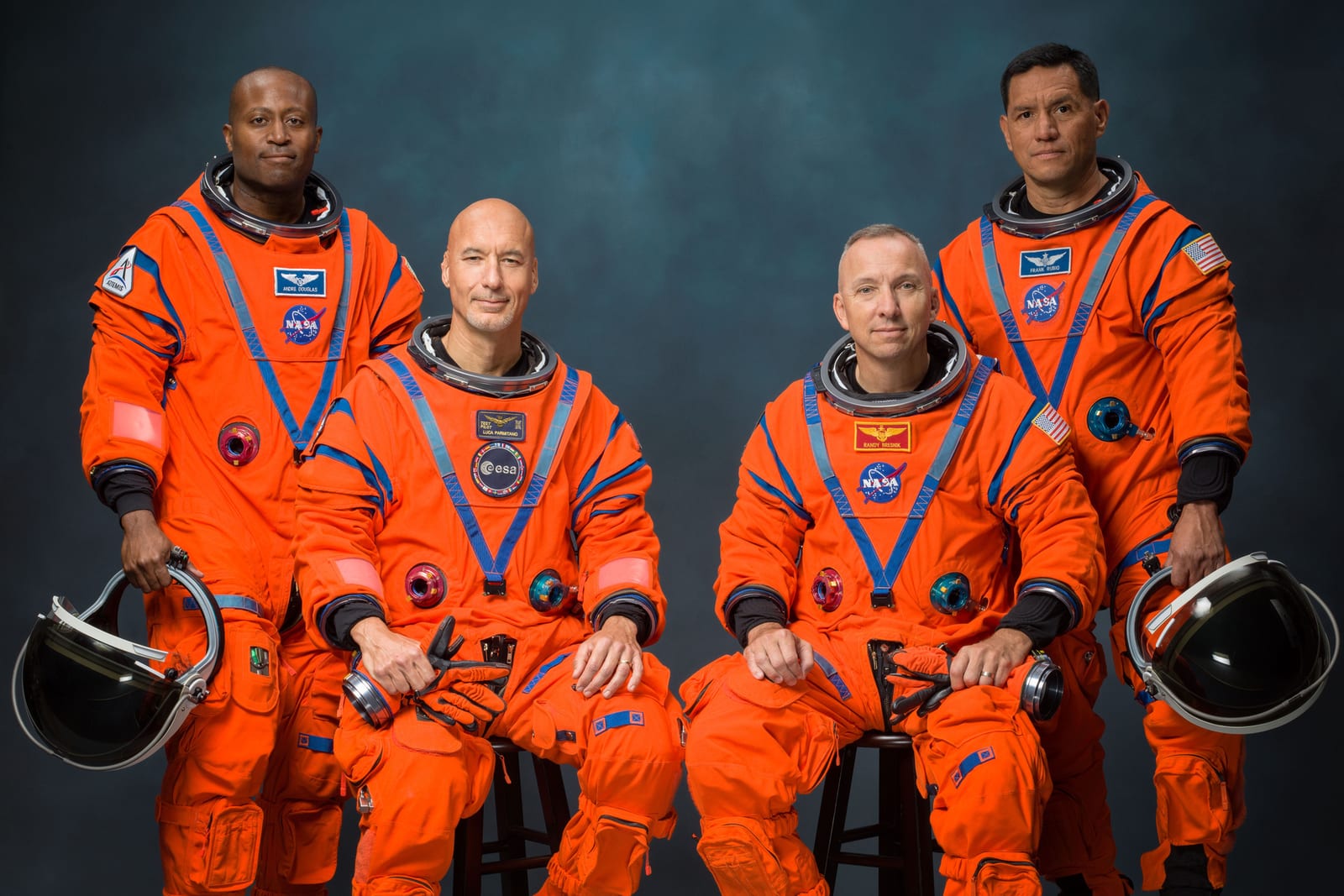
NASA Just Named the Crew That Will Clear the Path Back to the Moon
On June 9, 2026, NASA announced four astronauts who will fly the most complex human spaceflight mission in recent history. Their job is not to land on the Moon. It is to dock with two commercial lunar landers in Earth orbit and prove the choreography works before the next crew goes for the surface.
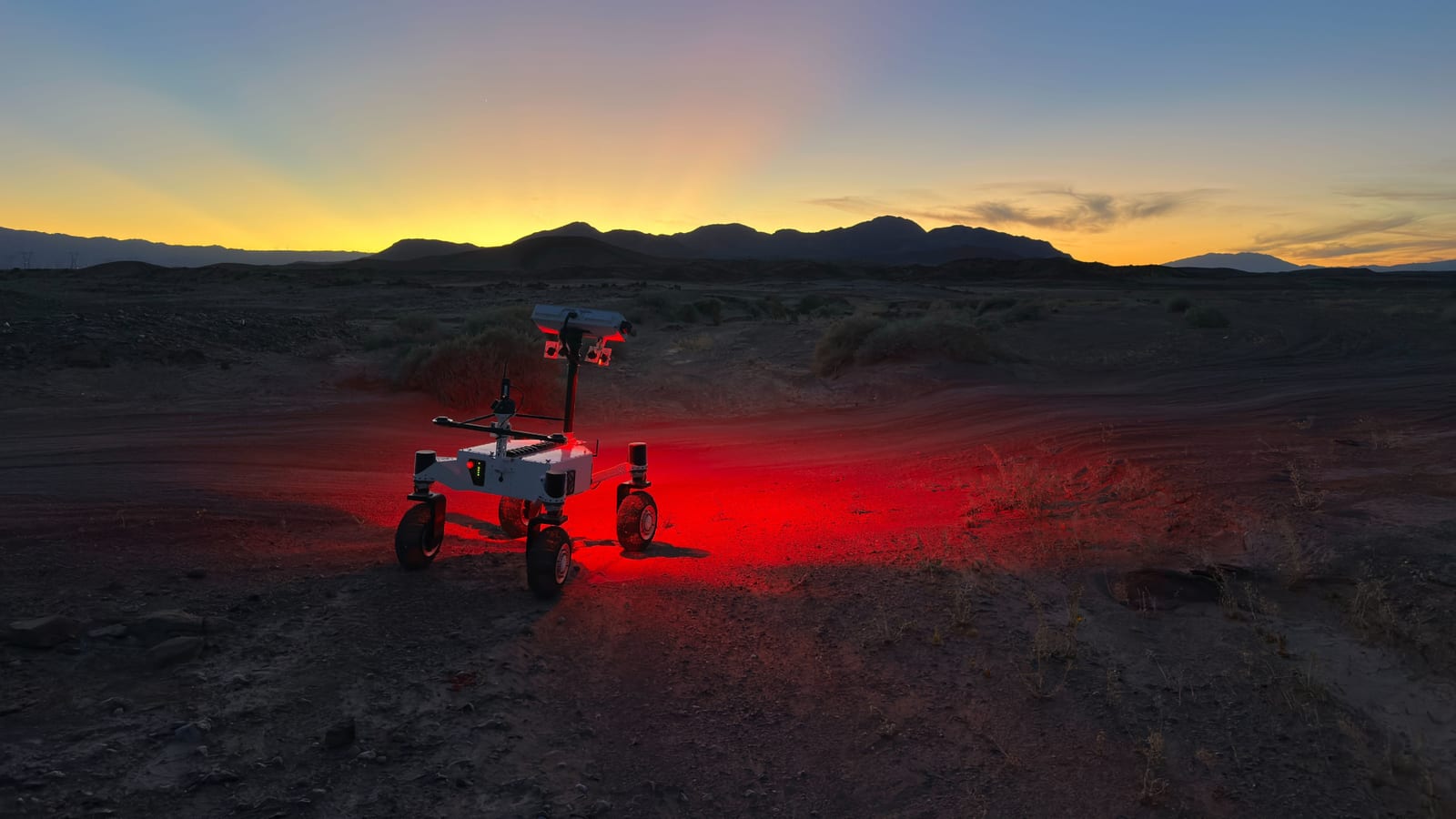
This NASA Rover Walks, Squirms, and Drives Sideways. It Just Finished a 16-Mile Desert Trek.
A four-wheeled prototype called ERNEST just drove 16 miles through the Colorado Desert at ten times the speed of any Mars rover, lifting its wheels over rocks and navigating the worst terrain by itself. The active suspension, reinforcement learning, and nighttime testing point to a future where rovers go farther and faster than anyone thought possible.
Ground observatories and surveys
Earth-based telescopes remain essential. The Vera C. Rubin Observatory in Chile began the Legacy Survey of Space and Time on June 30, 2026, capturing the entire southern sky every few nights for a decade. ESO's VISTA telescope revealed that the Small Magellanic Cloud is not rotating but expanding, torn apart by gravity. The Keck Observatory on Maunakea confirmed a third dark matter-free galaxy, validating a pattern that theorists had predicted. SETI researchers discovered that the same stars hosting potentially habitable planets may be scrambling alien radio signals. And a 13-year campaign using NASA's Goldstone radar and the Green Bank Telescope set new constraints for Europa spacecraft by bouncing radar off the moon's ice from Earth.
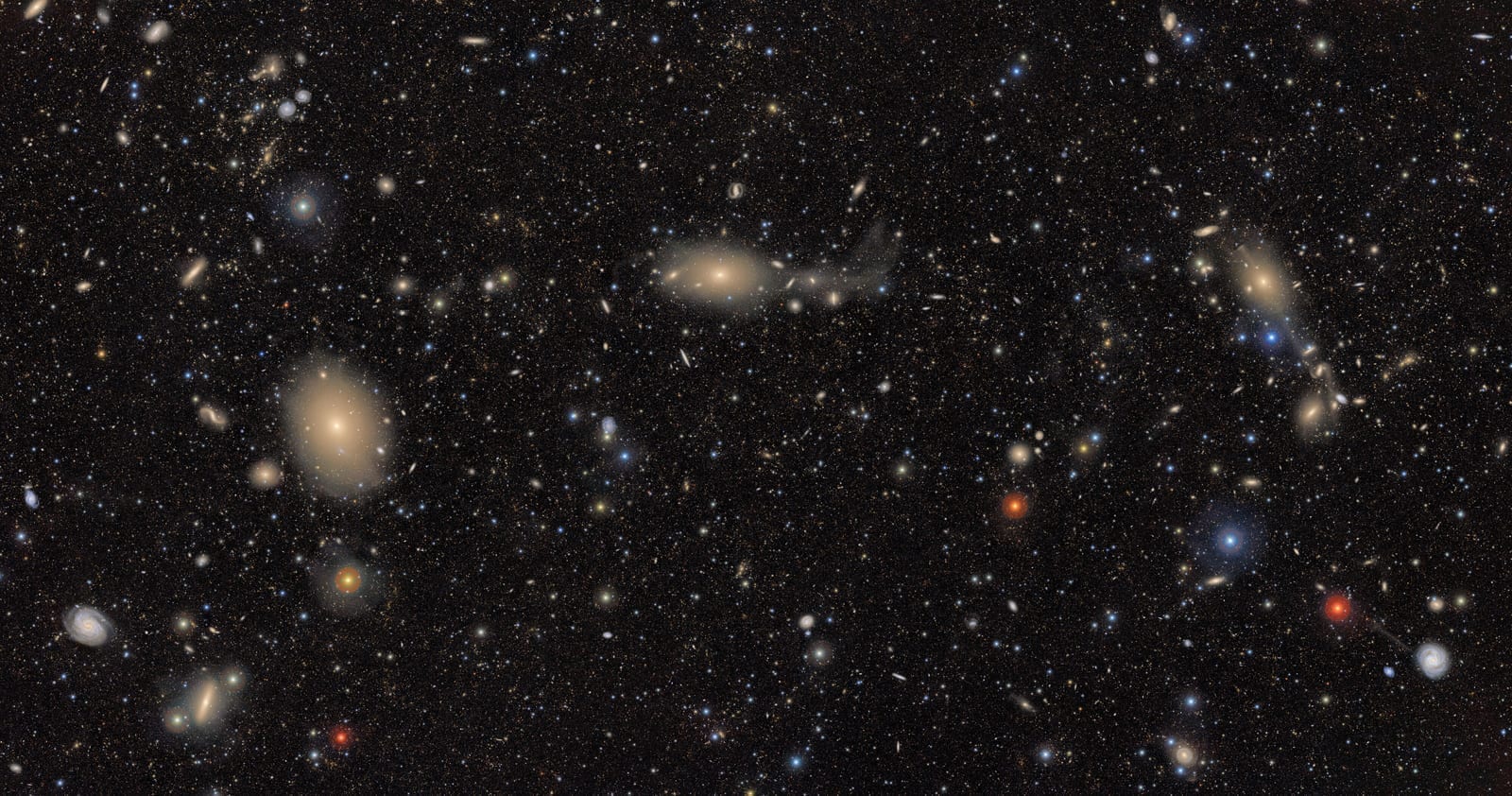
The Greatest Cosmic Movie Ever Made. Rubin Observatory Just Started Filming the Southern Sky for 10 Years.
The Vera C. Rubin Observatory in Chile officially began the Legacy Survey of Space and Time on June 30, 2026. Its 3,200-megapixel camera, the largest ever built, will capture the entire southern sky every few nights for a decade, producing 20 terabytes of data per night and cataloguing 20 billion galaxies. In its first month of early optimization surveys, it already discovered 11,000 never-before-seen asteroids.
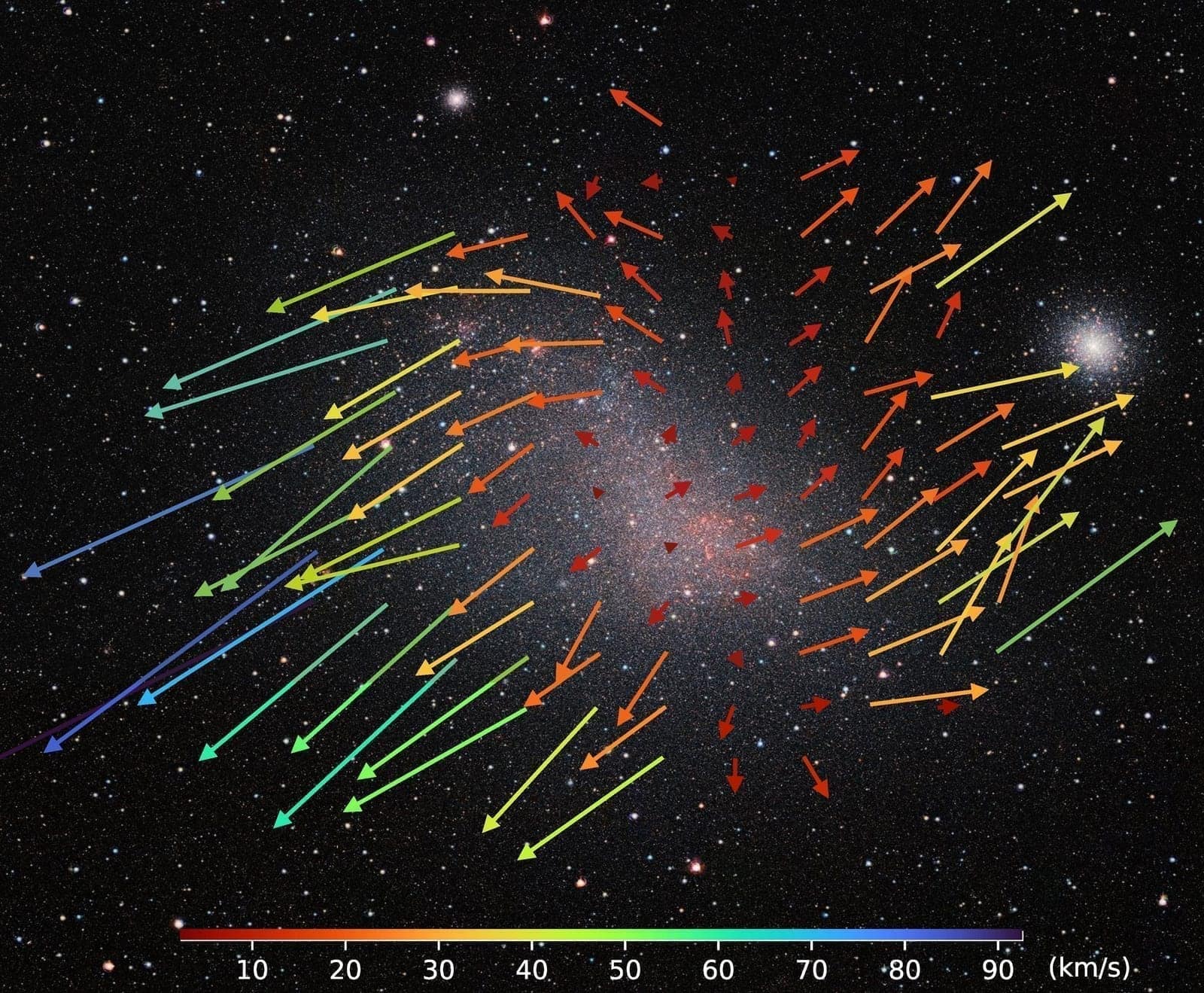
A Neighbouring Galaxy Is Being Pulled Apart, and Astronomers Just Mapped Every Star's Escape
Astronomers assumed the Small Magellanic Cloud was a rotating dwarf galaxy like a scaled-down Milky Way. After tracking millions of stars across 11 years with ESO's VISTA telescope, they found the opposite: the galaxy is expanding, stretched apart by the gravitational pull of its larger neighbour, the Large Magellanic Cloud.
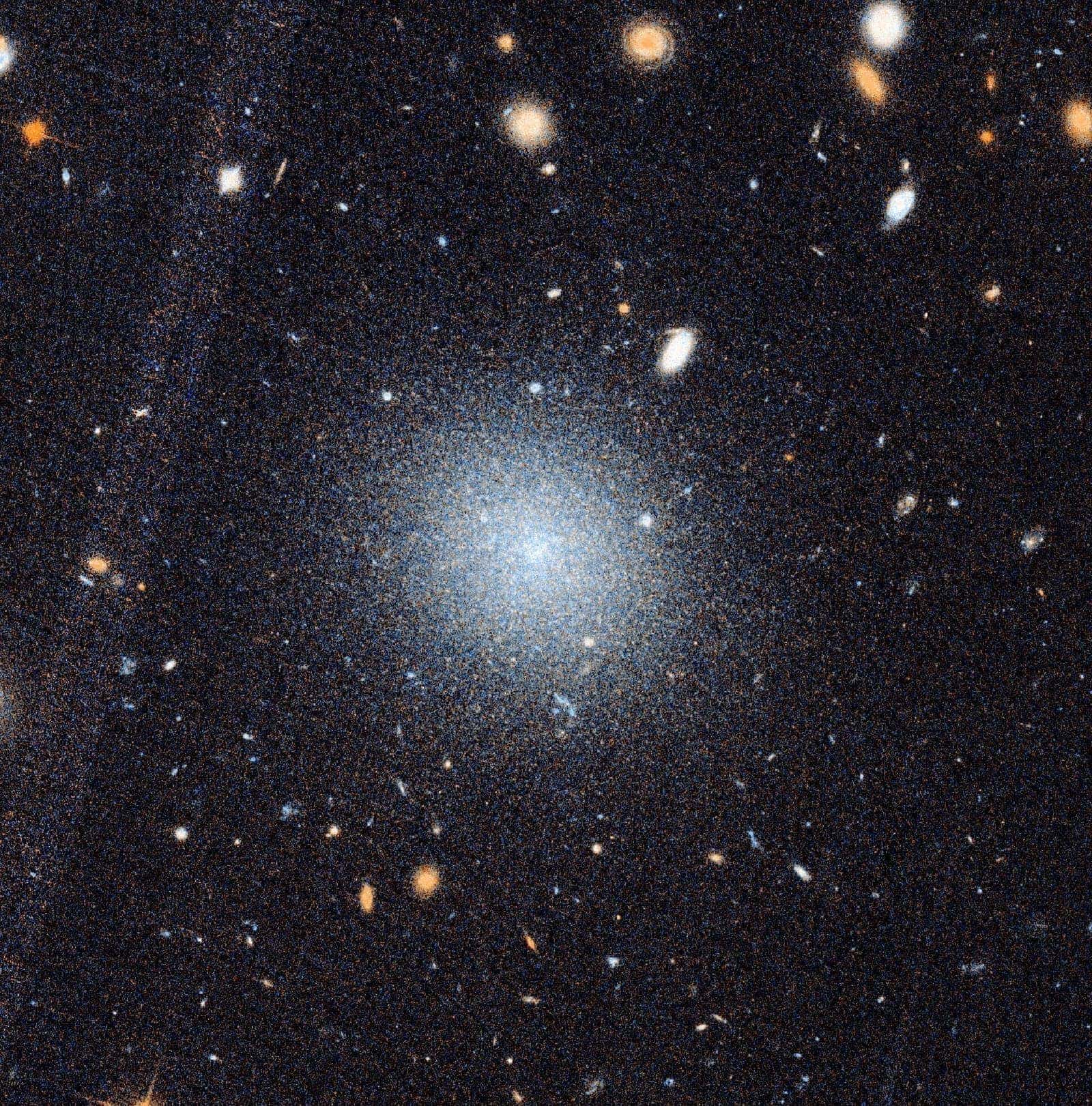
A Third Galaxy Without Dark Matter Just Showed Up. It's Right Where Scientists Predicted.
Astronomers predicted another dark matter-free galaxy would be found along a mysterious chain stretching through space. Then KCWI at Keck Observatory confirmed one. The third such galaxy ever discovered, NGC 1052-DF9, completes a pattern that scientists say points to a violent collision that tore ordinary matter from its invisible halo.
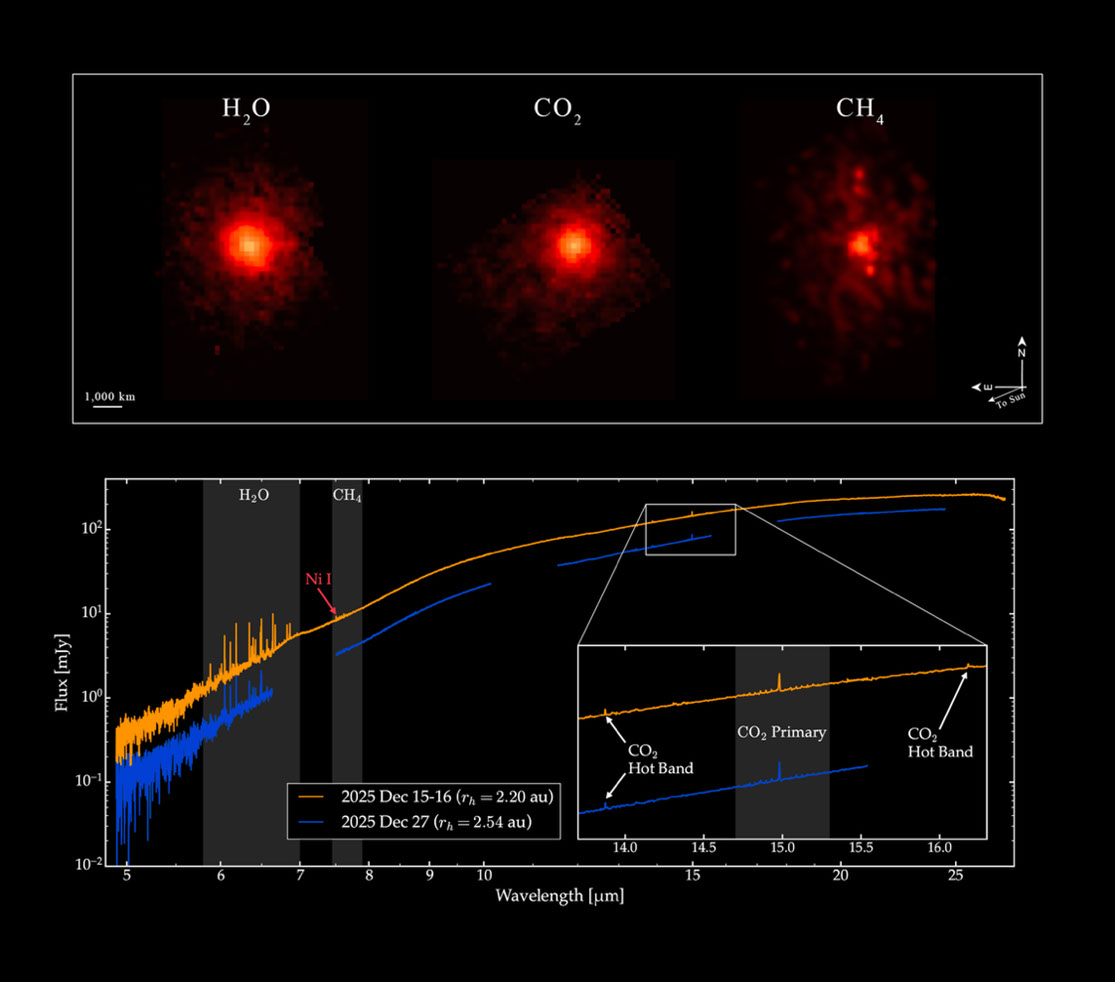
JWST Just Caught an Interstellar Comet Carrying Chemicals That Don't Match Our Solar System
More than a dozen NASA missions tracked 3I/ATLAS as it passed through. Webb's MIRI instrument caught the chemical fingerprint on the way out, and found methane buried under the surface ice, the first ever detected on an object from another star system.
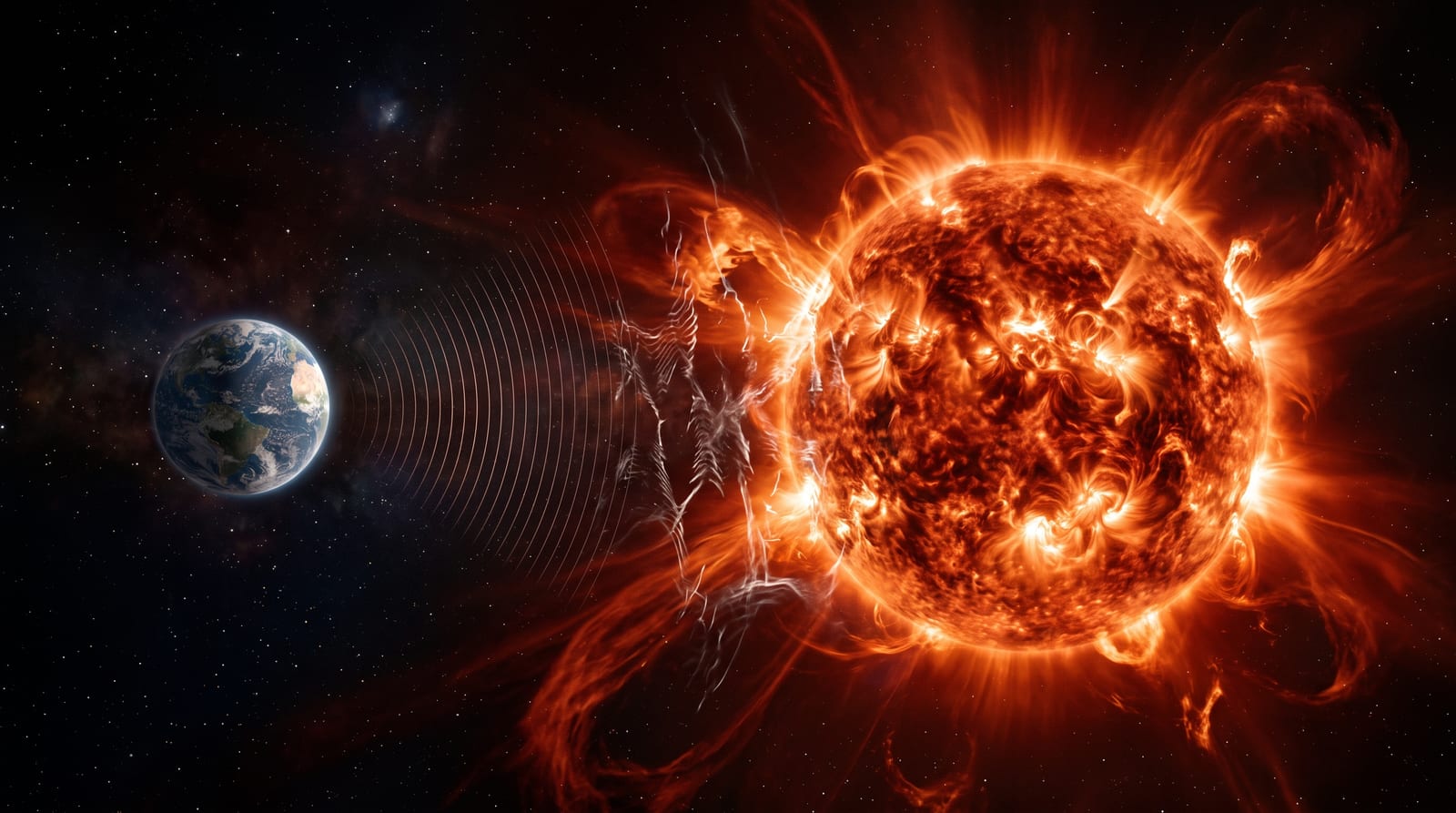
Alien Messages May Have Reached Earth Without Us Realizing It
A new SETI Institute study reveals that the same stars hosting potentially habitable planets may be scrambling alien radio signals before they can reach our detectors. Turbulent stellar plasma could be smearing sharp signals into noise, and the fix changes how we search.
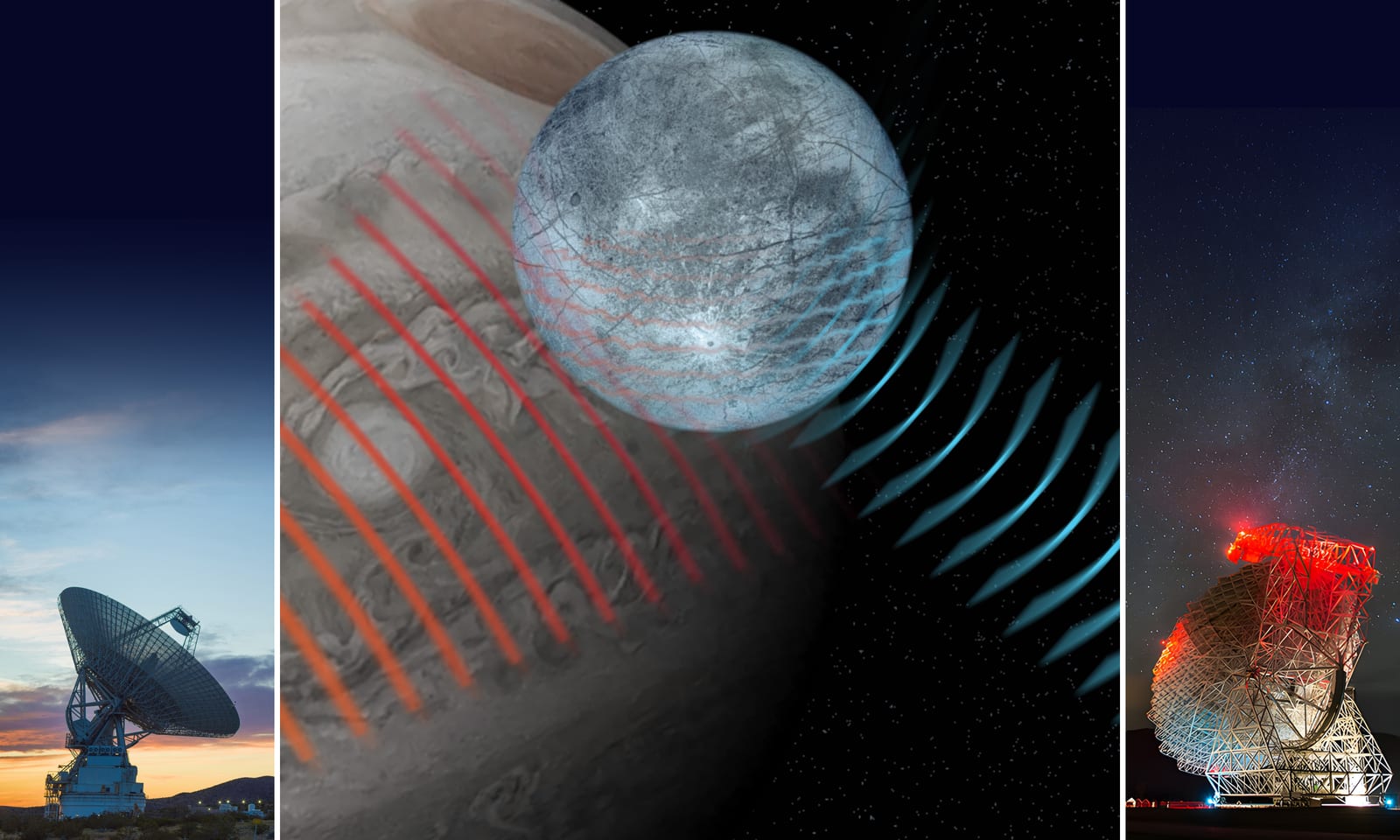
For 13 Years, Scientists Pelted Europa With Radar From Earth. What Bounced Back Changed How We'll Explore It.
A 13-year campaign using NASA's Goldstone radar and the Green Bank Telescope produced the most extensive ground-based radar study of Europa ever. The echoes confirmed its ice is clean, porous, and scatters radio energy in a way not seen on any rocky world, setting new constraints for two spacecraft already on their way.
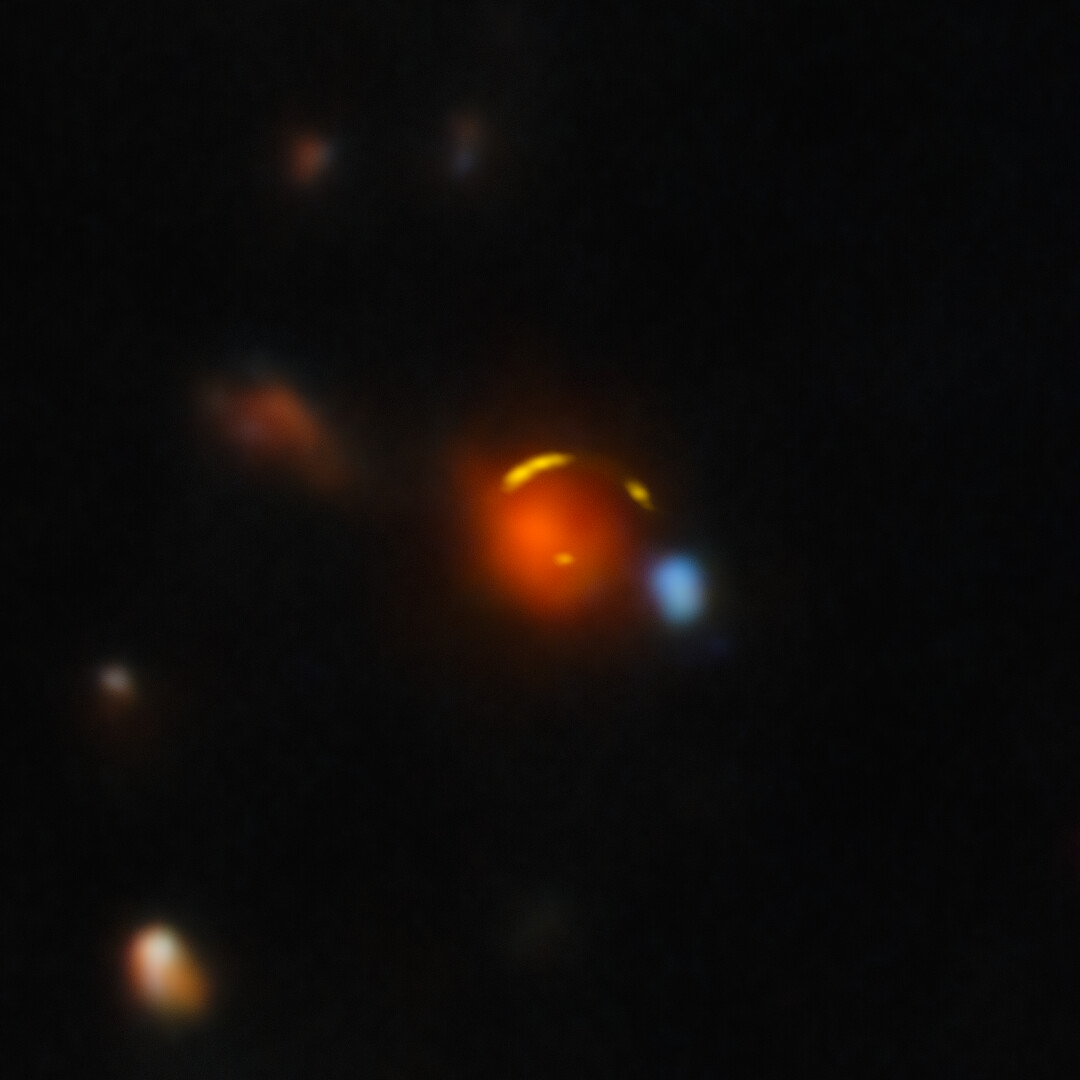
Scientists Expected a Black Hole. They Found a Neutrino Factory Powered by Stars.
A single neutrino detected at the South Pole in 2021 led astronomers to a dust-shrouded galaxy 11 billion light-years away. The galaxy, nicknamed Shadow Blaster, had no black hole at its core. Instead, it was forming stars so intensely that the dense gas was converting cosmic rays into ghost particles.
Gravitational wave detectors
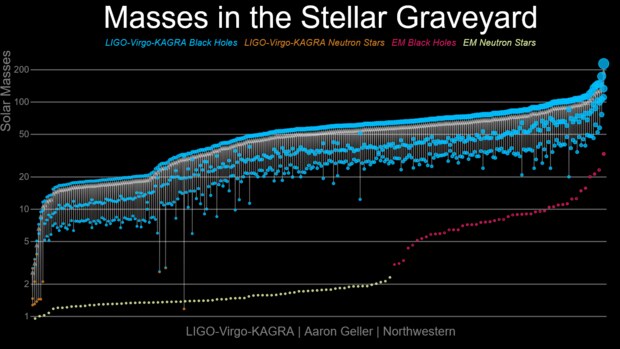
The LIGO, Virgo, and KAGRA collaboration released the fifth Gravitational-Wave Transient Catalog on May 26, 2026, adding 161 new black hole mergers to bring the total confirmed events to 390. From one detection in 2016 to nearly 400 today, gravitational wave astronomy has transformed from a proof of concept into a routine observational tool. The catalog includes the best-localized source ever detected, the clearest signal ever recorded, and hints of second-generation black holes that formed from the mergers of earlier black holes. Each new detection refines our understanding of how black holes form, grow, and interact across cosmic time.